- Company Articles
- Products and Technology
- Product knowledge
- Comparing Flat Rigid Castor Wheel Materials: Steel for High Load vs Aluminum for Lightweight

Comparing Flat Rigid Castor Wheel Materials: Steel for High Load vs Aluminum for Lightweight
Related Product
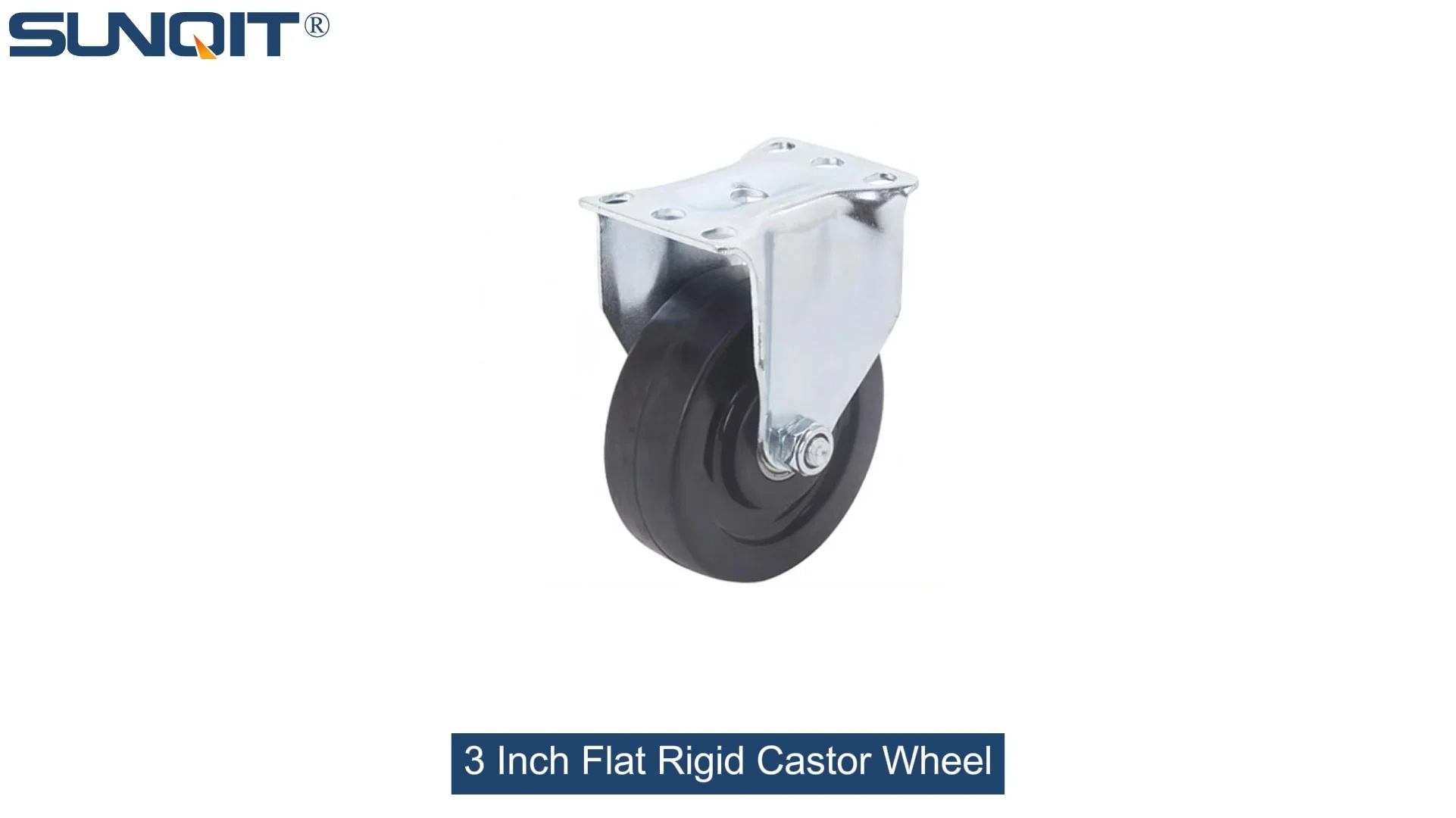
Flat Rigid Castor Wheel
Chair Casters Ball Bearing Wheels Rubber Base. Resistant to abrasion, impact and corrosion. Heavy payload can hold 70Kgs per pcs,which can make it works at a stable and smooth status.
Think about the last time you walked through a busy warehouse, pushed a heavy medical cart, or even moved a loaded shelf in a retail store. Chances are, you didn't pay much attention to the small but mighty components making that movement possible: castor wheels. These unassuming tools are the unsung heroes of productivity, silently bearing weight, reducing friction, and keeping operations rolling—literally. But not all castor wheels are created equal, and when it comes to flat rigid castor wheels , the material choice can make or break efficiency, safety, and long-term cost. Today, we're diving into two heavyweights in this space: steel, the go-to for raw strength, and aluminum, the champion of lightweight agility. Let's explore how each stacks up, so you can make the best choice for your needs.
What Are Flat Rigid Castor Wheels, Anyway?
Before we compare materials, let's get clear on what a flat rigid castor wheel is. Unlike swivel castors (which pivot 360 degrees for maneuverability), rigid castors lock into place, moving only forward or backward. They're designed for stability and straight-line movement, making them ideal for heavy loads that don't need frequent direction changes—think industrial machinery, large storage racks, or fixed-path transport systems. The "flat" part refers to the wheel's tread, which sits flush against the ground for maximum contact and weight distribution. Now, the material of that wheel? It's the backbone of its performance.
Steel Flat Rigid Castor Wheels: The Heavy-Duty Workhorses
Steel has been a staple in manufacturing for centuries, and for good reason: it's tough, reliable, and built to handle the heaviest of jobs. When it comes to flat rigid castor wheels, steel wheels are like the linebackers of the material world—they don't back down from a challenge.
Strength That Stands Up to Heavy Loads
Steel's claim to fame is its incredible tensile strength. Most steel castor wheels can handle loads ranging from 500 lbs to over 10,000 lbs per wheel, depending on the design and thickness. That's why you'll find them under forklifts, industrial ovens, and construction equipment—applications where "heavy-duty" isn't just a buzzword, but a safety requirement. For example, a steel flat rigid castor wheel with a 4-inch diameter and 1-inch width can easily support 1,500 lbs, making it a no-brainer for warehouses moving pallets of concrete or metal parts.
Durability in Harsh Environments
Steel is also incredibly resistant to impact and wear. If you've ever seen a warehouse floor scarred with scuffs and debris, you know wheels take a beating. Steel wheels laugh off these abuses—they won't crack under sudden drops, chip from rough surfaces, or deform under constant pressure. This durability translates to longer lifespans, which is why industries like automotive manufacturing rely on steel castors for assembly line conveyors; replacing a wheel mid-production could cost hours of downtime, and steel minimizes that risk.
The Tradeoffs: Weight and Maintenance
But steel isn't perfect. For one, it's heavy. A 6-inch steel flat rigid castor wheel can weigh 5-8 lbs, which adds up quickly if you're using multiple wheels. This extra weight can make equipment harder to push (unless it's motorized), increasing operator fatigue and energy costs. Steel is also prone to corrosion if not treated. Without a protective coating (like zinc plating or powder coating), it will rust in humid or wet environments—think outdoor use or food processing plants with frequent washdowns. And while steel is durable, it does require occasional maintenance: lubricating bearings, checking for rust, and replacing worn treads (if they're rubber-coated) to prevent floor damage.

Aluminum Flat Rigid Castor Wheels: Lightweight Precision
If steel is the linebacker, aluminum is the marathon runner—lean, efficient, and built for endurance in scenarios where weight matters most. Aluminum flat rigid castor wheels have grown in popularity over the years, thanks to their unique blend of strength and lightness.
Lightweight Without Sacrificing Too Much Strength
Aluminum is about one-third the density of steel, which means aluminum wheels are significantly lighter. A 6-inch aluminum flat rigid castor wheel might weigh just 2-3 lbs—half the weight of its steel counterpart. This lightness is a game-changer for applications where mobility is key. Think about medical carts that nurses push all day, or mobile workbenches in labs where technicians need to reposition equipment quickly. Lighter wheels mean less effort to move, reducing strain and boosting productivity. Even better, aluminum still offers respectable load capacity: most aluminum wheels handle 200-2,000 lbs per wheel, which is more than enough for many commercial and light industrial uses.
Corrosion Resistance: A Win for Wet or Humid Spaces
Unlike steel, aluminum is naturally corrosion-resistant. When exposed to air, it forms a thin layer of aluminum oxide on its surface, which acts as a protective barrier against rust and moisture. This makes aluminum wheels ideal for environments like seafood processing plants, car washes, or outdoor events—places where steel would start rusting within months. It also means less maintenance: no need for regular painting or coating; a quick wipe with a damp cloth is usually enough to keep them looking and performing like new.
The Catch: Lower Load Capacity and Impact Sensitivity
Aluminum's Achilles' heel? It can't match steel's raw load capacity. While 2,000 lbs per wheel is impressive, it's still a fraction of what steel can handle. If you're moving 5-ton machinery, aluminum wheels would buckle under the pressure. Aluminum is also more prone to denting or bending under heavy impact. drop a steel wheel on concrete, and it might chip the floor; drop an aluminum wheel, and the wheel itself could warp, affecting its ability to roll smoothly. For this reason, aluminum is best suited for controlled environments with moderate loads and minimal roughhousing.

Steel vs. Aluminum: A Head-to-Head Comparison
| Feature | Steel Flat Rigid Castor Wheels | Aluminum Flat Rigid Castor Wheels |
|---|---|---|
| Load Capacity | 500 lbs – 10,000+ lbs per wheel | 200 lbs – 2,000 lbs per wheel |
| Weight (6-inch wheel) | 5-8 lbs | 2-3 lbs |
| Durability | High impact/wear resistance; long lifespan | Moderate impact resistance; prone to dents under heavy force |
| Corrosion Resistance | Low (needs coating for wet environments) | High (natural oxide layer protection) |
| Best Applications | Heavy machinery, construction, industrial conveyors, high-load storage | Medical carts, mobile workbenches, labs, light industrial, humid environments |
| Cost | Moderate to high (more material, higher production costs) | Moderate (lighter material, but aluminum can be pricier than basic steel) |
| Maintenance | High (rust prevention, lubrication, coating touch-ups) | Low (minimal cleaning, no rust concerns) |

Caster Accessories: The Unsung Partners to Your Wheel
No caster wheel is an island—its performance depends heavily on the accessories that support it. Caster accessories like brakes, bearings, and mounts can enhance or limit a wheel's effectiveness, so it's important to pair them with the right material.
For steel wheels, heavy-duty accessories are a must. Since steel handles high loads, you'll want bearings rated for maximum weight—think ball bearings or roller bearings made from hardened steel. Brakes should also be robust; a steel wheel carrying 5,000 lbs needs a brake that can lock securely, preventing accidental movement. Mounts, too, should be steel or reinforced metal to avoid bending under pressure.
Aluminum wheels, on the other hand, pair well with lightweight accessories. Nylon or composite bearings reduce overall weight, while aluminum or plastic mounts keep the total system light. Brakes can be smaller and lighter, since the load is lower, and corrosion-resistant materials (like stainless steel) ensure the accessories match the wheel's durability in wet environments.
Aluminum Pipe: A Cousin to Aluminum Castor Wheels
If you're familiar with aluminum pipe , you'll notice a theme: aluminum's lightweight, corrosion-resistant properties shine across products. Aluminum pipes are used in everything from furniture frames to industrial railings, and for good reason—they offer the same benefits as aluminum castor wheels. This consistency is reassuring: if you trust aluminum pipes to support shelving or conveyors, you can trust aluminum castor wheels to complement that system, creating a cohesive, lightweight setup that's easy to move and maintain.
Choosing the Right Material: It's All About Your Needs
At the end of the day, there's no "better" material—only the right material for your specific situation. Here's a quick checklist to help you decide:
- Load size: If you're moving over 2,000 lbs per wheel, steel is the way to go. Under that, aluminum could work.
- Mobility needs: Do you need to move the equipment frequently by hand? Aluminum's lightness will save energy.
- Environment: Wet, humid, or corrosive environments? Aluminum's rust resistance is a lifesaver.
- Maintenance budget: If you don't have time for regular upkeep, aluminum's low-maintenance nature is a plus.
- Cost over time: Steel might have a lower upfront cost, but aluminum could save money on maintenance and energy in the long run.
Final Thoughts: Rolling Toward Better Productivity
Flat rigid castor wheels might seem like small components, but they play a huge role in keeping your operations moving smoothly. Steel wheels bring the brute strength needed for heavy loads and tough environments, while aluminum wheels offer agility and efficiency where weight and corrosion resistance matter most. By understanding their strengths and tradeoffs, and pairing them with the right caster accessories , you can choose wheels that boost productivity, reduce costs, and stand the test of time. So whether you're outfitting a warehouse, a hospital, or a workshop, remember: the best wheel is the one that fits your unique needs. Now go roll with confidence!