- Company Articles
- Products and Technology
- Installation And Maintenance
- Comparing Installation Costs: 1.5mm Stainless Steel Pipe vs Aluminum in Workstations

Comparing Installation Costs: 1.5mm Stainless Steel Pipe vs Aluminum in Workstations
Related Product
1.5mm Stainless Steel Pipe
Stainless steel pipe, lean pipe, diameter is 28mm, material is SS201 or SS304, SS201 is normally used in the market. It knows a KARAKURI, KAIZEN material for industrial plant to improve efficiency, save labor cost, standard management.
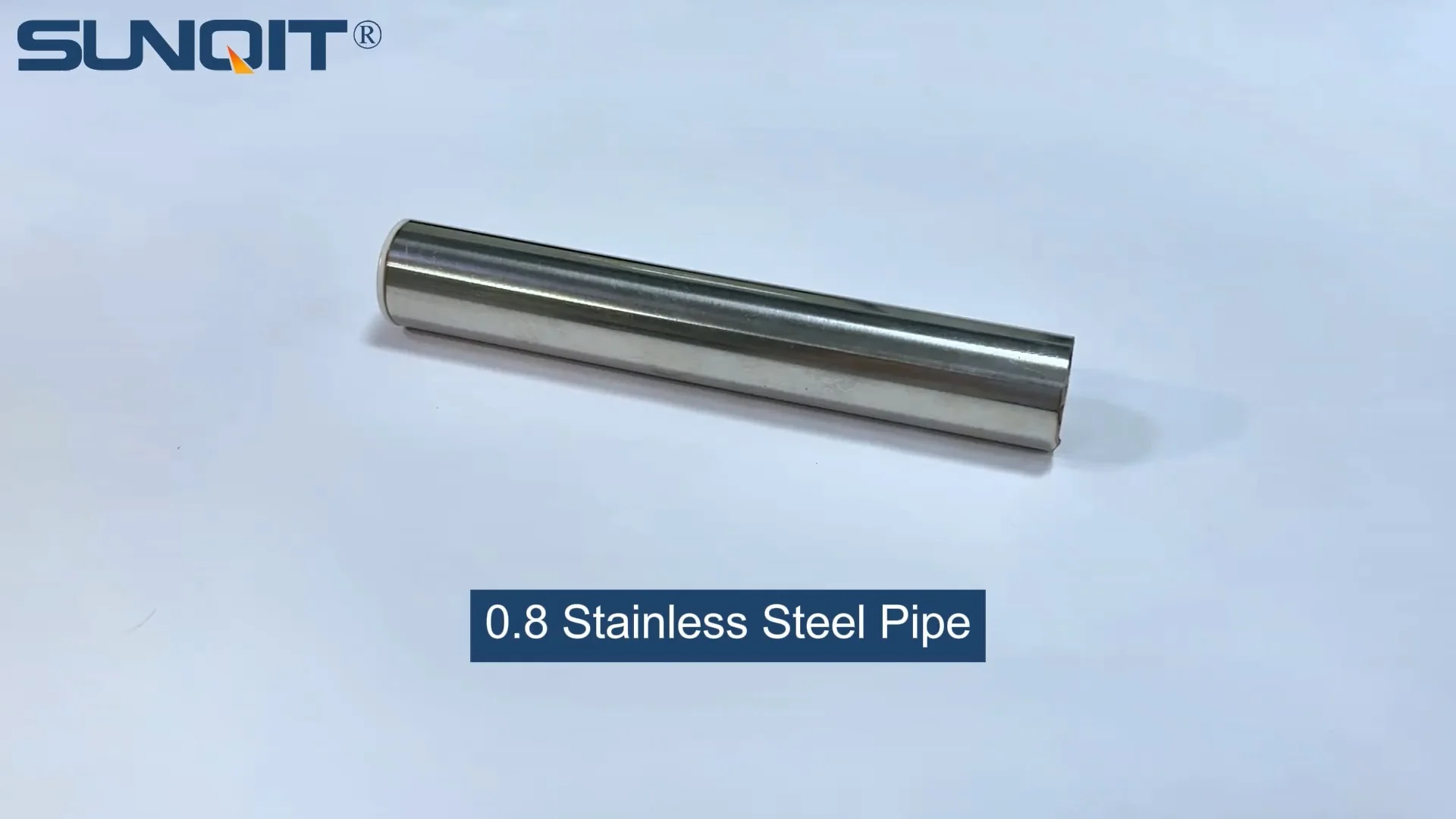
Comparing Installation Costs: 1.5mm Stainless Steel Pipe vs Aluminum in Workstations
In the fast-paced world of manufacturing, warehousing, and assembly lines, the workbench isn't just a piece of furniture—it's the backbone of productivity. Every decision, from the height of the surface to the materials used, impacts efficiency, safety, and ultimately, the bottom line. Among the most critical choices facility managers face is selecting the right piping material for constructing workstations. Two materials often rise to the top: 1.5mm stainless steel pipe and aluminum pipe. Both have their merits, but when it comes to installation costs—the often-overlooked cousin of upfront material expenses—the differences can be striking. Let's dive into a detailed comparison, exploring how each material stacks up in terms of labor, tools, accessories, and long-term value, to help you make the most cost-effective choice for your workbench needs.
Understanding the Basics: Why Piping Matters for Workstations
Before we crunch the numbers, let's clarify why piping is so central to workbench design. Modern workstations, especially those built for lean manufacturing systems, rely on modular piping systems to create flexible, customizable structures. These pipes form the frame of the workbench, supporting shelves, tool holders, conveyor tracks, and even caster wheels for mobility. The material of these pipes directly affects how easy (or difficult) it is to assemble, modify, and maintain the workstation over time.
1.5mm stainless steel pipe is prized for its strength and corrosion resistance, making it a staple in environments where durability is non-negotiable—think food processing or chemical plants. Aluminum pipe, on the other hand, is lighter, more malleable, and increasingly popular in industries like electronics and automotive, where agility and quick reconfiguration are key. But when it comes to installation, these differences translate into real dollars and hours on the clock.
Material Costs: The Upfront Investment
At first glance, many assume stainless steel is the more expensive option, but the reality is nuanced. Let's start with raw material prices. As of 2025, 1.5mm stainless steel pipe averages around $8–$12 per linear meter, depending on the supplier and quantity ordered. Aluminum pipe, often used in similar gauge (1.2mm–2.0mm for structural support), tends to cost slightly more per linear meter—around $10–$15. On paper, aluminum has a higher upfront material cost. But here's where the first installation-related variable comes into play: weight.
Stainless steel is dense—approximately 7.9 grams per cubic centimeter—while aluminum is significantly lighter at 2.7 grams per cubic centimeter. A 3-meter length of 1.5mm stainless steel pipe weighs roughly 1.1 kg, whereas an aluminum pipe of the same length and similar structural strength (say, 1.8mm thickness) weighs just 0.5 kg. This weight difference impacts shipping costs: transporting 100 meters of stainless steel pipe can cost 2–3 times more than the same length of aluminum, thanks to higher freight fees for heavier loads. For facilities ordering in bulk, this can add hundreds of dollars to the initial material budget, eroding stainless steel's per-meter price advantage.
Another factor is material efficiency. Aluminum's strength-to-weight ratio means you often need less material to achieve the same load-bearing capacity as stainless steel. For example, a workbench frame built with 1.5mm stainless steel pipe might require 20 meters of piping, while an aluminum frame could use 15 meters of 1.8mm pipe and still support the same weight. When you factor in the reduced quantity and lower shipping costs, aluminum's higher per-meter price often evens out—or even becomes cheaper—before installation ever begins.
Installation Labor: Time Is Money
If material costs are the appetizer, labor is the main course of installation expenses. Every hour a team spends assembling workbenches is an hour they're not focused on production, maintenance, or other critical tasks. Let's break down how stainless steel and aluminum compare in terms of labor intensity.
Weight and Handling
Stainless steel's heft makes it physically demanding to work with. A single 3-meter length of 1.5mm stainless steel pipe isn't unmanageable, but when assembling a workbench that requires 10–15 pipes (for legs, crossbars, and shelves), the cumulative weight adds up. Most teams need at least two workers to maneuver stainless steel pipes into place—one to hold the pipe steady, another to secure it. This doubles the labor cost per workbench compared to aluminum, which can often be handled by a single worker. For a project involving 20 workbenches, that's 20 extra worker-hours right off the bat.
Cutting and Shaping
Pipes rarely come pre-cut to the exact lengths needed for a workbench. Cutting stainless steel is no small feat: its hardness requires power tools like angle grinders or metal-cutting saws, which are not only noisy but also require trained operators to avoid mistakes. A single cut on a stainless steel pipe can take 2–3 minutes, and each cut needs to be precise to ensure proper fitting with joints or connectors. Mistakes mean wasted material—and more time spent recutting.
Aluminum, by contrast, is soft and easy to cut with basic hand tools. A hacksaw or a miter box can cleanly cut through aluminum pipe in 30–60 seconds per cut, even for someone with minimal training. This speed advantage adds up quickly. For a workbench requiring 8 cuts, stainless steel might take 16–24 minutes, while aluminum takes 4–8 minutes—a 75% reduction in cutting time. Over 10 workbenches, that's 2–3 hours saved, translating to $100–$150 in labor costs (assuming a $50 hourly wage).
Joining and Assembly
The way pipes are joined is perhaps the biggest driver of installation time. Stainless steel pipes are often welded together for a permanent, rigid connection. Welding is a skilled trade: a certified welder charges $25–$40 per hour, and each joint takes 5–10 minutes to prep, weld, and cool. A typical workbench has 12–15 joints, adding 1–2.5 hours of welding time per unit. Plus, welding requires a clean, well-ventilated area and safety gear (gloves, masks), which can further slow down the process.
Aluminum, on the other hand, relies on modular joints—think internal rotatary aluminum joint s, 90° aluminum pipe joint inside connection s, or parallel fixation aluminum pipe joint s—no welding required. These joints are designed to slide onto the pipe and secure with set screws or hex keys, taking just 1–2 minutes per joint to install. A worker with basic hand tools can assemble a workbench frame in under an hour, compared to 2–3 hours for a welded stainless steel frame. For a facility building 50 workbenches, this difference equals 50–100 hours of labor saved—enough to complete another small project or reallocate workers to more critical tasks.
Tools and Equipment: Investing in the Means to Build
Installation costs aren't just about labor and materials—they also include the tools needed to get the job done. Stainless steel assembly often requires specialized, high-cost equipment that many small to mid-sized facilities don't keep on hand.
For stainless steel, essential tools include:
- A metal-cutting bandsaw or angle grinder ($200–$500 to purchase, or $50–$100 per day to rent)
- A MIG or TIG welder ($500–$1,500 to purchase, or $80–$150 per day to rent)
- Welding rods, protective gear, and a ventilation system ($100–$200 for supplies)
- A pipe bender (for curved sections, $150–$300)
Aluminum, by contrast, can be assembled with basic hand tools that most facilities already own:
- A hacksaw or hand-held pipe cutter ($10–$30)
- A cordless drill with metal bits ($50–$100)
- Hex keys, screwdrivers, and a rubber mallet ($20–$50)
- A measuring tape and level ($15–$30)
For one-off projects, renting stainless steel tools can add $200–$300 to the installation budget. For ongoing work, purchasing the equipment means a significant upfront investment—money that could be redirected elsewhere. Aluminum's low tooling requirements make it accessible to teams with limited resources, reducing the barrier to entry for in-house assembly.
Accessories: The Little Things That Add Up
No workbench is complete without accessories: casters for mobility, shelves for storage, caster wheel s for maneuverability, and aluminum profile accessories for customization. Here again, aluminum offers cost advantages.
Stainless steel workbenches, due to their weight, require heavy-duty casters rated for 200–300 kg per set. These casters can cost $40–$60 per set, compared to standard-duty casters for aluminum workbenches ($15–$30 per set). Over 10 workbenches, that's $250–$300 saved on casters alone.
Aluminum also benefits from a vast ecosystem of standardized accessories designed for quick, tool-free installation. Aluminum profile s, for example, are compatible with a range of shelving brackets, tool hooks, and bin holders that clip directly into the T-slots of the profile—no drilling or welding needed. Stainless steel, being less modular, often requires custom-fabricated accessories, which are pricier and take longer to source. For a facility adding 5 shelves per workbench, aluminum accessories could save $10–$15 per shelf, or $50–$75 per workbench.
Long-Term Maintenance: Installation's Hidden Cost
While not strictly an installation cost, long-term maintenance ties back to how easily a workbench can be modified or repaired—an extension of the initial installation process. Lean manufacturing environments thrive on adaptability: reconfiguring workbenches to accommodate new products, scaling up production, or replacing worn parts. Here, aluminum's modular design shines.
If a stainless steel workbench needs to be shortened or a shelf added, it often requires cutting and rewelding—a process that's time-consuming and risks damaging the existing structure. Aluminum workbenches, however, can be disassembled and reassembled in minutes using the same internal rotatary aluminum joint s and connectors used during initial installation. A worker can reconfigure a section in under an hour, compared to half a day for stainless steel. Over the workbench's lifespan, these quick modifications add up to significant labor savings, making aluminum a more cost-effective choice for dynamic environments.
Corrosion resistance is another factor. Stainless steel is naturally corrosion-resistant, but its welded joints can develop rust if the protective chromium layer is damaged during installation (e.g., from welding spatter). Repairing rusted joints requires sanding, re-welding, and sealing—adding maintenance costs. Aluminum, while not as corrosion-resistant as stainless steel in extreme environments, forms a protective oxide layer that prevents rust, reducing the need for repairs. For most indoor manufacturing settings, aluminum's maintenance needs are minimal, further lowering its total cost of ownership.
Case Study: 10 Workbenches, Two Materials, One Bottom Line
To put these factors into concrete terms, let's walk through a hypothetical case study: a small electronics manufacturer needs to build 10 workbenches for its assembly line. We'll compare the total installation costs for 1.5mm stainless steel pipe versus aluminum pipe.
Stainless Steel Workbench Installation
Material Costs:
- 1.5mm stainless steel pipe: 20 meters per workbench * 10 workbenches = 200 meters * $10/meter = $2,000
- Shipping: 200 meters * 1.1 kg/m = 220 kg * $0.50/kg freight = $110
- Welding rods, protective gear: $200
Labor Costs:
- 2 workers * 3 hours per workbench * 10 workbenches = 60 hours * $50/hour = $3,000
- Welder (certified) * 2 hours per workbench * 10 workbenches = 20 hours * $35/hour = $700
Tool Costs:
- Welder rental: $100/day * 3 days = $300
- Angle grinder rental: $50/day * 3 days = $150
Accessories:
- Heavy-duty casters: 10 sets * $50/set = $500
- Custom steel shelves: 10 workbenches * 2 shelves * $40/shelf = $800
Total Installation Cost: $2,000 + $110 + $200 + $3,000 + $700 + $300 + $150 + $500 + $800 = $7,760
Material Costs:
- 1.5mm stainless steel pipe: 20 meters per workbench * 10 workbenches = 200 meters * $10/meter = $2,000
- Shipping: 200 meters * 1.1 kg/m = 220 kg * $0.50/kg freight = $110
- Welding rods, protective gear: $200
Labor Costs:
- 2 workers * 3 hours per workbench * 10 workbenches = 60 hours * $50/hour = $3,000
- Welder (certified) * 2 hours per workbench * 10 workbenches = 20 hours * $35/hour = $700
Tool Costs:
- Welder rental: $100/day * 3 days = $300
- Angle grinder rental: $50/day * 3 days = $150
Accessories:
- Heavy-duty casters: 10 sets * $50/set = $500
- Custom steel shelves: 10 workbenches * 2 shelves * $40/shelf = $800
Total Installation Cost: $2,000 + $110 + $200 + $3,000 + $700 + $300 + $150 + $500 + $800 = $7,760
Aluminum Workbench Installation
Material Costs:
- Aluminum pipe (1.8mm): 15 meters per workbench * 10 workbenches = 150 meters * $12/meter = $1,800
- Shipping: 150 meters * 0.5 kg/m = 75 kg * $0.50/kg freight = $37.50
- Aluminum joints (internal rotatary, 90° inside connection): 15 joints per workbench * 10 = 150 joints * $3/joint = $450
Labor Costs:
- 1 worker * 1 hour per workbench * 10 workbenches = 10 hours * $50/hour = $500
Tool Costs:
- No rental needed (tools owned): $0
Accessories:
- Standard casters: 10 sets * $25/set = $250
- Aluminum profile accessories (shelving brackets): 10 workbenches * 2 shelves * $15/shelf = $300
Total Installation Cost: $1,800 + $37.50 + $450 + $500 + $0 + $250 + $300 = $3,337.50
Material Costs:
- Aluminum pipe (1.8mm): 15 meters per workbench * 10 workbenches = 150 meters * $12/meter = $1,800
- Shipping: 150 meters * 0.5 kg/m = 75 kg * $0.50/kg freight = $37.50
- Aluminum joints (internal rotatary, 90° inside connection): 15 joints per workbench * 10 = 150 joints * $3/joint = $450
Labor Costs:
- 1 worker * 1 hour per workbench * 10 workbenches = 10 hours * $50/hour = $500
Tool Costs:
- No rental needed (tools owned): $0
Accessories:
- Standard casters: 10 sets * $25/set = $250
- Aluminum profile accessories (shelving brackets): 10 workbenches * 2 shelves * $15/shelf = $300
Total Installation Cost: $1,800 + $37.50 + $450 + $500 + $0 + $250 + $300 = $3,337.50
The result? Aluminum pipe workbenches cost just $3,337.50 to install, compared to $7,760 for stainless steel—a 57% reduction in total installation costs. Even with aluminum's higher per-meter material price, the savings in labor, shipping, tools, and accessories make it the clear budget winner.
Conclusion: Aluminum Pipe—The Smart Choice for Installation Cost Savings
When it comes to installing workbenches, 1.5mm stainless steel pipe offers undeniable durability, but aluminum pipe delivers superior value through lower installation costs. From lighter shipping weights and reduced labor hours to minimal tool requirements and modular accessories, aluminum's design prioritizes efficiency at every step of the assembly process. For most manufacturing, warehousing, and assembly environments—especially those embracing lean principles and frequent reconfiguration—aluminum pipe is the smarter investment, freeing up budget for other critical needs while still delivering a sturdy, reliable workbench.
At the end of the day, installation costs are about more than just the initial build—they're about the time, resources, and flexibility your team gains (or loses) in the process. With aluminum pipe, you're not just building workbenches; you're building a more efficient, adaptable workspace—one that grows with your business without breaking the bank.