- Company Articles
- Products and Technology
- Product knowledge
- Comparing Lean Pipe Clamp Chrome with Other Lean Tube Accessories

Comparing Lean Pipe Clamp Chrome with Other Lean Tube Accessories
Related Product
Lean Pipe Clamp Chrome
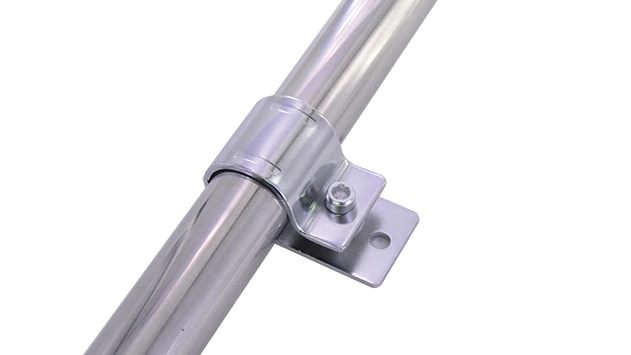
Lean pipe clamp is used for rack system hang monitor or other panel for workbenck, flowrack in production daily use.
Walk into any well-run manufacturing plant, warehouse, or assembly line, and you'll notice something subtle but powerful: the workspaces feel alive . They adapt to new tasks, flow with the rhythm of production, and reduce the little frustrations that add up over a shift. Behind that magic? It's not just big machinery or fancy software—it's the small, often overlooked components that hold everything together. Lean tube accessories, like the humble lean pipe clamp chrome , are the quiet architects of these efficient spaces. They're the reason a workbench can be reconfigured in an hour instead of a week, or a material rack can grow with demand without a complete overhaul.
In this article, we're diving deep into the world of lean tube accessories, with a focus on lean pipe clamp chrome —a staple in many facilities. We'll compare it to four other critical accessories: lean pipe joints , aluminum pipe accessories , roller track connectors , and caster accessories . By the end, you'll understand not just what each does, but how they work together to create workspaces that feel less like rigid structures and more like extensions of your team's needs.
First Things First: What is Lean Pipe Clamp Chrome, Anyway?
Let's start with the star of the show. Lean pipe clamp chrome is exactly what it sounds like: a clamp, typically made of steel with a chrome plating, designed to secure lean pipes (those versatile, often powder-coated tubes that form the backbone of lean systems) together. But to call it "just a clamp" is like calling a good wrench "just a tool"—it's the reliability and precision that make it indispensable.
Imagine a line worker named Maria, tasked with assembling small electronics. Her workbench needs to hold a soldering iron, a bin of components, and a tray for finished parts—all at the right height to avoid straining her shoulders. The frame of that workbench? Likely built with lean pipes, held together by lean pipe clamp chrome . What makes these clamps special? The chrome plating isn't just for shine; it resists rust in dusty or humid environments, so Maria's workbench stays sturdy even after months of cleaning and spills. The design is simple: a U-shaped bracket with a screw or lever that tightens around two pipes, creating a joint that's strong enough to hold tools but easy enough to loosen when Maria's team needs to add a shelf or reposition the bench.
But here's the kicker: these clamps are human-centered . They don't require special tools—just a hex key or a wrench most teams already have. They don't take hours to install, so Maria's supervisor can approve a change in the morning, and the team can implement it by lunch. In short, lean pipe clamp chrome is the reason lean systems live up to their name: "lean" not just in efficiency, but in how they empower people to adapt quickly.
Comparison 1: Lean Pipe Clamp Chrome vs. Lean Pipe Joints—Strength vs. Flexibility
If lean pipe clamp chrome is the "reliable friend" of lean systems, then lean pipe joints are the "versatile collaborators." At first glance, they might seem similar—both connect pipes—but their roles are distinct, and choosing the right one can make or break a workspace's adaptability.
Let's take a step back. Lean pipe joints are pre-formed connectors that allow pipes to meet at specific angles: 90 degrees, 45 degrees, T-junctions, even 180-degree straight connections. They're like puzzle pieces—slide a pipe into each end, tighten a screw, and you've got a joint. Common materials include plastic, steel, or aluminum, depending on the load they need to bear.
So when would you choose a joint over a lean pipe clamp chrome ? Let's say you're building a material rack for heavy boxes—think 50+ pounds per shelf. A lean pipe joint (especially a steel one) distributes weight more evenly across the connection, reducing the risk of the pipe bending over time. Joints are also great for standardized setups—if every workbench in your facility needs a 90-degree corner, using pre-made joints ensures consistency, so new team members can assemble them without guesswork.
But here's where lean pipe clamp chrome shines: flexibility. Suppose your team suddenly needs to add a diagonal brace to a rack to stabilize it, or angle a shelf at 30 degrees instead of 45. A clamp can secure pipes at any angle, not just the pre-drilled ones on a joint. For small-batch production or R&D labs where setups change weekly, clamps save the day. They're also easier to adjust on the fly—no need to unscrew and reposition a joint; just loosen the clamp, tweak the angle, and tighten again.
Another difference? Cost and durability. Chrome clamps are often more affordable than heavy-duty steel joints, making them ideal for temporary setups or low-budget projects. But joints, especially metal ones, can handle more wear and tear over time. It's a trade-off: clamps for adaptability, joints for reliability in fixed configurations.

Comparison 2: Lean Pipe Clamp Chrome vs. Aluminum Pipe Accessories—Lightweight vs. Heavy-Duty
In recent years, aluminum has become a buzzword in lean manufacturing, and for good reason. Aluminum pipes are lighter, resistant to corrosion, and often sleeker-looking than traditional steel lean pipes. But with aluminum pipes come aluminum pipe accessories —brackets, clamps, and connectors designed specifically for these lighter tubes. How do they stack up against lean pipe clamp chrome ?
Let's meet Raj, who manages a food packaging facility. His team uses material racks to move ingredients from the storage area to the packaging line. Steel lean pipes with chrome clamps worked, but the racks were heavy—two people needed to move them, which slowed things down. Then Raj switched to aluminum pipes with aluminum pipe accessories , like aluminum clamps and brackets. The difference was night and day: the racks weighed 40% less, so one person could reposition them, and the aluminum didn't rust when the floor was mopped, keeping the facility compliant with food safety standards.
Aluminum accessories excel in environments where weight and corrosion matter—think cleanrooms, food processing, or pharmaceutical labs. They're also popular in settings where aesthetics count, like customer-facing demo areas or offices with lean-inspired furniture. But here's the catch: aluminum isn't as strong as steel. A lean pipe clamp chrome can handle more weight (often up to 200+ pounds per joint) than an aluminum clamp, which might max out at 150 pounds. So if you're building a workbench for heavy machinery or a rack for metal parts, chrome clamps on steel pipes are still the way to go.
Another consideration? Compatibility. Lean pipe clamp chrome is designed for standard steel lean pipes (usually 28mm in diameter), while aluminum accessories are often made for smaller or differently sized tubes. Mixing them can lead to wobbly joints—something Raj learned the hard way when he tried using a steel clamp on an aluminum pipe and it slipped mid-shift. Moral of the story: match your accessories to your pipes, and choose based on the job's demands.
Comparison 3: Lean Pipe Clamp Chrome vs. Roller Track Connectors—Static vs. Dynamic Flow
So far, we've talked about accessories that hold things still —but what about moving materials? That's where roller track connectors come in. These specialized accessories link roller tracks (the grooved rails with wheels that let bins and boxes glide from one station to another) to lean pipe frames, creating gravity-fed or powered conveyor systems. How do they compare to lean pipe clamp chrome ?
Let's visit a automotive parts warehouse. In the receiving area, pallets of bolts and washers need to move from the dock to the picking stations. The team uses roller tracks mounted on a frame built with lean pipes. The connection between the track and the frame? Roller track connectors —small, L-shaped brackets that bolt the track to the pipes. These connectors are designed to keep the track level and secure, so boxes don't jam or tip as they roll. If they used lean pipe clamp chrome here, the track might wobble, leading to jams and delays.
Roller track connectors are all about precision. They often have slots or pre-drilled holes to align the track perfectly, ensuring a smooth flow. They're also built to handle lateral forces—when a heavy box hits the track, the connector absorbs the shock instead of letting the track shift. Lean pipe clamp chrome , on the other hand, is better for static connections. It can hold a shelf or a tool holder in place, but it lacks the specialized design to keep a moving track stable.
That said, the two often work together. The frame of the roller track system? Probably held together with lean pipe clamp chrome . The connectors attach the track to that frame. It's a partnership: clamps provide the backbone, connectors add the dynamic element. So while they serve different purposes, they're both critical to keeping materials moving efficiently.
Comparison 4: Lean Pipe Clamp Chrome vs. Caster Accessories—Stability vs. Mobility
Last but never least: mobility. A workspace that can't move is a workspace stuck in the past. That's where caster accessories come in—wheels, brakes, and mounts that turn static frames into mobile trolleys, workbenches, or racks. How do they stack up against lean pipe clamp chrome ?
Meet Carlos, who runs a small furniture assembly shop. His team builds custom tables, and each project has different tools and materials. Instead of building a separate workbench for every job, Carlos uses mobile carts with casters. The base of each cart is a lean pipe frame, held together with lean pipe clamp chrome , and mounted on caster accessories —heavy-duty wheels with brakes. When a new order comes in, the team rolls the cart to the assembly area, locks the brakes, and gets to work. At the end of the day, they unlock the brakes and roll the cart out of the way, freeing up floor space.
Caster accessories are all about movement, but they need a stable foundation to work. That's where lean pipe clamp chrome comes in. The clamps ensure the cart's frame doesn't wobble when it's rolled over uneven floors, preventing tools from falling off. The caster mounts (a type of caster accessory ) bolt to the frame, and the clamps reinforce the joints where the mounts attach, distributing the cart's weight evenly.
The key difference here is function: clamps keep the frame rigid, while caster accessories add movement. But they're interdependent. A cart with weak clamps will shake and loosen over time, even with the best casters. A frame with strong clamps but cheap casters will be hard to roll and prone to tipping. Together, they turn a static frame into a tool that adapts to your team's workflow.
Putting It All Together: A Quick Comparison Table
| Accessory | Primary Use | Key Strengths | Best For | Works Well With |
|---|---|---|---|---|
| Lean Pipe Clamp Chrome | Securing pipes at variable angles | Flexible, corrosion-resistant, easy to adjust | Reconfigurable workbenches, temporary setups | Lean pipes, lean pipe joints, caster accessories |
| Lean Pipe Joints | Connecting pipes at fixed angles (90°, 45°, etc.) | Even weight distribution, consistent setups | Heavy-duty racks, standardized workstations | Steel or aluminum lean pipes, workbench frames |
| Aluminum Pipe Accessories | Building lightweight, corrosion-resistant structures | Lightweight, rust-proof, sleek design | Cleanrooms, food processing, mobile carts | Aluminum pipes, aluminum profiles |
| Roller Track Connectors | Linking roller tracks to lean pipe frames | Precision alignment, shock absorption | Conveyor systems, gravity-fed material flow | Roller tracks, lean pipe frames, flow racks |
| Caster Accessories | Adding mobility to lean pipe structures | Easy movement, brake options, floor protection | Mobile workbenches, turnover trolleys | Lean pipe frames, lean pipe clamp chrome |
Final Thoughts: It's About the Workspace, Not Just the Parts
At the end of the day, lean tube accessories like lean pipe clamp chrome , lean pipe joints , and roller track connectors aren't just "parts." They're tools that shape how your team works. A well-chosen clamp reduces frustration when reconfiguring a workbench. A sturdy joint gives confidence that a rack won't collapse under weight. A smooth roller track connector keeps materials flowing, so your team can focus on what they do best—creating, building, and delivering.
The next time you walk through your facility, take a closer look at the frames, racks, and workbenches. Chances are, you'll spot lean pipe clamp chrome holding things together, working in harmony with other accessories to create a space that adapts to your needs. And when you need to make a change—whether it's adding a shelf, moving a cart, or building a new workstation—you'll know exactly which accessory to reach for. Because in the world of lean manufacturing, the smallest parts often make the biggest difference.