- Company Articles
- Products and Technology
- Product knowledge
- Comparing Lean Pipe Fixed Clamps from Top Manufacturers

Comparing Lean Pipe Fixed Clamps from Top Manufacturers
Related Product
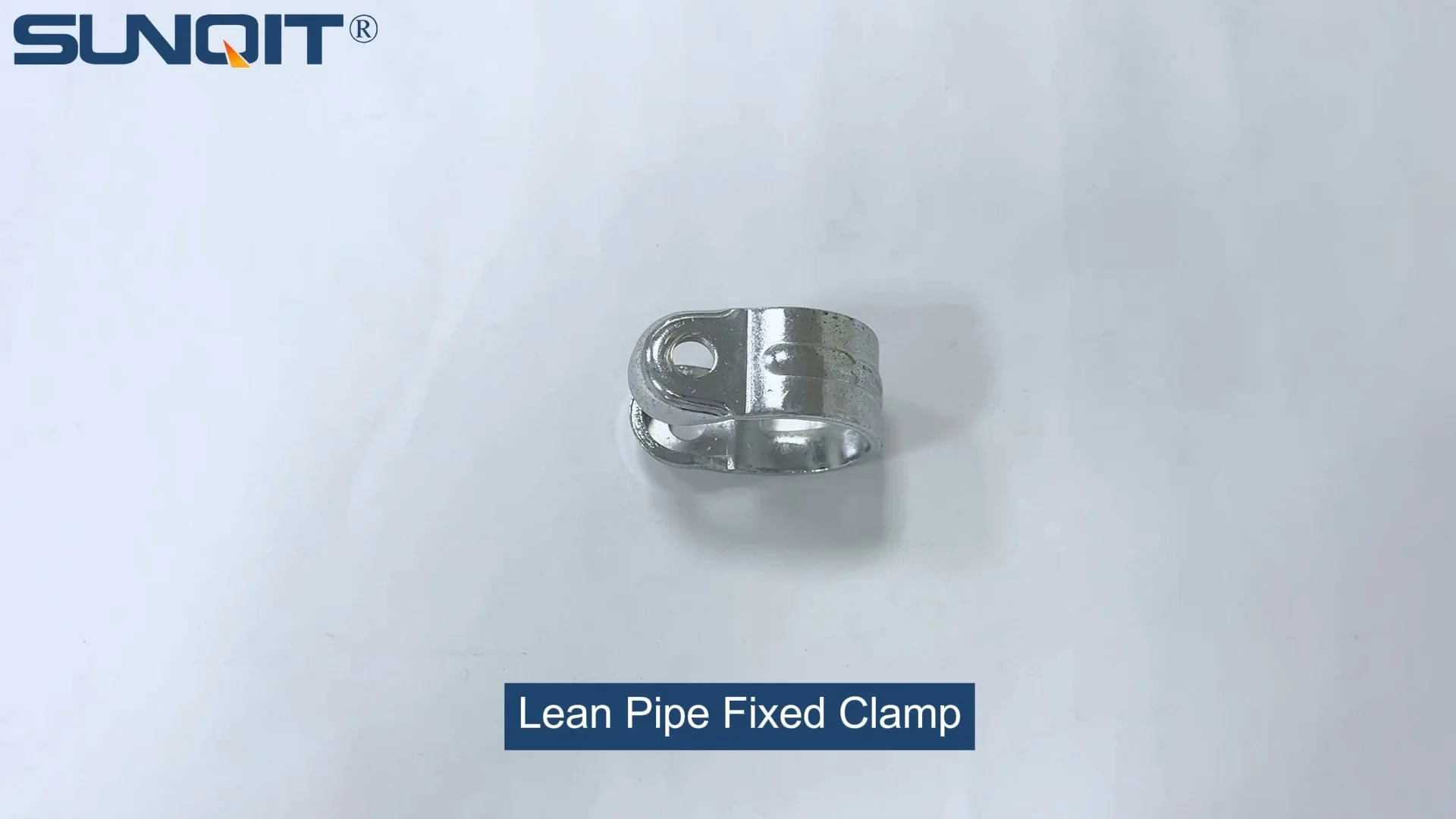
Lean Pipe Fixed Clamp
Lean pipe fixed clamp is used for pipe connector fixing the correct position during workbench flow rack hand trolley assemble work.
Walk into any modern manufacturing facility, warehouse, or assembly line, and you'll notice a common thread: efficiency. Every tool, every workbench, every rack is designed to reduce waste, streamline movement, and keep operations running like a well-oiled machine. At the heart of this efficiency lie lean systems—modular setups built from components like pipes, joints, and workbenches that adapt to changing needs. And if lean systems are the backbone of these operations, then lean pipe fixed clamps are the unsung heroes holding it all together.
Whether you're setting up a new production line, upgrading an existing workstation, or troubleshooting bottlenecks in your workflow, the right fixed clamp can make all the difference. But with so many manufacturers, materials, and designs on the market, how do you choose? In this guide, we'll dive deep into the world of lean pipe fixed clamps, breaking down what they are, why they matter, and how to compare options from top suppliers. We'll also explore key factors like material durability, compatibility with aluminum lean pipe and other components, and real-world performance—because when it comes to keeping your operations lean, the smallest details often have the biggest impact.
What Are Lean Pipe Fixed Clamps, Anyway?
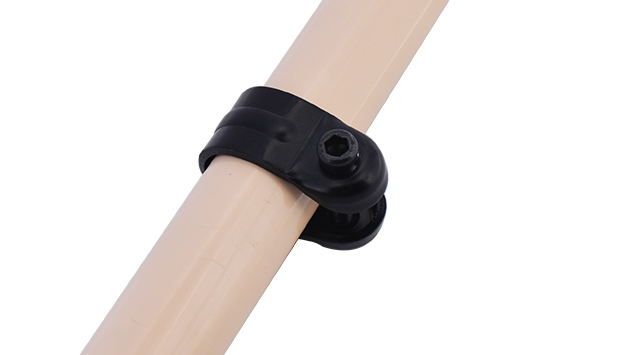
Let's start with the basics. Lean pipe fixed clamps are specialized connectors designed to secure lean pipes (also called "lean tubes") to joints, workbenches, racks, or other structures in a lean system. Think of them as the glue that turns individual pipes and profiles into functional workstations, material racks, or conveyor systems. Unlike adjustable clamps, which allow for rotation or movement, fixed clamps lock components in place—critical for stability when you need a rigid structure, like a heavy-duty workbench or a multi-tiered material rack.
You'll find these clamps everywhere lean principles are applied. In automotive plants, they hold together assembly line workstations where technicians bolt together engines. In electronics factories, they secure ESD-safe workbenches to prevent static damage to sensitive components. In warehouses, they're the reason those gravity-fed flow racks stay upright, even when loaded with boxes of inventory. Simply put, without reliable fixed clamps, your lean system is just a pile of pipes waiting to collapse.
Key Features to Compare When Shopping for Fixed Clamps
Not all fixed clamps are created equal. A clamp that works perfectly for a lightweight assembly table might fail miserably on a high-capacity roller track. To find the right fit, you'll need to compare options based on these critical features:
Material: The Foundation of Durability
Most fixed clamps are made from either steel, aluminum, or a combination of metals with plastic or rubber components. Steel clamps are known for strength—great for heavy loads—but they can rust if not coated. Aluminum clamps, on the other hand, are lightweight and corrosion-resistant, making them ideal for clean environments like food processing or pharmaceutical facilities. If you're using aluminum lean pipe (a popular choice for its versatility and modern look), you'll want clamps designed to pair with it seamlessly—mismatched materials can lead to loosening over time or even galvanic corrosion.
Load Capacity: How Much Weight Can It Handle?
This is non-negotiable. A clamp rated for 50kg won't cut it if your workstation regularly holds 100kg of tools and parts. Manufacturers should list load capacity clearly, but don't just take their word for it. Ask about testing standards—do they test for static loads (steady weight) or dynamic loads (weight with movement, like items sliding on a roller track)? A good rule of thumb: opt for a clamp with a load rating 20-30% higher than your maximum expected weight to account for unexpected stress.
Compatibility: Does It Play Well with Other Components?
Your lean system is a team, and clamps need to get along with lean pipe joints, aluminum profiles, and accessories. For example, a clamp designed for 28mm steel pipe might not fit a 30mm aluminum profile. Some manufacturers offer universal clamps, but "universal" often means "compromised"—they might fit multiple sizes but lack the tight grip of a dedicated clamp. If you're already using components from a specific lean pipe supplier, check if they offer matching clamps to ensure a snug, secure fit.
Ease of Installation: Time Is Money
Anyone who's spent hours fumbling with a stubborn clamp knows: installation time adds up. Look for clamps with tool-free or quick-assembly designs—think thumb screws or snap-on mechanisms. But balance speed with security: a clamp that's too easy to install might also be too easy to loosen. Some manufacturers include torque specifications (how tight to fasten the clamp) to prevent over-tightening, which can strip threads or warp the pipe.
Corrosion Resistance: Longevity in Tough Environments
If your facility is humid (like a food warehouse), exposed to chemicals (like a automotive paint shop), or outdoors, corrosion resistance is a must. Steel clamps often come with zinc plating or powder coating to fight rust, while aluminum clamps naturally resist corrosion. For extreme environments, some suppliers offer stainless steel clamps—pricier, but worth it if you want to avoid replacing clamps every few months.
At-a-Glance Comparison: Common Clamp Types
| Clamp Material | Typical Load Capacity | Best For | Corrosion Resistance | Price Range (per unit) |
|---|---|---|---|---|
| Zinc-Plated Steel | 80-150kg | Heavy workbenches, industrial racks | Moderate (needs dry environment) | $3-$8 |
| Aluminum Alloy | 50-100kg | Clean rooms, aluminum lean pipe systems | High (no rust) | $5-$12 |
| Stainless Steel | 100-200kg | Food processing, marine environments | Excellent | $10-$20 |
| Steel + Plastic Coating | 60-120kg | ESD workstations, electronics assembly | High (plastic resists chemicals) | $4-$9 |
Material Deep Dive: Steel vs. Aluminum Lean Pipe Clamps
The debate between steel and aluminum clamps is as old as lean manufacturing itself. Both have pros and cons, and the "better" choice depends on your needs. Let's break it down:
Steel Clamps: The Workhorses
Steel clamps are the traditional choice for a reason: they're tough. A well-made steel clamp can handle heavy loads without bending, making them perfect for industrial settings where durability is king. They're also cheaper than aluminum, which is a plus if you're outfitting a large facility on a budget. However, steel is heavy—if you need to frequently reconfigure your lean system (like rearranging workstations for a new product line), those extra pounds add up. And without proper coating, steel clamps will rust, which is a dealbreaker in wet or humid environments.
Aluminum Clamps: The Lightweight Innovators
Aluminum clamps have surged in popularity thanks to the rise of aluminum lean pipe systems. Aluminum is 30% lighter than steel, so reconfiguring your workspace is easier—no need for a forklift to move a workstation! It also resists corrosion naturally, so you won't have to worry about rust stains on your products or equipment. Aluminum clamps are often smoother and more aesthetically pleasing, which matters in facilities that prioritize a clean, modern look (like tech startups or customer-facing warehouses). The downside? They're pricier than steel, and while strong, they can't match steel's raw load capacity. For most mid-weight applications, though, aluminum is more than up to the task.
Pro tip: If you're torn, consider a hybrid approach. Use steel clamps for your heaviest structures (like multi-tiered material racks) and aluminum clamps for lighter, frequently reconfigured setups (like assembly line workstations). Many lean pipe suppliers offer both options, so you can mix and match without sacrificing compatibility.

What to Look for in a Lean Pipe Supplier
Your clamp is only as good as the supplier behind it. A cheap clamp from a fly-by-night manufacturer might save you money today, but it'll cost you in downtime tomorrow when it fails. Here's what to look for in a reputable lean pipe supplier:
Quality Control: Do They Test Their Products?
Ask about testing protocols. Do they perform load tests on every batch of clamps? Check for dimensional accuracy to ensure a tight fit with pipes and joints? A reliable supplier will be happy to share test reports or certifications (like ISO 9001) to back up their claims. Avoid suppliers who vague on details—if they can't tell you how they test their clamps, they probably don't test them at all.
Customization: Can They Tailor Clamps to Your Needs?
Maybe you need a clamp with a longer bolt to fit a thick pipe, or a special coating for ESD protection. The best suppliers offer customization options, whether it's modifying an existing design or creating a new clamp from scratch. This is especially important if you're working with non-standard pipe sizes or unique environmental challenges (like extreme temperatures).
Customer Support: Will They Help You Troubleshoot?
Even the best clamps can cause headaches if you're not sure how to install them. Look for suppliers with responsive customer support—preferably with technical experts on staff who can answer questions about load capacity, compatibility, or installation. Some suppliers even offer on-site consultations to help you design your lean system, ensuring you pick the right clamps from the start.
Inventory and Lead Times: Can They Deliver When You Need It?
There's nothing worse than halting production because you're waiting on a shipment of clamps. Check if the supplier keeps popular clamp sizes in stock, and ask about lead times for custom orders. A supplier with a global distribution network or local warehouses will likely have faster delivery times, minimizing downtime.

Real-World Performance: Case Studies
Numbers and specs tell part of the story, but real-world performance is what matters. Let's look at two scenarios where choosing the right clamp made all the difference:
Case Study 1: Automotive Plant Eliminates Downtime with Aluminum Clamps
A mid-sized automotive parts manufacturer was struggling with their assembly line workstations. They'd been using zinc-plated steel clamps, but after a few months, the clamps would loosen, causing the workbenches to wobble. Technicians had to stop production every week to retighten them, costing hours of lost time. The facility is also humid, so rust was starting to form on the steel clamps, leaving marks on the parts.
They switched to aluminum clamps from a local lean pipe supplier. The aluminum clamps were lighter, so repositioning workstations for new product runs was faster. They also resisted rust, eliminating those unsightly marks. Best of all, the aluminum clamps held tight—after six months, not a single workstation needed retightening. The plant estimates the switch saved them 120+ hours of downtime per year.
Case Study 2: Warehouse Boosts Safety with Stainless Steel Clamps
A beverage distributor uses gravity flow racks to store cases of soda and beer. Their old steel clamps were starting to rust from the warehouse's high humidity, and one rack even collapsed when a rusted clamp failed, spilling cases and injuring an employee. The distributor needed a solution that could handle heavy loads (each shelf holds 300kg) and resist corrosion.
They opted for stainless steel clamps from a supplier specializing in food-grade equipment. The stainless steel clamps didn't rust, even in the humid environment, and their higher load capacity (200kg per clamp) gave the racks extra stability. A year later, there have been zero clamp failures, and employee confidence in the racks is higher than ever.
Buyer's Checklist: Questions to Ask Before You Buy
Ready to start shopping? Use this checklist to vet suppliers and ensure you're getting the best clamp for your needs:
- What material is the clamp made from, and is it compatible with my existing lean pipe (e.g., aluminum lean pipe, steel pipe)?
- What is the clamp's maximum load capacity, and how was it tested (static vs. dynamic load)?
- Does the clamp come with a warranty? If so, what does it cover (defects, failure, etc.)?
- Can you provide test reports or certifications for quality and safety?
- What's the lead time for standard orders? For custom orders?
- Do you offer samples? (Always test a sample clamp with your pipes and joints before buying in bulk!)
- What kind of customer support do you provide? (e.g., technical help, installation guides)
Final Thoughts: Don't Overlook the Little Things
It's easy to get caught up in the big-ticket items when building a lean system—like fancy workbenches or automated conveyor belts. But as we've seen, the smallest components, like fixed clamps, can have the biggest impact on efficiency, safety, and bottom-line results. A cheap, poorly made clamp might save you a few dollars today, but it could cost you in downtime, repairs, or even accidents tomorrow.
When comparing options, focus on material, load capacity, compatibility, and the reputation of the lean pipe supplier. And remember: the best clamp isn't the most expensive or the strongest—it's the one that fits your unique needs. Whether you're outfitting a small workshop or a large factory, taking the time to choose the right fixed clamp will pay off in smoother operations, happier employees, and a lean system that grows with your business.