- Company Articles
- Products and Technology
- Product knowledge
- Comparing Materials: Steel vs. Aluminum 40 Roller Track Placon Mount Flat

Comparing Materials: Steel vs. Aluminum 40 Roller Track Placon Mount Flat
Related Product
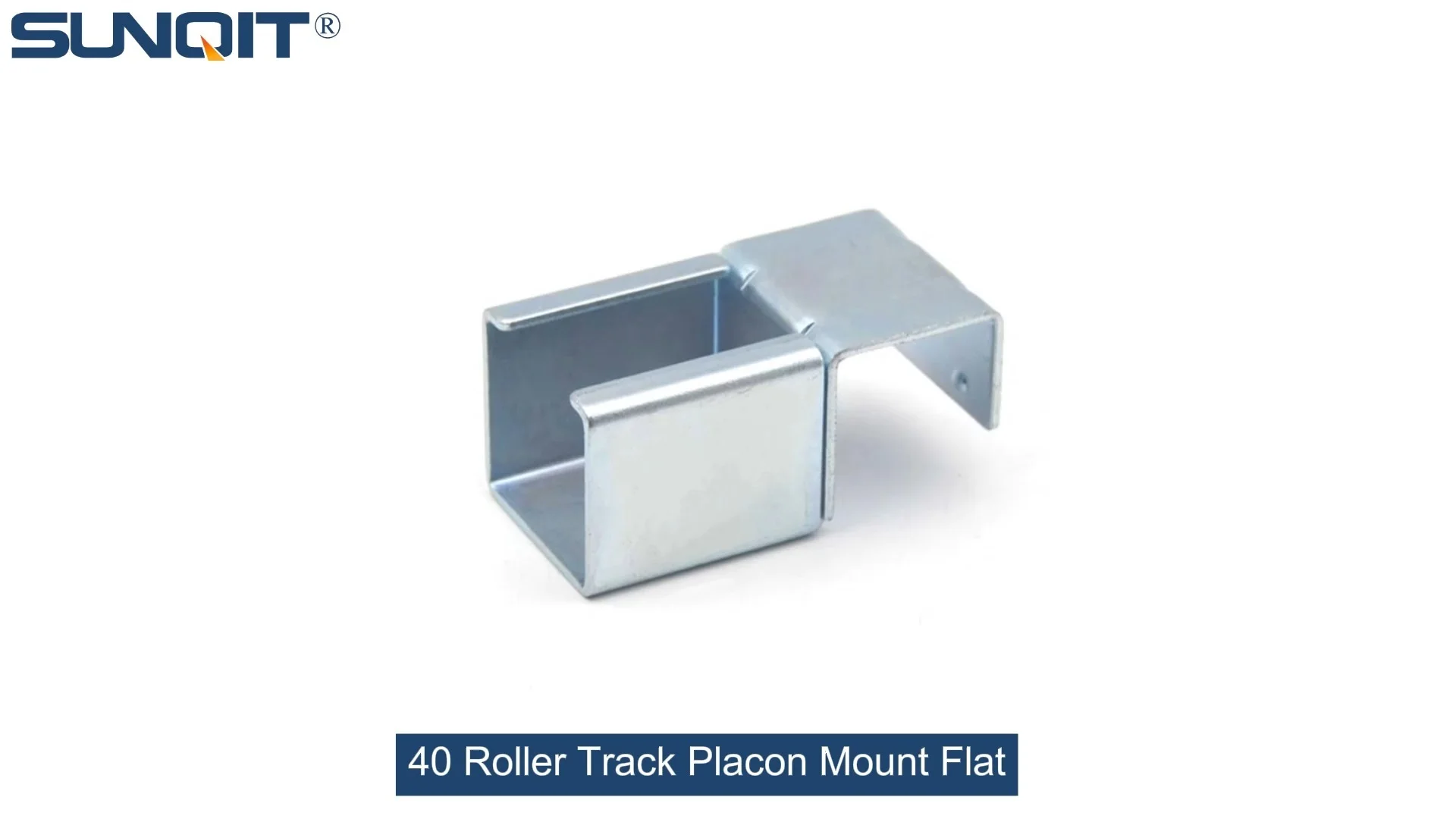
40 Roller Track Placon Mount Flat
Roller track placon mount work as a connector for roller track and pipe or aluminum profile in rack syetem, it is a necessary parts in rack system which widely used in industrial plant and logistic,warehouse storage.
Introduction: The Unsung Hero of Manufacturing Flow
Walk into any modern factory, and you'll notice a silent network keeping things moving: conveyor systems, workbenches, and roller tracks that make sure parts and products glide from one station to the next without a hitch. Among these, the 40 Roller Track Placon Mount Flat stands out as a workhorse—quietly handling the daily grind of material transport in industries from automotive to electronics. But here's the thing: not all roller tracks are created equal. The choice between steel and aluminum can make a big difference in how well your track performs, how long it lasts, and even how much it costs over time. Let's break down what makes these two materials tick, and help you decide which one fits your needs best.
First, let's get clear on what we're talking about. The 40 Roller Track Placon Mount Flat is a type of linear track system designed to mount directly onto aluminum profiles or workbenches, using placon mounts for stability. It's used to move everything from small electronic components to heavier mechanical parts, and its "40" designation refers to the standard size that fits most common industrial setups. Now, the material—steel or aluminum—isn't just about looks; it affects weight, durability, corrosion resistance, and even how easy it is to install. So, whether you're setting up a new production line or upgrading an old one, choosing the right material matters.
Material Basics: Steel vs. Aluminum—What Makes Them Different?
Before we dive into performance, let's start with the fundamentals. Steel and aluminum are both metals, but they're like distant cousins in the material world—each with its own personality and strengths.
Steel: The Heavyweight Champion
Steel is the classic choice for industrial equipment, and for good reason. Made primarily from iron and carbon, it's known for being tough, dense, and strong. Think of it as the "bulldog" of materials—built to handle heavy loads and resist bending or warping under pressure. Most steel roller tracks are made from low-carbon steel (mild steel) or, for extra strength, high-strength steel alloys. To protect against rust, they're often coated with zinc (galvanized) or painted, though some are left uncoated for specific applications where friction is a concern.
Aluminum: The Lightweight Contender
Aluminum, on the other hand, is the "greyhound" of the bunch—lightweight, agile, and surprisingly resilient. It's the most abundant metal in the Earth's crust, but when processed into alloys (mixed with small amounts of copper, magnesium, or silicon), it becomes strong enough to compete with steel in many scenarios. Aluminum has a natural advantage: its surface forms a thin layer of aluminum oxide when exposed to air, which acts as a built-in shield against corrosion. That means it rarely needs extra coatings, making it a favorite in environments where moisture or chemicals are present.
Quick Fact: Aluminum is about 1/3 the weight of steel. A 1-meter section of steel 40 Roller Track Placon Mount Flat might weigh 5-7 kg, while the same length in aluminum could be as light as 1.5-2 kg. That difference adds up fast when you're installing long stretches of track!

Head-to-Head: Key Performance Factors
Now, let's put steel and aluminum head-to-head in the areas that matter most for your operation: load capacity, durability, installation, and more. We'll use real-world scenarios to see how each material stacks up.
1. Load Capacity: How Much Can They Handle?
When it comes to carrying weight, steel has long been the go-to. Thanks to its high density and tensile strength, a steel 40 Roller Track Placon Mount Flat can typically handle heavier loads than its aluminum counterpart. For example:
- Steel (1.5mm thickness): Often rated for loads up to 150 kg per linear meter, making it ideal for bulky items like automotive engine parts or large appliance components.
- Aluminum (2mm thickness): Usually tops out around 80-100 kg per linear meter. While that's less than steel, it's more than enough for most small to medium parts, like circuit boards or medical device components.
But here's a catch: aluminum's strength-to-weight ratio is actually higher than steel's. That means an aluminum track can carry nearly as much weight as a steel one while weighing significantly less. So, if your application doesn't require maximum load capacity, aluminum might be the smarter choice for reducing overall system weight.
2. Durability: Fighting Rust, Wear, and Tear
Manufacturing environments can be tough: humidity, oils, coolants, and even occasional bumps from forklifts. How do steel and aluminum hold up?
Steel: Without proper treatment, steel is prone to rust—especially in damp or chemical-rich settings. Most steel tracks come with a galvanized coating or powder finish to fight corrosion, but over time, scratches or dents can expose the underlying metal, leading to rust spots. In dry, indoor environments (like a warehouse), this might not be a big issue, but in food processing or pharmaceutical facilities where moisture is common, steel needs regular maintenance to stay in shape.
Aluminum: Remember that natural oxide layer we mentioned earlier? It's a game-changer. Aluminum tracks resist rust and corrosion without any extra coatings, making them perfect for humid environments or areas where cleaning with water or chemicals is routine. They're also less likely to dent from minor impacts, though they can scratch more easily than steel. However, those scratches don't compromise the material's integrity—unlike steel, where a scratch can lead to bigger rust problems.
3. Installation: Ease and Efficiency
Anyone who's ever installed industrial equipment knows: the heavier the parts, the harder the job. Here's how steel and aluminum compare when it comes to getting your track up and running:
Steel: Its weight is both a strength and a weakness. A single worker might struggle to lift a 3-meter steel track, requiring extra labor or equipment (like a small crane or lift) to position it correctly. This can slow down installation and increase labor costs, especially for large-scale projects.
Aluminum: Lightweight and easy to handle, aluminum tracks can often be installed by one or two people without heavy tools. This not only speeds up the process but also reduces the risk of injury during setup. Plus, aluminum's malleability makes it easier to cut or adjust on-site if measurements are slightly off—no need for specialized cutting equipment that steel sometimes requires.
4. Maintenance: Long-Term Care and Cost
Initial cost is just one part of the equation; long-term maintenance matters too. Let's break it down:
Over time, aluminum's lower maintenance needs can save you money—even if the initial cost is higher than steel.

Application Scenarios: Which Material Fits Which Industry?
To really understand the difference, let's look at how steel and aluminum 40 Roller Track Placon Mount Flat perform in specific industries. After all, what works for a car factory might not be right for a medical device plant.
Steel: Best for Heavy-Duty, Dry Environments
Steel shines in settings where raw strength is non-negotiable. Here are a few examples:
- Automotive Manufacturing: Car parts like axles, transmissions, and body panels are heavy—often exceeding 100 kg. Steel tracks handle these loads with ease, even in high-volume assembly lines where reliability is critical.
- Heavy Machinery: Factories producing industrial equipment (like pumps or generators) rely on steel tracks to move large, dense components without bending or warping.
- Dry Warehouses: In indoor warehouses with low humidity, steel tracks can last for decades with minimal maintenance, making them a cost-effective choice for long-term storage and retrieval systems.
Aluminum: Ideal for Light-to-Medium Loads and Corrosive Environments
Aluminum comes into its own in industries where weight, corrosion resistance, or precision is key:
- Electronics and 3C Assembly: Companies producing smartphones, laptops, or circuit boards need tracks that won't scratch delicate parts. Aluminum's smooth surface and lightweight design make it perfect for these applications, and its corrosion resistance ensures it stays clean in static-controlled environments (often paired with ESD workbenches).
- Medical Device Manufacturing: Medical facilities and device plants require strict hygiene standards. Aluminum tracks are easy to sanitize, resist corrosion from cleaning chemicals, and won't contaminate sterile environments—critical for tools like surgical instruments or diagnostic equipment.
- Food Processing (Light Duty): While stainless steel is more common in food production, aluminum tracks work well for dry food packaging lines (like cereal boxes or snack bags) where moisture is minimal but corrosion resistance is still important.
Real-World Example: A leading electronics manufacturer in China recently switched from steel to aluminum 40 Roller Track Placon Mount Flat for their circuit board assembly line. The result? Installation time dropped by 40% (thanks to lighter tracks), and maintenance costs fell by 25% over two years, since they no longer needed to repaint rusted sections. Plus, the lighter system put less strain on their conveyor motors, extending their lifespan too.

Cost Analysis: Initial Price vs. Long-Term Value
Let's talk numbers—because at the end of the day, budget matters. Steel tracks often have a lower upfront cost than aluminum ones. For example, a 3-meter section of steel 40 Roller Track Placon Mount Flat might cost $20-$30, while aluminum could run $35-$45 for the same length. But before you choose steel based solely on price, consider the total cost of ownership (TCO).
Steel TCO: Lower initial cost, but higher maintenance. Over 5 years, you might spend $10-$15 per meter on rust treatments, repainting, or replacing corroded parts. In humid areas, this could be even higher.
Aluminum TCO: Higher upfront cost, but minimal maintenance. Over 5 years, maintenance costs might be as low as $2-$5 per meter (mostly for cleaning and occasional roller replacement). Add in savings from easier installation (lower labor costs) and longer lifespan, and aluminum often becomes the more cost-effective choice over time—especially in harsh or high-moisture environments.
And let's not forget energy costs. If your roller track is part of a motorized conveyor system, the lighter weight of aluminum can reduce the load on motors, cutting electricity use by 10-15% compared to steel tracks. That might not sound like much, but over months and years, it adds up.
Sustainability: Aligning with Lean Manufacturing Principles
Today's manufacturers aren't just focused on efficiency—they're also prioritizing sustainability. Both steel and aluminum are recyclable, but aluminum has a clear edge when it comes to environmental impact:
- Recycling Energy: Recycling aluminum uses just 5% of the energy needed to produce new aluminum from raw ore. Steel recycling is also efficient, but it still requires more energy than aluminum.
- Lean Solution Compatibility: Aluminum tracks align perfectly with lean solution principles like "reusable" and "sustainable improvement." They're easy to disassemble, reconfigure, and reuse when production lines change—reducing waste and keeping materials in use longer.
- Lightweight Shipping: Aluminum's low weight means lower fuel consumption during transportation, cutting carbon emissions from delivery trucks.
For companies aiming to reduce their carbon footprint or meet sustainability goals, aluminum is often the more aligned choice.
How to Choose: A Quick Decision Guide
Still on the fence? Ask yourself these questions to narrow it down:
- What's the maximum load per linear meter? If over 100 kg, go steel. Under 100 kg, aluminum works.
- Is the environment humid or corrosive? Aluminum is better for moisture, chemicals, or frequent cleaning.
- How important is installation speed and labor cost? Aluminum is lighter and faster to install.
- What's your long-term maintenance budget? Aluminum saves on upkeep over time.
- Are sustainability or weight reduction goals a priority? Aluminum aligns better with lean and green initiatives.
When in doubt, consider a hybrid approach: use steel tracks for heavy-load zones and aluminum for lighter, more corrosive areas. Many manufacturers mix and match to balance performance and cost.
Conclusion: The Right Tool for the Job
At the end of the day, there's no "best" material—only the best material for your needs. Steel 40 Roller Track Placon Mount Flat is the heavyweight champion, ideal for maximum load capacity and dry, industrial environments. Aluminum, on the other hand, is the agile contender: lightweight, corrosion-resistant, and cost-effective over time for lighter loads and sustainability-focused operations.
Whether you're building a new conveyor system or upgrading an existing one, the key is to match the material to your specific application. And remember: the 40 Roller Track Placon Mount Flat is just one part of a larger lean system —one that should work as hard as your team does to keep production flowing smoothly, efficiently, and sustainably.
So, take a look at your factory floor, talk to your team about their daily challenges, and choose the material that will keep your operation moving forward—today, tomorrow, and for years to come.