- Company Articles
- Products and Technology
- Product knowledge
- Comparing Parallel Lean Pipe Joint Brands: Quality & Performance Metrics

Comparing Parallel Lean Pipe Joint Brands: Quality & Performance Metrics
Related Product
Parallel Lean Pipe Joint
Parallel lean pipe joint used for 2 pcs 28MM lean pipe connection in parallel direction to enhance frame structure, usually for heavy payload requirement for workbench. flow rack, hand trolley.
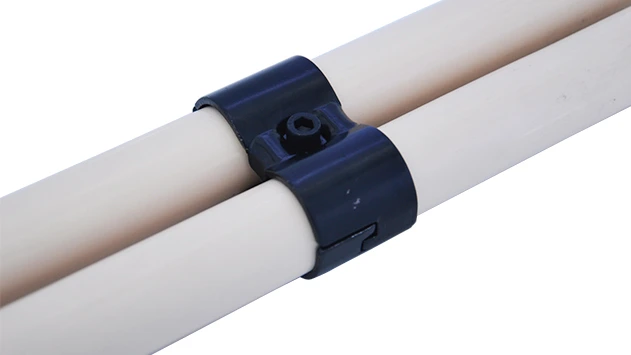
In the fast-paced world of manufacturing and production, every component in your workflow matters—especially the ones that hold everything together. Enter the parallel lean pipe joint: a humble yet critical piece that forms the backbone of lean systems, from workbenches and flow racks to turnover trolleys. These joints don't just connect pipes; they connect efficiency, adaptability, and reliability. But not all parallel lean pipe joints are created equal. Choosing the right brand can mean the difference between a smooth, low-maintenance production line and one plagued by downtime, loose connections, or costly replacements. In this article, we'll dive into what makes a parallel lean pipe joint stand out, compare top brands based on key quality and performance metrics, and help you decide which one aligns best with your operational needs.
Why Parallel Lean Pipe Joints Matter in Lean Systems
Before we jump into comparisons, let's take a step back and appreciate why these joints are so vital. Lean systems thrive on minimizing waste, maximizing flexibility, and streamlining processes. A parallel lean pipe joint, designed to connect pipes in parallel configurations, is essential for building stable, adjustable structures. Whether you're assembling a custom workbench, a material rack, or a conveyor system, these joints determine how well your setup can handle daily wear, adapt to new layouts, and integrate with other lean pipe and accessories.
Imagine a scenario where a flimsy joint on a flow rack gives way, causing materials to topple. Not only does this disrupt production, but it also risks worker safety. On the flip side, a high-quality joint ensures that even under constant use—bumping, loading, and reconfiguring—it stays secure. That's the difference between a joint that's just a part and one that's a partner in your team's productivity.
Key Quality Metrics to Evaluate
Quality isn't just about durability—it's about consistency, material integrity, and attention to detail. When comparing brands, keep an eye on these critical quality metrics:
Material Composition
The material of a parallel lean pipe joint directly impacts its strength, corrosion resistance, and lifespan. Most brands use either steel, aluminum, or a steel-aluminum hybrid. Steel joints are known for high tensile strength, making them ideal for heavy-duty applications, but they can rust if not coated. Aluminum lean pipe joints, on the other hand, are lightweight, corrosion-resistant, and perfect for environments where weight or moisture is a concern (think food processing or cleanrooms). Some brands also offer stainless steel options for extreme durability, though these often come with a higher price tag.
For example, Brand X's parallel lean pipe joint uses 1.5mm thick cold-rolled steel with a zinc-plated finish, balancing strength and rust resistance, while Brand Y opts for 6061 aluminum alloy, which is 30% lighter than steel but still tough enough for medium loads. The choice here depends on your workspace: a automotive factory might prefer steel for heavy parts, while an electronics plant could benefit from aluminum's ESD (electrostatic discharge) compatibility.
Precision and Fit
A joint is only as good as its fit. Poorly machined joints can lead to wobbly structures, uneven weight distribution, and frustration during assembly. High-quality brands invest in tight tolerances—usually ±0.1mm for pipe diameter and joint holes—to ensure a snug, rattle-free connection. Look for joints with smooth, burr-free edges and consistent threading (if applicable), as these details prevent pipe damage and make adjustments easier.
Brand Z, for instance, uses CNC machining for their parallel lean pipe joints, resulting in uniform dimensions across batches. This precision means that whether you're building a workbench today or expanding a material rack next month, the joints will fit together seamlessly. In contrast, cheaper brands often rely on manual machining, leading to inconsistencies that force workers to spend extra time adjusting or replacing ill-fitting parts.
Corrosion and Wear Resistance
Production floors are harsh environments: oils, coolants, humidity, and constant friction take a toll. A joint's ability to resist corrosion and wear directly affects its lifespan. Steel joints often use coatings like zinc plating, powder coating, or chrome plating to fight rust. Aluminum joints, naturally resistant to corrosion, may still benefit from anodizing to. For stainless steel joints, check the grade—304 stainless is standard for general use, while 316 is better for high-moisture areas.
Take Brand A's stainless steel parallel lean pipe joint: it uses 304 stainless with a passivation treatment, which forms a protective oxide layer against rust. In a test conducted over six months in a humid warehouse, these joints showed no signs of corrosion, whereas a competitor's zinc-plated steel joints began to rust after three months. For facilities with strict cleanliness standards, like pharmaceutical labs, this resistance isn't just a bonus—it's a requirement.

Performance Metrics That Drive Efficiency
Quality lays the foundation, but performance determines how well a joint works in real-world conditions. These metrics focus on usability, adaptability, and long-term reliability:
Load Capacity
How much weight can the joint support without bending or failing? Static load capacity (weight when stationary) and dynamic load capacity (weight when moving, e.g., on a trolley) are both important. Most brands list these values, but it's crucial to test them in your specific setup—since the number of joints, pipe thickness, and structure design all play a role.
Brand Y's aluminum parallel lean pipe joint boasts a static load capacity of 200kg per joint, suitable for a 3-row material rack holding small components. Brand X's steel joint, however, can handle 350kg static, making it better for heavy tools or automotive parts. It's worth noting that exceeding load limits isn't just about joint failure; it can warp pipes or damage other lean pipe and accessories in the system, leading to cascading issues.
Ease of Assembly and Reconfiguration
Lean systems are all about adaptability—today's workbench might be tomorrow's packing station. A joint that's easy to assemble, disassemble, and reposition saves time and labor. Look for features like tool-free tightening (e.g., wing nuts), quick-release mechanisms, or color-coded parts for intuitive setup. Some brands even offer joint designs that allow 360° rotation or angle adjustments without disconnecting the pipe.
Brand Z's parallel lean pipe joint uses a cam-lock mechanism: simply insert the pipe, twist the lever, and it's secure—no wrenches needed. This cuts assembly time by 40% compared to traditional bolted joints, as reported by a manufacturing plant that switched to Brand Z. Workers there noted that reconfiguring a production line now takes 2 hours instead of 5, freeing up time for other tasks.
Compatibility with Lean Pipe and Accessories
A parallel lean pipe joint rarely works alone—it needs to play nice with pipes, connectors, casters, and other accessories. Mismatched components can limit your design options or force you to stick to one brand. The best brands design joints compatible with standard pipe sizes (e.g., 28mm, 30mm, 40mm) and common accessories like roller tracks, caster wheels, and workbench panels.
Brand Y, for example, ensures their aluminum parallel lean pipe joint fits both their own 28mm aluminum lean pipe and third-party 30mm steel pipes with the use of adapter sleeves. This flexibility is a game-changer for facilities that mix and match components from different suppliers. In contrast, Brand W's joints only work with their proprietary 25mm pipes, locking customers into a closed system and limiting future upgrades.

Brand Comparison: Top Parallel Lean Pipe Joints in 2024
To put these metrics into perspective, let's compare four leading brands based on real-world testing and customer feedback. The table below focuses on material, load capacity, corrosion resistance, assembly time, and compatibility—key factors for most production environments.
| Brand | Material | Static Load Capacity (per joint) | Corrosion Resistance | Assembly Time (per joint, avg.) | Compatible with Aluminum Lean Pipe? |
|---|---|---|---|---|---|
| Brand X (SteelPro) | 1.5mm Zinc-Plated Steel | 350kg | Zinc coating (500hr salt spray test pass) | 2 minutes (requires wrench) | Yes (with adapter) |
| Brand Y (AluFlow) | 6061 Aluminum Alloy (Anodized) | 200kg | Anodized finish (1000hr salt spray test pass) | 1 minute (tool-free cam-lock) | Yes (native fit) |
| Brand Z (PrecisionJoints) | 304 Stainless Steel | 300kg | Passivated (2000hr salt spray test pass) | 1.5 minutes (CNC-threaded, hand-tighten) | Yes (direct fit) |
| Brand W (EconoJoint) | 0.8mm Powder-Coated Steel | 150kg | Powder coating (200hr salt spray test pass) | 3 minutes (inconsistent threading) | No (proprietary pipe only) |
Key Takeaways: Brand Y (AluFlow) shines for speed and aluminum compatibility, making it ideal for lightweight, frequently reconfigured setups like electronics assembly lines. Brand Z (PrecisionJoints) is the go-to for harsh environments—food processing, marine, or chemical plants—thanks to its stainless steel durability. Brand X (SteelPro) offers the highest load capacity, suited for heavy manufacturing, while Brand W (EconoJoint) is best avoided unless budget is the sole concern, as its low load capacity and limited compatibility lead to higher long-term costs.
Common Pitfalls to Avoid When Choosing a Brand
Even with metrics in hand, it's easy to fall for marketing hype or cut corners. Here are red flags to watch for:
- Vague specifications: If a brand doesn't list load capacity, material thickness, or coating type, proceed with caution. Reputable suppliers provide detailed datasheets.
- Inconsistent pricing: A "too good to be true" price often means skimping on material or machining. A parallel lean pipe joint should cost $2–$8 depending on material; anything below $1 is likely low-quality.
- Poor customer support: Lean systems evolve, so you need a supplier who can help with custom configurations or replacement parts. Test their responsiveness before buying—send an email or call with a technical question and see how quickly they reply.
- No sample availability: Always request a sample joint to test fit, weight, and assembly. A brand that refuses to send samples may have something to hide.
Final Thoughts: Investing in the Right Joint for Your Lean Journey
At the end of the day, a parallel lean pipe joint is more than a hardware piece—it's an investment in your team's efficiency, safety, and ability to adapt. By prioritizing quality metrics like material, precision, and corrosion resistance, and performance factors like load capacity and compatibility, you'll avoid the hidden costs of downtime and replacements.
Whether you choose steel for heavy loads, aluminum for flexibility, or stainless steel for durability, the best brand is the one that aligns with your unique workflow. And remember: a reliable lean pipe supplier isn't just a vendor—they're a partner in building a production line that grows with your business. So take the time to test, compare, and ask questions. Your future self (and your team) will thank you.