- Company Articles
- Products and Technology
- Product knowledge
- Comparing Price Points: One Side Rotatory vs. Other Parallel Lean Pipe Joint Types

Comparing Price Points: One Side Rotatory vs. Other Parallel Lean Pipe Joint Types
Related Product
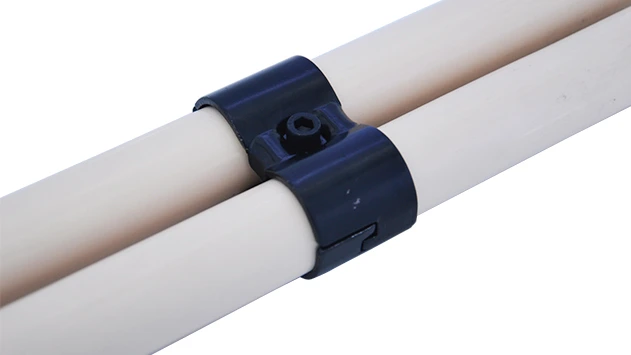
Parallel Lean Pipe Joint
Parallel lean pipe joint used for 2 pcs 28MM lean pipe connection in parallel direction to enhance frame structure, usually for heavy payload requirement for workbench. flow rack, hand trolley.
In the world of manufacturing and production, where every second counts and efficiency is the name of the game, lean systems stand as the unsung architects of smooth operations. They're the invisible force that turns chaotic workshops into well-oiled machines, ensuring materials flow seamlessly, workers move without friction, and deadlines are met with ease. But here's the thing: even the most sophisticated lean system is only as strong as its smallest component. Enter the lean pipe joint—the quiet hero that holds everything together, dictating not just stability, but also flexibility, cost, and long-term reliability. Today, we're diving deep into two heavyweights of the joint world: the one side rotatory straight lean pipe joint and its parallel counterparts. By the end, you'll understand how these tiny connectors shape your budget, workflow, and the success of your lean system.
First Things First: What Are We Actually Comparing?
Before we start crunching numbers, let's make sure we're all on the same page. Lean pipe joints might sound like technical jargon, but they're really just the "elbows and knees" of your lean system—they connect pipes, define structure, and determine how much movement (or lack thereof) your setup allows. Let's break down the two main players.
The One Side Rotatory Straight Lean Pipe Joint: Flexibility in Motion
Picture this: You're on an assembly line, and suddenly, you need to adjust the angle of your workbench to fit a new component. Or maybe you're reconfiguring a material rack to accommodate a bulkier part. That's where the one side rotatory straight lean pipe joint shines. As the name suggests, this joint allows for rotational movement on one side, letting pipes swivel, tilt, or pivot within a certain range. Think of it as a "hinge with purpose"—it's not just about movement, but controlled, intentional flexibility.
Commonly made from aluminum or steel (we'll get to material costs later), these joints are designed for dynamic environments. They're the go-to for setups that need to adapt on the fly: adjustable workbenches where height or angle changes daily, conveyor systems that need to redirect materials, or turnover trolleys that navigate tight corners. If your workflow feels more like a jazz improvisation than a classical symphony, this joint is your rhythm section.
Parallel Lean Pipe Joints: Stability in Alignment
Now, imagine a different scenario: a static flow rack holding heavy boxes, a material rack with three rows and three floors (material rack b, if we're getting specific), or a workbench that stays put day in and day out. For these, you need reliability, not rotation. Enter parallel lean pipe joints. These joints lock pipes into a fixed, parallel alignment, creating a sturdy framework that won't budge—even under constant weight or vibration.
There are a few flavors here. The parallel double end fixed lean pipe joint, for example, secures two parallel pipes at both ends, adding extra stability for long spans. Then there's the parallel rotatory lean pipe joint (yes, "rotatory" can sneak into parallel designs too), which allows slight rotation but maintains parallelism—think of it as a "stable swivel" for setups that need a little wiggle room without losing structure. But for the most part, parallel joints are the strong, silent types: they don't need the spotlight, just a job to do, and they do it without fuss.
What Drives the Price Tag? The Hidden Costs Behind the Joint
Okay, so we know what they do—but why does one joint cost $5 and another $20? Let's pull back the curtain. The price of a lean pipe joint isn't just about the metal it's made of; it's a mix of material, manufacturing, supplier dynamics, and even your own buying habits. Let's break down the key factors.
Material: Aluminum vs. Steel vs. Stainless Steel
Material is the biggest price driver, and it's not just about "expensive" vs. "cheap"—it's about fit for purpose. Aluminum lean pipe joints, for example, are lightweight, corrosion-resistant, and perfect for cleanrooms or ESD workbenches where rust is a no-go. But aluminum is pricier to machine than steel, so expect to pay 10-15% more for aluminum joints compared to basic steel ones. Stainless steel, on the other hand, is the premium option—great for high-moisture environments (like food processing) or heavy loads, but it can cost 2-3x more than steel. If you're buying a one side rotatory joint for a dry, low-weight setup, steel might be fine. But if it's a parallel joint holding corrosive materials? Stainless steel is worth the splurge.
Manufacturing Complexity: Precision Costs
Not all joints are born equal. A basic parallel fixed joint is pretty straightforward: cut, drill, coat, done. But a one side rotatory straight lean pipe joint? That requires precision machining for the rotating mechanism—bearings, gaskets, smooth threading to prevent jamming. The more moving parts, the more steps in production, and the higher the cost. It's like comparing a basic wrench to a ratchet wrench: both work, but the ratchet's extra engineering adds dollars.
Supplier Dynamics: Wholesale vs. Retail, Local vs. Global
Here's a pro tip: your choice of lean pipe supplier matters— a lot . Buy from a retail supplier, and you might pay $15 for a single aluminum parallel joint. Buy wholesale from a lean pipe supplier that specializes in bulk orders? That same joint could drop to $8. Why? Wholesale suppliers move massive quantities, so they negotiate lower production costs and pass savings to buyers. Plus, global suppliers (think China or Taiwan) often have lower labor costs, but factor in shipping and import taxes, and suddenly that "cheap" joint isn't so cheap. Local suppliers, on the other hand, charge more but offer faster delivery and easier returns—handy if you need a rush order for a broken joint on the production line.
Quantity: Buy More, Save More (Duh)
This one's obvious, but worth repeating: the more you buy, the less you pay per unit. A lean pipe supplier might charge $12 for a single one side rotatory joint, but drop that to $8 if you order 100. That's why big manufacturers love wholesale—they're not just buying joints; they're buying volume discounts . If you're a small workshop, consider teaming up with other local businesses to place a bulk order—your wallet will thank you.

Side-by-Side: One Side Rotatory vs. Parallel Joints (Average Price Ranges)
Enough theory—let's get concrete. Below is a table comparing average price ranges for one side rotatory straight lean pipe joints and parallel lean pipe joints, based on material and order quantity. These are ballpark figures (prices vary by supplier), but they'll give you a sense of what to expect.
| Joint Type | Material | Order Quantity | Average Price per Unit (USD) |
|---|---|---|---|
| One Side Rotatory Straight Lean Pipe Joint | Steel | 1-10 units | $7–$10 |
| 100+ units (wholesale) | $4–$6 | ||
| Aluminum | 1-10 units | $12–$15 | |
| 100+ units (wholesale) | $8–$10 | ||
| Parallel Fixed Lean Pipe Joint | Steel | 1-10 units | $5–$8 |
| 100+ units (wholesale) | $3–$5 | ||
| Aluminum | 1-10 units | $9–$12 | |
| 100+ units (wholesale) | $6–$8 | ||
| Parallel Double End Fixed Lean Pipe Joint (Steel) | Steel | 1-10 units | $9–$12 |
| 100+ units (wholesale) | $6–$8 |
Note: Prices exclude shipping, taxes, and custom finishes (e.g., ESD coating for electronics manufacturing). Premium materials like stainless steel can add $5–$10 per unit.

Beyond the Price Tag: How the Right Joint Saves You Money (Yes, Saves)
Here's the secret no one tells you: buying a cheaper joint might cost you more in the long run. Let's say you skimp on a $5 steel parallel joint for a heavy material rack. A month later, it bends under the weight, crashing a pile of parts and halting production for 2 hours. The downtime alone costs $500 in lost labor and materials—suddenly, that "cheap" joint was the most expensive decision you made all year.
On the flip side, a $15 aluminum one side rotatory joint might seem pricey, but if it lets your workers adjust their workbench height in 30 seconds instead of 5 minutes, that's 4.5 minutes saved per adjustment. Multiply that by 10 adjustments a day, 200 workdays a year, and 5 workers? That's 750 hours of saved time—time they can spend building, not adjusting. Suddenly, $15 feels like a steal.
Case Study: Automotive Assembly Line
Let's take a real-world example. A mid-sized automotive parts manufacturer was using basic steel parallel joints for their assembly line workbenches. The problem? Workers needed to angle the benches for different tasks, but the fixed joints meant they had to disassemble and rebuild the bench—wasting 15 minutes per changeover. They switched to one side rotatory straight lean pipe joints (aluminum, $12 each, wholesale). Result? Changeover time dropped to 2 minutes, saving 13 minutes per task. Over a year, that added up to 325 hours of extra production—enough to build 1,300 more parts. The joints paid for themselves in 2 months.
Case Study: Food Processing Plant
Another example: a food processing plant was using steel parallel joints for their flow racks. The humid environment caused the steel to rust, so they had to replace joints every 6 months. They switched to stainless steel parallel double end fixed joints ($20 each, wholesale). Rust disappeared, and the joints lasted 3 years. The upfront cost was higher, but the 6x longer lifespan meant lower replacement costs over time. Plus, no more rust flakes contaminating products—priceless for food safety.
How to Choose: It's Not Just About Price
So, which joint is right for you? The answer depends on three questions:
1. Does Your Setup Need Flexibility or Stability?
If you're building a static structure—like a material rack with three rows and three floors that never moves—parallel joints are your best bet. They're cheaper, sturdier, and designed for fixed loads. But if your setup needs to adjust (adjustable workbenches, dynamic conveyor systems, turnover trolleys that change direction), one side rotatory joints are worth the extra cost. Think: Will this joint need to move in 6 months? If yes, pay for rotatory.
2. What's Your Environment Like?
Humid? Corrosive? Go aluminum or stainless steel. Dry and low-stress? Steel is fine. Remember, the cheapest joint isn't cheap if it fails in your environment.
3. How Many Are You Buying?
If you need 5 joints, buy retail—wholesale savings won't kick in yet. If you need 500, call a lean pipe supplier and negotiate. And don't forget to ask about bulk discounts on accessories (like caster wheels or roller track connectors)—suppliers love bundling.
The Bottom Line: Invest in the Joint That Invests in You
At the end of the day, lean pipe joints are more than just hardware—they're investments in your workflow, your workers, and your bottom line. A one side rotatory straight lean pipe joint might cost more upfront, but its flexibility can unlock efficiency you never knew you were missing. A parallel lean pipe joint might seem basic, but its stability can save you from costly collapses and downtime.
So, next time you're shopping for joints, don't just look at the price tag. Ask: What will this joint do for my team? How long will it last? Will it grow with my business? The answers will lead you to the joint that's not just cheap, but smart . And in the world of lean systems, smart always wins.
Happy building—and may your joints be strong, your workflows smooth, and your costs low.