- Company Articles
- Products and Technology
- Procurement Guidelines
- Comparing Prices: Two Way Lean Pipe Joint Chrome Suppliers & Cost Factors

Comparing Prices: Two Way Lean Pipe Joint Chrome Suppliers & Cost Factors
Related Product
Two Way Lean Pipe Joint Chrome
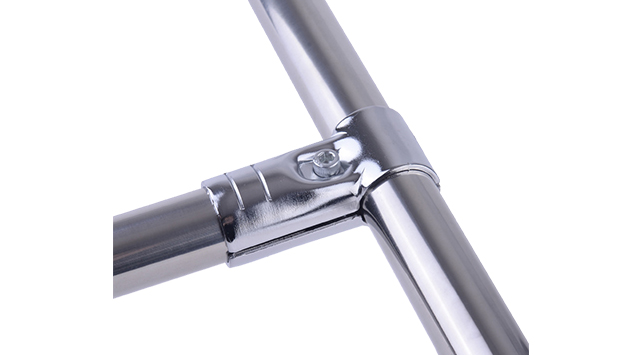
Two way lean pipe joint for 2 pcs 28MM lean pipe connection in straight angle, which used widely in workbench, flow rack, hand trolley frame connection.
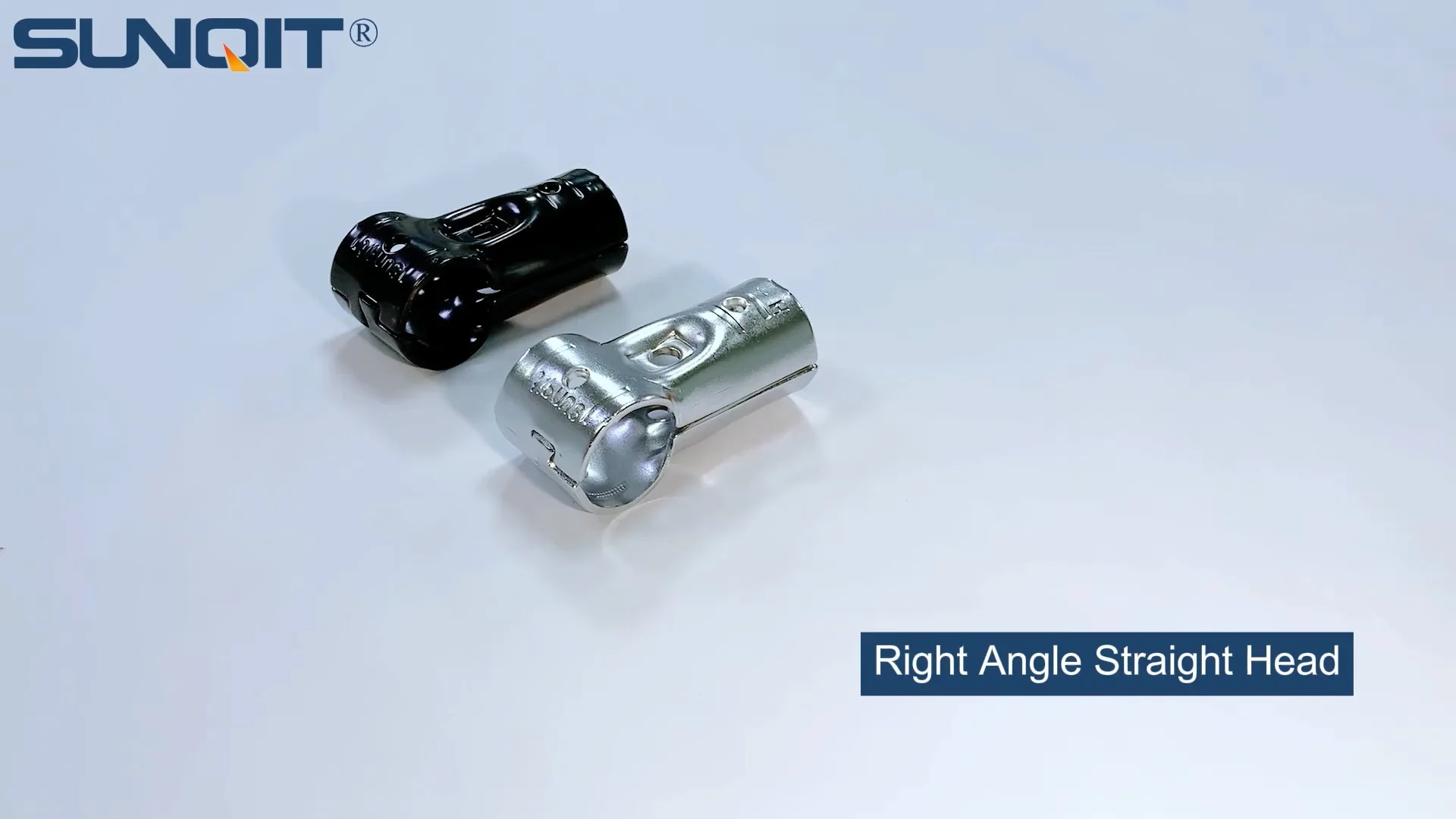
In the world of manufacturing and workshop setups, it's often the smallest components that keep the entire operation running smoothly. Take, for example, the two way lean pipe joint chrome—a yet critical part of lean systems that connects pipes, supports workbenches, and ensures material flow racks stay stable. Choosing the right supplier for these joints isn't just about picking the cheapest option; it's about balancing quality, reliability, and long-term value. In this article, we'll break down the key factors that influence the cost of two way lean pipe joint chrome, compare different types of suppliers, and share tips to help you make an informed decision for your business.
What Is a Two Way Lean Pipe Joint Chrome, Anyway?
Before diving into prices, let's clarify what we're talking about. A two way lean pipe joint chrome is a hardware component designed to connect two lean pipes at a fixed angle (usually 90 degrees, though some are adjustable). Think of it as the "elbow" that lets you build custom workbenches, material racks, or conveyor systems without welding. The "chrome" in the name refers to its finish—a layer of chromium plating that adds corrosion resistance, durability, and a sleek, professional look. This makes it ideal for factories, warehouses, and workshops where moisture, oils, or daily wear might otherwise damage uncoated metal.
These joints are workhorses in lean manufacturing. They're used to assemble everything from simple turnover trolleys to complex production lines, and their quality directly impacts how well those systems hold up over time. A loose or weak joint can lead to wobbly workbenches, misaligned roller tracks, or even safety hazards—all of which cost time and money to fix. That's why choosing a reliable two way lean pipe joint chrome matters just as much as the lean pipe itself.
The Hidden Costs: What Drives the Price of Two Way Lean Pipe Joint Chrome?
If you've ever shopped for these joints, you've probably noticed a wide price range—from $2 to $10 per unit, or more. What causes these differences? Let's break down the key cost factors:
1. Material Quality: The Base Matters
The foundation of any two way lean pipe joint chrome is its base material. Most are made from carbon steel, but the grade of steel and thickness of the metal affect both strength and price. Low-cost joints might use thinner, lower-grade steel that bends under heavy loads, while premium options use high-strength steel for durability. Then there's the chrome plating: a thick, even layer of chrome resists scratches and rust better than a thin or uneven coat. Suppliers who skimp on plating might offer cheaper joints upfront, but you'll end up replacing them sooner when the chrome wears off—costing more in the long run.
2. Manufacturing Precision: Tight Tolerances, Tighter Budgets
Ever tried to connect a joint to a lean pipe only to find it's either too loose or too tight? That's a sign of poor manufacturing precision. High-quality two way lean pipe joint chrome requires precise machining to ensure a snug fit with standard lean pipe diameters (usually 28mm or 30mm). This involves advanced tools and skilled labor, which adds to the cost. Cheaper joints often cut corners here, leading to misaligned threads, uneven holes, or joints that wobble even when fully tightened. Over time, this can throw off your entire workflow—imagine a material rack where pipes shift because joints don't hold, slowing down production.
3. Supplier Type: Cutting Out the Middleman
Who you buy from matters as much as what you buy. Two way lean pipe joint chrome suppliers fall into three main categories: manufacturers, wholesalers, and online marketplaces. Manufacturers produce the joints themselves, so they can offer lower prices— but they often require large minimum orders (MOQs). Wholesalers buy in bulk from manufacturers and resell to smaller businesses, adding a small markup but offering lower MOQs. Online marketplaces (like Amazon or Alibaba) connect buyers with various sellers, but quality can vary wildly, and hidden fees (like shipping or customs) might bump up the final cost. We'll compare these supplier types in detail later!
4. Order Volume: Bulk Discounts Add Up
It's no secret that buying in bulk saves money, and two way lean pipe joint chrome is no exception. A supplier might charge $5 per joint for an order of 100 units but drop the price to $3 per unit for 1,000 units. This is because manufacturers and wholesalers save on production and shipping costs when handling large orders. If your business regularly uses these joints—say, you're a lean system integrator or run a large factory—negotiating a bulk deal can significantly reduce your per-unit cost. Smaller operations, though, might have to pay more per joint due to lower order volumes.
5. Bundle Deals vs. Standalone Purchases
Some suppliers sell two way lean pipe joint chrome as part of a bundle—for example, paired with lean pipe, caster wheels, or workbench accessories. While this can be convenient (one order, one shipment), it's important to check if you're overpaying. Sometimes, buying joints separately from a specialized lean pipe supplier and sourcing other components elsewhere is cheaper. For instance, if you already have a reliable source for aluminum lean pipe, purchasing standalone joints might save you 10-15% compared to a bundled deal.
Comparing Suppliers: Which Option Fits Your Business?
To help you choose, let's compare the three main types of two way lean pipe joint chrome suppliers. The table below breaks down their typical price ranges, minimum orders, pros, and cons:
| Supplier Type | Price Range (Per Joint) | Typical MOQ | Pros | Cons |
|---|---|---|---|---|
| Manufacturers | $2.50 – $4.00 | 1,000+ units |
• Lowest per-unit cost
• Customization options (e.g., logo engraving) • Direct quality control |
• High MOQ (not ideal for small businesses)
• Longer lead times (4–6 weeks) • Limited product variety (focused on their own joints) |
| Wholesalers | $3.00 – $5.00 | 500+ units |
• Lower MOQ than manufacturers
• Bundles with related products (lean pipe, casters) • Faster shipping (1–2 weeks) |
• Slightly higher prices than manufacturers
• Less room for customization • May source from multiple factories (inconsistent quality) |
| Online Marketplaces | $4.00 – $7.00 | 100+ units |
• Low MOQ (great for small workshops)
• Easy price comparison • Fast delivery (3–5 days for local sellers) |
• Highest per-unit cost
• Unverified quality (no way to inspect before buying) • Hidden fees (shipping, taxes, returns) |
For example, a large automotive plant needing 5,000 joints a year would likely work directly with a manufacturer, locking in a $3 per unit price and ensuring consistent quality. A small electronics workshop needing 200 joints for a new workbench might opt for an online marketplace, paying $5 per unit but avoiding the high MOQ of manufacturers. Wholesalers hit the sweet spot for mid-sized businesses—say, a furniture factory needing 800 joints quarterly—offering bulk savings without the commitment of a 1,000+ order.

Beyond Price: 3 Questions to Ask Before You Buy
Price is important, but it's not the only factor. Here are three critical questions to ask any two way lean pipe joint chrome supplier:
1. Can I Get a Sample?
Always request a sample before placing a large order. A $5 sample could save you from a $5,000 mistake. Test the joint by connecting it to your lean pipe—does it fit snugly? Does it hold when you apply pressure? Check the chrome plating for scratches or bubbles (signs of poor quality). If a supplier refuses to send a sample, that's a red flag—reputable ones want you to trust their product.
2. What's Your Quality Control Process?
Ask how they ensure consistency. Do they test every batch for strength? How thick is their chrome plating (look for at least 8–10 microns for durability)? Suppliers who can explain their quality control steps (e.g., "We inspect 10% of each batch for thread accuracy") are more likely to deliver reliable joints than those who vague answers.
3. Do You Offer After-Sales Support?
Even the best suppliers have occasional duds. What happens if a batch of joints is defective? Will they replace them for free? Do they have a return policy? A lean pipe supplier who stands behind their products will make the process painless, while others might leave you stuck with unusable joints.
Final Thoughts: Invest in Quality, Save in the Long Run
At the end of the day, choosing a two way lean pipe joint chrome is about balance. A $2 joint might seem like a steal, but if it bends or rusts in six months, you're not saving money—you're paying twice. On the flip side, a $10 joint might offer features you don't need, like over-the-top plating for a workshop with minimal moisture. By understanding the cost factors, comparing supplier types, and asking the right questions, you can find a joint that fits your budget and keeps your operations running smoothly.
Remember: The best two way lean pipe joint chrome isn't just a part—it's an investment in your workflow. Whether you're a small workshop or a large manufacturer, taking the time to choose wisely will pay off in fewer replacements, less downtime, and a more efficient operation. So next time you're comparing prices, think beyond the sticker—think about the value of reliability.