- Company Articles
- Products and Technology
- Product knowledge
- Comparing Standard vs. Heavy-Duty T-Slot Rubber Seal Covers: Which Is Right for Your Conveyor?

Comparing Standard vs. Heavy-Duty T-Slot Rubber Seal Covers: Which Is Right for Your Conveyor?
Related Product
T-slot Rubber Seal Cover
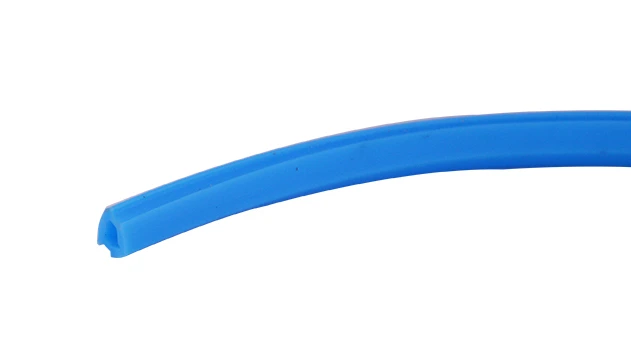
The rubber T-slot seal cover prevents dust and debris buildup, covers wires in the T-slot channel, and adds an extra layer of protection to applications. It rolls into the T-slot, making it easy to assemble.
Walk into any manufacturing plant, warehouse, or distribution center, and you'll likely hear the steady hum of conveyors. These workhorses of material handling keep operations moving—literally. From small electronics components to heavy automotive parts, conveyors ensure that products, parts, and materials flow efficiently from one step to the next. But here's the thing: while most people focus on the big components—the motors, the rollers, the control systems—there's a tiny, often overlooked part that can make or break a conveyor's performance: the T-slot rubber seal covers.
If you've ever had to shut down a conveyor line because debris jammed a roller, or spent hours cleaning gunk out of the T-slots in your aluminum extrusion profiles, you know exactly what I'm talking about. T-slot rubber seal covers might seem like an afterthought, but they're the unsung heroes that protect your conveyor's infrastructure from dust, dirt, moisture, and wear. And not all seal covers are created equal. Choose the wrong one, and you could be looking at frequent replacements, increased downtime, and higher maintenance costs. Choose the right one, and your conveyor will run smoother, longer, and more reliably.
In this article, we're diving deep into the world of T-slot rubber seal covers—specifically, the difference between standard and heavy-duty options. We'll break down their features, compare their performance, and help you figure out which type is best suited for your conveyor system. Whether you're running a lean system in a cleanroom or a rugged operation in a dusty warehouse, by the end, you'll have the knowledge to make an informed decision that saves you time, money, and headaches.
What Are T-Slot Rubber Seal Covers, Anyway?
Before we jump into comparisons, let's make sure we're all on the same page. What exactly are T-slot rubber seal covers, and why do they matter? To answer that, we need to start with the backbone of many modern conveyors: aluminum extrusion profiles.
Aluminum extrusion profiles are the building blocks of countless industrial structures, from workbenches to material racks—and yes, conveyors. These profiles are designed with long, narrow grooves called T-slots running along their length. Think of T-slots as the "universal connectors" of the industrial world. They let you easily attach brackets, guides, roller tracks, and other components without drilling or welding. It's why aluminum extrusion profiles are so popular in lean system setups: they're flexible, modular, and easy to reconfigure as your needs change.
But here's the catch: those T-slots are open. Left uncovered, they act like magnets for dust, dirt, metal shavings, oil, and even small parts. Over time, this debris builds up, clogging the slots and making it hard to attach or adjust components. Worse, if debris gets inside the slots and works its way into moving parts like roller track connectors or caster wheels, it can cause jams, wear, or even breakdowns. That's where T-slot rubber seal covers come in. These flexible, rubber strips fit snugly into the T-slots, creating a barrier that keeps contaminants out while still allowing easy access when you need to adjust or reconfigure your conveyor.
Now, T-slot rubber seal covers come in two main varieties: standard and heavy-duty. Let's break down what each offers.
Standard T-Slot Rubber Seal Covers: The Everyday Workhorse
Standard T-slot rubber seal covers are the most common type you'll find. They're designed for general-purpose use in relatively clean, low-stress environments. Think of them as the "everyday" option—reliable, affordable, and perfect for many typical conveyor setups.
Key Features of Standard Seal Covers
Material Composition: Standard covers are usually made from synthetic rubber, often EPDM (ethylene propylene diene monomer) or neoprene. These materials are chosen for their flexibility, resistance to mild chemicals, and good performance in moderate temperatures (typically -40°C to 120°C, depending on the formulation).
Thickness: They're generally thinner than heavy-duty options, ranging from 1mm to 3mm. This thin profile makes them easy to install—you can simply press them into the T-slot by hand, no tools required. Their flexibility also means they conform well to the shape of the slot, creating a tight seal.
Shore Hardness: Standard covers typically have a Shore A hardness of 60-70. For context, Shore A measures the hardness of rubber and plastics; a pencil eraser is around 40 Shore A, while a car tire is around 70. This moderate hardness strikes a balance between flexibility (so they can be installed easily) and durability (so they don't tear or wear too quickly).
Applications: Standard covers shine in indoor environments with low to moderate levels of dust and debris. They're ideal for conveyors used in electronics assembly, packaging lines, or light manufacturing—settings where the conveyor isn't exposed to heavy impact, extreme temperatures, or harsh chemicals. For example, a conveyor moving small plastic parts in a climate-controlled factory would do great with standard seal covers.
Cost: One of the biggest advantages of standard covers is their affordability. They're less expensive to produce than heavy-duty options, making them a budget-friendly choice for operations with tight margins or large conveyor systems where cost per foot adds up quickly.
When to Choose Standard Seal Covers
Standard T-slot rubber seal covers are a smart pick if:
- Your conveyor operates in a clean, indoor environment with minimal dust, dirt, or moisture.
- The conveyor handles lightweight to moderately heavy loads (think parts weighing less than 50 lbs).
- You don't expect frequent impact or abrasion on the seal covers (e.g., no heavy tools being dragged across the profiles).
- You're working with a tight budget and need a cost-effective solution.
For example, let's say you run a small cosmetics packaging line. Your conveyor moves lightweight plastic bottles through labeling and filling stations. The environment is clean, air-conditioned, and the only debris is occasional dust from the packaging materials. Standard seal covers would be more than enough here. They'd keep the T-slots clean, install quickly, and last for years without needing replacement.

Heavy-Duty T-Slot Rubber Seal Covers: Built for the Toughest Environments
Now, let's talk about the heavyweights: heavy-duty T-slot rubber seal covers. These are the rugged, industrial-grade option designed for environments where standard covers would quickly fail. If your conveyor operates in a dirty, high-impact, or extreme-condition setting, heavy-duty covers are non-negotiable.
Key Features of Heavy-Duty Seal Covers
Material Composition: Heavy-duty covers are made from thicker, more durable rubber compounds. You'll often find them in nitrile rubber (resistant to oil and chemicals), silicone (high-temperature resistance), or reinforced rubber (with fabric or fiber mesh added for strength). Some are even made from polyurethane, which offers exceptional abrasion resistance.
Thickness: They're significantly thicker than standard covers, ranging from 3mm to 6mm or more. This extra thickness provides better impact resistance and durability, but it also means they're stiffer. You might need a small tool (like a flathead screwdriver or a rubber mallet) to press them into the T-slot, but the tradeoff is longer lifespan.
Shore Hardness: Heavy-duty covers have a higher Shore A hardness, usually 70-85. This makes them more rigid, which helps them withstand abrasion, impact, and heavy loads. For example, if a metal part accidentally slides off the conveyor and hits the profile, a heavy-duty cover is less likely to tear or dent than a standard one.
Temperature and Chemical Resistance: Many heavy-duty covers are formulated to handle extreme temperatures (from -50°C to 200°C for silicone) and exposure to oils, solvents, and industrial chemicals. This makes them ideal for use in automotive plants, metalworking facilities, or outdoor conveyors where they might be exposed to rain, snow, or UV rays.
Applications: Heavy-duty covers are built for tough conditions. Think of conveyors in automotive manufacturing, where parts are greasy and heavy; metal fabrication shops, where metal shavings and sparks are common; or outdoor lumber yards, where dust, moisture, and temperature swings are the norm. They're also a good choice for conveyors that see a lot of foot traffic or where tools and equipment are frequently moved around (reducing the risk of accidental damage to the covers).
Cost: Unsurprisingly, heavy-duty covers cost more than standard ones—sometimes twice as much. But here's the thing: in harsh environments, standard covers would need to be replaced every 6-12 months, while heavy-duty covers can last 3-5 years or longer. When you factor in the cost of downtime and labor for replacements, heavy-duty covers often end up being the more economical choice in the long run.
When to Choose Heavy-Duty Seal Covers
Heavy-duty T-slot rubber seal covers are worth the investment if:
- Your conveyor operates in a dirty environment with high levels of dust, dirt, metal shavings, or moisture (e.g., outdoor settings, metal shops, construction sites).
- The conveyor handles heavy loads (parts over 50 lbs) or is subject to frequent impact (e.g., parts being dropped onto the conveyor frame).
- Exposure to harsh chemicals, oils, or extreme temperatures is common (e.g., automotive assembly lines, food processing with cleaning agents).
- You want to minimize downtime and maintenance costs over the long term.
Let's take an example: a conveyor in a steel fabrication plant. This conveyor moves heavy steel beams and plates, and the air is thick with iron dust. Workers frequently use the conveyor frame to rest tools, and oil from the machinery drips onto the profiles. A standard seal cover here would get torn up by the impact of tools, clogged with iron dust, and degraded by the oil—lasting maybe 3 months at best. A heavy-duty nitrile rubber cover, on the other hand, would resist the oil, stand up to the impact, and keep the T-slots clean for years. The initial cost is higher, but the savings in replacement parts and downtime make it a no-brainer.

Standard vs. Heavy-Duty: A Side-by-Side Comparison
To help you visualize the differences, let's put standard and heavy-duty T-slot rubber seal covers head-to-head in a comparison table:
| Feature | Standard T-Slot Rubber Seal Cover | Heavy-Duty T-Slot Rubber Seal Cover |
|---|---|---|
| Material | EPDM or neoprene rubber | Nitrile, silicone, reinforced rubber, or polyurethane |
| Thickness | 1mm – 3mm | 3mm – 6mm+ |
| Shore Hardness (Shore A) | 60 – 70 | 70 – 85 |
| Temperature Range | -40°C to 120°C | -50°C to 200°C (varies by material) |
| Chemical Resistance | Resistant to mild chemicals and water | Resistant to oils, solvents, and harsh chemicals (varies by material) |
| Abrasion/Impact Resistance | Low to moderate | High |
| Installation | Easy (hand-press fit) | May require tools (due to stiffness) |
| Typical Lifespan | 1 – 3 years (in clean environments) | 3 – 7 years (in harsh environments) |
| Cost | Lower (budget-friendly) | Higher (premium, but longer-lasting) |
| Best For | Clean, indoor environments; light to moderate loads; low impact | Dirty/industrial environments; heavy loads; high impact/abrasion; extreme temps/chemicals |
How to Choose: 5 Questions to Ask Yourself
Now that you know the differences between standard and heavy-duty T-slot rubber seal covers, how do you decide which one is right for your conveyor? Start by asking yourself these five questions:
1. What's the Environment Like?
Is your conveyor indoors or outdoors? Is the area clean (like a pharmaceutical lab) or dirty (like a foundry)? Are there high levels of dust, moisture, or chemicals? Standard covers work well in clean, controlled environments, while heavy-duty covers are a must for dirty, wet, or chemically exposed areas.
2. What's the Load Like?
What kind of materials or parts are you moving? Lightweight items (e.g., circuit boards) or heavy components (e.g., engine blocks)? Heavy loads increase the risk of impact on the conveyor frame, so if you're moving anything over 50 lbs regularly, heavy-duty covers are a safer bet.
3. How Much Wear and Tear Will the Covers See?
Will workers be walking on the conveyor frame? Are tools or parts frequently dropped near the T-slots? Is there a risk of abrasion (e.g., parts sliding against the profiles)? The more wear and tear, the more you need heavy-duty covers.
4. What's Your Budget?
Standard covers are cheaper upfront, but if you're in a harsh environment, they'll need frequent replacement. Heavy-duty covers cost more initially but last longer, saving you money in the long run. Do a quick cost-benefit analysis: How much would downtime and replacements cost with standard covers vs. the upfront cost of heavy-duty ones?
5. What's the Conveyor's Role in Your Lean System?
If your conveyor is part of a lean system, downtime is the enemy. Lean principles focus on minimizing waste, and nothing wastes more time than a conveyor breakdown. Heavy-duty covers might align better with lean goals in tough environments, as they reduce maintenance and keep the line moving.
Real-World Examples: When Standard vs. Heavy-Duty Mattered
Sometimes, hearing real stories helps drive the point home. Let's look at two scenarios where choosing the right seal cover made all the difference.
Example 1: The Electronics Manufacturer Who Saved with Standard Covers
A mid-sized electronics company in California produces printed circuit boards (PCBs). Their conveyors move PCBs through a cleanroom assembly process—temperature-controlled, low dust, minimal moisture. They initially considered heavy-duty covers, thinking "better safe than sorry," but after consulting with their aluminum profile supplier, they opted for standard EPDM covers.
Three years later, those covers are still going strong. The cleanroom environment means minimal debris, and the lightweight PCBs don't impact the profiles. The company saved roughly 40% on seal cover costs upfront, and they haven't needed to replace a single cover yet. Moral of the story: In the right environment, standard covers are more than sufficient.
Example 2: The Automotive Plant That Learned the Hard Way
A large automotive plant in Michigan installed new conveyors in their engine assembly line. The line moves heavy engine blocks (over 300 lbs) and is exposed to oil, grease, and metal shavings. To cut costs, they used standard neoprene seal covers.
Within six months, the covers were failing. Oil degraded the neoprene, metal shavings tore the thin rubber, and the weight of the engine blocks caused the covers to compress and crack. The plant had to shut down the line twice to replace the covers, costing them over $10,000 in downtime and labor. They switched to heavy-duty nitrile covers, and two years later, those covers are still in excellent shape. The initial cost was higher, but the savings in downtime made it worth every penny.
Installation and Maintenance Tips for T-Slot Rubber Seal Covers
Once you've chosen between standard and heavy-duty covers, proper installation and maintenance will ensure they last as long as possible. Here's what you need to know:
Installation Tips
- Clean the T-Slots First: Before installing new covers, use a brush or compressed air to clean out any existing debris in the T-slots. A dirty slot will prevent the cover from seating properly, reducing its effectiveness.
- Measure Twice, Cut Once: T-slot covers come in rolls, so you'll need to cut them to length. Measure the length of the profile carefully, then cut the cover with a sharp utility knife or scissors. Leave a tiny bit of extra length (1-2mm) to ensure a snug fit.
- Press Firmly (But Gently): For standard covers, simply press the cover into the T-slot starting at one end and working your way to the other. For heavy-duty covers, you might need to use a rubber mallet or a flathead screwdriver (wrapped in tape to avoid scratching the profile) to help seat the cover.
- Check for Gaps: After installation, run your finger along the cover to ensure there are no gaps. If you find a gap, gently lift the cover and re-seat it.
Maintenance Tips
- Inspect Regularly: Check the covers monthly for signs of wear: cracks, tears, brittleness, or gaps. Catching issues early can prevent debris from entering the T-slots.
- Clean as Needed: Wipe down the covers with a damp cloth to remove surface dust or dirt. For heavy-duty covers in dirty environments, use a mild detergent (avoid harsh chemicals that could degrade the rubber).
- replace Promptly: If you notice damage, replace the cover immediately. A small tear can quickly become a big problem as debris enters the slot.
- Store Spare Covers: Keep a few extra covers on hand so you can replace a damaged one quickly, minimizing downtime.
Final Thoughts: Don't Overlook the Small Stuff
At the end of the day, T-slot rubber seal covers might seem like a minor component in your conveyor system, but they play a critical role in keeping your operation running smoothly. Choosing between standard and heavy-duty isn't about "better" or "worse"—it's about matching the cover to your environment, load, and needs.
For clean, low-stress environments with light to moderate loads, standard covers offer an affordable, reliable solution. For dirty, high-impact, or extreme conditions, heavy-duty covers are worth the investment to avoid downtime and costly replacements. And remember: when in doubt, consult your aluminum extrusion profile supplier or conveyor manufacturer. They've seen it all and can help you pick the perfect cover for your setup.
So, the next time you're standing in front of that conveyor, listening to it hum, take a second to look at the T-slots. Are they protected? If not, maybe it's time to give those unsung heroes—T-slot rubber seal covers—the attention they deserve. Your conveyor (and your bottom line) will thank you.