- Company Articles
- Products and Technology
- Procurement Guidelines
- Comparing T Slot Aluminum Pipe Brands: What to Look For

Comparing T Slot Aluminum Pipe Brands: What to Look For
Related Product
T Slot Aluminum Pipe
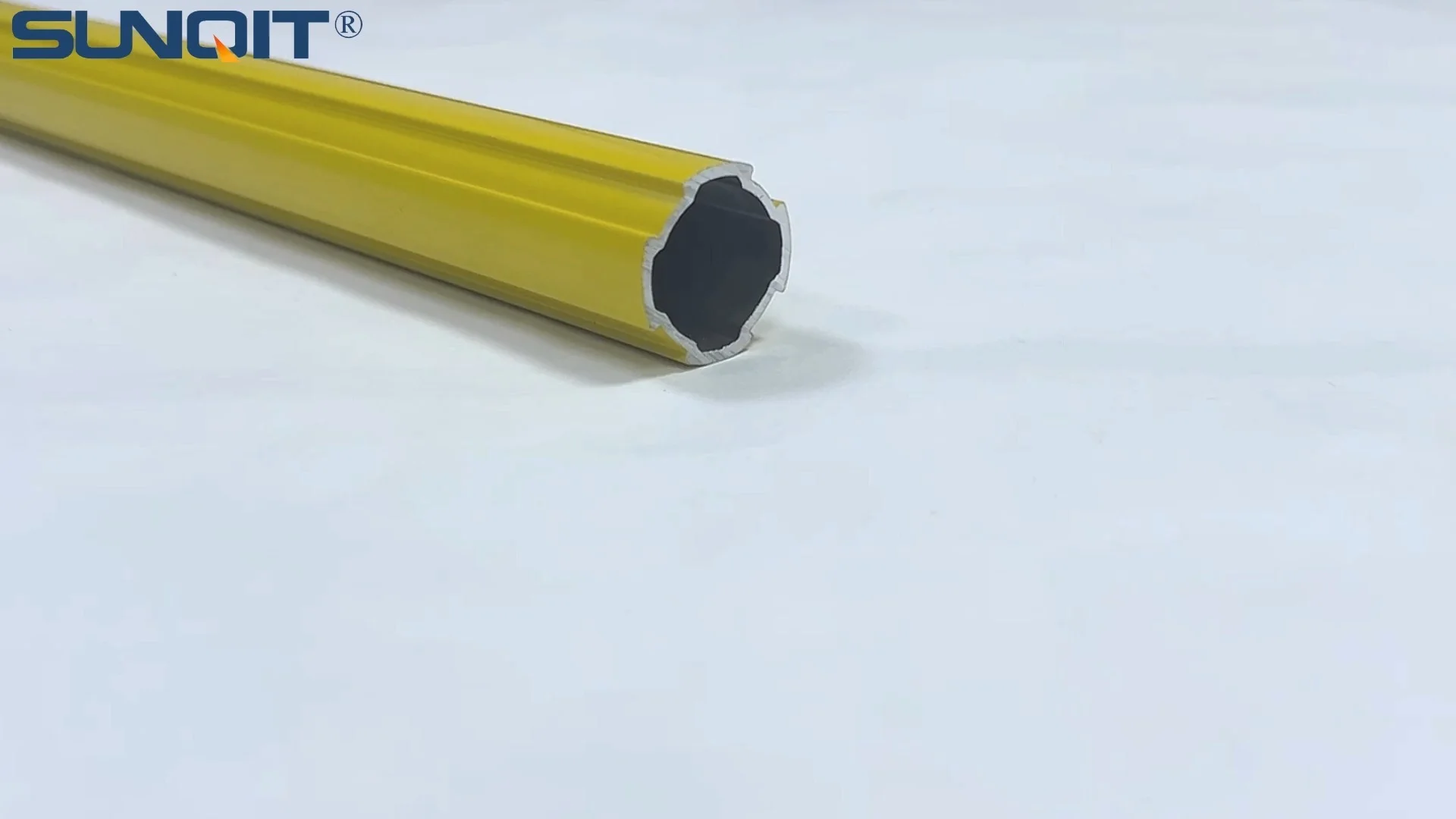
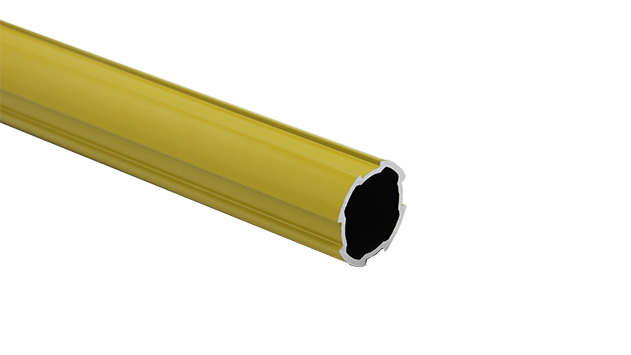
Aluminum pipe, it is used for workbench, flow rack,hand trolley assemble work with advantage of flexible and durable, yellow color makes it more attactive as a caution remind.
If you've ever walked through a busy workshop, a manufacturing plant, or even a well-organized garage, chances are you've seen them: sturdy workbenches that seem to defy clutter, sleek conveyor systems moving parts with precision, or modular racks holding tools and materials like a perfectly arranged puzzle. Behind much of that functionality is a humble but powerful tool: the t slot aluminum pipe. These unassuming pieces of metal are the backbone of countless custom solutions, from DIY projects to industrial setups. But not all t slot aluminum pipes are created equal. Choosing the right brand can mean the difference between a setup that lasts for years—flexible, reliable, and easy to modify—and one that wobbles, rusts, or falls apart after a few months of use.
In this guide, we'll walk you through the key factors to consider when comparing t slot aluminum pipe brands. Whether you're a small business owner outfitting a new workspace, a hobbyist building a custom workbench, or a procurement manager sourcing parts for a large-scale operation, these insights will help you make an informed decision. We'll dive into material quality, precision, accessories, and more—because the best brand isn't just the one with the flashiest ads; it's the one that fits your needs like a well-fitted t slot nut.
Key Factor 1: Material Quality—It All Starts with the Aluminum
At the heart of any t slot aluminum pipe is, well, the aluminum. But not all aluminum is the same. The grade of aluminum and the extrusion process used can drastically affect the pipe's strength, weight, and resistance to wear. Let's break it down.
Most reputable brands use either 6061 or 6063 aluminum alloys for their t slot profiles. 6061 is known for its high strength and excellent machinability, making it ideal for heavy-duty applications like industrial workbenches or load-bearing racks. 6063, on the other hand, is slightly softer but offers better corrosion resistance and a smoother finish—great for projects where appearance or resistance to moisture matters, like outdoor setups or cleanrooms. Some brands even blend these alloys or offer specialized options, so don't be afraid to ask about the specific grade they use.
Equally important is the extrusion process itself. A high-quality aluminum extrusion profile is made by forcing heated aluminum through a die with precision-cut t slots. The best brands invest in state-of-the-art dies and tight quality control to ensure consistent wall thickness, straightness, and slot dimensions across every pipe. Why does this matter? Inconsistent extrusion can lead to pipes that don't align, slots that are too narrow (making it hard to insert nuts or brackets), or weak spots that bend under pressure. Ask the brand about their tolerance standards—look for numbers like ±0.1mm for slot width or ±0.5mm for straightness over a 2-meter length. The tighter the tolerance, the more reliable the pipe.
Finish is another telltale sign of quality. Most t slot aluminum pipes are anodized, a process that forms a protective oxide layer on the surface. A good anodized finish should be uniform, matte, and resistant to scratches and corrosion. Run your finger along the pipe—if it feels rough or has uneven coloring, that's a red flag. Some brands also offer powder-coated finishes for added durability or color customization, which can be a plus if aesthetics matter for your project.
Key Factor 2: Precision and Compatibility—No Room for Slack
Imagine building a bookshelf where the screws don't fit the pre-drilled holes, or a puzzle where the pieces almost line up but leave gaps. Frustrating, right? The same principle applies to t slot aluminum pipes. Precision in manufacturing isn't just about the pipe itself—it's about how well it works with other components, especially aluminum profile accessories like brackets, connectors, and panels.
T slot dimensions are critical here. The most common sizes are 20x20mm, 30x30mm, 40x40mm, and 40x80mm, but even within these, small variations can cause big problems. For example, a 40x40mm slot that's actually 39.8mm wide might seem negligible, but it could mean that standard t slot nuts (which are designed to fit snugly) slide around, making your setup unstable. Reputable brands will publish detailed specifications for their slot widths, depths, and wall thicknesses—don't hesitate to ask for a technical drawing if it's not readily available on their website.
Consistency across batches is another aspect of precision. If you order 10 pipes from a brand and half of them are slightly warped or have slots that vary in size, you'll end up with a setup that's uneven and hard to assemble. Look for brands that mention quality control processes like laser measurement or automated inspection—these are signs they take consistency seriously.
Compatibility with accessories is where many brands fall short. A great pipe is useless if you can't find brackets that fit, or if the nuts from Brand X are too loose in the slots of Brand Y. The best brands either offer a full line of aluminum profile accessories (think corner brackets, end caps, hinges, and wheels) that are designed to work seamlessly with their pipes, or they explicitly state that their products are compatible with industry standards. This is especially important if you plan to expand your setup later—you don't want to be locked into a brand with limited accessory options.
Pro tip: If possible, order a small sample kit from the brand. Include a pipe, a few nuts, and a bracket. Assemble them yourself and see how they fit. Do the nuts slide smoothly but stay in place when tightened? Does the bracket align perfectly with the slots? A 15-minute test can save you hours of frustration down the line.
Key Factor 3: Accessory Ecosystem—Beyond the Pipe Itself
A t slot aluminum pipe is just the starting point. To turn it into something useful—a workbench, a conveyor, a storage rack—you need accessories. The best brands understand this and offer a robust ecosystem of parts that complement their pipes. Let's explore why this matters and what to look for.
First, variety. A brand with a limited accessory lineup might force you to compromise on your design. Need a heavy-duty caster wheel for a mobile workbench? A panel mount for attaching a pegboard? A hinge for a fold-down shelf? If the brand doesn't offer these, you'll have to source them from elsewhere, which can lead to compatibility issues (see Key Factor 2). Look for brands that list accessories like:
- Connectors: 90-degree brackets, T-joints, corner brackets, and multi-way connectors for building frames.
- Fasteners: T slot nuts, bolts, and screws in various lengths and materials (stainless steel is a plus for corrosion resistance).
- Wheels and feet: Casters (with or without brakes), leveling feet, and anti-slip pads for stability.
- Panels and covers: Aluminum sheets, plywood mounts, or plastic panels for creating work surfaces or enclosures.
- Specialty parts: Tool hooks, cable management clips, and even lighting mounts for added functionality.
Second, quality of accessories. Even if a brand offers a wide range, if the accessories are flimsy—think plastic brackets that crack under pressure or wheels that lock up after a few rolls—they'll undermine the durability of your entire setup. Check what materials the accessories are made of: steel or aluminum brackets are better than plastic for heavy use, and polyurethane wheels are quieter and more durable than rubber in industrial settings.
Third, availability and lead times. There's nothing worse than finishing half your project only to realize the bracket you need is on backorder for six weeks. Reputable brands will have most accessories in stock and offer fast shipping, or they'll be transparent about lead times upfront. Some even have online configurators or design tools that let you plan your project and order all the necessary parts (pipes and accessories) in one go—saving you time and reducing the risk of missing pieces.

Key Factor 4: Durability and Load Capacity—Built to Last
When you invest in t slot aluminum pipes, you're not just buying metal—you're buying peace of mind. Will this workbench hold a 500-pound CNC machine without bending? Can this conveyor track move 20-pound boxes all day, every day, for years? The answers depend on the brand's commitment to durability and load capacity.
Load capacity is often measured in two ways: static (how much weight the pipe can hold when stationary) and dynamic (how much it can handle when in motion, like on a conveyor). Brands should provide clear load ratings for their pipes, usually in kilograms or pounds per linear meter. For example, a 40x40mm pipe might have a static load capacity of 500kg/m and a dynamic load capacity of 300kg/m. Keep in mind that these ratings are for the pipe alone—when you add brackets, joints, or other accessories, the overall load capacity of the structure might be lower, so factor that into your design.
Durability goes beyond just weight, though. How well does the pipe stand up to daily wear and tear? If you're using it in a workshop, it will likely get bumped by tools, splashed with oil, or exposed to dust. In a food processing facility, it might need to resist moisture and cleaning chemicals. Look for brands that test their products for:
- Corrosion resistance: Salt spray testing is a common method to check how well anodized or coated pipes hold up against rust.
- Impact resistance: Does the pipe dent easily if dropped or hit with a tool?
- Wear resistance: Will the anodized finish scratch off after repeated contact with tools or materials?
Real-world reviews can be a goldmine here. Search for feedback from customers who've used the brand's pipes in similar environments to yours. A brand might claim their pipes are "industrial-grade," but if multiple reviews mention bending under moderate loads, take that seriously. Conversely, if a brand has rave reviews from mechanics, manufacturers, or other professionals, that's a strong endorsement.

Key Factor 5: Customization and Flexibility—Your Project, Your Way
One of the biggest advantages of t slot aluminum pipes is their flexibility. They're designed to be cut, drilled, and modified to fit almost any project. But some brands make customization easier than others. Here's what to look for if you need a setup that's tailored to your specific needs.
First, cut-to-length options. Most brands sell pipes in standard lengths (like 1m, 2m, or 3m), but if your project requires a 1.2m pipe or a 2.5m pipe, cutting it yourself with a hacksaw can be time-consuming and messy (not to mention imprecise). The best brands offer custom cutting services—you specify the length, and they deliver a pipe that's ready to use. Some even offer chamfering (smoothing the edges) or pre-drilling holes for accessories, which can save you a step during assembly.
Finish customization is another plus. While most pipes come in standard anodized silver, some brands offer custom colors (black, blue, red) via powder coating. This isn't just about looks—colored pipes can help with organization (e.g., red for "danger" zones, blue for tool storage) or brand alignment if you're outfitting a customer-facing space.
Modularity is a key aspect of flexibility. Can you easily add or remove pipes from your setup later? For example, if you start with a small workbench and later want to expand it into a larger table, will the brand's connectors allow you to attach new pipes without disassembling the entire structure? Look for brands that emphasize modularity in their designs—this often means they use connectors that are easy to adjust or remove without special tools.
Finally, design support. If you're new to working with t slot aluminum pipes, or if you have a complex project in mind, a brand that offers design resources can be invaluable. This might include online tutorials, CAD files for common setups (like workbenches or racks), or even free consultation with their technical team. Some brands even have community forums where users share project ideas and tips—this can be a great way to learn from others' experiences.
Key Factor 6: Customer Support and Reliability—A Partner, Not Just a Supplier
Let's say you've done your research: the brand has great material quality, precise pipes, a solid accessory lineup, and rave reviews about durability. But then, your order arrives, and one of the pipes is bent. Or you have a question about how to attach a specific accessory, and their customer service takes a week to respond. Suddenly, that "great" brand doesn't seem so great anymore. Customer support and reliability are often overlooked, but they're critical when comparing brands.
Start with communication. How easy is it to get in touch with the brand? Do they have a phone number, email, or live chat on their website? Test it out—send a quick question about their products and see how long it takes to get a response. A brand that values customers will reply promptly (within 24-48 hours) with helpful, clear answers, not canned responses.
Order fulfillment and shipping are other aspects of reliability. Do they ship on time? Is tracking information provided? Are packages well-protected (pipes can bend if not properly packed)? Check reviews for complaints about delayed orders or damaged goods—these are red flags. Some brands also offer expedited shipping options, which can be a lifesaver if you're on a tight deadline.
Warranty and returns policies are non-negotiable. A brand that stands behind its products will offer a warranty (typically 1-5 years) covering defects in materials or workmanship. Be sure to read the fine print—some warranties only cover the pipe itself, not accessories, or require proof of proper installation. Returns should be hassle-free too—if a pipe arrives damaged or doesn't meet your expectations, the brand should offer a replacement or refund without making you jump through hoops.
Finally, reputation in the industry matters. How long has the brand been in business? Do they have certifications like ISO 9001 (which indicates a commitment to quality management)? Are they trusted by large companies or industry professionals? A brand with a long track record of happy customers is more likely to be reliable than a new company with no reviews.
Comparing Brands: A Quick Reference Table
To help you visualize how different brands might stack up, here's a hypothetical comparison table based on the key factors we've discussed. Keep in mind that this is a general guide—always research specific brands before making a decision!
| Factor | Brand A | Brand B | Brand C |
|---|---|---|---|
| Material Quality | 6061 aluminum, anodized finish, consistent wall thickness | 6063 aluminum, uneven anodizing reported in reviews | 6061 aluminum, powder-coated option, ISO-certified extrusion |
| Precision/Compatibility | ±0.1mm slot tolerance, compatible with standard accessories | ±0.3mm slot tolerance, accessories often require modification | ±0.05mm slot tolerance, full in-house accessory lineup |
| Accessory Ecosystem | Limited (basic brackets, nuts, wheels) | Extensive (includes specialty parts like tool hooks, lighting mounts) | Moderate (covers basics + some custom parts) |
| Durability/Load Capacity | 400kg/m static load, 2-year warranty | 350kg/m static load, 1-year warranty | 500kg/m static load, 5-year warranty |
| Customization | Standard lengths only, no custom cutting | Custom cutting, powder-coated colors, pre-drilling | Custom cutting, limited color options |
| Customer Support | Email only, slow response times | Phone + live chat, 24-hour response, design consultation | Phone support, 48-hour response, online tutorials |
Final Thoughts: Invest in Quality, Reap the Rewards
Choosing a t slot aluminum pipe brand isn't just about buying a product—it's about investing in your workspace, your projects, and your peace of mind. A high-quality brand might cost a bit more upfront, but the savings in time, frustration, and replacement parts down the line are almost always worth it. Remember to prioritize material quality, precision, accessory compatibility, durability, customization options, and customer support. And don't forget to test before you buy—order samples, read reviews, and ask questions.
At the end of the day, the best brand for you is the one that aligns with your specific needs. If you're building a lightweight DIY shelf, you might not need the heavy-duty 6061 aluminum from Brand C. But if you're outfitting a manufacturing line that runs 24/7, cutting corners on material quality or precision could cost you far more in the long run. By keeping these factors in mind, you'll be well on your way to finding a t slot aluminum pipe brand that's not just a supplier, but a partner in your success.
So go ahead—start exploring, ask questions, and build something amazing. With the right t slot aluminum pipe brand by your side, the possibilities are endless.