- Company Articles
- Products and Technology
- Product knowledge
- Comparing T-Slot Rubber Seal Cover Brands: Top Manufacturers for Industrial-Grade Quality

Comparing T-Slot Rubber Seal Cover Brands: Top Manufacturers for Industrial-Grade Quality
Related Product
T-slot Rubber Seal Cover
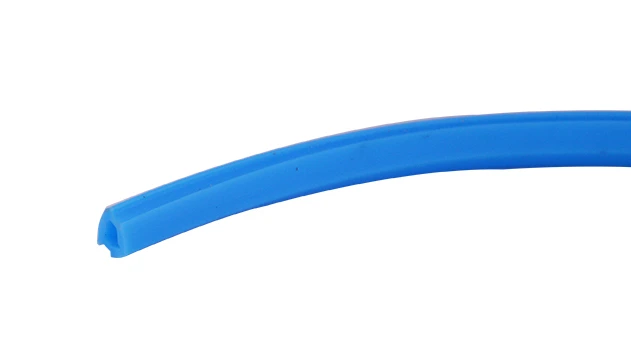
The rubber T-slot seal cover prevents dust and debris buildup, covers wires in the T-slot channel, and adds an extra layer of protection to applications. It rolls into the T-slot, making it easy to assemble.
Walk into any modern manufacturing facility, warehouse, or workshop, and you'll likely spot a network of sleek, modular structures: workbenches with tool holders, conveyor systems zipping products along, material racks stacked with components, and assembly lines built for efficiency. Behind much of this organization lies a humble but critical component: the aluminum extrusion profile. These versatile, T-slotted frames form the backbone of lean manufacturing setups, allowing teams to customize workflows with ease. But even the sturdiest aluminum profile needs protection—and that's where the T-slot rubber seal cover comes in.
T-slot rubber seal covers are the unsung heroes of industrial infrastructure. They slip into the grooves of aluminum profiles, shielding the slots from dust, debris, and moisture that can corrode metal or jam accessories like brackets and connectors. They dampen noise from moving parts, insulate against temperature fluctuations, and even add a clean, finished look to otherwise utilitarian setups. Whether you're building a lean pipe workstation, a high-precision electronics assembly line, or a heavy-duty storage rack, choosing the right seal cover isn't just about aesthetics—it's about durability, compatibility, and long-term performance.
With so many brands flooding the market, how do you separate the industrial-grade performers from the flimsy, short-lived options? In this guide, we'll break down what to look for in a T-slot rubber seal cover manufacturer, compare top players in the industry, and help you make an informed decision that aligns with your facility's needs. We'll focus on brands that excel in material quality, compatibility with standard aluminum profiles, and reliability—because when your workflow depends on every component, cutting corners on something as small as a seal cover can lead to big headaches down the line.
Key Factors to Consider When Choosing a T-Slot Rubber Seal Cover Brand
Before diving into specific brands, let's outline the critical criteria that set a great T-slot rubber seal cover apart from a mediocre one. These factors will guide your evaluation and ensure you're investing in a product that delivers value over time.
Material Quality: The Foundation of Performance
The material of your seal cover directly impacts its lifespan, flexibility, and resistance to wear. Most industrial-grade options use either EPDM (ethylene propylene diene monomer) rubber or silicone, each with pros and cons:
- EPDM: Ideal for general industrial use, EPDM offers excellent resistance to UV rays, ozone, and temperature extremes (-40°C to 150°C). It's cost-effective, flexible, and holds up well to water and chemical exposure—perfect for facilities with high humidity or occasional spills.
- Silicone: For high-temperature environments (up to 230°C) or applications requiring strict chemical resistance (e.g., pharmaceutical or food processing), silicone is the go-to. It's more expensive than EPDM but offers superior heat tolerance and durability in harsh conditions.
Low-quality brands may cut costs by using recycled rubber or blends with fillers, leading to brittleness, cracking, or discoloration within months. Look for brands that specify their material composition and provide test reports on durability.
Compatibility with Aluminum Profiles
Aluminum extrusion profiles come in standard sizes, from compact 2020 (20mm x 20mm) frames for small workstations to heavy-duty 4080 (40mm x 80mm) profiles for industrial racks. A top-tier seal cover should fit snugly into the T-slot without stretching, tearing, or slipping out. Mismatched sizes can leave gaps, defeating the purpose of protection.
Reputable brands offer a range of seal cover sizes to match common profiles like 2020, 3030, 4040, and 4545. Some even provide custom sizing for non-standard profiles—critical if your setup uses specialized aluminum extrusion profiles.
Durability and Longevity
In a busy facility, seal covers face constant friction from sliding accessories, impacts from tools, and exposure to oils, coolants, or cleaning agents. A durable cover should resist tearing, abrasion, and degradation over time. Look for features like reinforced edges, thicker walls (typically 1.5mm to 3mm), and resistance to compression set (the tendency to lose shape after prolonged pressure).
Customer reviews often highlight longevity—if users mention replacing covers yearly, that's a red flag. Brands with a 5+ year lifespan claim (backed by warranties) are worth prioritizing.
Certifications and Compliance
Industrial environments often have strict safety and regulatory standards. For example, electronics manufacturing may require ESD (electrostatic discharge) protection, while food processing facilities need FDA-compliant materials. Top brands will hold certifications like ISO 9001 (quality management), RoHS (restriction of hazardous substances), or REACH (chemical safety), ensuring their products meet global industry standards.
Customer Support and Availability
Even the best products can have issues. Brands with responsive customer support—whether via phone, email, or online chat—make troubleshooting easier. Look for suppliers that offer technical guidance on installation, replacement, or custom solutions. Availability is another key factor: running out of seal covers during a production shutdown can halt workflows, so choose brands with reliable inventory and fast shipping.
Top T-Slot Rubber Seal Cover Manufacturers: A Detailed Comparison
Now that we've covered what to look for, let's dive into five leading manufacturers known for industrial-grade T-slot rubber seal covers. Each brings unique strengths, so we'll break down their offerings, pros, and cons to help you find the best fit for your needs.
ProSeal Industrial
Founded: 2005 | Specialty: EPDM and silicone seal covers for standard and custom aluminum profiles | Global Reach: North America, Europe, Asia
ProSeal Industrial built its reputation on material quality and compatibility. Their flagship product, the ProGuard EPDM line, is a favorite among manufacturers using lean pipe and accessories setups. Available in 12 sizes (from 2020 to 8080 profiles), ProGuard covers are made with 100% virgin EPDM rubber, tested to withstand 5,000+ cycles of accessory insertion/removal without tearing.
What sets ProSeal apart is their attention to fit: each cover features a slightly tapered edge that grips the T-slot's inner walls, preventing slippage even in high-vibration environments (like near conveyor systems). They also offer a SiliconeX line for high-temperature applications, certified for use in ISO 13485 medical facilities.
Pros: Excellent fit, durable EPDM formula, wide size range, 5-year warranty on material defects.
Cons: Premium pricing (15-20% higher than budget brands), limited custom colors (only black, gray, and white).
AluGuard Solutions
Founded: 2010 | Specialty: Eco-friendly seal covers and aluminum profile accessories | Global Reach: Europe, Middle East, Africa
AluGuard Solutions targets sustainability-focused facilities with their EcoSeal line, made from 30% recycled EPDM rubber without sacrificing performance. Their covers meet EU Ecolabel standards and are fully recyclable at the end of their lifespan—a major plus for companies prioritizing green manufacturing.
Beyond eco-friendliness, AluGuard excels in compatibility. Their seal covers are designed to work seamlessly with their own aluminum profile accessories, including brackets, end caps, and connectors. This integration ensures a snug fit across entire setups, reducing the risk of gaps. They also offer custom colors (blue, yellow, red) for visual organization—useful for color-coding workstations in lean manufacturing environments.
Pros: Sustainable materials, custom colors, integrated with aluminum profile accessories, competitive pricing.
Cons: Recycled rubber may have slightly lower abrasion resistance than virgin EPDM, limited availability in North America.
SealTech Dynamics
Founded: 1998 | Specialty: High-performance silicone seal covers for extreme environments | Global Reach: Worldwide, with a focus on aerospace and automotive
SealTech Dynamics is the go-to for facilities with harsh conditions. Their ThermaSeal silicone line can withstand temperatures from -60°C to 260°C, making it ideal for foundries, automotive paint shops, and aerospace manufacturing. Unlike many silicone covers, which can feel stiff, ThermaSeal uses a proprietary softening agent that maintains flexibility even in sub-zero temperatures.
SealTech also offers a unique "dual-core" design: a silicone outer layer for heat resistance and an EPDM inner core for elasticity. This hybrid approach balances durability and cost, appealing to facilities with mixed-temperature zones. Their covers are compatible with all major aluminum extrusion profiles and come with a 10-year warranty—one of the longest in the industry.
Pros: Industry-leading temperature resistance, hybrid design options, 10-year warranty, global shipping.
Cons: Silicone options are pricey (30-40% higher than EPDM), minimum order quantities for custom sizes.
ProfileShield Co.
Founded: 2012 | Specialty: Budget-friendly EPDM covers for small to mid-sized operations | Global Reach: North America, Latin America
ProfileShield Co. caters to small manufacturers and workshops looking for reliable protection without breaking the bank. Their ValueLine EPDM covers are made with a 70% virgin EPDM blend (the rest is recycled rubber for cost savings) and come in the four most common sizes: 2020, 3030, 4040, and 4545. While not as durable as ProSeal's ProGuard, ValueLine covers hold up well in low-to-moderate traffic areas, like assembly workbenches or light-duty material racks.
What makes ProfileShield popular is their accessibility: they sell directly to consumers via online marketplaces, with no minimum orders and fast shipping (2-3 days in the U.S.). They also offer a "sample pack" with one cover of each size, letting buyers test fit before bulk ordering—handy for those new to aluminum profile setups.
Pros: Affordable, no minimum orders, sample packs available, fast shipping.
Cons: Shorter lifespan (2-3 years in high-traffic areas), limited size range, no silicone options.
EcoSeal Systems
Founded: 2015 | Specialty: Food-grade and medical-grade seal covers | Global Reach: Europe, Asia, Australia
EcoSeal Systems targets regulated industries with their PharmaSeal and FoodSeal lines, both made from FDA-compliant silicone and certified free of BPA, phthalates, and heavy metals. PharmaSeal is used in cleanrooms and medical device manufacturing, where contamination risks are high, while FoodSeal is designed for food processing facilities, resisting oils, acids, and frequent washdowns with sanitizing agents.
EcoSeal's covers feature a smooth, non-porous surface that's easy to clean (no crevices for bacteria to hide) and a "grip-lock" edge that adheres to aluminum profiles even when wet. They also offer custom formulations for allergen-free or low-outgassing requirements, critical for semiconductor manufacturing.
Pros: FDA/medical certifications, easy to clean, custom formulations available, excellent for regulated industries.
Cons: Premium pricing, limited focus on standard industrial use cases.

Side-by-Side Comparison: Which Brand Fits Your Needs?
| Brand | Material Options | Compatible Profile Sizes | Temp Range | Certifications | Price Range (Per Meter) | Best For |
|---|---|---|---|---|---|---|
| ProSeal Industrial | EPDM, Silicone | 2020, 3030, 4040, 4545, 8080, custom | -40°C to 260°C | ISO 9001, RoHS | $4.50–$12.00 | High-traffic industrial setups, lean pipe systems |
| AluGuard Solutions | Recycled EPDM | 2020, 3030, 4040, 4545 | -30°C to 150°C | EU Ecolabel, RoHS | $3.80–$7.50 | Sustainable facilities, color-coded workstations |
| SealTech Dynamics | Silicone, EPDM-Silicone Hybrid | All standard sizes, custom | -60°C to 260°C | ISO 9001, AS9100 (aerospace) | $8.00–$18.00 | Extreme temperatures (foundries, aerospace) |
| ProfileShield Co. | EPDM (70% virgin) | 2020, 3030, 4040, 4545 | -20°C to 140°C | RoHS | $2.50–$5.00 | Small workshops, budget-conscious buyers |
| EcoSeal Systems | FDA-grade Silicone | 2020, 3030, 4040, 4545, custom | -40°C to 230°C | FDA, ISO 13485, REACH | $9.00–$15.00 | Food processing, medical device manufacturing |

Real-World Impact: How the Right Seal Cover Boosts Efficiency
To illustrate the difference a quality T-slot rubber seal cover makes, let's look at two case studies from manufacturing facilities that upgraded their covers.
Case Study 1: Automotive Plant Reduces Maintenance Costs with ProSeal
A mid-sized automotive parts manufacturer in Michigan was struggling with frequent downtime due to debris buildup in their aluminum profile workstations. Their previous budget seal covers (from an unknown brand) were cracking after 6–8 months, allowing metal shavings and coolant to enter the T-slots. This led to stuck brackets, rusted profiles, and monthly maintenance checks that took 2–3 hours per workstation.
In 2023, they switched to ProSeal's ProGuard EPDM covers. After 18 months, the results were clear: debris buildup dropped by 85%, maintenance checks were reduced to quarterly, and no covers needed replacement. The plant manager reported saving $12,000 annually in labor and replacement costs—well worth the initial 20% price increase over their old covers.
Case Study 2: Bakery Upgrades to EcoSeal for Food Safety Compliance
A commercial bakery in California faced an FDA audit failure in 2022 due to mold growth in the T-slots of their aluminum profile material racks. Their generic rubber covers were porous and difficult to clean, trapping flour dust and moisture. The bakery needed a solution that met FDA standards and could withstand daily washdowns with hot water and sanitizer.
They installed EcoSeal's FoodSeal silicone covers, which have a non-porous surface and grip-lock edges that prevent water from seeping into slots. During their next audit (6 months later), the bakery passed with zero violations. The maintenance team noted that cleaning time per rack dropped from 45 minutes to 15 minutes, as the smooth covers wiped clean with a damp cloth.
Final Thoughts: Invest in Quality, Reap the Rewards
T-slot rubber seal covers might seem like a small component in your industrial setup, but their impact on efficiency, maintenance, and longevity is significant. Choosing the right brand means balancing material quality, compatibility, and cost—whether you need budget-friendly protection for a small workshop or high-temperature silicone covers for a foundry.
For most industrial applications, ProSeal Industrial stands out for its durability, wide compatibility, and reliable performance. If sustainability is a priority, AluGuard Solutions offers eco-friendly options without sacrificing fit. For extreme environments, SealTech Dynamics ' hybrid and silicone covers are unmatched, while EcoSeal Systems is the clear choice for regulated industries like food and medical.
Remember: a cheap seal cover might save money upfront, but frequent replacements and downtime will cost you more in the long run. By investing in a reputable brand, you're protecting your aluminum extrusion profiles, streamlining maintenance, and ensuring your facility runs smoothly for years to come.