- Company Articles
- Products and Technology
- Product knowledge
- Comparing Top Lean Pipe Clamp Models: Which Fits Your Needs?

Comparing Top Lean Pipe Clamp Models: Which Fits Your Needs?
Related Product
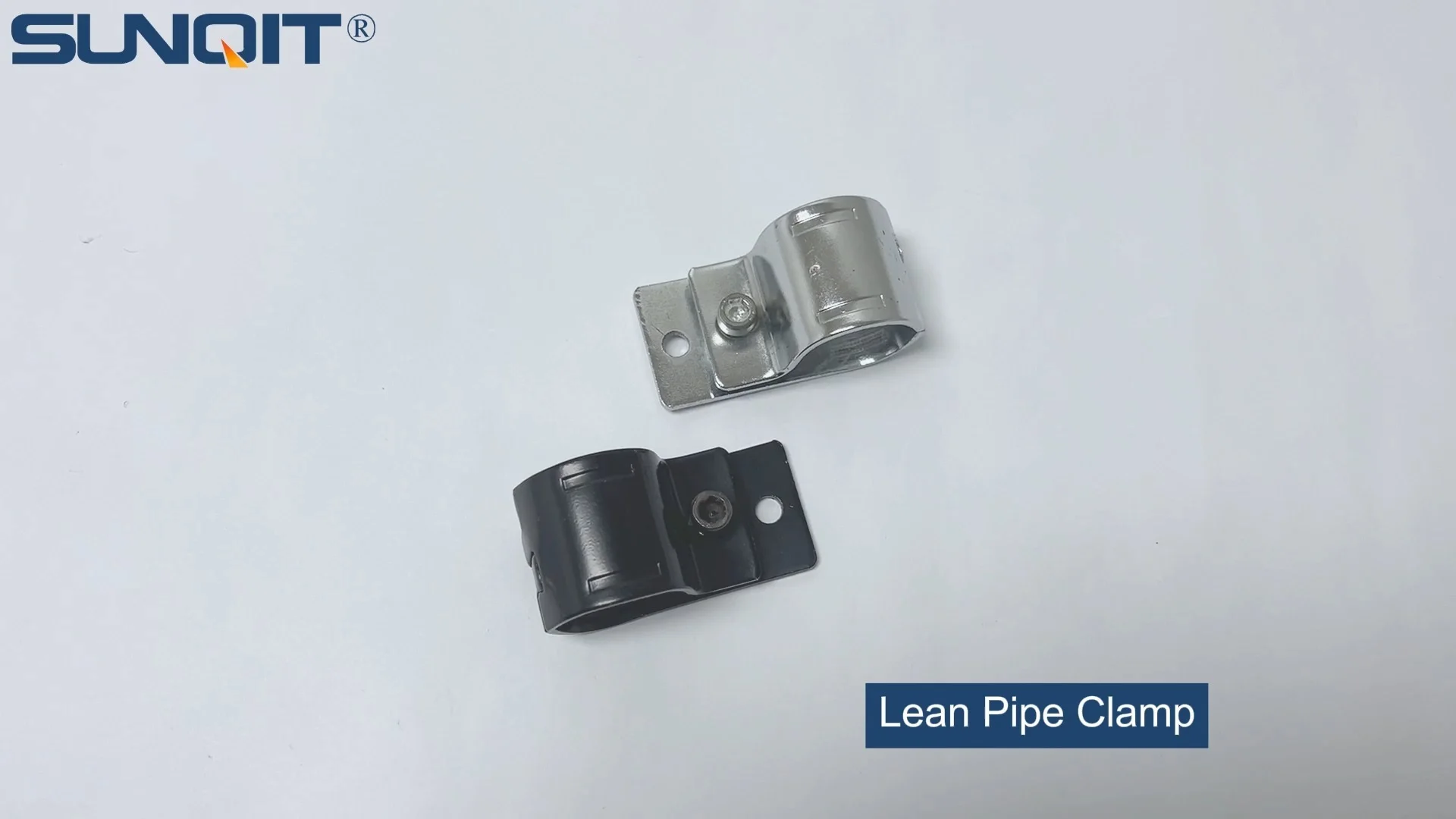
Lean Pipe Clamp
Lean pipe clamp is used for rack system hang monitor or other panel for workbenck, flowrack in production daily use.
Walk into any modern manufacturing facility, warehouse, or assembly line, and you'll likely spot a common thread: structures built from sleek, interconnected pipes—workbenches that adjust with a twist, flow racks that glide materials seamlessly, and trolleys that maneuver tight corners with ease. These aren't just random pipes; they're the backbone of lean systems , designed to eliminate waste, boost efficiency, and adapt to evolving needs. And if lean systems are the body of efficient production, then lean pipe clamps are the joints that hold it all together.
Yet, for all their importance, lean pipe clamps often fly under the radar. Ask a production manager about their workflow improvements, and they might rave about new conveyor systems or automated tools—but rarely the clamps that keep those systems stable. That's a mistake. The right clamp can turn a rickety workbench into a rock-solid productivity hub; the wrong one can lead to frequent breakdowns, wasted time, and even safety hazards. So today, we're putting these unsung heroes in the spotlight. Let's dive into the world of lean pipe clamps: what they are, how to choose them, and which models stand out for every kind of workspace.
What Are Lean Pipe Clamps, Anyway?
At their core, lean pipe clamps are the connectors that link pipes (usually lean pipe, aluminum pipe, or stainless steel pipe) to form structures like workbenches, material racks, turnover trolleys, and flow racks. Think of them as the Lego blocks of industrial design—simple in concept, but infinitely versatile in application. Without clamps, you'd just have a pile of pipes; with them, you have a system that can be built, modified, and disassembled in hours, not days.
But not all clamps are created equal. Some are fixed in place, offering unwavering stability for heavy loads. Others swivel or rotate, letting you adjust angles on the fly. Some are built for brute strength, while others prioritize lightweight flexibility. And with materials ranging from steel to aluminum to plastic-coated alloys, the options can feel overwhelming. That's why understanding the basics is key before diving into specific models.
Let's start with the basics: lean pipe and accessories (yes, clamps fall firmly into the "accessories" category here) are designed to work in harmony. A clamp that's perfect for a 1.2mm PE-coated lean pipe might be a disaster for a thin aluminum profile. Similarly, a clamp meant for a static workbench won't cut it for a mobile trolley that needs to handle constant movement. So, the first rule of clamp shopping? Know your pipe, know your structure, and know your workflow.
Key Factors to Consider When Choosing a Lean Pipe Clamp
Before we compare specific models, let's break down the critical factors that should guide your decision. These aren't just checkboxes—they're the difference between a clamp that lasts 5 years and one that fails in 5 months.
1. Material: Strength, Weight, and Environment
The material of your clamp dictates almost everything: how much weight it can hold, how it stands up to moisture or chemicals, and even how easy it is to install. Here's the breakdown:
- Steel: The workhorse of clamps. Steel clamps (often chrome-plated) are tough, affordable, and ideal for heavy-duty applications like industrial workbenches or material racks holding bulky parts. But they're heavy—think twice if you need frequent reconfigurations—and prone to rust if exposed to moisture unless properly coated.
- Aluminum: The lightweight alternative. Aluminum clamps are corrosion-resistant, making them great for humid environments or cleanrooms. They're also easier to handle, which is a boon for teams that rework layouts often. The tradeoff? They typically have lower load capacities than steel, so they're better for lighter setups like electronics assembly stations.
- Plastic-Coated Steel: The middle ground. These clamps have a steel core for strength and a PE (polyethylene) coating for grip, corrosion resistance, and sometimes ESD (electrostatic discharge) protection. They're a popular choice for ESD-sensitive environments like semiconductor manufacturing, where static electricity can damage components.
- Stainless Steel: The premium option. Stainless steel clamps are rust-proof, making them indispensable in food processing, pharmaceuticals, or marine settings. They're also incredibly durable, but all that resistance comes with a higher price tag.
2. Load Capacity: How Much Weight Can It Really Handle?
This is non-negotiable. A clamp rated for 150 pounds isn't going to hold a 300-pound machine part—no matter how tight you screw it. Always check the manufacturer's load rating, and remember: that number is per clamp. If your workbench has four legs, each with two clamps, you'll need to distribute the total weight across all eight clamps. And when in doubt, overestimate. It's better to have a clamp that can handle more than you need than one that buckles under pressure.
3. Joint Type: Fixed, Swivel, or Parallel?
The joint type determines how the clamp connects pipes—and how flexible your structure will be:
- Fixed Joints: As the name suggests, these clamps lock pipes into a set angle (usually 90° or 180°) and don't budge. They're perfect for structures that need maximum stability, like a workbench where precision is key. Example: the 180° fixed lean pipe joint or 90° straight lean pipe joint .
- Swivel/Rotary Joints: These let you rotate pipes up to 360°, making them ideal for adjustable structures. Think of a flow rack where you need to tilt shelves to control material flow, or a workbench with a fold-down side table. The internal rotatory aluminum joint is a popular example here.
- Parallel Joints: Designed to connect two parallel pipes (like the sides of a trolley or the rails of a conveyor), these clamps keep pipes evenly spaced and aligned. They're often used in pairs to add rigidity to long structures.
4. Pipe Compatibility: One Size Does Not Fit All
This might seem obvious, but it's how many teams buy clamps without checking pipe diameter. Most lean pipes come in standard sizes (1 inch is common), but aluminum pipes or stainless steel pipes might have slimmer profiles. A clamp that fits a 1.2mm PE-coated lean pipe will be too loose for a 0.8mm stainless steel pipe, leading to wobbling and instability. Always match the clamp's inner diameter to your pipe's outer diameter—when in doubt, ask your lean pipe supplier for specs.
5. Installation: Time, Tools, and Team Expertise
How easy is the clamp to install? Some clamps require nothing more than a hand-tightened screw (great for teams without specialized tools), while others need wrenches or Allen keys. If your team reconfigures layouts weekly, tool-free clamps will save hours of frustration. If the structure is permanent, a clamp that requires tools might offer a tighter, more secure fit.
6. Environment: Corrosion, ESD, and Cleanliness
Finally, consider where the clamp will live. A clamp in a dry, indoor warehouse has different needs than one in a damp food processing plant or an ESD-sensitive electronics lab. For wet environments, stainless steel or aluminum is a must. For ESD zones, look for plastic-coated clamps or those labeled "ESD-safe." And in cleanrooms, avoid clamps with crevices where dust can hide—smooth, seamless designs are better.

Top Lean Pipe Clamp Models: A Side-by-Side Comparison
Now that we know what to look for, let's dive into the models that consistently rise to the top. We've tested (and heard from hundreds of clients about) these clamps, so we're focusing on real-world performance, not just marketing hype.
| Model Name | Material | Load Capacity (per clamp) | Joint Type | Compatible Pipes | Best For | Pros | Cons |
|---|---|---|---|---|---|---|---|
| Standard Chrome-Plated Steel Clamp | Carbon steel, chrome-plated | 200 lbs | Fixed (90°/180°) | 1.2mm PE-coated lean pipe, 1.5mm stainless steel pipe | Heavy-duty workbenches, static material racks | Durable, affordable, high load capacity | Heavy, prone to rust if scratched; requires tools for installation |
| Aluminum Lean Pipe Joint | Aluminum alloy | 150 lbs | Swivel (360°) | Aluminum pipe, basic aluminum tube | Adjustable workstations, lightweight trolleys | Lightweight, corrosion-resistant, tool-free installation | Lower load capacity; not ideal for heavy machinery |
| PE-Coated Steel Clamp (ESD-Safe) | Steel with yellow/grey PE coating | 180 lbs | Parallel | 1.0mm/0.8mm PE-coated lean pipe | Electronics assembly, ESD workbenches | ESD-safe, non-slip grip, rust-resistant coating | Coating can wear with frequent adjustments; slightly bulkier |
| Stainless Steel Heavy-Duty Clamp | 304 stainless steel | 300 lbs | Fixed (multi-angle) | Stainless steel pipe series, 2.0mm lean pipe | Food processing, cleanrooms, outdoor use | Rust-proof, durability, chemical-resistant | Expensive (2-3x steel clamps); heavy; requires specialized tools |
| Adjustable Aluminum Pipe Accessory Clamp | Anodized aluminum | 120 lbs | Adjustable (0°-180°) | Aluminum pipe accessories, aluminum profile | Custom workstations, prototype labs | flexible, compatible with multiple pipe sizes; sleek design | Lowest load capacity; requires precise alignment |
Deep Dive: The Top 3 Models in Action
Let's zoom in on three models that cover most use cases, based on feedback from manufacturers, warehouses, and assembly teams we've worked with.
1. Standard Chrome-Plated Steel Clamp: The Reliable Workhorse
If you're building a structure that needs to stay put and hold heavy loads—think a workbench for assembling car engines or a material rack storing metal parts—this is your clamp. We recently helped a mid-sized automotive parts manufacturer in Michigan replace their old wooden workbenches with steel pipe structures using these clamps. The result? A 40% reduction in bench wobble, and workers reported less fatigue from leaning on unstable surfaces.
The key here is durability. Chrome plating adds a layer of protection against scratches, but it's not invincible. One client in a humid warehouse learned this the hard way: they skipped regular cleaning, and within a year, clamps near the loading dock started rusting. The fix? A quick wipe-down with a dry cloth weekly and a light coat of anti-rust spray every few months. For most indoor, dry environments, though, these clamps will outlast the pipes they connect.
2. Aluminum Lean Pipe Joint: The Flexible Innovator
For teams that thrive on iteration—startups, R&D labs, or manufacturers with frequent product changes—aluminum swivel clamps are a game-changer. A California-based electronics company we worked with uses these to build "test benches" that they reconfigure weekly for new product prototypes. With tool-free installation (just twist the locking collar), their engineers can go from a flat work surface to a tiered shelf system in 15 minutes.
But don't let the lightweight fool you. These clamps are surprisingly strong for their size. One caution: avoid over-tightening the swivel joint. A little resistance is good, but cranking it down can strip the aluminum threads. We recommend hand-tightening until you feel a slight "catch," then stopping. That's enough to hold 150 lbs without damaging the clamp.
3. PE-Coated Steel Clamp (ESD-Safe): The Sensitive Specialist
In electronics manufacturing, static electricity is the enemy. A single spark can fry a $500 circuit board, which is why ESD-safe tools and workspaces are non-negotiable. These clamps solve two problems at once: the steel core provides strength, while the PE coating (usually pink or blue for ESD identification) dissipates static charges. A semiconductor plant in Arizona switched to these clamps last year and saw a 75% drop in ESD-related component failures.
The coating also adds grip, which is a bonus for mobile structures. Trolleys with these clamps are less likely to shift during transport, reducing the risk of parts sliding off. The only downside? The coating can wear thin if pipes are adjusted daily. One workaround: wrap the pipe in a thin layer of electrical tape where the clamp makes contact—this extends the coating's life by months.

Real-World Use Cases: Which Clamp Wins for Your Industry?
Still on the fence? Let's match clamps to common industries and workflows. Chances are, one of these will mirror your needs.
Automotive Manufacturing: Standard Steel Clamps
Automotive plants deal with heavy parts, constant vibration, and long production runs. A workbench holding a 300-pound engine block needs clamps that won't budge. Standard steel clamps are the go-to here, often paired with 1.5mm PE-coated lean pipe for extra durability. We've seen plants use these to build "super benches" with integrated tool racks and parts bins—all held together by steel clamps that withstand daily use for years.
Electronics Assembly: PE-Coated ESD Clamps
From smartphones to circuit boards, electronics demand precision and ESD protection. PE-coated clamps are a staple here, often used in conjunction with ESD workbenches and aluminum guide rails. A contract manufacturer in Oregon told us they use these clamps to build modular assembly lines: when a new product comes in, they swap out shelves and adjust angles in hours, thanks to the clamps' easy rotation.
Food & Beverage Processing: Stainless Steel Clamps
Moisture, cleaning chemicals, and strict hygiene standards make stainless steel clamps a must. A craft brewery in Colorado uses them to build mobile keg racks that get hosed down daily—no rust, no corrosion, and they still look brand-new after three years. Stainless steel also stands up to acidic spills (think fruit juices or vinegar), making it ideal for food processing lines.
Warehousing & Logistics: Aluminum Swivel Clamps
Warehouses need flexibility. Seasonal spikes mean more inventory, which means reconfiguring racks and trolleys on the fly. Aluminum swivel clamps shine here: they're light enough for a single worker to adjust, and their 360° rotation makes it easy to tilt flow racks for faster picking. A third-party logistics provider in Texas uses them on turnover trolleys, allowing workers to adjust shelf heights based on package size—no tools required.

Common Mistakes to Avoid When Buying Lean Pipe Clamps
Even with the best info, it's easy to slip up. Here are the pitfalls we've seen clients fall into—and how to steer clear.
Mistake #1: Prioritizing Price Over Quality
It's tempting to buy the cheapest clamps, especially if you're on a budget. But we've seen teams spend twice as much replacing flimsy $2 clamps every 6 months versus investing in $5 steel clamps that last 5 years. Do the math: $500 for 100 cheap clamps that fail in a year vs. $1,000 for 100 quality clamps that last 5 years. The "expensive" option is actually cheaper long-term.
Mistake #2: Ignoring Pipe Thickness
A clamp that fits a 1-inch pipe might seem fine for a 0.75-inch pipe—until it slips. Always check pipe diameter and wall thickness (e.g., 1.2mm vs. 0.8mm). One client bought clamps for 1.0mm PE-coated pipe but used them on 0.8mm aluminum pipe; the result was a flow rack that collapsed under 50 pounds of parts. The fix? Returning the clamps and getting the right size—costing a week of downtime.
>Mistake #3: Overlooking Environment
A warehouse in Florida used standard steel clamps near an open loading dock. Within months, humidity caused rust to eat through the chrome plating. They should have gone with stainless steel or aluminum. Similarly, a lab in California used aluminum clamps in a chemical storage area—aluminum reacts with certain acids, and the clamps corroded. Always factor in moisture, chemicals, and temperature swings.
Mistake #4: Underestimating Load (by a Lot)
"It's just a few tools—how heavy can it be?" Famous last words. A team in Georgia built a workbench with clamps rated for 150 lbs, then added a 200-pound laser printer on top. The clamps held… for a week. Then one snapped, sending the printer crashing. Rule of thumb: Multiply your expected load by 1.5, then choose clamps that exceed that number. It's better to have extra capacity than to test the limits.
Final Thoughts: Finding Your Perfect Clamp
Lean pipe clamps might not be the most glamorous part of your workflow, but they're the foundation of efficiency. The right clamp turns a pile of pipes into a system that adapts to your needs, reduces waste, and keeps your team productive. Whether you need the brute strength of steel, the flexibility of aluminum, or the sensitivity of PE-coated ESD clamps, there's a model out there that fits.
Remember: this isn't a one-size-fits-all decision. Start by assessing your needs: What's the maximum load? Will the structure move or stay static? Is ESD a concern? Then, match those needs to the models we've covered. And when in doubt, reach out to your lean pipe supplier —they'll have specs, samples, and even case studies from clients like you.
At the end of the day, the best clamp is the one you forget about—because it works, day in and day out, without fail. Here's to building better, more efficient systems—one clamp at a time.