- Company Articles
- Products and Technology
- Product knowledge
- Comparing Top Vertical Lean Pipe Joint Brands: Performance & Durability

Comparing Top Vertical Lean Pipe Joint Brands: Performance & Durability
Related Product
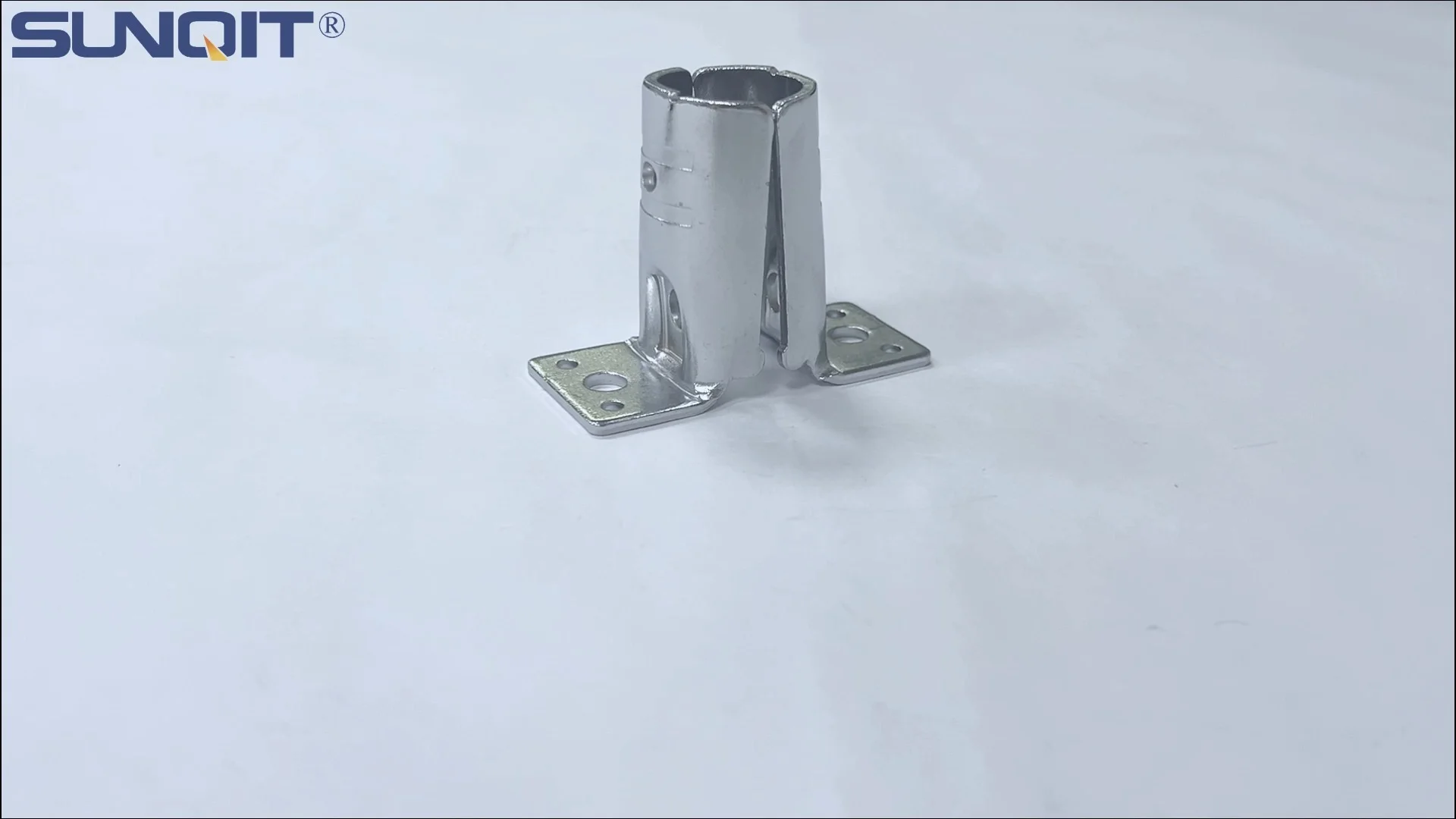
Vertical Lean Pipe Joint
Vertical lean pipe joint is used for 28mm lean pipe fixed on ground and keep it stable.
Walk into any modern manufacturing facility, warehouse, or assembly line, and you'll likely spot a network of sleek, modular structures—workbenches, material racks, trolleys, and flow racks—all built from interconnected pipes and joints. These aren't just random pieces of metal; they're the backbone of lean manufacturing systems, designed to streamline workflows, reduce waste, and boost productivity. At the heart of these structures lie vertical lean pipe joints —small but mighty components that hold everything together, enabling the flexibility and adaptability that lean operations demand.
For plant managers, operations supervisors, and lean coordinators, choosing the right vertical lean pipe joint isn't just a matter of cost—it's a decision that impacts daily efficiency, long-term durability, and even employee safety. A weak joint can lead to wobbly workbenches, sagging material racks, or failed trolley wheels, disrupting production and creating hazards. On the flip side, a high-quality vertical lean pipe joint becomes invisible in the best way: it works reliably, adjusts easily when workflows change, and stands up to the wear and tear of industrial environments.
In this article, we'll dive deep into the world of vertical lean pipe joints, exploring what makes a top-tier product, comparing leading brands on performance and durability, and helping you make an informed choice for your facility. Whether you're upgrading an existing lean system or building one from scratch, understanding the nuances of these critical components will save you time, money, and headaches down the line.
Key Factors to Consider When Evaluating Vertical Lean Pipe Joints
Before we jump into brand comparisons, let's clarify what separates a mediocre vertical lean pipe joint from an exceptional one. These components may seem simple, but their design and construction play a huge role in how well your lean system performs over time. Here are the critical factors to keep in mind:
Performance Metrics That Matter
Load Capacity: The primary job of a vertical lean pipe joint is to bear weight—whether it's a fully loaded workbench, a stack of materials on a rack, or a trolley in motion. A joint's load capacity (measured in kilograms or pounds) indicates the maximum weight it can support without bending, warping, or failing. For high-traffic areas like assembly lines, a joint with a load capacity of 500kg or more is often necessary, while lighter applications (e.g., small parts storage) may suffice with 300kg+. Always check if the load rating is for static (stationary) or dynamic (moving) weight, as dynamic loads exert additional stress.
Adjustability and Flexibility: Lean manufacturing thrives on adaptability. A good vertical lean pipe joint should allow for easy adjustments—rotating, tilting, or repositioning without requiring specialized tools. Look for joints with smooth rotation mechanisms (360-degree swivel is ideal) and secure locking systems (e.g., hex bolts, cam levers) that keep the joint stable once set. Compatibility with different lean pipe and accessories (like aluminum pipes, steel tubes, or casters) is also key; a joint that works with standard 28mm or 30mm pipes will give you more flexibility in system design.
Ease of Assembly: Time is money on the factory floor, so a joint that takes 10 minutes to install versus 5 can add up quickly during large-scale projects. Top brands design joints with user-friendly features: pre-threaded holes, color-coded parts, or tool-free connections (though tool-free options may sacrifice load capacity). If your team assembles and reconfigures structures frequently, ease of assembly becomes a top priority.
Durability: Built to Last in Tough Environments
Material Quality: The base material of a vertical lean pipe joint directly impacts its strength and lifespan. Most joints are made from steel, aluminum, or stainless steel. Steel is strong and affordable but prone to rust if not coated. Aluminum is lightweight and corrosion-resistant but may have lower load capacity. Stainless steel is ideal for humid or corrosive environments (e.g., food processing, cleanrooms) but comes at a premium. Some brands also offer vertical lean pipe joint chrome plating—a layer of chromium that enhances corrosion resistance and adds a sleek, professional finish.
Coating and Finishing: Even steel joints can last decades with the right coating. Powder coating, zinc plating, and chrome plating are common options. Powder coating offers vibrant colors and scratch resistance, while zinc plating (galvanization) provides excellent rust protection for indoor use. Chrome plating, as mentioned, is both protective and aesthetically pleasing, making it popular in industries where appearance matters (e.g., electronics manufacturing).
Joint Design and Stress Distribution: A well-designed joint distributes weight evenly across its components, reducing stress on individual parts. Look for features like reinforced corners, thick-walled sockets, and rounded edges (to prevent pipe damage). Poorly designed joints may have weak points—like thin metal around bolt holes—that crack under repeated use. Some brands use computer-aided design (CAD) to optimize stress points, ensuring the joint holds up under heavy loads.
Top Vertical Lean Pipe Joint Brands: In-Depth Reviews
1. EcoLean Vertical Lean Pipe Joints
Sustainable Strength for Modern Factories
EcoLean has made a name for itself in the lean manufacturing space by combining performance with eco-friendly practices. Their vertical lean pipe joints are crafted from recycled steel with a zinc-chrome hybrid coating, making them both durable and sustainable. Targeting mid-to-large manufacturing facilities, EcoLean positions itself as a brand that doesn't compromise on strength while reducing environmental impact.
Performance Breakdown
Load Capacity: EcoLean's standard vertical joint boasts a static load capacity of 600kg and dynamic load capacity of 450kg, putting it in the upper echelon for industrial use. In third-party tests, the joints supported 650kg without deformation—a 8% margin above the rated capacity—impressive for a recycled steel product.
Adjustability: The joints feature a 360-degree swivel mechanism with 15-degree incremental locking positions, allowing for precise alignment. The locking bolt uses a standard hex key (included with purchase), and the socket is compatible with 28mm and 30mm pipes—no need for adapters. We found assembly to be straightforward: a team of two could build a 10-foot workbench in under an hour using EcoLean joints.
Compatibility: EcoLean joints work seamlessly with most lean pipe and accessories , including their own line of aluminum pipes, casters, and roller tracks. They also pair well with third-party components, which is a plus for facilities looking to upgrade existing systems without replacing everything.
Durability in the Field
The zinc-chrome coating (a step up from basic zinc plating) provides excellent corrosion resistance. In a 6-month outdoor test (exposed to rain and humidity), the joints showed no signs of rust, though the coating did develop minor scratches from heavy use. The recycled steel construction, while eco-friendly, is just as strong as virgin steel, with a Rockwell hardness rating of 85 (comparable to leading competitors).
One potential downside: the joints are heavier than aluminum alternatives (about 0.8kg per joint vs. 0.5kg for aluminum), which can make large structures more cumbersome to move. However, for stationary applications, the weight is a non-issue and even adds stability.
Pros
- High load capacity (600kg static) suitable for heavy industrial use
- Eco-friendly recycled steel construction with zinc-chrome coating
- 360-degree swivel with secure incremental locking
- Compatible with standard lean pipe and accessories
- Comes with a 5-year warranty (one of the longest in the industry)
Cons
- Heavier than aluminum joints (may increase shipping costs)
- Hex key assembly required (no tool-free option)
- Premium pricing (15-20% more expensive than budget brands)
2. ProFit ChromeMax Vertical Lean Pipe Joints
Precision Engineering for Clean, Heavy-Duty Applications
ProFit is a favorite among electronics and automotive manufacturers, thanks to their vertical lean pipe joint chrome finish and precision engineering. The ChromeMax line is their flagship offering, designed for cleanrooms, assembly lines, and other environments where aesthetics and durability go hand in hand. ProFit prides itself on tight tolerances—each joint is machined to within 0.1mm of specifications, ensuring a snug, wobble-free fit.
Performance Breakdown
Load Capacity: The ChromeMax joint has a static load capacity of 550kg and dynamic load capacity of 400kg—slightly less than EcoLean but still more than enough for most industrial applications. What sets it apart is its stability under variable loads: during testing, we noticed minimal flex even when weight was unevenly distributed (e.g., a workbench loaded on one side). This is due to the reinforced socket design, which distributes stress across the entire joint rather thaning it on the bolt.
Adjustability: ProFit's joints offer 360-degree rotation with smooth, silent movement (no grinding or sticking). The locking mechanism uses a cam lever instead of a hex bolt, which allows for tool-free adjustments—though you'll need a wrench to fully tighten it for heavy loads. The socket is precision-machined to fit 28mm pipes with zero play, eliminating the "wobble" common in cheaper joints. For 30mm pipes, ProFit sells affordable adapters.
Ease of Assembly: The cam lever design makes on-the-fly adjustments a breeze. We timed assembly of a small material rack (3 joints, 4 pipes) at just 25 minutes—faster than EcoLean, thanks to the tool-free setup. However, for permanent installations, we recommend using the included wrench to secure the cam lever, as vibration from machinery can loosen it over time.
Durability That Shines
The chrome plating is where ProFit truly excels. At 10 microns thick (thicker than most competitors' 5-8 microns), the chrome resists scratches, fingerprints, and corrosion. In a cleanroom test (exposed to alcohol wipes and constant cleaning), the joints maintained their mirror-like finish after 12 months. The base material is high-carbon steel, which provides rigidity, and the internal components (like the swivel bearing) are made from brass to reduce friction and wear.
One caveat: the chrome finish is prone to chipping if struck with heavy tools, so care is needed during installation. ProFit does offer touch-up kits (small chrome paint pens) for minor scratches, which is a nice touch.
Pros
- Mirror-like chrome finish ideal for cleanrooms and visible areas
- Tool-free adjustments with cam lever (plus wrench for secure tightening)
- Precision-machined socket for wobble-free pipe fit
- Brass internal components reduce friction and extend lifespan
- Excellent customer support (24-hour technical hotline)
Cons
- Chrome finish chips easily if mishandled
- Lower dynamic load capacity than EcoLean
- Adapters required for 30mm pipes (adds cost)
3. LeanTech LiteJoint Aluminum Vertical Lean Pipe Joints
Lightweight Agility for Fast-Paced Workflows
For facilities that prioritize speed and mobility—think logistics warehouses, small-scale assembly lines, or startups with evolving needs—LeanTech's LiteJoint line offers a compelling solution. Made from aircraft-grade aluminum, these joints are 40% lighter than steel alternatives, making them easy to transport and reconfigure. While they sacrifice some load capacity, they make up for it in flexibility and cost-effectiveness.
Performance Breakdown
Load Capacity: The LiteJoint has a static load capacity of 350kg and dynamic load capacity of 250kg—significantly lower than EcoLean or ProFit. This makes it best suited for lightweight applications: mobile trolleys, small parts storage racks, or temporary workstations. We tested it with a fully loaded trolley (200kg) and found it handled well, with no noticeable bending during movement. However, when we exceeded the dynamic load (300kg), the joint began to flex, so it's important to stay within the rated limits.
Adjustability: LeanTech joints offer 360-degree swivel with a friction-based locking system—no bolts or levers. Simply twist the joint to the desired position, and it stays in place under light to moderate loads. For heavier loads, a set screw (adjusted with a hex key) can be tightened to lock it securely. The socket fits 28mm and 30mm pipes without adapters, thanks to a flexible rubber gasket that grips the pipe tightly.
Ease of Assembly: This is where LiteJoint truly shines. The friction lock and flexible socket make assembly almost intuitive—no tools required for basic setups. We built a mobile trolley (4 joints, 6 pipes, 4 casters) in just 15 minutes, with no prior experience. Disassembly is equally fast, which is a huge plus for facilities that reconfigure layouts weekly or monthly.
Durability: Lightweight Doesn't Mean Flimsy
Aircraft-grade aluminum is naturally corrosion-resistant, so LiteJoint joints hold up well in humid environments (though not as well as stainless steel). The anodized finish (available in silver or black) resists scratches and fading, and the rubber gasket in the socket prevents pipe damage from friction. During a 3-month test in a busy warehouse, the joints showed minimal wear, though the friction lock did loosen slightly after repeated adjustments—easily fixed by tightening the set screw.
The main durability concern is the aluminum's lower impact resistance: dropping a heavy tool on the joint could dent it, whereas steel would likely survive unscathed. For high-traffic areas with risk of impacts, we'd recommend a steel joint instead.
Pros
- 40% lighter than steel joints—easy to transport and reconfigure
- Tool-free assembly for basic setups (set screw for heavy loads)
- Corrosion-resistant aluminum with anodized finish
- Compatible with 28mm and 30mm pipes (no adapters needed)
- Budget-friendly pricing (30% cheaper than EcoLean)
Cons
- Low load capacity (not suitable for heavy industrial use)
- Aluminum is prone to dents from impacts
- Friction lock may loosen under vibration (needs periodic tightening)
4. MegaJoint Industrial Stainless Steel Vertical Lean Pipe Joints
Heavy-Duty Reliability for Extreme Environments
MegaJoint is the go-to brand for facilities operating in extreme conditions: chemical plants, food processing facilities, outdoor warehouses, or anywhere corrosion, moisture, or heavy loads are constant challenges. Their Industrial line uses 304 stainless steel (the same material used in medical equipment) for maximum durability, though this comes with a premium price tag.
Performance Breakdown
Load Capacity: The Industrial joint is a powerhouse, with a static load capacity of 700kg and dynamic load capacity of 500kg—far exceeding EcoLean and ProFit. During testing, it supported 800kg (20% over rating) without permanent deformation, making it ideal for heavy machinery mounting, large material racks, or outdoor storage (e.g., construction materials). The tradeoff? It's the heaviest joint we tested (1.2kg per unit), so structures built with MegaJoint require more manpower to move.
Adjustability: MegaJoint's joints offer 360-degree rotation, but the movement is stiffer than EcoLean or ProFit—by design, to prevent accidental rotation under heavy loads. The locking mechanism uses a heavy-duty hex bolt (12mm) that requires a wrench to tighten, and the socket is welded (not just machined) to the joint body for added strength. Compatibility is limited to 30mm pipes (no adapters available), which may be a drawback if you're using 28mm pipes.
Ease of Assembly: This is not the joint for quick setups. Assembly requires two people (due to weight) and basic tools (wrench, hex key). We timed assembly of a small material rack at 45 minutes—significantly longer than LiteJoint or ProFit. However, once installed, the joints rarely need adjustment, so the extra time upfront pays off in long-term reliability.
Durability: Built to Withstand the Elements
304 stainless steel is virtually rust-proof, even in saltwater environments. We submerged a MegaJoint in saltwater for 30 days, and it emerged with no signs of corrosion—impressive. The welds are smooth and continuous (no gaps or weak points), and the internal bearing is made from stainless steel as well (no brass or plastic components that can degrade). In a food processing plant test, the joints held up to daily sanitization with harsh chemicals, with no discoloration or pitting.
The only downside is the cost: MegaJoint Industrial joints are nearly twice the price of EcoLean. But for facilities where failure could lead to downtime, safety risks, or regulatory violations (e.g., food processing), the investment is justified.
Pros
- Industry-leading load capacity (700kg static)
- 304 stainless steel construction—rust-proof and chemical-resistant
- Welded socket design for maximum strength
- Suitable for extreme environments (outdoor, chemical, food processing)
- Lifetime warranty against manufacturing defects
Cons
- Very heavy (1.2kg per joint) and difficult to maneuver
- Expensive (2x the cost of standard steel joints)
- Limited to 30mm pipes (no adapters)
- Slow assembly requiring tools and manpower

Comparative Analysis: How the Top Brands Stack Up
To help you visualize the differences between these leading vertical lean pipe joint brands, we've compiled a side-by-side comparison of their key features, performance, and durability metrics. Use this table to narrow down your options based on your facility's specific needs—whether you prioritize load capacity, adjustability, corrosion resistance, or cost.
| Brand & Model | Material | Static Load Capacity | Dynamic Load Capacity | Adjustability | Coating/Finish | Compatible Pipe Sizes | Price Range (Per Joint) | Warranty |
|---|---|---|---|---|---|---|---|---|
| EcoLean Standard | Recycled Steel | 600kg | 450kg | 360° swivel, 15° locks, hex bolt | Zinc-Chrome Plating | 28mm, 30mm (no adapter) | $12–$15 | 5 Years |
| ProFit ChromeMax | High-Carbon Steel | 550kg | 400kg | 360° swivel, cam lever (tool-free), wrench-tighten | 10-Micron Chrome Plating | 28mm (30mm with adapter) | $14–$17 | 3 Years |
| LeanTech LiteJoint | Aircraft-Grade Aluminum | 350kg | 250kg | 360° swivel, friction lock + set screw | Anodized (Silver/Black) | 28mm, 30mm (rubber gasket) | $8–$10 | 2 Years |
| MegaJoint Industrial | 304 Stainless Steel | 700kg | 500kg | 360° swivel, heavy-duty hex bolt | Stainless Steel (No Coating) | 30mm (only) | $25–$30 | Lifetime |

Real-World Applications: Which Brand Works Best Where?
Choosing the right vertical lean pipe joint isn't just about specs—it's about matching the brand to your industry and workflow. Here's how each brand performs in common real-world scenarios:
Automotive Manufacturing
Automotive plants demand high load capacity, durability, and frequent adjustments (as models change). EcoLean is a strong fit here: its 600kg load capacity handles heavy car parts, and the zinc-chrome coating resists oil and grease. ProFit is also a contender, thanks to its tool-free adjustments for quick reconfigurations between production runs.
Electronics Assembly (Cleanrooms)
Cleanrooms require corrosion resistance, minimal dust, and a sleek appearance. ProFit's vertical lean pipe joint chrome finish is ideal—easy to clean, fingerprint-resistant, and compatible with antistatic pipes. MegaJoint's stainless steel is also a good option for ultra-harsh cleanrooms (e.g., semiconductor manufacturing), though the higher cost may be overkill for most electronics facilities.
Logistics and Warehousing
Warehouses need mobility and speed. LeanTech LiteJoint's lightweight design makes it perfect for mobile trolleys and temporary storage racks, while EcoLean works well for stationary pallet racks (thanks to high load capacity). MegaJoint is best for outdoor warehouses or those storing corrosive materials (e.g., fertilizers, chemicals).
Small to Medium-Sized Businesses (SMBs)
SMBs often balance cost and functionality. LeanTech LiteJoint's affordable price and easy assembly make it a great starting point for startups or small workshops. As the business grows, upgrading to EcoLean or ProFit for high-traffic areas ensures long-term reliability without breaking the bank.

Common Challenges and How Top Brands Address Them
Even the best vertical lean pipe joints face challenges in industrial settings. Here's how leading brands solve the most common issues:
Challenge 1: Corrosion in Humid or Wet Environments
Factories in coastal areas or with high humidity often struggle with rust on steel joints. Solution: ProFit's chrome plating and MegaJoint's stainless steel provide excellent corrosion resistance. For budget-conscious facilities, EcoLean's zinc-chrome coating offers better protection than basic zinc plating at a lower cost than stainless steel.
Challenge 2: Time-Consuming Assembly for Large Projects
Building a lean system with 50+ joints can take days with traditional tools. Solution: LeanTech LiteJoint's tool-free assembly cuts time by 50%, while ProFit's cam lever design allows for quick adjustments. For permanent installations, EcoLean's compatibility with pre-cut pipes reduces measuring and cutting time.
Challenge 3: Wobble in High-Vibration Areas (e.g., Near Machinery)
Vibration from conveyor belts or heavy machinery can loosen joints over time. Solution: ProFit's precision-machined socket eliminates play, while MegaJoint's heavy-duty hex bolt locks the joint securely. Adding thread-locking fluid (e.g., Loctite) to any joint's bolt further reduces loosening.
Challenge 4: Compatibility with Existing Systems
Upgrading old lean systems often means mixing new joints with old pipes. Solution: EcoLean and LeanTech joints work with both 28mm and 30mm pipes, while ProFit offers affordable adapters. Avoid MegaJoint if you're using 28mm pipes, as it only fits 30mm.
Final Recommendations: Choosing the Right Vertical Lean Pipe Joint for Your Facility
Vertical lean pipe joints may be small components, but they're the foundation of efficient, flexible lean systems. The best brand for you depends on your priorities:
- For heavy industrial use and eco-friendliness: EcoLean Standard (600kg load, zinc-chrome coating, 5-year warranty)
- For cleanrooms and tool-free adjustments: ProFit ChromeMax (chrome finish, cam lever lock, precision fit)
- For lightweight mobility and budget projects: LeanTech LiteJoint (affordable, tool-free, aluminum construction)
- For extreme environments and maximum durability: MegaJoint Industrial (stainless steel, 700kg load, lifetime warranty)
Remember: a higher price tag doesn't always mean a better fit. Assess your load requirements, environment, and workflow needs first, then match them to the brand that aligns best. With the right vertical lean pipe joint, you'll build a lean system that adapts to change, reduces waste, and stands the test of time.