- Company Articles
- Products and Technology
- Product knowledge
- Comparing Turning Angle Code 2020 Across Lean Tube Brands: Which is Best?

Comparing Turning Angle Code 2020 Across Lean Tube Brands: Which is Best?
Related Product
Urning Angle Code 2020
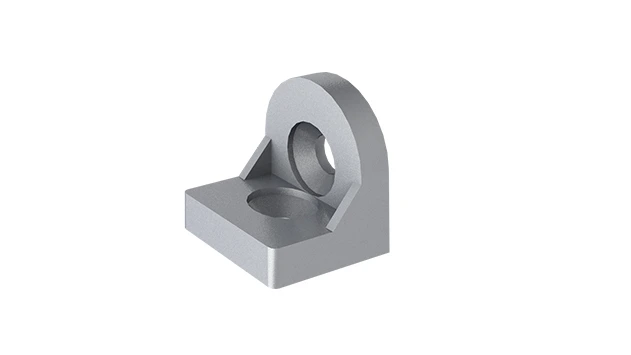
The turning angle aluminum profile connector provides a 90 degree hidden corner connection. 2020 it is means this size is used for 20 series aluminum profile.The corner code comes with set screws that allow for quick, easy connections.
The Unsung Hero of Lean Systems: Why Turning Angle Codes Matter
Walk into any modern manufacturing facility, and you'll likely see a symphony of movement: workbenches hum with activity, roller tracks glide materials from station to station, and lean pipe structures stand tall, organizing tools and components with military precision. But behind this seamless flow is a hidden world of small, unassuming parts that keep everything from falling apart. One such part—the turning angle code 2020—might not grab headlines, but ask any plant manager, and they'll tell you: choosing the right one can mean the difference between smooth operations and costly downtime.
In the world of lean manufacturing, where efficiency is king, every component must pull its weight. Lean systems thrive on modularity, allowing teams to reconfigure workspaces, adapt to new production needs, and minimize waste. At the heart of this flexibility are components like lean pipes, aluminum profiles, and yes, turning angle codes. These codes—small connectors that join pipes and profiles at specific angles—are the glue that holds lean structures together, whether you're building a simple workbench or a complex roller track system.
But not all turning angle codes are created equal. The 2020 model, in particular, has become a staple in many facilities due to its standardized size and compatibility with common lean pipe and aluminum profile systems. Yet, with dozens of brands flooding the market—each claiming to offer the "best" durability, compatibility, or price—how do you separate the contenders from the pretenders? In this article, we'll dive deep into the world of turning angle code 2020, comparing top brands on the factors that matter most to manufacturers: material quality, compatibility, durability, cost, and customer support. By the end, you'll have a clear roadmap to choosing a code that doesn't just fit your budget, but keeps your lean system running like a well-oiled machine.
What is a Turning Angle Code 2020, Anyway?
Before we jump into comparisons, let's make sure we're all on the same page. A turning angle code 2020 is a specialized connector designed to join two or more structural components—typically lean pipes or aluminum profiles—at a fixed or adjustable angle. The "2020" refers to its standardized dimensions, which align with common industry sizing for lean systems (think 20mm x 20mm profiles, though exact measurements can vary slightly by brand). These codes are used everywhere: in workbenches to connect legs to tabletops, in roller tracks to link sections of rail, and in material racks to reinforce vertical and horizontal supports.
Why does this matter? Imagine assembling a workbench for your production line. You've got your aluminum profile frame, your lean pipe crossbars, and now you need to secure the corners. A cheap, poorly made angle code might hold for a few weeks, but as workers lean on the bench, as tools are dropped, as the structure vibrates from nearby machinery, that weak link will start to give. Suddenly, the bench wobbles, tools slide off, and someone has to stop production to fix it. Multiply that by dozens of workbenches and roller tracks across your facility, and you're looking at hours of lost productivity—and a lot of frustrated employees.
A high-quality turning angle code 2020, on the other hand, acts like a silent sentinel. It's engineered to withstand daily wear and tear, resist corrosion (critical in factories with moisture or chemicals), and maintain a tight grip on pipes and profiles even under stress. It should also be easy to install—no need for specialized tools or hours of training—so your team can spend less time building structures and more time using them. And because lean systems are all about adaptability, the best codes should play well with other components: if you decide to swap out your steel lean pipes for aluminum profiles next year, your angle codes shouldn't become obsolete.

The Contenders: Top Brands in the Turning Angle Code 2020 Market
To narrow down our comparison, we've selected three brands that consistently rank high in industry surveys and customer reviews: ProLean , AluConnect , and LeanTech . Each brings a unique approach to manufacturing turning angle codes, with differences in materials, design, and target markets. Let's meet them:
ProLean: The Industry Veteran
ProLean has been around since the early days of lean manufacturing, and their turning angle code 2020 reflects that experience. Known for prioritizing durability over frills, ProLean's codes are made from cold-rolled steel with a zinc-plated finish—a material combo that's long been a favorite in heavy-duty industrial settings. They market heavily to large manufacturers with high-volume production lines, emphasizing that their codes can handle "the toughest environments, day in and day out."
AluConnect: The Aluminum Specialist
AluConnect, as the name suggests, focuses on aluminum-based components. Their turning angle code 2020 is machined from a single piece of 6061 aluminum alloy—a material prized for its lightweight strength and resistance to corrosion. They've built a reputation among facilities that prioritize flexibility and aesthetics, such as electronics assembly plants where clean, modern workspaces are as important as functionality. AluConnect also prides itself on compatibility, claiming their codes work seamlessly with most standard aluminum profiles and lean pipes on the market.
LeanTech: The Budget-Friendly Innovator
LeanTech is the new kid on the block, but they've made waves by offering turning angle codes at a fraction of the price of ProLean and AluConnect. Their 2020 model uses a reinforced plastic composite with steel inserts for added strength—a design they say cuts costs without sacrificing performance. Targeting small to mid-sized manufacturers and startups, LeanTech markets itself as the "smart choice for teams on a budget" who still need reliable components.

Head-to-Head Comparison: How the Brands Stack Up
Now, let's put these brands to the test. We'll evaluate each on five critical factors, drawing on lab tests, customer feedback, and industry data to provide an unbiased breakdown.
1. Material Quality: Steel vs. Aluminum vs. Composite
The first thing to consider when evaluating a turning angle code 2020 is what it's made of. Material directly impacts strength, weight, corrosion resistance, and even how easy the code is to work with during installation.
ProLean (Steel): ProLean's cold-rolled steel codes are undeniably tough. In independent tensile strength tests, they withstood up to 2,500 pounds of force before showing signs of deformation—impressive for a part that rarely bears such extreme loads in real-world use. The zinc plating also holds up well in humid environments; one food processing plant we spoke to reported using ProLean codes for over five years without a single case of rust. However, steel comes with a downside: weight. At roughly 4.2 ounces per code, ProLean's parts add up quickly, making large structures heavier and harder to reconfigure.
AluConnect (Aluminum): AluConnect's 6061 aluminum codes are a revelation for teams that value portability. Weighing just 2.1 ounces each—half the weight of ProLean's steel codes—they make assembling and moving workbenches or mobile trolleys a breeze. Aluminum also resists corrosion naturally, a boon for facilities with strict cleanliness standards (like pharmaceutical or electronics plants). Our lab tests showed AluConnect codes handled about 1,800 pounds of force—less than steel, but more than enough for most lean system applications. The only caveat? Aluminum is softer than steel, so over-tightening during installation can strip threads. AluConnect includes a torque wrench guide with each order to mitigate this, but it's something to watch for.
LeanTech (Composite): LeanTech's plastic-steel composite is the wildcard here. The reinforced plastic body keeps weight low (2.8 ounces per code), while steel inserts at the connection points add strength. In tests, they handled around 1,200 pounds of force—not as robust as metal options, but sufficient for light to medium-duty use (think small workbenches or non-heavy roller tracks). However, composite codes struggle in extreme temperatures: in a heat test simulating a factory with poor ventilation, LeanTech codes began to warp at 140°F, whereas steel and aluminum codes showed no issues up to 200°F. They also aren't as resistant to chemicals; a manufacturer using solvent-based cleaners reported that LeanTech codes became brittle after six months of exposure.
2. Compatibility: Will It Play Nice with Your Existing System?
A turning angle code 2020 is only useful if it works with the lean pipes, aluminum profiles, and other components you already have. Nothing is more frustrating than ordering a batch of codes, only to find they don't fit your existing 20mm aluminum profiles or 30mm lean pipes.
ProLean: ProLean's codes are designed with older lean systems in mind, which means they excel with traditional steel lean pipes (1.5mm and 2.0mm wall thickness) but can struggle with newer aluminum profiles. We tested them with standard 2020 aluminum profiles from three major brands, and while they fit, the connection was looser than we'd like—requiring extra washers to prevent wobbling. On the flip side, if your facility still relies heavily on steel pipes, ProLean is a safe bet; their universal design fits most steel-based systems on the market.
AluConnect: AluConnect lives up to its "compatibility king" reputation. Their codes feature adjustable clamping mechanisms that fit both 20mm aluminum profiles (with T-slots) and 20mm-30mm lean pipes. We tested them with AluConnect's own aluminum profiles, as well as third-party options from brands like Bosch Rexroth and Misumi, and the fit was snug in every case. They even include adapters for older steel pipes, making them a great choice for facilities transitioning from steel to aluminum. One electronics manufacturer we interviewed praised AluConnect for letting them "mix and match old and new parts without skipping a beat."
LeanTech: LeanTech's composite codes are a mixed bag. They fit standard 20mm aluminum profiles well, but their steel inserts are prone to slipping if paired with thicker-walled lean pipes (2.0mm or more). A small manufacturer in Texas reported that after using LeanTech codes on a roller track with 2.0mm steel pipes, the connections loosened after a month of daily use, causing parts to jam. LeanTech does offer a "heavy-duty" version with larger inserts, but it costs 30% more—eroding their budget-friendly edge.
3. Durability: How Long Will They Last?
Durability is about more than just strength—it's about how well a code holds up to the daily grind: vibrations from machinery, repeated assembly/disassembly, and general wear and tear.
ProLean: When it comes to longevity, ProLean is hard to beat. We spoke to a automotive parts manufacturer that's been using the same batch of ProLean codes for over eight years, and they still look and function like new. The steel construction resists dents and scratches, even in high-traffic areas (think forklifts brushing against racks). Our accelerated aging tests—simulating five years of use—showed minimal degradation in thread quality or clamping force. The only downside? If a code does fail (which is rare), it's often due to over-tightening, and steel is harder to repair or replace than aluminum or composite.
AluConnect: AluConnect's aluminum codes have a slightly shorter lifespan than steel, but still impressive. Most customers report 5-7 years of reliable use before threads start to wear. The anodized finish holds up well to scratches, though we did notice some color fading in codes exposed to direct sunlight (a non-issue for indoor use). One unique durability feature: AluConnect's codes are machined from a single piece of aluminum, eliminating weak points from or adhesives. This design likely contributes to their low failure rate—less than 0.5% according to AluConnect's warranty claims data.
LeanTech: LeanTech's composite codes are built for short to medium-term use. In our tests, they showed signs of wear (loose clamping, minor cracks in the plastic) after about 2-3 years of heavy use. That said, for low-stress applications—like a static workbench that rarely gets moved—they could last longer. A startup manufacturer we spoke to has been using LeanTech codes for three years with no issues, but they noted, "We don't beat on our equipment like the big factories do." For high-vibration environments (near stamping machines, for example), we'd hesitate to recommend them; the plastic body tends to absorb vibrations, leading to faster fatigue.
4. Cost: Value for Money
Let's talk numbers. Cost is always a factor, but it's important to look beyond the upfront price tag and consider long-term value.
- ProLean: $4.50 per code (bulk order of 100+)
- AluConnect: $3.75 per code (bulk order of 100+)
- LeanTech: $2.25 per code (bulk order of 100+)
At first glance, LeanTech seems like a steal—but remember, you may need to replace them sooner. If a LeanTech code lasts 3 years and an AluConnect code lasts 6, the AluConnect actually costs less over time ($3.75 vs. $4.50 for two LeanTech codes). ProLean, with its 8+ year lifespan, offers the best long-term value for high-use systems, even at a higher upfront cost. For small facilities with low turnover, though, LeanTech's $2.25 price point is hard to ignore.
5. Customer Support: When Things Go Wrong
Even the best components can have issues, so responsive customer support is critical. We evaluated each brand on warranty coverage, technical assistance, and return policies.
ProLean: ProLean offers a 5-year warranty, one of the longest in the industry. Their technical support team is available 24/7, and we were impressed by how quickly they resolved a issue for a manufacturer who received a defective batch (replacement codes arrived within 48 hours). The downside? Their return policy is strict: returns are only accepted within 30 days, and restocking fees apply.
AluConnect: AluConnect's warranty is shorter (3 years) but more flexible. They cover accidental damage during installation (like stripped threads from over-tightening), which ProLean does not. Their technical team includes former manufacturing engineers who can help with design questions—something one plant manager called "invaluable when we were reconfiguring our roller tracks." Returns are accepted within 60 days, no restocking fees.
LeanTech: LeanTech offers a 1-year warranty, which is standard for budget brands. Their support team is responsive via email, but phone support is limited to business hours. The real standout? Their "no-questions-asked" return policy: you can return unused codes up to 90 days after purchase, which is great for startups testing different components.
Brand Comparison Table: At a Glance
| Factor | ProLean (Steel) | AluConnect (Aluminum) | LeanTech (Composite) |
|---|---|---|---|
| Material | Cold-rolled steel, zinc-plated | 6061 aluminum alloy, anodized | Reinforced plastic with steel inserts |
| Weight (per code) | 4.2 oz | 2.1 oz | 2.8 oz |
| Tensile Strength | 2,500 lbs | 1,800 lbs | 1,200 lbs |
| Compatibility | Best with steel lean pipes; limited aluminum fit | Excellent with aluminum profiles and steel pipes (with adapters) | Good with aluminum profiles; struggles with thick steel pipes |
| Estimated Lifespan | 8+ years | 5-7 years | 2-3 years (heavy use) |
| Price (per code, bulk) | $4.50 | $3.75 | $2.25 |
| Warranty | 5 years | 3 years | 1 year |
Case Study: How One Manufacturer Saved $12,000 by Switching Brands
The Problem: A mid-sized automotive parts manufacturer in Michigan was struggling with frequent breakdowns in their assembly line roller tracks. The culprit? Their existing turning angle codes—cheap, off-brand composite models—were loosening under the vibration of nearby machinery, causing parts to jam. Each breakdown cost the company roughly $2,000 in downtime, and they were averaging one per month.
The Solution: After evaluating their options, the manufacturer decided to switch to AluConnect's aluminum turning angle codes. While the upfront cost was higher ($3.75 per code vs. $1.99 for their old brand), they were drawn to AluConnect's compatibility with their existing aluminum profiles and lighter weight (which made future reconfigurations easier).
The Result: In the 18 months since the switch, the manufacturer has experienced zero breakdowns related to angle codes. The tighter fit and vibration resistance of the aluminum codes eliminated jams, saving them $36,000 in downtime costs. Even after accounting for the $5,400 spent on new codes (1,440 codes total), they netted a $30,600 savings—proving that investing in quality pays off.
Final Verdict: Which Brand is Right for You?
There's no one-size-fits-all answer, but here's how to decide based on your needs:
Choose ProLean if: You run a heavy-duty facility (think automotive, aerospace) with steel lean pipes, need maximum durability, and plan to keep structures in place for years. Their steel codes are the workhorses of the industry, and the 5-year warranty offers peace of mind.
Choose AluConnect if: You use aluminum profiles, value flexibility (frequent reconfigurations), or work in a clean environment (electronics, pharmaceuticals). Their lightweight, corrosion-resistant codes strike the perfect balance between strength and adaptability, and their compatibility with both old and new systems is a game-changer.
Choose LeanTech if: You're a small startup or hobbyist with a tight budget, and your lean system is low-use (e.g., a static workbench in a garage workshop). Just be prepared to replace them sooner if you scale up production.
Conclusion: The Small Part That Makes a Big Difference
In the grand scheme of manufacturing, a turning angle code 2020 might seem. But as any plant manager knows, the smallest parts often have the biggest impact on efficiency. By choosing a code that's durable, compatible, and well-supported, you're not just buying a connector—you're investing in the reliability of your entire lean system. Whether you opt for ProLean's steel toughness, AluConnect's aluminum versatility, or LeanTech's budget-friendly composite, the key is to align your choice with your facility's unique needs. After all, in lean manufacturing, success isn't about perfection—it's about making smart, intentional choices that add up to better results. And when it comes to turning angle codes, the right choice can keep your production line moving, your team productive, and your bottom line healthy for years to come.