- Company Articles
- Products and Technology
- Product knowledge
- Comparing Two Way Aluminum Pipe Joints from Top Manufacturers: Price vs. Quality

Comparing Two Way Aluminum Pipe Joints from Top Manufacturers: Price vs. Quality
Related Product
Two Way Aluminum Pipe Joint
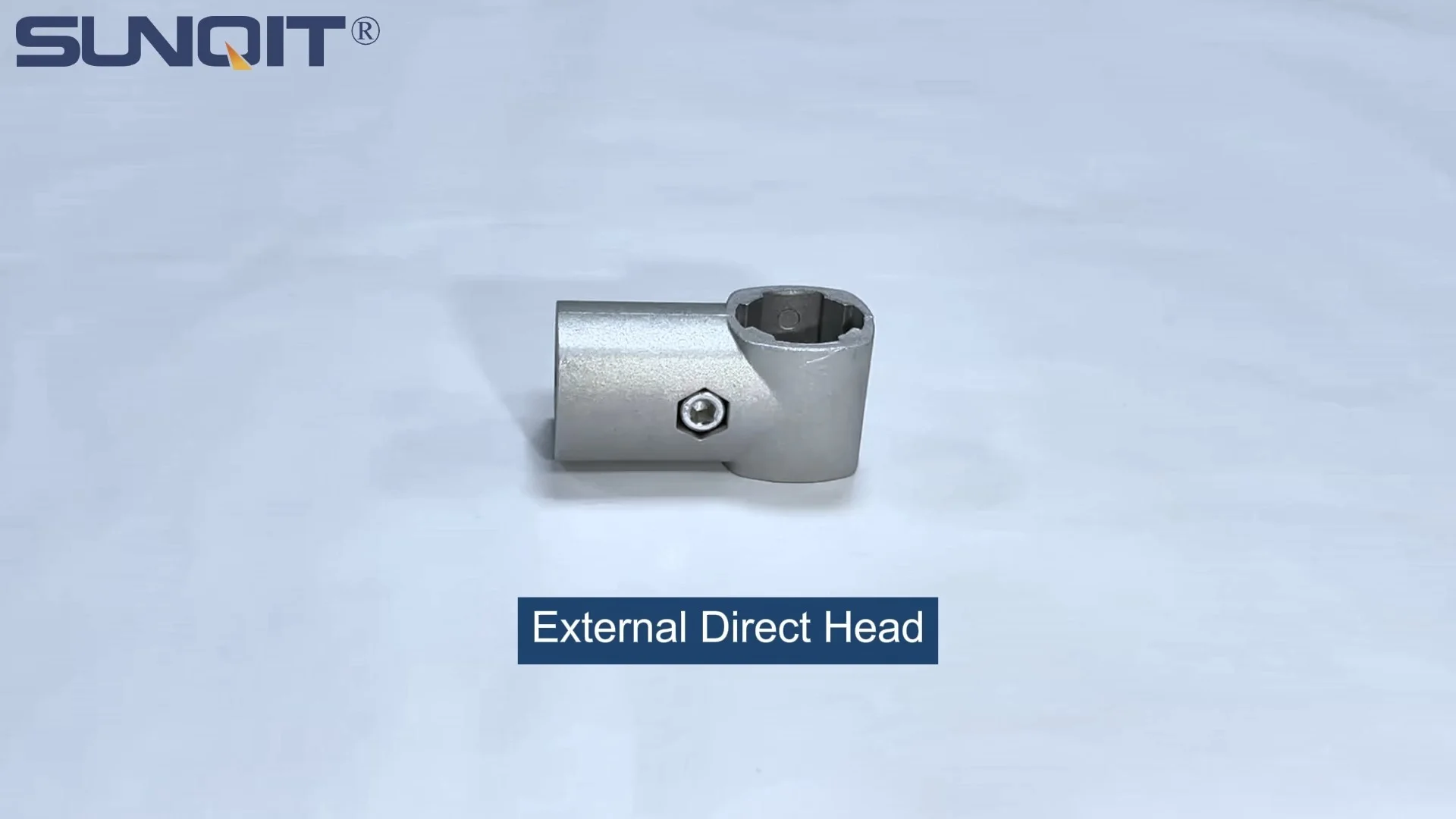
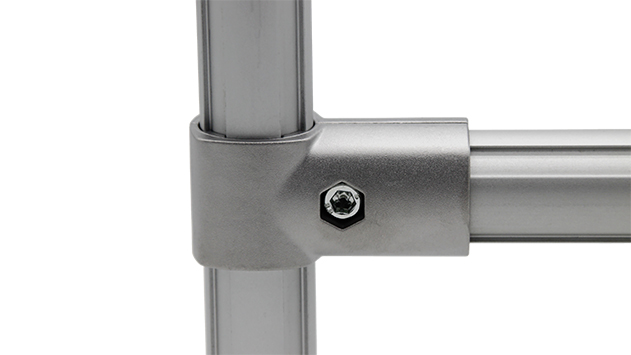
Aluminum 2 way pipe joint for 28mm aluminum pipe connection in 2 direction.
Introduction: The Unsung Hero of Lean Systems
In the bustling world of manufacturing and logistics, where every second and every square inch counts, there's a quiet workhorse that keeps operations running smoothly: the two way aluminum pipe joint. These small but mighty components are the backbone of lean systems, holding together everything from workbenches and material racks to conveyor systems and turnover trolleys. But here's the thing—like any unsung hero, not all two way aluminum pipe joints are created equal. When you're in the market for these critical parts, the age-old debate of price vs. quality rears its head. Do you opt for the cheapest option to save a few dollars upfront, or invest in a higher-quality joint that might cost more now but pay off in the long run? Let's dive in.
First, let's get clear on what a two way aluminum pipe joint actually does. Simply put, it's the connector that joins two aluminum pipes at a specific angle (usually 90 degrees, though some designs offer flexibility) to build modular structures. Think of it as the "elbow" in your industrial toolkit—without it, you can't create the frames, shelves, or workstations that form the backbone of efficient production lines. And because these joints are used in lean systems, their reliability directly impacts workflow, safety, and even employee productivity. A weak joint might lead to wobbly workbenches, unstable racks, or worse, equipment failure that halts production. So, choosing the right one isn't just about checking a box on a—it's about protecting your operations.
What Makes a Quality Two Way Aluminum Pipe Joint? Key Features to Look For
Before we start comparing prices, let's talk about quality. What separates a durable, reliable two way aluminum pipe joint from one that might fail after a few months? Let's break it down into tangible factors you can actually check when evaluating suppliers.
Material Grade: Not All Aluminum is the Same
The first thing to ask is: What grade of aluminum is the joint made from? Most reputable manufacturers use 6061 or 6063 aluminum alloy, and for good reason. These alloys are known for their strength, corrosion resistance, and machinability—key traits for parts that need to withstand daily wear and tear. 6061, in particular, has higher tensile strength (around 45,000 psi) and is often heat-treated for extra durability, making it ideal for heavy-duty applications like material racks or conveyor supports. Cheaper joints, on the other hand, might use lower-grade aluminum or even aluminum-plated steel, which can bend, crack, or corrode faster, especially in humid or industrial environments.
Precision Engineering: The Fit Matters
Ever tried assembling a bookshelf where the screws don't line up, or the pieces wobble no matter how tight you twist? That's the result of poor precision—and it's even more problematic with industrial joints. A high-quality two way aluminum pipe joint should have precise threading and a snug fit when connected to aluminum pipes. Gaps or looseness can lead to instability, which is dangerous in settings where workers are moving heavy materials. Look for suppliers who mention CNC machining in their production process—this ensures consistent sizing and tight tolerances, so every joint works the same way, every time.
Load Capacity: Know Your Limits
This one is non-negotiable. Every joint has a maximum load it can support, and exceeding that limit is a recipe for disaster. Reputable manufacturers will clearly state the load capacity (usually in kilograms or pounds) for their two way aluminum pipe joints. For example, a standard joint might handle 50kg, while a heavy-duty version could manage 150kg or more. Don't just guess—calculate the weight of the materials your structure will hold (tools, products, boxes) and choose a joint that exceeds that by at least 20% to be safe. Cheaper joints often skip load testing, so their stated capacities might be inflated or outright false.
Corrosion Resistance: Longevity in Tough Environments
Industrial floors aren't always clean. Oils, chemicals, water, and even humidity can take a toll on metal parts over time. A quality two way aluminum pipe joint should have some form of corrosion resistance, whether it's anodized coating (a process that creates a protective oxide layer on the aluminum) or a powder coating. Anodized joints are particularly durable—they resist scratches, don't fade, and stand up well to exposure to mild chemicals. If your workspace is in a wet area (like a food processing plant) or near corrosive substances, this feature alone might justify a higher price tag.
Price Drivers: Why Do Two Way Aluminum Pipe Joints Cost Different Amounts?
Now that we know what quality looks like, let's talk about price. Why does one two way aluminum pipe joint cost $5, another $15, and a third $30? It all comes down to a few key factors that add up (or don't) in the final price tag.
Raw Materials: You Get What You Pay For
High-grade aluminum (like 6061) is more expensive than lower-grade alloys or recycled aluminum. Suppliers who use premium materials will charge more, but they're also delivering a stronger, more durable product. Conversely, budget joints might cut corners by using thinner aluminum or mixing in cheaper metals, which reduces cost but also quality.
Manufacturing Processes: Speed vs. Precision
Mass-produced joints made with basic tools might be cheap, but they lack the precision of those made with advanced machinery. CNC machining, for example, is more expensive than casting, but it produces joints with tighter tolerances. Similarly, anodizing or powder coating adds steps (and cost) to production, but those steps improve longevity. Suppliers who skip these processes can offer lower prices, but their joints won't last as long.
Brand Reputation and Certifications
Established lean system suppliers with a track record of quality often charge a premium. Why? Because they've invested in testing, certifications (like ISO 9001 for quality management), and customer support. Smaller, unknown suppliers might offer rock-bottom prices, but they rarely provide warranties or have the same quality control measures in place. If a joint fails, you might be stuck with no recourse.
Bulk Pricing and Supplier Location
Where a supplier is based can also affect price. Importing from overseas might be cheaper upfront, but shipping costs, tariffs, and longer lead times can add up. Local suppliers might charge more per unit but offer faster delivery and easier returns. Additionally, buying in bulk usually lowers the per-unit cost—so if you need 100 joints, you'll pay less per piece than if you buy 10.

Comparing Top Manufacturers: A Side-by-Side Look at Quality vs. Price
To make this concrete, let's compare three hypothetical (but realistic) two way aluminum pipe joint manufacturers: a budget option, a mid-range player, and a premium supplier. This will give you a sense of what you get at each price point.
| Manufacturer | Material Grade | Load Capacity (kg) | Price per Unit (USD) | Key Features | Warranty |
|---|---|---|---|---|---|
| BudgetBuild Inc. | Recycled aluminum alloy (unknown grade) | 30kg (unverified) | $4.50 | No coating, basic casting, loose fit | 30 days |
| MidTech Solutions | 6063 aluminum alloy | 80kg (tested) | $12.00 | Powder-coated, CNC-machined, snug fit | 1 year |
| PremiumAlu Systems | 6061-T6 aluminum alloy (heat-treated) | 150kg (certified) | $28.00 | Anodized finish, precision threading, corrosion-resistant | 5 years |
BudgetBuild Inc. ($4.50/unit): At first glance, $4.50 per joint is tempting—especially if you need hundreds. But look closer: recycled aluminum with no grade specified, untested load capacity, and a 30-day warranty. These joints might work for light, temporary structures (like a small parts trolley in a workshop), but they're risky for permanent lean systems. You might save $7.50 per joint now, but if they fail in 6 months, you'll spend more on replacements and downtime.
MidTech Solutions ($12.00/unit): This is the sweet spot for many businesses. MidTech uses 6063 aluminum (a solid, reliable alloy), tests their joints to 80kg, and adds a powder coating for corrosion resistance. The CNC machining ensures a tight fit, so structures stay stable. With a 1-year warranty, you have peace of mind, and the price is manageable for most budgets. These joints work well for medium-duty applications, like workbenches or material racks in a warehouse.
PremiumAlu Systems ($28.00/unit): The premium option isn't for everyone, but it's worth it for high-stakes environments. 6061-T6 aluminum is heat-treated for maximum strength, and the anodized finish makes these joints nearly impervious to corrosion. Certified to 150kg, they're ideal for heavy-duty setups, like conveyor supports or racks holding large, heavy products. The 5-year warranty shows the manufacturer stands behind their product—and over time, the longevity might mean you spend less than replacing budget joints every year.

Real-World Impact: When Quality Trumps Price (and Vice Versa)
Let's ground this in real scenarios. Imagine two businesses: a small electronics repair shop and a large automotive manufacturing plant. Which joint is right for each?
Scenario 1: The Small Electronics Shop
The shop needs a simple workbench to repair phones and laptops. The workbench holds tools (scissors, screwdrivers) and small parts (circuit boards, wires)—total load maybe 20kg. Here, a budget joint from BudgetBuild might work. The load is low, the environment is clean (no chemicals or heavy moisture), and the shop doesn't have the budget for premium parts. They might buy 10 joints for $45, and if one fails in a year, replacing it is a minor hassle.
Scenario 2: The Automotive Plant
The plant uses a lean system with material racks that hold car parts (engines, transmissions) weighing 100kg each. These racks are moved daily by forklifts, and workers stand next to them for hours. Using a budget joint here is dangerous. A failure could cause parts to crash, injure workers, or shut down the production line (costing thousands per hour). MidTech or PremiumAlu joints are non-negotiable here. Even at $12–$28 per joint, the cost pales in comparison to the risk of an accident or downtime.
The lesson? Your choice depends on your specific needs. Assess the load, environment, and consequences of failure. If the stakes are low, budget might win. If safety or productivity is on the line, quality is worth the investment.
Choosing the Right Supplier: Beyond Price Tags
Price and quality are important, but there's more to choosing a two way aluminum pipe joint supplier. Here are a few extra factors to consider:
Customer Support: What happens if a joint arrives damaged or doesn't fit? A good supplier will offer easy returns and responsive customer service. Avoid suppliers who make you jump through hoops to get help.
Aluminum Pipe Accessories Compatibility: Two way aluminum pipe joints rarely work alone—you'll need aluminum pipes, clamps, and other aluminum pipe accessories to build your structure. Choose a supplier who offers a full range of compatible parts. Mixing brands can lead to fit issues.
Lead Times: If you need joints fast, a local supplier or one with a large inventory is better than waiting 6 weeks for an overseas shipment.
Sustainability: More businesses are prioritizing eco-friendly suppliers. Look for manufacturers who use recycled aluminum or have green production practices—this might cost a bit more, but it aligns with long-term sustainability goals.
Conclusion: Balancing Quality and Price for Long-Term Success
At the end of the day, comparing two way aluminum pipe joints from top manufacturers isn't just about dollars and cents—it's about understanding your needs and investing in parts that will keep your operations running smoothly. Budget joints have their place, but they're not a one-size-fits-all solution. For most businesses, mid-range options like MidTech strike the right balance: reliable quality at a manageable price. If you're in a high-stakes industry, don't skimp on premium joints—they'll pay for themselves in reduced downtime and fewer replacements.
Remember, the best lean system supplier isn't the cheapest or the most expensive—it's the one that delivers the right quality for your specific use case. Take the time to test samples, check load capacities, and read reviews. Your workers, your bottom line, and your peace of mind will thank you.