- Company Articles
- Products and Technology
- Procurement Guidelines
- Comparing Vertical Lean Pipe Joint Prices: Budget vs. Quality Considerations

Comparing Vertical Lean Pipe Joint Prices: Budget vs. Quality Considerations
Related Product
Vertical Lean Pipe Joint
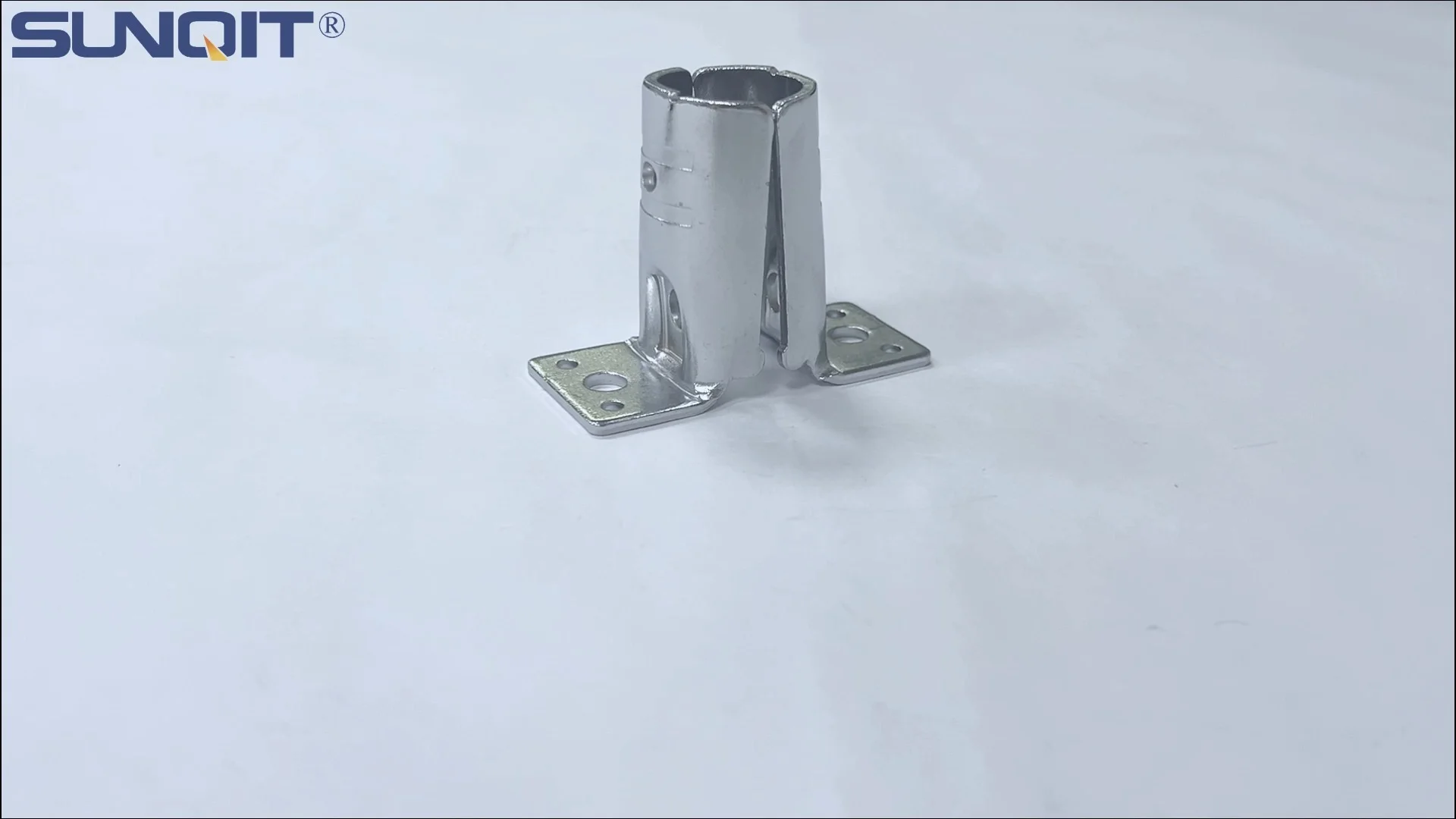
Vertical lean pipe joint is used for 28mm lean pipe fixed on ground and keep it stable.
Let's start with a familiar scenario: You're a small manufacturing facility manager, eager to streamline your production floor with a new lean system. The quote from a lean pipe supplier lands on your desk, and your eyes immediately dart to the line item for vertical lean pipe joints. There's a budget option—half the price of the premium one. "Why spend more?" you wonder. "A joint is a joint, right?" But as anyone who's ever dealt with wobbly workbenches or collapsed material racks will tell you, that couldn't be further from the truth. Vertical lean pipe joints are the unsung heroes of any lean setup, holding together everything from lean pipe workbenches to flow racks. Choosing between budget and quality here isn't just about cost—it's about safety, efficiency, and the long-term health of your operations. In this article, we'll dig into what really separates cheap from premium vertical lean pipe joints, and help you decide which is right for your facility.
What Are Vertical Lean Pipe Joints, Anyway?
Before we dive into prices, let's make sure we're all on the same page. Vertical lean pipe joints are the connectors that link pipes (whether they're stainless steel from the stainless steel pipe series, lightweight aluminum lean pipe, or coated lean pipe) at vertical angles. Think of them as the elbows, T-junctions, and corner brackets that turn a pile of pipes into a functional workbench, a sturdy material rack, or a smooth-flowing conveyor system. Without reliable vertical joints, your lean pipe workbench might sway when you set down a heavy tool, or your flow rack could collapse under the weight of daily use. They're small components, but they bear the brunt of the system's load and stress—making their quality non-negotiable for anyone serious about a durable lean system.
These joints come in all shapes and sizes, but vertical ones are particularly critical because they support vertical loads. Whether you're building a single-deck workbench (like the Workbench E, without casters) or a multi-tier material rack (think Material Rack B with 3 rows and 3 floors), vertical joints are what keep the structure upright. They might seem simple, but their design—how tightly they grip the pipe, how well they distribute weight, how resistant they are to wear—can make or break your entire setup.
The Temptation of Budget Vertical Lean Pipe Joints
Let's talk about the budget option first. It's easy to see why they're appealing. A quick search for "vertical lean pipe joint" on a wholesale site might turn up options for $2–$5 per unit, compared to $10–$15 for premium brands. For a small operation building a single lean pipe workbench, that difference might seem like pocket change. But when you're outfitting an entire production line with dozens or hundreds of joints, the savings can add up to thousands of dollars upfront. So, what's the catch?
What Drives Down the Price?
Budget vertical lean pipe joints often cut corners in three key areas: material, manufacturing, and quality control.
- Material: Many cheap joints use low-grade plastic or thin, low-carbon steel instead of durable metals like stainless steel (from the stainless steel pipe series) or high-strength aluminum. Plastic joints might work for light, temporary setups, but they warp under heat, crack under impact, and degrade quickly in humid or chemical-heavy environments. Thin steel joints, meanwhile, can bend or strip their threads after just a few adjustments—meaning you'll be replacing them sooner than you think.
- Manufacturing: Budget joints are often mass-produced with minimal precision. Casting processes might leave air bubbles or rough edges, leading to loose fits with pipes. Threads might not align perfectly, making it hard to tighten the joint securely. Over time, that looseness turns into wobbling, which stresses the entire structure and increases the risk of accidents.
- Quality Control: Generic manufacturers rarely test each joint for load capacity or durability. A batch might include 10% defective units—and you won't know which ones until they fail. This lack of consistency means you're rolling the dice every time you install a budget joint.
The Hidden Costs of "Cheap"
The upfront savings of budget joints often vanish when you factor in the long-term costs. Let's say you buy 100 plastic vertical joints for $3 each ($300 total) to build a material rack. Six months later, 20% of them crack, and you have to replace them—another $60. A year later, another 30% fail, costing $90. Meanwhile, the wobbly rack causes items to fall, damaging products worth $200. Suddenly, your "cheap" $300 investment has turned into $650—and you're still dealing with an unreliable setup. Compare that to a $10 premium joint: 100 units cost $1,000 upfront, but they last 5+ years with no replacements. The math starts to favor quality pretty quickly.

Why Quality Vertical Lean Pipe Joints Are Worth the Investment
Premium vertical lean pipe joints aren't just more expensive—they're engineered to solve the problems budget joints create. Let's break down what you're actually paying for when you choose quality.
The Hallmarks of a Quality Joint
High-quality vertical lean pipe joints prioritize durability, precision, and reliability. Here's what sets them apart:
- Superior Materials: Reputable suppliers use materials like 304 stainless steel (from the stainless steel pipe series) or anodized aluminum (compatible with aluminum lean pipe). Stainless steel resists corrosion, even in damp or chemical-exposed areas, while aluminum offers a lightweight, rust-free alternative for mobile setups (like turnover trolleys). These materials can handle heavy loads—some premium joints support up to 500 lbs per connection—and stand up to daily wear and tear.
- Precision Engineering: Quality joints are machined or forged, not just cast. Forging compresses the metal, making it denser and stronger. Machined threads ensure a tight, consistent fit with pipes, so the joint stays secure even after multiple adjustments. Many premium joints also include features like rubber gaskets or locking mechanisms to prevent loosening over time.
- Rigorous Testing: Trusted lean pipe suppliers test their joints for load capacity, impact resistance, and fatigue (how well they hold up under repeated stress). They'll provide data: "This joint supports 300 lbs vertically" or "Withstands 10,000 adjustments without failure." That transparency gives you confidence that the joint will perform as advertised.
Long-Term Value
Quality joints cost more upfront, but they pay for themselves in three ways: longevity, reduced downtime, and safety.
A well-made vertical lean pipe joint from a reputable lean pipe supplier can last 10+ years in a busy production environment. That's 5–10x longer than a budget joint. Over that time, you'll spend less on replacements and maintenance. Plus, stable, reliable joints mean fewer interruptions to your workflow. No more stopping production to fix a wobbly workbench or clean up a collapsed material rack. And perhaps most importantly, quality joints reduce the risk of workplace injuries—saving you from medical costs, insurance claims, and damaged employee morale.

Budget vs. Quality: A Side-by-Side Comparison
To make the difference clearer, let's compare a typical budget vertical lean pipe joint with a premium one (using stainless steel from the stainless steel pipe series) across key metrics:
| Metric | Budget Vertical Lean Pipe Joint | Quality Vertical Lean Pipe Joint (Stainless Steel) |
|---|---|---|
| Material | Low-grade plastic or thin steel | 304 stainless steel (stainless steel pipe series) or high-strength aluminum |
| Load Capacity | Up to 50 lbs (vertical) | 200–500 lbs (vertical) |
| Expected Lifespan | 6–12 months (with regular use) | 5–10+ years |
| Cost per Unit | $2–$5 | $10–$15 |
| Total Cost Over 5 Years (100 joints) | $3,000–$5,000 (replacements every 6–12 months) | $1,000–$1,500 (one-time purchase) |
| Best For | Temporary, light-duty setups (e.g., pop-up workshops) | Permanent lean systems, high-traffic production lines, heavy material handling |

Real-World Stories: When Budget Joints Failed (and Quality Ones Saved the Day)
Numbers tell part of the story, but real experiences drive the point home. Let's look at two short case studies from manufacturers who made opposite choices.
Case Study 1: The Bakery That Regretted Choosing Budget Joints
A small artisanal bakery in the Midwest wanted to organize its ingredient storage with a lean pipe workbench and flow rack. To save money, they ordered budget vertical lean pipe joints and aluminum lean pipe from a generic supplier. The setup worked well for the first three months. But then, summer humidity hit. The plastic joints began to warp, causing the workbench to tilt. One morning, a shelf holding 50 lbs of flour collapsed, spilling everywhere and delaying production by four hours. The bakery had to replace all 40 joints with stainless steel ones (from the stainless steel pipe series) at a cost of $600—more than double what they'd saved initially. "We thought we were being smart," the owner later said. "Instead, we ended up with a mess and lost revenue."
Case Study 2: The Auto Parts Plant That Invested in Quality
A mid-sized auto parts manufacturer was expanding its assembly line and needed 200 vertical lean pipe joints for workbenches and material racks. They chose premium stainless steel joints from a trusted lean pipe supplier, even though they cost 3x more than the budget option. Five years later, those joints are still in use. The plant has adjusted the workbenches dozens of times to accommodate new parts, and the joints have held tight. "We've never had a single joint fail," the production manager noted. "The upfront cost was higher, but we've saved thousands in replacements and downtime. Plus, our workers feel safer knowing the racks won't collapse on them."
How to Choose: Budget or Quality Vertical Lean Pipe Joints?
The decision between budget and quality vertical lean pipe joints depends on your specific needs. Here's how to figure out which is right for you:
Ask Yourself These Questions:
- What's the load? If you're storing heavy items (over 50 lbs) or using the structure for production assemble, quality joints are non-negotiable. For light items like office supplies, budget joints might suffice—temporarily.
- How long will it last? Is this a permanent part of your lean system, or a temporary fix? Permanent setups need quality joints. Temporary setups (e.g., a trade show display) might get by with budget options.
- What's the environment? Humid, hot, or chemical-exposed areas (like factories) require corrosion-resistant materials—stick with stainless steel or aluminum lean pipe joints. Dry, temperature-controlled spaces are more forgiving, but even then, plastic joints degrade over time.
- Can you afford downtime? If a collapsed rack or wobbly workbench would stop production, quality joints are worth every penny. If the setup is non-critical (e.g., a storage area for rarely used tools), budget joints might be a calculated risk.
A Middle Ground?
If you're torn, consider a hybrid approach. Use quality vertical lean pipe joints for high-stress areas (like workbenches where employees stand for hours) and budget joints for low-stress, temporary parts of your lean system (like a small, lightweight material rack). Just be prepared to replace the budget joints sooner.
The Bottom Line: Quality Pays Off in the Long Run
Vertical lean pipe joints might seem like small, components, but they're the foundation of your lean system. Choosing budget joints to save a few dollars upfront is tempting, but the hidden costs—replacements, downtime, accidents—almost always outweigh the savings. Quality joints, made from durable materials like stainless steel (from the stainless steel pipe series) or aluminum lean pipe, might cost more initially, but they last longer, perform better, and keep your operations running smoothly.
At the end of the day, a lean system is about efficiency—and nothing kills efficiency faster than unreliable equipment. So, when you're reviewing that quote from your lean pipe supplier, remember: the cheapest option isn't always the best deal. Invest in quality vertical lean pipe joints, and your future self (and your production line) will thank you.