- Company Articles
- Products and Technology
- Product knowledge
- Comparison: 38 Aluminum Roller Track White with Side Guide vs Plastic Alternatives

Comparison: 38 Aluminum Roller Track White with Side Guide vs Plastic Alternatives
Related Product
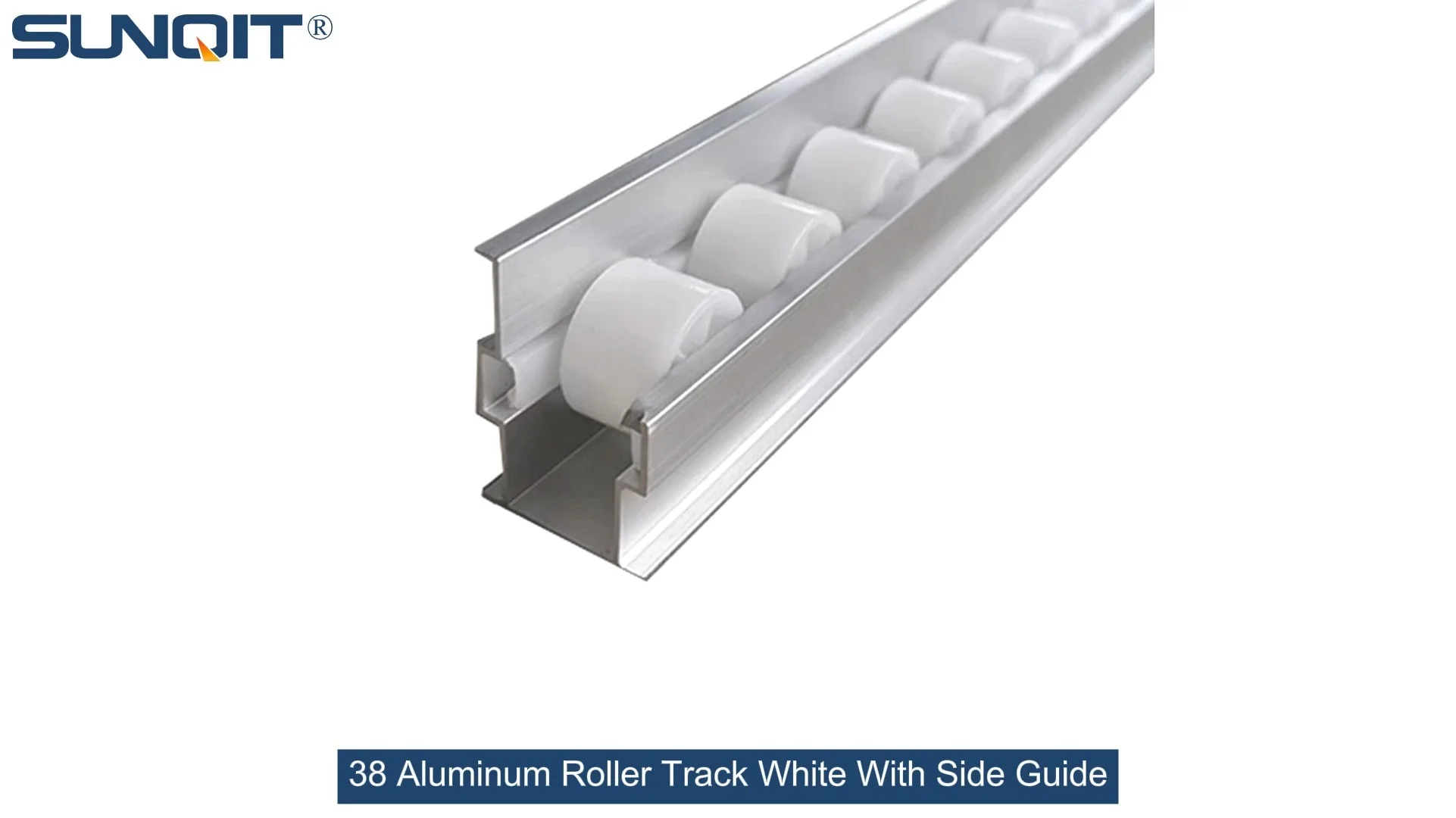
38 Aluminum Roller Track White with Side Guide
Heavy duty roller tracks, aluminum frame with plastic wheel, one side with guide keeps goods and materials on the track to prevent bin move to other direction.Aluminum frame makes the rail ani-corrision when the environment are humid.
Comparison: 38 Aluminum Roller Track White with Side Guide vs Plastic Alternatives
Every manufacturing floor, warehouse, or assembly line relies on small but critical components to keep operations running smoothly. Roller tracks are one such unsung hero—they're the backbone of flow racks, conveyors, and even ESD workbenches, ensuring materials move seamlessly from one point to another. Today, we're putting two popular options head-to-head: the 38 Aluminum Roller Track White with Side Guide and common plastic alternatives like the Yellow/Grey Plastic Roller Track Guide Rail. Whether you're building a lean system or looking for a custom solution for your production line, this comparison will help you make an informed choice.
What Is the 38 Aluminum Roller Track White with Side Guide?
Let's start with the star of the show: the 38 Aluminum Roller Track White with Side Guide. As the name suggests, this track is made from high-quality aluminum extrusion—lightweight yet incredibly sturdy. The 38mm size is a standard in many industries, making it easy to integrate with other lean system components like flow racks or conveyors. The white finish isn't just for looks; it's a smooth, non-stick surface that resists scratches and stains, keeping the track clean even with constant use.
The side guides are a game-changer here. They're precision-engineered to fit the track perfectly, preventing small parts or boxes from slipping off during movement. This is especially useful in fast-paced environments like 3C assembly lines, where every second counts and downtime from fallen items is a costly mistake. Plus, since it's made of aluminum, this track aligns with the lean of "reusable and sustainable improvement"—you can take it apart, reconfigure it, or reuse it in different setups without losing its functionality.
Common Plastic Alternatives: Yellow & Grey Plastic Roller Track Guide Rail
On the other side of the spectrum are plastic roller tracks, with the Yellow and Grey Plastic Roller Track Guide Rail being two of the most widely used options. These tracks are made from high-density polyethylene (HDPE) or similar durable plastics, which makes them lightweight and affordable upfront. They're often chosen for low-load applications, like moving small electronic components or lightweight packaging in warehouses.
Plastic tracks have their merits: they're easy to install (no need for special tools), and their bright colors (like yellow) make them visible in busy environments, reducing the risk of accidents. However, they come with limitations that become apparent when used in more demanding settings. Let's dive into the detailed comparison to see how they stack up against the aluminum option.
Detailed Comparison: Aluminum vs Plastic Roller Tracks
To get a clear picture of which track is right for your needs, let's break down their key features side by side. The table below highlights the most important differences:
| Feature | 38 Aluminum Roller Track White with Side Guide | Plastic Alternatives (Yellow/Grey) |
|---|---|---|
| Material Composition | High-strength aluminum extrusion with stainless steel rollers and white coating | High-density polyethylene (HDPE) or PVC with plastic rollers |
| Load Capacity | Up to 50 kg per linear meter (suitable for heavy boxes/pallets) | Up to 20 kg per linear meter (best for lightweight items) |
| ESD Performance | Naturally conductive—dissipates static electricity effectively (ideal for ESD workbenches) | Non-conductive (unless specially coated); may build up static, risking damage to sensitive components |
| Durability | Resists scratches, impacts, and corrosion; lasts 5–10 years with proper maintenance | Prone to cracking, warping (under heat/heavy load); lasts 1–2 years on average |
| Maintenance | Easy to clean (wipe with damp cloth); no rust or staining issues | Requires frequent cleaning to remove dirt from scratches; may need replacement if warped or cracked |
| Cost-Effectiveness | Higher upfront cost; lower long-term cost due to durability and reusability | Lower initial cost; higher long-term cost due to frequent replacements |
| Sustainability | 100% recyclable; reusable in multiple setups (aligns with lean system principles) | Limited recyclability; often ends up in landfills after use |
Deep Dive into Key Comparison Points
1. ESD Performance: A Critical Factor for Sensitive Industries
For industries like 3C assembly, medical device manufacturing, or electronic component production, static electricity is a silent killer. Even a small static discharge can damage delicate parts, leading to costly reworks or product failures. The 38 Aluminum Roller Track White with Side Guide solves this problem naturally—aluminum is a conductive material, so it dissipates static electricity as soon as it's generated. This makes it an ideal choice for ESD workbenches, where static control is non-negotiable.
Plastic tracks, on the other hand, are insulators by nature. While some plastic tracks come with anti-static coatings, these coatings wear off over time, leaving the track vulnerable to static buildup. This means you have to replace the tracks more often to maintain ESD safety, which adds to your long-term costs. For businesses that prioritize product quality and compliance with ESD standards, the aluminum track is the clear winner here.
2. Load Capacity: Handling Heavy Loads Without Compromise
If you're running a warehouse with flow racks or a production line with heavy-duty conveyors, load capacity is a key consideration. The 38 Aluminum Roller Track White with Side Guide can handle up to 50 kg per linear meter—enough to support heavy boxes, pallets, or even small machinery parts. This durability means you don't have to worry about the track bending or breaking under pressure, reducing downtime and maintenance costs.
Plastic tracks, by contrast, max out at around 20 kg per linear meter. This is fine for lightweight items like phone cases or small screws, but for anything heavier, they're not up to the task. Imagine a flow rack filled with heavy electronic components—using plastic tracks would lead to frequent track failures, slowing down your picking process and frustrating your team. The aluminum track's higher load capacity makes it the go-to option for heavy-duty applications.
3. Durability & Longevity: Investing in the Long Term
When it comes to industrial components, durability is directly tied to cost-effectiveness. The 38 Aluminum Roller Track White with Side Guide is built to last—its aluminum extrusion resists scratches, impacts, and corrosion, even in harsh environments (like factories with high humidity or chemical exposure). The stainless steel rollers are also designed for long-term use, with minimal friction and wear. With proper maintenance, this track can last 5–10 years, making it a smart long-term investment.
Plastic tracks, however, are less durable. They can crack if dropped or hit by heavy items, and they warp when exposed to high temperatures (like near a welding machine or a heated oven). Over time, the plastic also becomes brittle, leading to more frequent replacements. For example, if you use plastic tracks in a busy assembly line, you might have to replace them every 1–2 years, which adds up to more costs than buying an aluminum track upfront.
4. Sustainability: Aligning with Lean System Principles
Lean systems are all about reducing waste and improving sustainability. The 38 Aluminum Roller Track White with Side Guide fits perfectly into this philosophy—aluminum is 100% recyclable, so when you need to reconfigure your production line (as part of continuous improvement), you can take the track apart and reuse the components elsewhere. This reduces waste and saves you money on new parts.
Plastic tracks, on the other hand, are often made from non-recyclable materials or require complex recycling processes. When they wear out, they usually end up in landfills, contributing to environmental waste. For businesses that want to reduce their carbon footprint and align with lean system principles, the aluminum track is the more sustainable choice.
Real-World Use Cases: How They Perform in Action
To understand how these tracks work in real scenarios, let's look at three common use cases:
Case 1: 3C Assembly Line
A smartphone assembly factory needs a conveyor system to move small components (like screens, batteries, and circuit boards) from one station to another. The factory uses ESD workbenches to prevent static damage, so the conveyor track must be ESD-safe. The 38 Aluminum Roller Track White with Side Guide is the perfect fit here—its conductive properties keep static at bay, and the side guides prevent components from falling off. The factory also benefits from the track's durability, as it can handle constant use without needing replacements.
If the factory had used plastic tracks, they would have to replace the anti-static coatings every few months, leading to downtime and increased costs. The aluminum track's long-term durability and ESD safety make it the better choice for this application.
Case 2: Warehouse Flow Rack System
A logistics company uses flow racks to store and pick orders for electronic goods. The racks hold heavy boxes (up to 40 kg each), so the roller track must have high load capacity. The 38 Aluminum Roller Track White with Side Guide can easily handle this weight, and its smooth rollers allow boxes to slide down the rack quickly, improving picking efficiency. The company also appreciates the track's reusability—when they expand their warehouse, they can take the existing tracks apart and reuse them in the new section, saving money on new equipment.
Plastic tracks would struggle here—they can't handle the 40 kg boxes, so the company would have to replace them frequently. This would not only increase costs but also slow down the picking process, leading to delayed orders and unhappy customers.
Case 3: Medical Device Manufacturing
A medical device factory produces surgical instruments, which require strict hygiene standards. The factory uses conveyors to move instruments from the assembly line to the sterilization area. The 38 Aluminum Roller Track White with Side Guide is ideal here—its smooth surface is easy to clean with disinfectants, and its corrosion resistance means it won't rust even with frequent washing. The track's durability also ensures it can handle the constant use in a busy medical factory.
Plastic tracks would be a poor choice here—they can trap dirt in scratches, making it hard to keep them sterile. The aluminum track's easy-to-clean surface and corrosion resistance make it the right option for medical device manufacturing.
When to Choose Aluminum vs Plastic Roller Tracks
Now that we've covered the key differences, let's summarize when to choose each option:
Choose the 38 Aluminum Roller Track White with Side Guide if:
- You need ESD safety (for ESD workbenches or electronic assembly)
- You're handling heavy loads (flow racks, heavy-duty conveyors)
- Long-term durability and cost-effectiveness are priorities
- You want to align with lean system principles (reusable, sustainable)
- You work in industries with strict hygiene standards (medical, food processing)
Choose Plastic Alternatives if:
- You're working with lightweight items (small parts, packaging)
- Upfront cost is the main concern (short-term projects)
- You need easy, tool-free installation
Conclusion: The Aluminum Track Is a Smart Investment for Most Industrial Needs
The 38 Aluminum Roller Track White with Side Guide and plastic alternatives both have their place in industrial settings, but the aluminum option stands out for its durability, ESD safety, load capacity, and sustainability. Whether you're building a lean system, setting up an ESD workbench, or designing a custom solution for your production line, the aluminum track is a reliable, long-term investment that will pay off in the years to come.
Plastic tracks are great for lightweight, short-term applications, but they can't match the aluminum track's performance in more demanding settings. If you want to reduce downtime, lower maintenance costs, and align with sustainable lean principles, the 38 Aluminum Roller Track White with Side Guide is the clear choice. It's not just a component—it's a tool that helps your business run smoother, faster, and more efficiently.