- Company Articles
- Products and Technology
- Installation And Maintenance
- Compatibility Guide: End Support for Roller Track Placon Mount with Stop and Conveyor Systems

Compatibility Guide: End Support for Roller Track Placon Mount with Stop and Conveyor Systems
Related Product
End Support for Roller Track Placon Mount with Stop
Roller track placon mount work as a connector for roller track and pipe or aluminum profile in rack syetem, it is a necessary parts in rack system which widely used in industrial plant and logistic,warehouse storage.
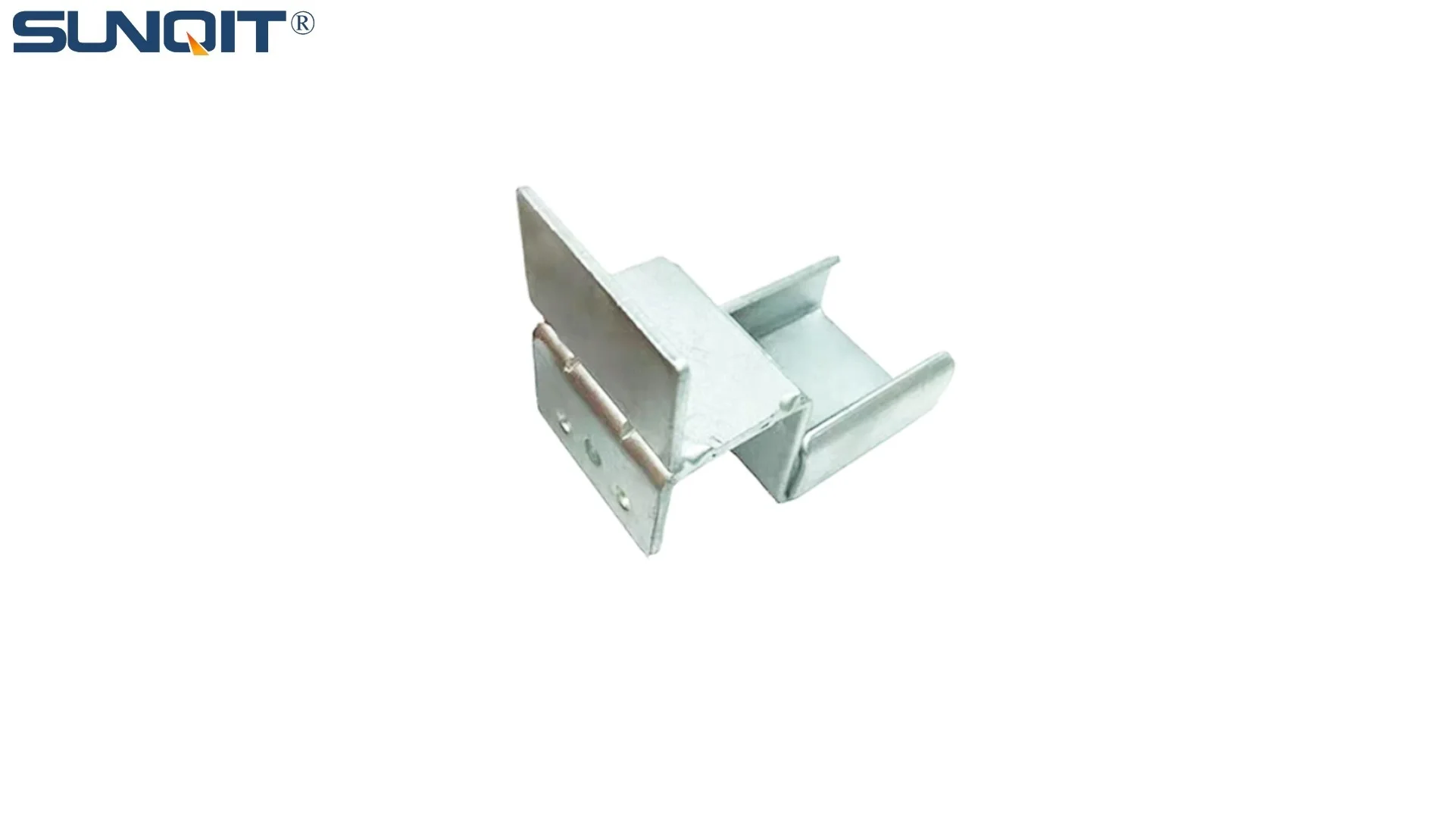
In the fast-paced world of manufacturing, every component—no matter how small—plays a role in keeping production lines moving. When it comes to material handling, roller tracks and conveyor systems are the unsung heroes, ensuring parts and products flow seamlessly from one station to the next. But even the most reliable systems need a steady hand to guide them. That's where the end support for roller track placon mount with stop comes in. This unassuming yet critical component ensures materials stay on track, align perfectly with conveyors, and reduce the risk of jams or spills. In this guide, we'll dive into how this component works, why compatibility with conveyor systems matters, and how to choose the right setup to keep your operations running smoothly.
What Is an End Support for Roller Track Placon Mount with Stop?
Before we explore compatibility, let's start with the basics: What exactly is an end support for roller track placon mount with stop? Imagine a roller track—the series of wheels or rollers that let materials glide across a workstation or between production stages. The "placon mount" refers to the way the roller track is attached to frames or structures, often using durable aluminum profiles for stability. Now, at the end of that track, you need something to prevent materials from sliding off, misaligning, or crashing into the next piece of equipment. That's the job of the end support with stop.
Think of it as a gentle traffic controller for your materials. When a box, part, or component reaches the end of the roller track, the stop mechanism slows it down or holds it in place, ensuring it lines up perfectly with the conveyor system that's ready to take over. Made from robust materials like aluminum or steel (depending on your load needs), these end supports are built to withstand the daily wear and tear of manufacturing environments—from the vibrations of heavy machinery to the constant movement of parts.
But their role goes beyond just stopping materials. They also stabilize the roller track itself, preventing sagging or shifting over time. This stability is key to maintaining consistent material flow, which directly impacts your team's productivity. After all, a wobbly track or misaligned stop can lead to delays, rework, and even safety risks—none of which have a place in a lean, efficient operation.
Why Compatibility with Conveyor Systems Matters
Picture this: A production line in a 3C electronics factory. Small circuit boards glide along a roller track toward a conveyor belt that will carry them to the next assembly station. If the end support with stop isn't compatible with the conveyor, the circuit boards might slide off the track, get stuck between the track and conveyor, or arrive at an angle that makes it hard for workers to pick them up. Suddenly, the line slows down, workers rush to fix the issue, and deadlines start to slip.
That's why compatibility isn't just a "nice-to-have"—it's a "must-have." When your end support with stop works in harmony with your conveyor system, materials transition smoothly, downtime drops, and your team can focus on what they do best: building quality products. Let's break down the key reasons compatibility matters:
- Seamless Material Transfer: A compatible setup ensures materials move from the roller track to the conveyor without gaps or overlaps, reducing the risk of jams or damage.
- Consistent Speed and Flow: When the end support's stop mechanism aligns with the conveyor's speed, materials don't pile up or move too quickly, keeping the entire line balanced.
- Safety First: Misaligned components can lead to materials falling off the track, creating trip hazards or damaging equipment. Compatibility minimizes these risks.
- Long-Term Cost Savings: Compatible systems wear more evenly, reducing the need for frequent repairs or replacements. They also require less maintenance, freeing up time and budget for other priorities.

Key Compatibility Factors: Roller Track End Support and Conveyors
So, what makes an end support for roller track placon mount with stop compatible with a conveyor system? It's about more than just "fitting together"—it's about matching specifications, functionality, and even environmental needs. Below is a breakdown of the critical factors to consider:
| Compatibility Factor | What to Look For | Why It Matters |
|---|---|---|
| Connection Type | Mechanical fasteners (bolts, brackets) or integrated placon mounts that align with conveyor frame holes or slots. | Ensures a secure, rattle-free connection that won't loosen over time, even with heavy loads. |
| Height and Alignment | End support height matches conveyor belt or roller surface height; stop mechanism aligns with conveyor's material path. | Prevents materials from "catching" on edges or needing manual adjustment during transfer. |
| Load Capacity | End support's weight rating (e.g., 50kg, 100kg) matches or exceeds the conveyor's maximum load. | Avoids bending, breaking, or sagging under heavy materials, which can disrupt flow and damage equipment. |
| Stop Mechanism Type | Spring-loaded, fixed, or adjustable stops that work with the conveyor's start/stop timing. | Ensures materials are held long enough to align with the conveyor but released quickly to keep pace with production. |
| Environmental Resistance | Corrosion-resistant coatings (for humid or chemical-heavy environments) or ESD (electrostatic discharge) protection (for electronics manufacturing). | Extends component life and protects sensitive materials like circuit boards or medical devices. |

Key Components and Accessories for Seamless Integration
Compatibility isn't just about the end support and conveyor themselves—it also depends on the smaller parts that hold everything together. These accessories might seem minor, but they're the glue that ensures your system runs without a hitch. Here are some of the most important ones to consider:
Many of these components are designed to work together as part of a lean system, emphasizing reusability and adaptability. For example, aluminum profile accessories can be mixed and matched to create custom setups, so you don't have to replace entire systems when your needs change. This flexibility is a cornerstone of modern manufacturing—allowing you to scale up, reconfigure lines, or repurpose equipment without starting from scratch.

Real-World Applications: Where Compatibility Makes a Difference
To see why compatibility matters, let's look at how these systems perform in real manufacturing environments. From automotive plants to medical device facilities, the right end support and conveyor setup can transform efficiency.
Automotive Parts Assembly Line
In a busy automotive parts factory, metal components weighing up to 80kg need to move from a roller track to a chain conveyor for painting. The end support with stop here isn't just stopping the parts—it's ensuring they're centered perfectly on the conveyor, so the paint sprayer hits every surface evenly. By using a heavy-duty steel end support with adjustable height brackets, the team eliminated instances of parts sliding off the track, reducing rework by 30% and cutting paint line downtime by 15 hours per month.
3C Electronics Manufacturing
A 3C manufacturer producing smartphones relies on ESD workstations to protect circuit boards from static. Their roller tracks, equipped with ESD-safe end supports with rubber stops, feed into belt conveyors that carry boards to testing stations. The compatibility here is critical: the stops release boards only when the conveyor is ready, and the ESD materials prevent static buildup that could damage delicate components. As a result, the factory saw a 25% reduction in defective boards and a smoother workflow for operators, who no longer had to manually adjust misaligned parts.
Medical Device Packaging
In medical device packaging, precision is everything. Small tools and instruments must move gently from roller tracks to conveyors to avoid scratches or contamination. The end supports here use soft, non-marring stops and are mounted on aluminum profiles for easy cleaning (essential for sterile environments). By matching the conveyor's slow, steady speed, the stops ensure instruments arrive at the packaging station in perfect condition, reducing waste and ensuring compliance with strict industry regulations.
How to Choose the Right End Support and Conveyor Setup
Now that you understand the "why" and "what" of compatibility, let's focus on the "how": selecting the right end support for your roller track placon mount with stop and ensuring it works with your conveyor system. Here's a step-by-step guide to make the process easier:
Step 1: Assess Your Material Needs
- Weight: How heavy are the materials you're moving? A 5kg circuit board needs a different end support than a 100kg automotive part.
- Size and Shape: Are you moving small, flat items or irregularly shaped parts? Odd shapes may require adjustable stops to prevent tipping.
- Speed: How fast does the conveyor run? The stop mechanism should release materials in sync with conveyor timing to avoid bottlenecks.
Step 2: Check Conveyor Specifications
- Height and Width: Measure the conveyor's surface height and width to ensure the end support aligns perfectly.
- Connection Points: Does the conveyor use bolts, slots, or custom brackets? Your end support's placon mount should match these for a secure fit.
- Environmental Requirements: Is the area humid, dusty, or ESD-sensitive? Choose materials (aluminum, stainless steel, ESD-compliant plastics) that can handle these conditions.
Step 3: Prioritize Flexibility
- Look for adjustable end supports (height, stop position) so you can adapt to future changes in materials or production needs.
- Choose components that work with standard aluminum profiles or lean pipe systems—this makes reconfiguration easier and reduces replacement costs.
Step 4: Partner with a Knowledgeable Supplier
- A supplier with experience in lean manufacturing systems can help you assess compatibility, recommend accessories, and even design custom solutions if off-the-shelf options don't fit.
- Ask about testing or sample installations—many suppliers offer small-scale trials to ensure the setup works before you commit to a full line.
Custom Solutions: When Off-the-Shelf Isn't Enough
Every manufacturing facility is unique. Maybe you have an older conveyor system that doesn't match standard roller track dimensions, or you're handling ultra-heavy or delicate materials that require a one-of-a-kind setup. In these cases, custom solutions are the way to go. Many suppliers specialize in designing end supports and conveyor integrations tailored to your specific needs—combining standard components with modified parts to create a system that fits like a glove.
For example, if your facility uses a mix of roller tracks and conveyors from different manufacturers, a custom placon mount bracket can bridge the gap between sizes. Or, if you need ESD protection in a high-temperature environment, a supplier can modify the end support's material (like using heat-resistant ESD plastic) to meet both requirements. The best part? These custom solutions often follow lean principles, meaning they're built to be reusable and adaptable—so as your operations grow, your material handling system can grow with you.
Final Thoughts: Small Component, Big Impact
At the end of the day, the end support for roller track placon mount with stop might not be the first thing you think about when optimizing your production line. But as we've explored, it's a critical link in the chain of material handling—ensuring your roller tracks and conveyors work together to keep materials flowing, workers productive, and operations efficient. By prioritizing compatibility, choosing the right components, and leaning on custom solutions when needed, you can turn this small part into a big driver of success for your manufacturing facility.
Remember, in manufacturing, every detail counts. And when it comes to keeping your line moving, a little support goes a long way.