- Company Articles
- Products and Technology
- Product knowledge
- Compatibility of Roller Track Placon Mount Center Support Bracket with Different Conveyor Types

Compatibility of Roller Track Placon Mount Center Support Bracket with Different Conveyor Types
Related Product
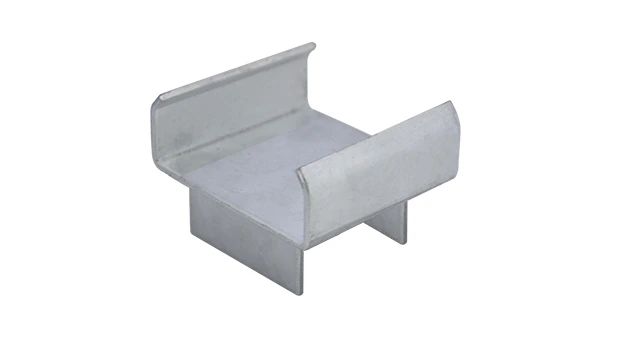
Roller Track Placon Mount Center Support Bracket
Roller track placon mount work as a connector for roller track and pipe or aluminum profile in rack syetem, it is a necessary parts in rack system which widely used in industrial plant and logistic,warehouse storage.
Why Does This Bracket Matter in Your Conveyor System?
If you've ever walked through a manufacturing facility, you've probably seen those smooth-moving conveyor lines—boxes gliding along roller tracks, parts sliding into assembly stations, or materials flowing from one workstation to the next. What you might not notice is the unsung hero keeping those systems stable: the support brackets. Today, we're zeroing in on one critical component: the Roller Track Placon Mount Center Support Bracket . It might sound technical, but think of it as the backbone that keeps your roller tracks aligned, reduces wear and tear, and ensures your entire conveyor setup runs like a well-oiled machine.
Whether you're running a small workshop or a large-scale production plant, choosing the right support bracket can mean the difference between a system that hums along for years and one that constantly breaks down. And with so many conveyor types out there—from light-duty roller tracks to heavy-duty steel conveyors—understanding which bracket works with which system isn't just helpful; it's essential. Let's dive in and break this down in simple terms.
First, Let's Get to Know the Roller Track Placon Mount Center Support Bracket
Before we talk compatibility, let's make sure we're all on the same page about what this bracket actually does. The Roller Track Placon Mount Center Support Bracket is designed to bolt directly onto aluminum profiles (those versatile metal frames you see in workbenches, racks, and conveyors) using Placon mounting technology. Its job? To hold the roller track firmly in place at its center, preventing sagging, misalignment, or excessive vibration—especially when heavy loads are moving across the track.
What makes this bracket stand out? It's built with flexibility in mind. Made from durable aluminum (a common material in lean manufacturing setups for its strength-to-weight ratio), it's lightweight enough for easy installation but tough enough to handle daily use. Plus, its modular design means it can be adjusted or repositioned as your conveyor needs change—perfect for facilities that embrace lean solutions and "sustainable improvement" (you know, that idea of adapting systems without starting from scratch).

Compatibility Breakdown: Which Conveyors Work Best?
Now, the big question: Which conveyor types play nice with this support bracket? Let's walk through the most common systems you'll find in factories, warehouses, and assembly lines, and see how the Placon Mount Center Support Bracket fits in.
1. Standard Roller Conveyors (Steel & Aluminum)
Roller conveyors are the workhorses of material handling—think those lines of metal rollers you see moving packages in a warehouse. They come in two main flavors: steel (for heavy loads) and aluminum (for lighter, faster-moving items). The Placon Mount Center Support Bracket is a natural fit here.
For example, take the 40 Steel Roller Track (common in automotive or heavy machinery plants) or the 38 Aluminum Roller Track (a staple in 3C electronics assembly). The bracket's center-mounted design distributes weight evenly along the track, preventing the rollers from bending under pressure. If you're using steel rollers with yellow or black ESD wheels (to prevent static damage in electronics), the bracket's aluminum construction also won't interfere with ESD protection—a huge plus for sensitive industries.
Pro tip: When pairing with steel roller tracks, opt for the heavy-duty version of the bracket (look for "high-load" specs) to match the track's weight capacity. For aluminum tracks, the standard bracket works great and keeps the overall system lightweight.
2. Flow Racks & Gravity-Fed Systems
Flow racks (or gravity racks) are those inclined shelves where items slide forward as the front one is taken—perfect for "first in, first out" (FIFO) inventory. They rely on smooth, consistent roller tracks to keep items moving without jamming. Here, the Placon Mount Center Support Bracket shines by keeping the track level and stable, even when the rack is fully loaded with boxes or parts.
Consider the 85 Staggered Roller Track , often used in flow racks for larger items. Its staggered roller design reduces friction, but without proper support, the track can warp over time, causing items to get stuck. The center bracket acts like a stabilizer, ensuring the track stays straight and the rollers maintain their spacing. This is especially important in busy warehouses where a single jam can slow down the entire picking process.
3. All Direction Roller Tracks (Ball Transfer Tables)
Ever seen a table where you can spin a box 360 degrees and push it in any direction? That's an all-direction roller track (or ball transfer table), common in assembly stations where workers need to reposition parts quickly. These tracks use small swivel roller balls (like the 1 Inch Stainless Steel Swivel Roller Balls ) set into a flat surface.
While these tracks are low-profile, they still need support—especially if they're integrated into a larger conveyor system. The Placon Mount Center Support Bracket works here by mounting underneath the track, providing a stable base without interfering with the ball movement. It's like adding an invisible layer of reinforcement, so even when a worker pushes a heavy part across the table, the track doesn't shift or wobble.
4. Heavy-Duty vs. Light-Duty Conveyors: Does Size Matter?
Yes and no. The beauty of this bracket is its adaptability. Let's break it down:
- Heavy-Duty Systems : Think 60 Steel Roller Track (used for large automotive parts or industrial machinery). These tracks handle loads up to 500kg per meter—so the bracket needs to keep up. Look for brackets with reinforced mounting plates and thicker aluminum walls (check the specs for "2.0mm aluminum profile" or higher). These brackets will bolt securely to your aluminum frames and prevent the track from sagging under extreme weight.
- Light-Duty Systems : Systems like the Mini Aluminum Roller Track (used in small electronics assembly or medical device production) carry lighter loads (under 50kg per meter). Here, the standard Placon Mount Bracket is more than enough. Its lightweight design keeps the system agile, and you can even mount multiple brackets along a single track for extra stability without adding unnecessary bulk.

A Quick Compatibility Reference Table
| Conveyor Type | Bracket Features That Matter | Key Benefits | Watch Out For… |
|---|---|---|---|
| 40/38 Steel/Aluminum Roller Track | Center-mounted design, aluminum construction | Even weight distribution, reduces roller wear | Mismatched load ratings (bracket vs. track) |
| 85 Staggered Roller Track (Flow Racks) | Stable base for inclined tracks | Prevents jams, maintains FIFO flow | Over-tightening bolts (can warp the track) |
| All Direction Roller Track | Low-profile mounting, non-intrusive design | Doesn't block ball movement, enhances stability | Mounting on uneven surfaces (use leveling feet!) |
| 60 Heavy-Duty Steel Roller Track | Reinforced high-load bracket | Handles up to 500kg/m without bending | Using standard bracket for heavy loads (risk of failure) |
Real-World Example: How a 3C Factory Solved Their Conveyor Sagging Issue
Let's take a look at a practical scenario. A major 3C electronics manufacturer (think smartphones and laptops) was struggling with their assembly line conveyor. They used 38 Aluminum Roller Track with Side Guides to move circuit boards between workstations, but over time, the middle of the track started sagging. This caused boards to get stuck, slowing down production and increasing the risk of damage.
Their solution? Installing Roller Track Placon Mount Center Support Brackets every 1.5 meters along the track. The brackets bolted directly to their existing aluminum profile frames (using aluminum profile accessories like T-slot nuts), and within a day, the sagging was gone. Workers noticed smoother movement, fewer jams, and the maintenance team reported less wear on the track rollers. Best of all, since the brackets are modular, they could adjust the spacing as they added more workstations later—true to the lean system of "sustainable improvement."
What to Consider When Choosing the Right Bracket
Now that you know which conveyors pair well with the Placon Mount Center Support Bracket, here are a few tips to make sure you pick the right one for your setup:
1. Check Your Track's Load Rating
– If your conveyor moves 200kg pallets, don't skimp on a bracket rated for 100kg. Match the bracket's capacity to your track's maximum load (plus a little extra for safety!).
2. Think About Environment
– In wet or dusty environments (like some warehouses), look for brackets with corrosion-resistant coating. For cleanrooms (medical device manufacturing), opt for smooth, easy-to-clean aluminum surfaces.
3. Compatibility with Your Aluminum Profiles
– The bracket uses Placon mounting, which works with most standard aluminum profiles (like 4040 or 3030 series). Double-check that your existing frames have the right T-slot size for the bracket's bolts.
4. Future-Proof Your System
– If you plan to expand your conveyor line later, choose brackets that can be easily repositioned or added to. The modular design of these brackets makes them perfect for growing operations.
Wrapping Up: The Bracket That Brings It All Together
At the end of the day, the Roller Track Placon Mount Center Support Bracket might not be the flashiest part of your conveyor system, but it's one of the most critical. By ensuring compatibility with roller conveyors, flow racks, all-direction tracks, and both heavy and light-duty setups, it keeps your material handling smooth, efficient, and reliable.
Whether you're in 3C assembly, medical device production, or automotive manufacturing, this bracket aligns with the lean pipe system philosophy: it's reusable, adaptable, and designed to make your workflow better over time. So next time you're setting up or upgrading a conveyor line, don't overlook the support brackets—they're the backbone that turns a good system into a great one.
And remember, if you're ever unsure which bracket to pair with your conveyor, reach out to a supplier who specializes in lean solutions . They can help you match the bracket to your track type, load needs, and industry requirements—ensuring your system runs smoothly for years to come.