- Company Articles
- Products and Technology
- Product knowledge
- Complete Guide: Three Way Lean Pipe Joint from Selection to Application

Complete Guide: Three Way Lean Pipe Joint from Selection to Application
Related Product
Three Way Lean Pipe Joint
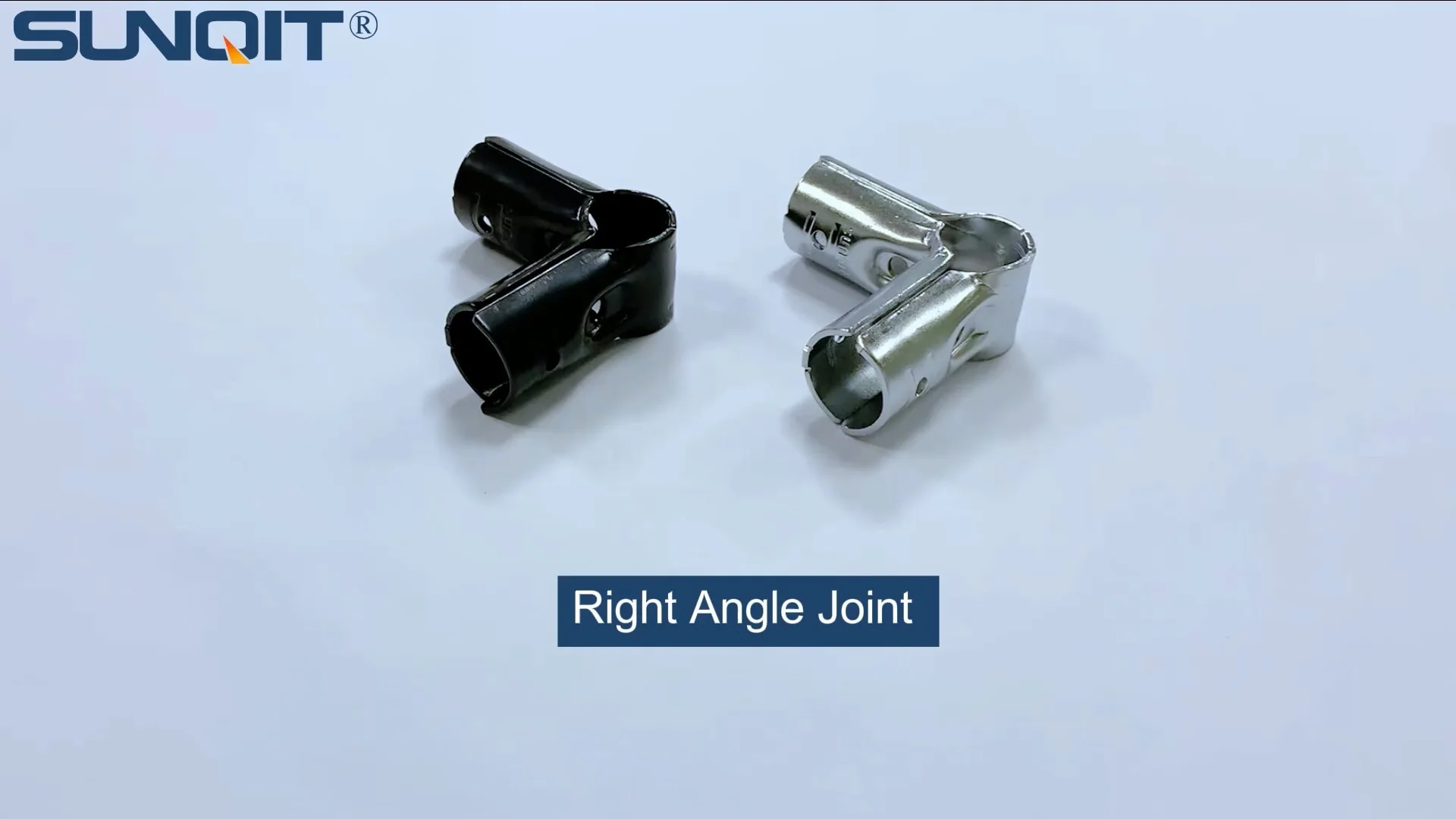
Three way lean pipe joint for 3 pcs 28MM lean pipe connection in straight angle, which used widely in workbench, flow rack, hand trolley frame connection.
Introduction: The Unsung Hero of Lean Systems
Walk into any modern manufacturing facility, warehouse, or assembly line, and you'll notice a common thread: flexibility. In a world where production needs shift overnight—new products, updated workflows, seasonal demands—rigid, fixed structures just don't cut it. That's where lean systems shine, and at the heart of these systems lies a small but mighty component: the three way lean pipe joint.
Think of it as the "cornerstone" of adaptability. While lean pipes, workbenches, and material racks get the spotlight, it's the joints that hold everything together—literally and figuratively. The three way lean pipe joint, in particular, is a game-changer. It's not just a connector; it's a enabler of 3D structures, turning simple pipes into workbenches, material racks, turnover trolleys, and more. Whether you're a small workshop looking to optimize space or a large factory aiming to reduce waste, understanding how to choose and use three way joints can transform your operations. This guide will take you from the basics of what a three way joint is to real-world applications, ensuring you have the knowledge to build lean, efficient systems that grow with your needs.
What Exactly is a Three Way Lean Pipe Joint?
Let's start with the basics: What makes a three way lean pipe joint different from other connectors? At its core, it's a specialized fitting designed to connect three lean pipes (or aluminum pipes, stainless steel pipes, etc.) at a single point, allowing for the creation of three-dimensional structures. Unlike two-way joints (which connect two pipes in a straight line or at a 90° angle) or four-way joints (which branch into four directions), three way joints are unique in their ability to balance simplicity with versatility—they're not too basic, not overly complex, but just right for most everyday lean setups.
Imagine building a lean pipe workbench: you need vertical legs, horizontal supports for the tabletop, and maybe a side rack for tools. A two-way joint can connect the legs to the tabletop frame, but to add that side rack, you need a three way joint—one arm for the vertical leg, one for the horizontal frame, and a third for the side rack pipe. Without it, you'd be stuck with a flat, 2D structure, missing out on vertical storage or multi-directional workflows. That's the magic of three way joints: they turn linear pipes into dynamic, multi-functional systems.

Key Features That Make Three Way Joints Indispensable
Not all joints are created equal. The best three way lean pipe joints share a set of features that align with lean principles—minimizing waste, maximizing efficiency, and enabling quick adaptation. Here's what to look for:
1. Durability Without the Bulk : These joints are built to handle daily wear and tear. Most are made from high-quality materials like zinc-plated steel, aluminum, or even stainless steel (part of the stainless steel pipe series for corrosive environments). They're tough enough to support heavy loads—think toolboxes on a workbench or stacked materials on a rack—without adding unnecessary weight to the structure.
2. Tool-Free Assembly (Mostly) : One of the biggest perks of lean systems is their "build-as-you-go" nature, and three way joints fit right in. Many models use set screws or clamping mechanisms that tighten by hand or with a simple hex key. No welding, no drilling, no waiting for a technician. This means your team can reconfigure a workbench or material rack in minutes, not days.
3. Adjustability : Fixed joints have their place, but the best three way joints offer some degree of rotation or swivel. For example, an internal rotatary aluminum joint lets you adjust the angle of connected pipes after assembly, perfect for fine-tuning a material rack to fit awkwardly shaped items or aligning a conveyor with a new workflow.
4. Compatibility Across Pipe Types : Whether you're using traditional steel lean pipes, lightweight aluminum lean pipes, or corrosion-resistant stainless steel pipes, a good three way joint should play well with all. Look for universal designs that fit standard pipe diameters (usually 28mm for lean pipes or 30mm for aluminum profiles) to avoid compatibility headaches.

Materials Matter: Choosing the Right Three Way Joint for Your Environment
The material of your three way lean pipe joint isn't just about aesthetics—it directly impacts performance, lifespan, and cost. Let's break down the most common options:
Zinc-Plated Steel : The workhorse of the bunch. Zinc plating adds a layer of corrosion resistance, making these joints ideal for dry, indoor environments like assembly lines or workshops. They're strong, affordable, and compatible with most standard lean pipes. If your setup doesn't face extreme moisture or chemicals, this is a solid go-to.
Aluminum : For applications where weight matters—like mobile turnover trolleys or lightweight workbenches—aluminum joints are a dream. They're lighter than steel, rust-resistant, and blend seamlessly with aluminum lean pipes. Plus, they're easy to clean, which is a bonus in food processing or pharmaceutical settings where hygiene is key.
Stainless Steel : When corrosion is a concern—think warehouses near the coast, or facilities with frequent water exposure—stainless steel joints (part of the stainless steel pipe series ) are worth the investment. They're pricier than zinc-plated steel but offer unmatched durability in harsh environments. Some even come with ESD (electrostatic discharge) properties, making them safe for electronics manufacturing.
Pro tip: Match the joint material to your pipe material. Aluminum pipes with aluminum joints? They'll look cohesive and reduce galvanic corrosion (a chemical reaction between dissimilar metals). Stainless steel pipes with stainless steel joints? Maximum longevity in wet conditions.

Types of Three Way Lean Pipe Joints: Fixed, Rotating, and Everything In Between
Not all three way joints are designed for the same job. Understanding the different types will help you pick the right one for your project. Here are the main categories:
Fixed Three Way Joints : As the name suggests, these lock pipes into a fixed angle (usually 90° or 135°). They're perfect for static structures that don't need reconfiguration—like a permanent lean pipe workbench or a stationary material rack. Since they don't move, they offer maximum stability for heavy loads.
Swivel/Rotary Three Way Joints : These are the "adaptable" cousins. An internal rotatary aluminum joint , for example, lets one or more of the connected pipes rotate around the joint axis. This is game-changing for setups that need flexibility: think of a material rack where shelves tilt to unload parts, or a workbench with an adjustable side arm that swings out of the way when not in use.
Internal vs. External Joints : Internal joints sit inside the pipe ends, creating a smooth, flush look (great for applications where workers might brush against the structure, reducing snagging risks). External joints clamp around the outside of pipes, making them easier to install and remove—ideal for temporary setups or frequent reconfigurations.
Reinforced Joints : For extra-heavy loads (like a material rack holding metal parts or automotive components), reinforced three way joints add extra support. They might have thicker walls, larger clamping surfaces, or additional set screws to distribute weight more evenly.
Selection Criteria: How to Pick the Perfect Three Way Joint
Choosing a three way lean pipe joint isn't just about grabbing the first one off the shelf. It's about matching the joint to your specific needs. Use this table to narrow down your options:
| Criteria | What to Consider | Example Scenario |
|---|---|---|
| Load Capacity | How much weight will the joint need to support? Check the manufacturer's specs for maximum vertical/horizontal load. | A material rack b (3 row and 3 floor) storing heavy tools needs a joint with a load capacity of at least 50kg per arm. |
| Pipe Diameter | Ensure the joint fits your pipe size (e.g., 28mm lean pipe, 30mm aluminum pipe). | Using 30mm aluminum lean pipes? Avoid joints designed for 25mm steel pipes—they'll slip or crack. |
| Environment | Moisture, chemicals, or ESD sensitivity? Choose materials accordingly (stainless steel for wet areas, ESD-rated for electronics). | A food processing plant should opt for stainless steel joints to resist frequent washdowns. |
| Reconfiguration Frequency | Static setup? Fixed joints. Frequent changes? Swivel or tool-free clamp joints. | A seasonal warehouse that switches from holiday packaging to regular storage needs swivel joints for quick reconfigs. |
| Cost vs. Longevity | Aluminum and stainless steel cost more upfront but last longer than zinc-plated steel. | A startup on a budget might use zinc-plated joints for now, upgrading to aluminum as they scale. |
Installation 101: Putting It All Together
You've selected the perfect three way joint—now it's time to build. The beauty of lean systems is that installation is straightforward, even for beginners. Here's a step-by-step guide:
Step 1: Gather Your Tools : Most joints need just a hex key (Allen wrench) or a Phillips screwdriver. For tighter fits, a rubber mallet might help tap pipes into place, but avoid overdoing it—you don't want to damage the joint or pipe.
Step 2: Prep the Pipes : Ensure pipe ends are clean and straight (no bends or dents). If using coated pipes (like PE-coated lean pipes), check that the coating isn't peeling at the ends—this can affect how well the joint clamps.
Step 3: Align the Joint : Slide the joint onto one pipe first, then position the second and third pipes at your desired angle. For fixed joints, line up the pre-drilled holes; for swivel joints, set the rotation before tightening.
Step 4: Tighten Gradually : If using set screws, tighten them evenly—don't crank one side all the way first, as this can misalign the pipes. For clamp-style joints, snug the bolts until the joint grips the pipes firmly, but not so tight that it deforms the pipe.
Step 5: Test for Stability : Give the structure a gentle shake. If there's wobble, check if the joint is loose or if pipes are misaligned. Tighten as needed, and repeat until the structure feels solid.
Pro tip: For complex structures (like a multi-level material rack), build the base first, then add vertical supports, and finally the horizontal crossbars. This "bottom-up" approach ensures stability from the start.
Real-World Applications: From Workbenches to Material Racks
Theory is great, but seeing three way joints in action brings their value to life. Let's explore two common applications where these joints shine:
Application 1: Lean Pipe Workbench
A lean pipe workbench is the backbone of many assembly lines, and three way joints are what make it customizable. Here's how they're used: vertical legs (connected with two-way joints at the bottom for the base frame), horizontal crossbars (using three way joints to connect legs to the tabletop frame), and optional side shelves or tool hooks (third arm of the three way joint). For example, a workbench e (single deck-without caster) might use fixed three way joints to keep the frame sturdy, while a mobile workbench could add swivel joints to adjust the height of a side tool rack.
Why it works: Three way joints let you add or remove components without rebuilding the entire bench. Need a shelf for a new tool? Just add a joint and a pipe. Switching to a taller worker? Adjust the leg height using swivel joints. It's lean manufacturing in action—no waste, no downtime.
Application 2: Material Rack B (3 Row and 3 Floor)
Material racks are all about maximizing vertical space, and three way joints are the key to building upward. A material rack b (3 row and 3 floor) uses three way joints at every "corner"—connecting vertical support pipes, horizontal shelf rails, and diagonal braces for stability. Each shelf level is held by joints that distribute weight evenly across the structure, ensuring even the top floor (hardest to reinforce) stays secure.
Why it works: Without three way joints, you'd need extra brackets or crossbars to connect shelves to vertical supports, adding cost and complexity. With three way joints, the rack assembles quickly, and shelves can be repositioned by loosening the joints and sliding them up or down—perfect for storing different-sized boxes or seasonal inventory.
Maintenance and Troubleshooting: Keeping Your Joints (and Systems) Strong
Even the best three way joints need a little care to last. Here's how to keep them in top shape:
Regular Inspections : Every month, check joints for looseness—especially in high-traffic areas like workbenches or trolleys. A quick tighten with a hex key can prevent a wobbly structure from becoming a safety hazard.
Cleaning : In dusty or greasy environments (like automotive shops), wipe joints with a damp cloth to remove debris. For stainless steel joints in wet areas, a mild soap solution will prevent mineral buildup.
Lubrication (for Swivel Joints) : If you're using internal rotatary aluminum joints or other swivel types, add a drop of light machine oil to the rotation points every few months. This keeps them moving smoothly and prevents rust-related seizing.
Troubleshooting Common Issues :
- Joint Slipping : Tighten the set screws or clamps. If it still slips, check if the pipe is bent or the joint is worn—replace if needed.
- Corrosion : For steel joints, sand off rust and apply a coat of zinc-rich paint. For severe cases, upgrade to stainless steel.
- Uneven Weight Distribution : Add diagonal braces using three way joints to spread weight more evenly across the structure.
Conclusion: Invest in the Right Joints, Invest in Your Lean Journey
The three way lean pipe joint may be small, but its impact on your lean system is huge. It's the difference between a static setup that becomes obsolete in six months and a dynamic structure that evolves with your business. By choosing the right material, type, and size—whether for a lean pipe workbench , a material rack b (3 row and 3 floor) , or a custom turnover trolley—you're not just building structures; you're building efficiency, flexibility, and resilience.
Remember, the best lean systems are built on quality components, and that starts with partnering with a reliable lean pipe supplier who offers durable, well-tested joints. Don't skimp on the "small parts"—they're the ones holding everything together. With the knowledge from this guide, you're ready to start designing, building, and optimizing. Here's to leaner workflows, happier teams, and a more adaptable future.