- Company Articles
- Products and Technology
- Product knowledge
- Complete Guide to Single Side Aluminum Pipe: From Selection to Application in Manufacturing

Complete Guide to Single Side Aluminum Pipe: From Selection to Application in Manufacturing
Related Product
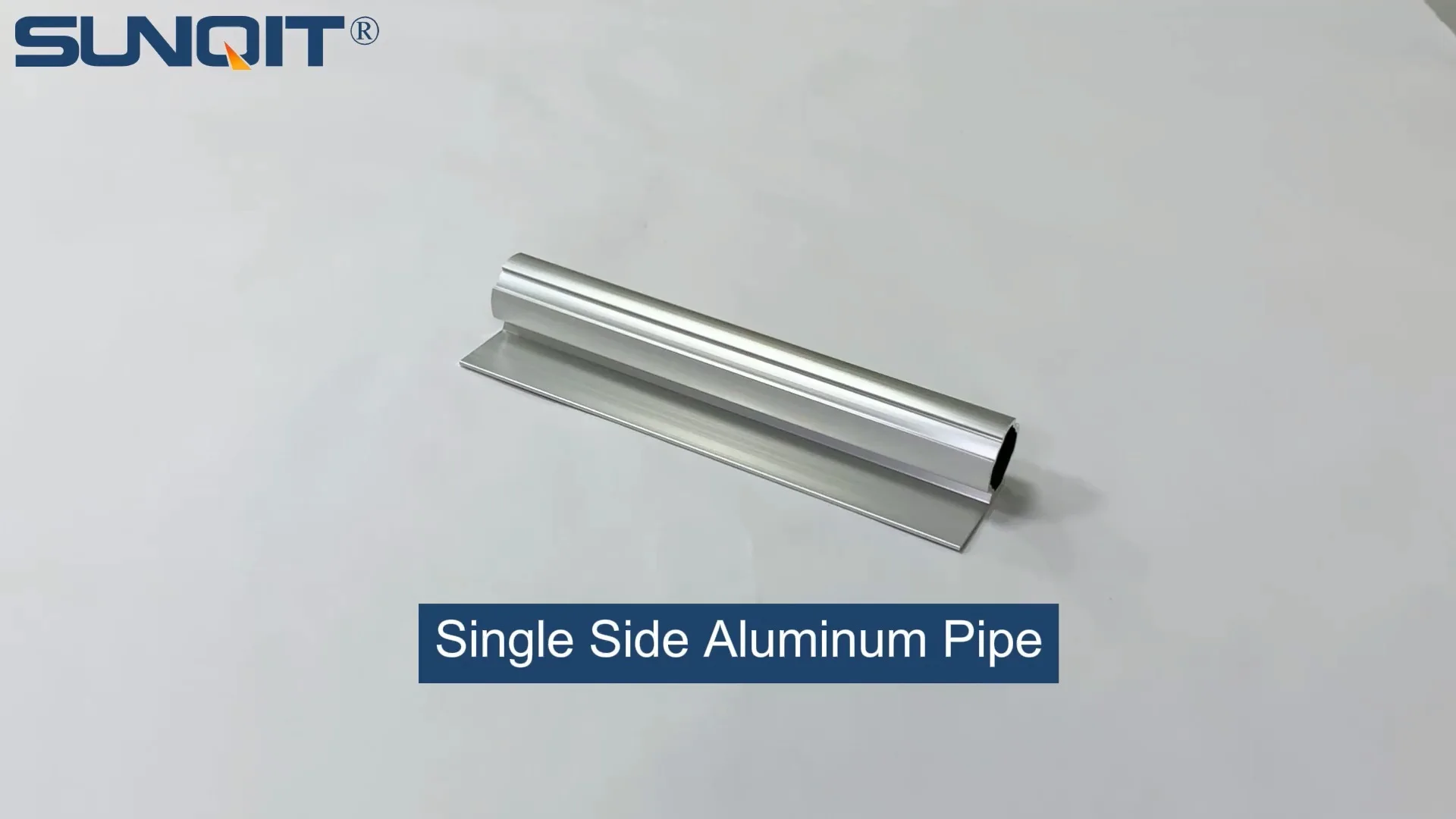
Single Side Aluminum Pipe
The single-sided plane can be installed with a back-mounted material box, and can also be used as a sidewall or partition.
Introduction: The Backbone of Modern Manufacturing Setups
In the fast-paced world of manufacturing, efficiency, flexibility, and durability aren't just buzzwords—they're the foundation of a productive workspace. Every component, from the workbench where assembly happens to the conveyor that moves materials, plays a critical role in keeping operations running smoothly. Among these components, one unsung hero stands out: the single side aluminum pipe. Lightweight yet sturdy, adaptable yet reliable, this unassuming piece of hardware has quietly revolutionized how factories, warehouses, and production lines are designed and operated.
Whether you're setting up a new lean system, upgrading an existing assembly line, or building a custom workbench, understanding the ins and outs of single side aluminum pipes can save you time, money, and headaches down the line. This guide will walk you through everything you need to know—from what single side aluminum pipes are and why they matter, to how to select the right one for your needs, pair it with the best aluminum profile accessories, and integrate it seamlessly into your manufacturing processes. Let's dive in.
Whether you're setting up a new lean system, upgrading an existing assembly line, or building a custom workbench, understanding the ins and outs of single side aluminum pipes can save you time, money, and headaches down the line. This guide will walk you through everything you need to know—from what single side aluminum pipes are and why they matter, to how to select the right one for your needs, pair it with the best aluminum profile accessories, and integrate it seamlessly into your manufacturing processes. Let's dive in.
What is Single Side Aluminum Pipe? Breaking Down the Basics
At its core, a single side aluminum pipe is exactly what it sounds like: a hollow aluminum tube designed with a specialized groove or channel on one side (the "single side"). This groove isn't just a design quirk—it's the key to its versatility. Unlike traditional steel pipes, which require welding or heavy clamps to connect, the single side groove allows for quick, tool-free assembly with compatible aluminum profile accessories like joints, brackets, and end caps. This makes it easy to build, modify, or dismantle structures on the fly, a game-changer for environments where layouts need to adapt to shifting production demands.
But why aluminum? Aluminum offers a winning combination of benefits that steel and plastic pipes can't match. For starters, it's significantly lighter than steel, reducing the overall weight of structures like workbenches or material racks without sacrificing strength. It's also naturally resistant to corrosion, making it ideal for use in environments where moisture or chemicals are present—think food processing plants or electronics manufacturing facilities. And unlike plastic, it won't warp under heat or heavy loads, ensuring long-term stability even in high-stress applications.
Another standout feature is its precision. Single side aluminum pipes are typically made via aluminum extrusion, a process that shapes molten aluminum into consistent, uniform profiles. This means every pipe you buy will have the same dimensions, groove depth, and wall thickness, ensuring compatibility across batches and brands. Whether you're ordering 10 pipes or 1000, you can trust they'll fit together perfectly with your existing aluminum profile accessories.
But why aluminum? Aluminum offers a winning combination of benefits that steel and plastic pipes can't match. For starters, it's significantly lighter than steel, reducing the overall weight of structures like workbenches or material racks without sacrificing strength. It's also naturally resistant to corrosion, making it ideal for use in environments where moisture or chemicals are present—think food processing plants or electronics manufacturing facilities. And unlike plastic, it won't warp under heat or heavy loads, ensuring long-term stability even in high-stress applications.
Another standout feature is its precision. Single side aluminum pipes are typically made via aluminum extrusion, a process that shapes molten aluminum into consistent, uniform profiles. This means every pipe you buy will have the same dimensions, groove depth, and wall thickness, ensuring compatibility across batches and brands. Whether you're ordering 10 pipes or 1000, you can trust they'll fit together perfectly with your existing aluminum profile accessories.

Types of Single Side Aluminum Pipes: Choosing the Right Fit
Not all single side aluminum pipes are created equal. They come in a range of sizes, wall thicknesses, and designs to suit different applications. Here's a breakdown of the most common types you'll encounter:
1. Standard Single Side Aluminum Pipe : The workhorse of the bunch, this pipe features a single T-slot groove running along one side. It's the most versatile option, compatible with a wide range of aluminum profile accessories like L-joints, T-joints, and flat brackets. Ideal for general-purpose use, such as building workbenches, lightweight conveyors, or temporary storage racks.
2. Heavy-Duty Single Side Aluminum Pipe : Built with a thicker wall (usually 1.5mm to 2.0mm) and reinforced groove, this pipe is designed to handle heavier loads. Think of it as the "industrial grade" option—perfect for material racks that hold bulky components, or conveyor systems that transport heavy parts across the factory floor.
3. Corrugated Single Side Aluminum Pipe : For applications where grip or flexibility is key, corrugated single side pipes are the way to go. The textured outer surface prevents slippage, making them great for use in turnover trolleys or as handrails. The corrugation also adds a bit of extra strength without adding significant weight.
4. Specialized Coated Pipes : Some manufacturers offer single side aluminum pipes with protective coatings, like anodized finishes or anti-static layers. Anodized pipes are extra resistant to scratches and corrosion, while anti-static versions are critical in electronics manufacturing, where static electricity can damage sensitive components.
To help you compare, here's a quick overview of key specs for the most popular types:
1. Standard Single Side Aluminum Pipe : The workhorse of the bunch, this pipe features a single T-slot groove running along one side. It's the most versatile option, compatible with a wide range of aluminum profile accessories like L-joints, T-joints, and flat brackets. Ideal for general-purpose use, such as building workbenches, lightweight conveyors, or temporary storage racks.
2. Heavy-Duty Single Side Aluminum Pipe : Built with a thicker wall (usually 1.5mm to 2.0mm) and reinforced groove, this pipe is designed to handle heavier loads. Think of it as the "industrial grade" option—perfect for material racks that hold bulky components, or conveyor systems that transport heavy parts across the factory floor.
3. Corrugated Single Side Aluminum Pipe : For applications where grip or flexibility is key, corrugated single side pipes are the way to go. The textured outer surface prevents slippage, making them great for use in turnover trolleys or as handrails. The corrugation also adds a bit of extra strength without adding significant weight.
4. Specialized Coated Pipes : Some manufacturers offer single side aluminum pipes with protective coatings, like anodized finishes or anti-static layers. Anodized pipes are extra resistant to scratches and corrosion, while anti-static versions are critical in electronics manufacturing, where static electricity can damage sensitive components.
To help you compare, here's a quick overview of key specs for the most popular types:
| Type of Single Side Aluminum Pipe | Wall Thickness (mm) | Common Diameters (mm) | Max Load Capacity (kg/m) | Best For |
|---|---|---|---|---|
| Standard | 1.0 – 1.2 | 20, 30, 40 | 50 – 80 | Workbenches, lightweight racks |
| Heavy-Duty | 1.5 – 2.0 | 40, 50, 60 | 100 – 150 | Material racks, conveyors |
| Corrugated | 1.2 – 1.5 | 30, 40 | 60 – 90 | Turnover trolleys, handrails |
| Anti-Static Coated | 1.0 – 1.5 | 20, 30, 40 | 50 – 100 | Electronics assembly lines |

Why Single Side Aluminum Pipe? The Benefits Over Traditional Materials
You might be wondering: Why not just use steel pipes or plastic tubing instead? It's a fair question, but once you weigh the pros and cons, single side aluminum pipes quickly rise to the top. Here's why they've become a staple in modern manufacturing:
Lightweight, High Strength : Aluminum is about 1/3 the weight of steel, which means structures built with single side aluminum pipes are easier to move, install, and reconfigure. Don't let the lightness fool you, though—aluminum has a high strength-to-weight ratio, so it can still support heavy loads without bending or warping. This is a huge plus for lean systems, where adaptability (read: moving workstations or racks) is essential.
Tool-Free Assembly (Thanks to Aluminum Profile Accessories) : Remember that single side groove we mentioned earlier? Pair it with aluminum profile accessories like internal rotatary aluminum joints or T-slot brackets, and you can assemble a complete structure in minutes—no welding, drilling, or heavy tools required. Need to adjust the height of a workbench? Swap out a joint. Need to add a shelf to a material rack? Snap on a bracket. It's like building with industrial-grade Legos, and it cuts setup time by up to 50% compared to traditional methods.
Corrosion Resistance : Unlike steel, aluminum doesn't rust. This makes single side aluminum pipes perfect for humid environments, food processing facilities, or any workspace where moisture is a concern. Even better, anodized aluminum pipes (a common finish) are extra resistant to chemicals and scratches, extending their lifespan even further.
Cost-Effective in the Long Run : While single side aluminum pipes might have a slightly higher upfront cost than steel or plastic, they pay for themselves over time. Their durability means fewer replacements, and their modular design reduces labor costs for assembly and reconfiguration. Plus, aluminum is 100% recyclable, so if you ever need to replace a section, you can sell the old pipes for scrap—minimizing waste and adding a little extra to your bottom line.
Lightweight, High Strength : Aluminum is about 1/3 the weight of steel, which means structures built with single side aluminum pipes are easier to move, install, and reconfigure. Don't let the lightness fool you, though—aluminum has a high strength-to-weight ratio, so it can still support heavy loads without bending or warping. This is a huge plus for lean systems, where adaptability (read: moving workstations or racks) is essential.
Tool-Free Assembly (Thanks to Aluminum Profile Accessories) : Remember that single side groove we mentioned earlier? Pair it with aluminum profile accessories like internal rotatary aluminum joints or T-slot brackets, and you can assemble a complete structure in minutes—no welding, drilling, or heavy tools required. Need to adjust the height of a workbench? Swap out a joint. Need to add a shelf to a material rack? Snap on a bracket. It's like building with industrial-grade Legos, and it cuts setup time by up to 50% compared to traditional methods.
Corrosion Resistance : Unlike steel, aluminum doesn't rust. This makes single side aluminum pipes perfect for humid environments, food processing facilities, or any workspace where moisture is a concern. Even better, anodized aluminum pipes (a common finish) are extra resistant to chemicals and scratches, extending their lifespan even further.
Cost-Effective in the Long Run : While single side aluminum pipes might have a slightly higher upfront cost than steel or plastic, they pay for themselves over time. Their durability means fewer replacements, and their modular design reduces labor costs for assembly and reconfiguration. Plus, aluminum is 100% recyclable, so if you ever need to replace a section, you can sell the old pipes for scrap—minimizing waste and adding a little extra to your bottom line.

Selecting the Right Single Side Aluminum Pipe: Key Factors to Consider
Now that you know why single side aluminum pipes are a smart choice, let's talk about how to pick the right one for your project. With so many options on the market, it's easy to feel overwhelmed—but focusing on these key factors will simplify the process:
1. Load Capacity: Know What You're Lifting The first question to ask is: How much weight will the pipe need to support? A workbench used for small electronics assembly might only need a standard pipe with a 50kg/m capacity, while a conveyor transporting heavy machinery parts will require a heavy-duty pipe with 150kg/m or more. Always check the manufacturer's load ratings, and when in doubt, go for a higher capacity than you think you need—it's better to be safe than sorry.
2. Size: Diameter and Length Matter Single side aluminum pipes come in various diameters (typically 20mm to 60mm) and lengths (usually 1m to 6m). The diameter affects both load capacity and compatibility with accessories—make sure the pipe you choose fits the joints, brackets, or casters you plan to use. Length is more about logistics: longer pipes mean fewer joints (stronger structure), but they're harder to transport. If you're working in a tight space, opt for shorter lengths that can be connected with joints.
3. Environment: Consider the Workspace Conditions Will the pipe be exposed to moisture? Go for anodized or coated aluminum. Working with sensitive electronics? Anti-static pipes are a must. In high-temperature environments, check that the pipe's coating (if any) can withstand the heat. Don't forget about aesthetics, too—some pipes come in different colors (like silver, black, or gray), which can help match your facility's design scheme.
4. Compatibility with Your Lean System If you're integrating the pipe into an existing lean system, compatibility is key. Make sure the pipe's groove size and design match the aluminum profile accessories you already own (e.g., joints, clamps, or roller tracks). Most manufacturers follow standard sizes, but it's always a good idea to double-check—there's nothing worse than ordering a batch of pipes only to find they don't fit your current setup.
1. Load Capacity: Know What You're Lifting The first question to ask is: How much weight will the pipe need to support? A workbench used for small electronics assembly might only need a standard pipe with a 50kg/m capacity, while a conveyor transporting heavy machinery parts will require a heavy-duty pipe with 150kg/m or more. Always check the manufacturer's load ratings, and when in doubt, go for a higher capacity than you think you need—it's better to be safe than sorry.
2. Size: Diameter and Length Matter Single side aluminum pipes come in various diameters (typically 20mm to 60mm) and lengths (usually 1m to 6m). The diameter affects both load capacity and compatibility with accessories—make sure the pipe you choose fits the joints, brackets, or casters you plan to use. Length is more about logistics: longer pipes mean fewer joints (stronger structure), but they're harder to transport. If you're working in a tight space, opt for shorter lengths that can be connected with joints.
3. Environment: Consider the Workspace Conditions Will the pipe be exposed to moisture? Go for anodized or coated aluminum. Working with sensitive electronics? Anti-static pipes are a must. In high-temperature environments, check that the pipe's coating (if any) can withstand the heat. Don't forget about aesthetics, too—some pipes come in different colors (like silver, black, or gray), which can help match your facility's design scheme.
4. Compatibility with Your Lean System If you're integrating the pipe into an existing lean system, compatibility is key. Make sure the pipe's groove size and design match the aluminum profile accessories you already own (e.g., joints, clamps, or roller tracks). Most manufacturers follow standard sizes, but it's always a good idea to double-check—there's nothing worse than ordering a batch of pipes only to find they don't fit your current setup.
Pro Tip:
When in doubt, ask your supplier for samples! A reputable single side aluminum pipe supplier will be happy to send you a small section of pipe and a few accessories so you can test fit, load capacity, and durability before placing a bulk order.
Aluminum Profile Accessories: The Unsung Heroes of Flexibility
A single side aluminum pipe is only as good as the accessories it's paired with. Aluminum profile accessories are the connectors, brackets, and add-ons that turn a simple pipe into a functional structure—whether that's a workbench, a conveyor, or a material rack. Let's take a closer look at the most essential ones:
Joints: The "Glue" That Holds It All Together Joints are the backbone of any single side aluminum pipe structure. They come in all shapes and sizes to accommodate different angles and connections. For example:
Brackets and End Caps: Finishing Touches with Purpose Brackets are used to attach shelves, panels, or other components to the pipe. For example, a flat bracket can hold a wooden or aluminum honeycomb panel on a workbench, while a side bracket can mount a roller track for a conveyor. End caps, on the other hand, cover the open ends of pipes to prevent dust, debris, or fingers from getting stuck inside—small but essential for safety and cleanliness.
Casters and Casters Accessories: Mobility Made Easy Want to make a workbench or trolley mobile? Add casters! Single side aluminum pipes pair perfectly with caster accessories like castor installation bases, which slot into the pipe's groove and secure with a simple clamp. Look for casters with brakes if you need the structure to stay in place during use—no more chasing runaway trolleys across the factory floor.
Roller Tracks and Guides: For Smooth Material Flow In conveyor systems or material racks, roller tracks are a must for moving products from point A to point B. Single side aluminum pipes can be fitted with plastic roller track guide rails (in yellow, gray, or other colors) or aluminum guide rails, which glide along the pipe's groove. Add swivel roller balls (1 inch or 0.5 inch) for even smoother movement—perfect for assembly lines where speed and precision matter.
Joints: The "Glue" That Holds It All Together Joints are the backbone of any single side aluminum pipe structure. They come in all shapes and sizes to accommodate different angles and connections. For example:
- Internal Rotatary Aluminum Joints : These allow pipes to rotate 360 degrees, making them perfect for adjustable workbenches or racks that need to pivot.
- 90° Aluminum Crossing Joints : Used to connect two pipes at a right angle (like the corner of a workbench or shelf).
- Three-Way Aluminum Joints : Great for adding branches to a structure (e.g., a central support beam with two side shelves).
Brackets and End Caps: Finishing Touches with Purpose Brackets are used to attach shelves, panels, or other components to the pipe. For example, a flat bracket can hold a wooden or aluminum honeycomb panel on a workbench, while a side bracket can mount a roller track for a conveyor. End caps, on the other hand, cover the open ends of pipes to prevent dust, debris, or fingers from getting stuck inside—small but essential for safety and cleanliness.
Casters and Casters Accessories: Mobility Made Easy Want to make a workbench or trolley mobile? Add casters! Single side aluminum pipes pair perfectly with caster accessories like castor installation bases, which slot into the pipe's groove and secure with a simple clamp. Look for casters with brakes if you need the structure to stay in place during use—no more chasing runaway trolleys across the factory floor.
Roller Tracks and Guides: For Smooth Material Flow In conveyor systems or material racks, roller tracks are a must for moving products from point A to point B. Single side aluminum pipes can be fitted with plastic roller track guide rails (in yellow, gray, or other colors) or aluminum guide rails, which glide along the pipe's groove. Add swivel roller balls (1 inch or 0.5 inch) for even smoother movement—perfect for assembly lines where speed and precision matter.
Applications in Manufacturing: Where Single Side Aluminum Pipes Shine
Now that you know how to select and accessorize single side aluminum pipes, let's explore how they're actually used in real-world manufacturing. From workbenches to conveyors, these pipes are the building blocks of some of the most efficient setups in the industry.
1. Custom Workbenches: The Heart of Assembly Lines Every assembly line needs a solid workbench, and single side aluminum pipes make building the perfect one a breeze. Start with a frame of heavy-duty single side aluminum pipes, connect them with 90° aluminum crossing joints, and add a top (like an aluminum honeycomb panel for durability). Need storage? Attach shelves using parallel aluminum joints. Want to make it mobile? Add casters. The best part? If your assembly needs change (e.g., you start working on larger products), you can easily adjust the height or add extensions—no need to buy a whole new bench.
2. Lean System Structures: Streamlining Workflow Lean manufacturing is all about eliminating waste and maximizing efficiency, and single side aluminum pipes are a lean system's best friend. Use them to build modular racks, kanban boards, or visual management stations that can be reconfigured as workflows change. For example, a material rack B (3 row and 3 floor) built with single side aluminum pipes can be adjusted to hold more or fewer products depending on demand, ensuring you never have excess inventory cluttering the floor.
3. Conveyors and Material Handling Moving materials from one station to another can eat up valuable time—unless you have a smooth, reliable conveyor system. Single side aluminum pipes form the frame of lightweight yet sturdy conveyors, paired with roller tracks (like 40 steel roller track with yellow wheels) and swivel roller balls for friction-free movement. Whether you're transporting small parts or large components, these conveyors are easy to install, modify, and maintain—saving your team from manual lifting and cutting down on errors.
4. Turnover Trolleys and Racks: On-the-Go Storage In warehouses and distribution centers, turnover trolleys are essential for moving goods quickly. Single side aluminum pipes make these trolleys lightweight enough to push by hand but strong enough to carry heavy loads. Add corrugated pipes for extra grip, and you've got a trolley that can handle everything from boxes to tools. Racks built with single side aluminum pipes are just as versatile—use them to store raw materials, finished products, or tools, and adjust the shelves as needed.
5. Safety Barriers and Guardrails Safety first! Single side aluminum pipes aren't just for productivity—they can also keep your team safe. Use them to build guardrails around machinery, barriers to separate pedestrian and vehicle traffic, or handrails on mezzanines. The lightweight design makes installation easy, and the corrosion resistance ensures they'll stand up to daily wear and tear.
1. Custom Workbenches: The Heart of Assembly Lines Every assembly line needs a solid workbench, and single side aluminum pipes make building the perfect one a breeze. Start with a frame of heavy-duty single side aluminum pipes, connect them with 90° aluminum crossing joints, and add a top (like an aluminum honeycomb panel for durability). Need storage? Attach shelves using parallel aluminum joints. Want to make it mobile? Add casters. The best part? If your assembly needs change (e.g., you start working on larger products), you can easily adjust the height or add extensions—no need to buy a whole new bench.
2. Lean System Structures: Streamlining Workflow Lean manufacturing is all about eliminating waste and maximizing efficiency, and single side aluminum pipes are a lean system's best friend. Use them to build modular racks, kanban boards, or visual management stations that can be reconfigured as workflows change. For example, a material rack B (3 row and 3 floor) built with single side aluminum pipes can be adjusted to hold more or fewer products depending on demand, ensuring you never have excess inventory cluttering the floor.
3. Conveyors and Material Handling Moving materials from one station to another can eat up valuable time—unless you have a smooth, reliable conveyor system. Single side aluminum pipes form the frame of lightweight yet sturdy conveyors, paired with roller tracks (like 40 steel roller track with yellow wheels) and swivel roller balls for friction-free movement. Whether you're transporting small parts or large components, these conveyors are easy to install, modify, and maintain—saving your team from manual lifting and cutting down on errors.
4. Turnover Trolleys and Racks: On-the-Go Storage In warehouses and distribution centers, turnover trolleys are essential for moving goods quickly. Single side aluminum pipes make these trolleys lightweight enough to push by hand but strong enough to carry heavy loads. Add corrugated pipes for extra grip, and you've got a trolley that can handle everything from boxes to tools. Racks built with single side aluminum pipes are just as versatile—use them to store raw materials, finished products, or tools, and adjust the shelves as needed.
5. Safety Barriers and Guardrails Safety first! Single side aluminum pipes aren't just for productivity—they can also keep your team safe. Use them to build guardrails around machinery, barriers to separate pedestrian and vehicle traffic, or handrails on mezzanines. The lightweight design makes installation easy, and the corrosion resistance ensures they'll stand up to daily wear and tear.
Installation and Maintenance: Keeping Your Pipes in Top Shape
Installing single side aluminum pipes is surprisingly simple, thanks to those handy aluminum profile accessories. Here's a quick step-by-step guide to get you started:
Installation Steps:
Maintenance Tips to Extend Lifespan:
Installation Steps:
- Plan Your Design : Sketch out your structure (e.g., workbench, rack) and measure the space to ensure it fits. Mark where joints, shelves, or casters will go.
- Cut Pipes to Length (If Needed) : Most suppliers will cut pipes to your desired length, but if you need to adjust on-site, use a hacksaw or pipe cutter. File down any rough edges to prevent scratches.
- Assemble the Frame : Start with the base (e.g., four vertical pipes for a workbench). insert aluminum profile accessories like internal rotatary aluminum joints into the single side grooves, then slide the horizontal pipes into place. Twist or snap the joints to lock them—you'll hear a "click" when they're secure.
- Add Accessories : Attach shelves, roller tracks, or casters using compatible brackets. Make sure everything is tight and stable—give the structure a gentle shake to check for wobbles.
- Test It Out : Load the structure with its intended weight and check for bending or sagging. If something feels off, reinforce it with extra joints or switch to a heavier-duty pipe.
Maintenance Tips to Extend Lifespan:
- Clean Regularly : Wipe down pipes with a damp cloth to remove dust, grease, or debris. For stubborn grime, use a mild soap and water—avoid harsh chemicals that could damage the finish.
- Check Joints and Accessories : Over time, joints can loosen with use. Every few months, inspect connections and tighten them if needed (most aluminum profile accessories can be adjusted by hand or with a small wrench).
- Protect from Impact : While aluminum is strong, it can dent if hit hard. Use corner guards or bumpers on structures that might be bumped by forklifts or trolleys.
- replace Worn Parts : If a joint cracks or a caster wheel wears out, replace it immediately. Most aluminum profile accessories are inexpensive, and replacing a small part is better than letting the whole structure fail.
Choosing a Supplier: What to Look For
Last but not least, finding a reliable single side aluminum pipe supplier is crucial. Here are the key qualities to look for:
1. Quality Materials : The best suppliers use high-grade aluminum (e.g., 6063-T5, a common alloy for structural applications) that's durable and consistent. Ask about their manufacturing process—look for suppliers who use precision extrusion to ensure uniform pipe dimensions.
2. Wide Range of Accessories : A good supplier should offer not just pipes, but also a full lineup of aluminum profile accessories (joints, brackets, casters, etc.) to make your project one-stop shopping.
3. Customization Options : Need pipes cut to specific lengths, or a custom color? The supplier should be able to accommodate special requests.
4. Responsive Customer Service : From answering questions about load capacity to helping you troubleshoot a joint that won't fit, a good supplier should be easy to reach and eager to help.
5. Competitive Pricing : While you shouldn't skimp on quality, there's no need to overpay. Compare quotes from a few suppliers to find the best balance of price and value.
1. Quality Materials : The best suppliers use high-grade aluminum (e.g., 6063-T5, a common alloy for structural applications) that's durable and consistent. Ask about their manufacturing process—look for suppliers who use precision extrusion to ensure uniform pipe dimensions.
2. Wide Range of Accessories : A good supplier should offer not just pipes, but also a full lineup of aluminum profile accessories (joints, brackets, casters, etc.) to make your project one-stop shopping.
3. Customization Options : Need pipes cut to specific lengths, or a custom color? The supplier should be able to accommodate special requests.
4. Responsive Customer Service : From answering questions about load capacity to helping you troubleshoot a joint that won't fit, a good supplier should be easy to reach and eager to help.
5. Competitive Pricing : While you shouldn't skimp on quality, there's no need to overpay. Compare quotes from a few suppliers to find the best balance of price and value.
Conclusion: Building a Better Manufacturing Future with Single Side Aluminum Pipe
Single side aluminum pipes might not get the same attention as high-tech robots or cutting-edge software, but they're the quiet workhorses that keep manufacturing moving forward. Lightweight, flexible, and endlessly adaptable, they're the perfect solution for anyone looking to build a leaner, more efficient workspace—whether you're a small workshop or a large factory.
By now, you should have a solid understanding of what single side aluminum pipes are, how to select the right one, pair it with the best aluminum profile accessories, and integrate it into your lean system, workbench, or conveyor setup. Remember: the key to success is to start with clear goals (What do you need the pipe to do?), consider your workspace conditions, and don't be afraid to ask for help from your supplier.
So go ahead—grab a single side aluminum pipe, a few joints, and start building. Your more efficient, flexible, and productive manufacturing setup is just an assembly away.
By now, you should have a solid understanding of what single side aluminum pipes are, how to select the right one, pair it with the best aluminum profile accessories, and integrate it into your lean system, workbench, or conveyor setup. Remember: the key to success is to start with clear goals (What do you need the pipe to do?), consider your workspace conditions, and don't be afraid to ask for help from your supplier.
So go ahead—grab a single side aluminum pipe, a few joints, and start building. Your more efficient, flexible, and productive manufacturing setup is just an assembly away.