- Company Articles
- Products and Technology
- Product knowledge
- Components of Roller Track Placon Mount Center Support Bracket: A Complete Breakdown

Components of Roller Track Placon Mount Center Support Bracket: A Complete Breakdown
Related Product
Roller Track Placon Mount Center Support Bracket
Roller track placon mount work as a connector for roller track and pipe or aluminum profile in rack syetem, it is a necessary parts in rack system which widely used in industrial plant and logistic,warehouse storage.
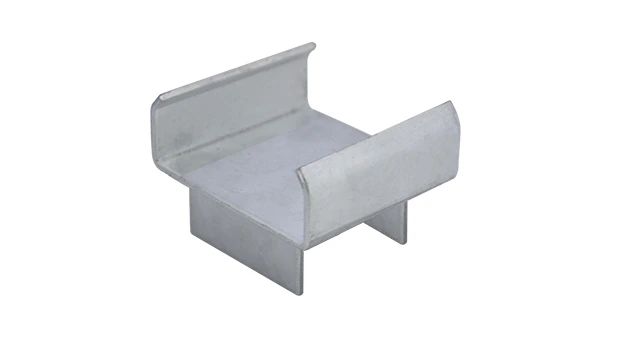
In the fast-paced world of modern manufacturing, where every second counts and efficiency is the backbone of success, the smooth flow of materials can make or break a production line. At the heart of this seamless movement lies a critical yet often overlooked component: the roller track system. And within that system, the roller track placon mount center support bracket stands as the unsung hero, ensuring stability, precision, and reliability in material handling. Whether you're managing a bustling 3C assembly line, a high-precision medical device workshop, or a large-scale center, understanding the components of this bracket isn't just about technical knowledge—it's about unlocking the full potential of your lean production process.
What Is a Roller Track Placon Mount Center Support Bracket?
Before diving into its components, let's clarify what this bracket does. Simply put, the roller track placon mount center support bracket is the structural backbone that holds the roller track in place, especially in long or heavily loaded sections. It connects the roller track to the aluminum profile framework (a key part of aluminum profile accessories ), distributes weight evenly, and ensures the track remains aligned even under constant use. Think of it as the "spine" of your roller track system—without it, the track might sag, materials could jam, and your production line's rhythm could grind to a halt.
Core Components: A Detailed Breakdown
To truly grasp how this bracket works, let's dissect its key components. Each part is designed with specific functions in mind, from bearing weight to reducing friction, and all are engineered to work in harmony with roller track and other lean system elements.
| Component Name | Primary Material | Core Function | Key Advantage |
|---|---|---|---|
| Placon Mount Bracket Body | High-grade Aluminum Alloy | Main structural support; connects track to framework | Lightweight yet high strength; corrosion-resistant |
| Placon Mount Connector | Galvanized Steel/Aluminum Alloy | Secures bracket to aluminum profiles | Tool-free adjustment; tight, wobble-free fit |
| Aluminum Guide Rail | 6063-T5 Aluminum Profile | Guides roller movement; ensures straight, smooth flow | Precision-machined; low friction surface |
| Reinforcement Ribs | Aluminum Alloy (Integrated) | Strengthens bracket against bending under load | Enhances load capacity by 30%+ |
| Adjustable Leveling Feet | Zinc-Plated Steel + Rubber | Levels bracket on uneven floors; absorbs vibration | 360° rotation; anti-slip rubber base |
1. Placon Mount Bracket Body
The bracket body is the "core" of the assembly, typically crafted from high-grade aluminum alloy (often 6061 or 6063-T5). Why aluminum? Because it strikes the perfect balance between strength and weight—critical for lean systems where minimizing unnecessary bulk is key. Unlike heavy steel brackets that add inertia to the system, aluminum keeps the structure light, making installation easier and reducing strain on the aluminum profile framework. Additionally, aluminum's natural resistance to corrosion ensures the bracket holds up in diverse factory environments, from humid warehouses to cleanrooms in medical facilities.
Lightweight Design
High Tensile Strength
Corrosion-Resistant
2. Placon Mount Connector
If the bracket body is the core, the placon mount connector is the "hands" that attach it to the aluminum profile. These connectors are often made from galvanized steel or aluminum alloy, depending on the load requirements. What makes them special? Their ability to lock into the T-slot of aluminum profiles (a standard in aluminum profile accessories ) without the need for welding or drilling. Most designs feature a cam lever or set screw that tightens with a simple tool, allowing for quick adjustments or reconfigurations—perfect for lean systems that prioritize "sustainable improvement" (a core principle of our lean solutions). Imagine needing to reposition your roller track to accommodate a new product line; with these connectors, you can do it in minutes, not hours.
Tool-Free Adjustment
Tight, Wobble-Free Fit
Compatible with Standard T-Slots
3. Aluminum Guide Rail
No roller track system works without proper guidance, and that's where the aluminum guide rail comes in. Attached to the top of the bracket, this rail acts as a "lane" for the roller track, ensuring that rollers stay aligned and materials glide straight. Our guide rails are precision-extruded from 6063-T5 aluminum, known for its excellent dimensional stability and smooth surface finish. The surface is often anodized to reduce friction, meaning less wear on the rollers and quieter operation—important for maintaining a comfortable workspace. Whether you're using a 40mm steel roller track or a mini aluminum roller track, the guide rail ensures consistent performance, even when handling small, delicate parts like 3C components.
Precision Extrusion
Low-Friction Anodized Surface
Compatible with Multiple Roller Types
4. Reinforcement Ribs
For long roller track sections or heavy loads (think automotive parts or large medical devices), standard brackets might bend over time. That's why our center support brackets include integrated reinforcement ribs—raised ridges along the bracket body that distribute stress and prevent deformation. These ribs are engineered using finite element analysis (FEA) to target high-stress areas, ensuring the bracket can handle loads up to 200kg per meter without flexing. It's a small design detail, but it makes a huge difference in durability, especially in 24/7 production environments where downtime is costly.
FEA-Optimized Design
200kg Load Capacity
Prevents Sagging in Long Sections
5. Adjustable Leveling Feet
Factory floors are rarely perfectly level, and even small unevenness can throw off a roller track system. Enter the adjustable leveling feet—small but mighty components that let you fine-tune the bracket's height and angle. Made from zinc-plated steel with rubber anti-slip bases (a type of caster accessories ), these feet screw into the bottom of the bracket, allowing you to compensate for floor irregularities. The rubber base also absorbs vibrations, reducing noise and preventing the bracket from shifting during operation. For anyone who's struggled with a wobbly track or jammed materials, these feet are a game-changer.
±5mm Height Adjustment
Anti-Slip Rubber Base
Vibration Absorption

How These Components Work Together: The Synergy of Lean Design
A great bracket isn't just a collection of parts—it's a system where each component amplifies the others' strengths. Here's how they work in harmony:
When materials start moving along the roller track, the aluminum guide rail keeps the rollers aligned, while the bracket body bears the weight. The placon mount connector locks the bracket to the aluminum profile, preventing shifting, and the reinforcement ribs ensure the bracket doesn't bend under pressure. Meanwhile, the adjustable leveling feet keep the entire assembly stable, even if the floor isn't perfect. Together, they create a system that's not just strong, but also flexible—easily adjustable, compatible with other lean pipe joint and accessories, and built for the "reusable, continuously improvable" lean that drives modern manufacturing.

Why Material Matters: Aluminum vs. Steel in Bracket Components
You might wonder why we prioritize aluminum (and aluminum alloys) in most components. The answer lies in three key benefits:
- Weight Reduction: Aluminum is 30% lighter than steel, making installation easier and reducing strain on the overall framework.
- Corrosion Resistance: Unlike steel, aluminum naturally resists rust, critical for environments with moisture or chemicals (like medical device production).
- Cost-Efficiency: While aluminum may have a slightly higher upfront cost, its durability and low maintenance needs save money long-term.
For high-load scenarios, we do use galvanized steel in connectors, striking a balance between strength and weight that aligns with lean principles—no unnecessary bulk, just targeted durability.
Installation & Maintenance Tips: Keeping Your Bracket in Top Shape
Even the best components need proper care to perform. Here's how to install and maintain your roller track placon mount center support bracket:
Installation: Start by aligning the aluminum profile, then attach the placon mount connector using the T-slot. Tighten until snug (but don't over-tighten—this can damage the profile). Slide the bracket body onto the connector, attach the aluminum guide rail, and adjust the leveling feet until the track is level. Always follow the load guidelines—overloading is the #1 cause of bracket failure.
Maintenance: Every 3 months, check the connectors for tightness (vibration can loosen them), clean the guide rail with a dry cloth to remove debris, and inspect the leveling feet for wear. For heavy-use lines, lubricate the roller track bearings (though our aluminum guide rails are designed to minimize friction, so this is rarely needed).
Why Choose Our Roller Track Placon Mount Center Support Bracket?
At the end of the day, the right bracket isn't just about parts—it's about partnering with a supplier who understands your unique needs. Our brackets are designed with the same lean solution mindset that drives all our products: built to be reusable, easy to reconfigure, and adaptable to changing production demands. Whether you need a standard bracket for a small workbench or a custom-designed solution for a complex conveyor system, we leverage decades of experience in 3C,, and industries to deliver components that don't just meet your expectations, but exceed them.
In the world of lean manufacturing, every detail counts. And when it comes to the smooth flow of materials, the roller track placon mount center support bracket is one detail you can't afford to overlook. With its robust components, thoughtful design, and focus on efficiency, it's more than a bracket—it's a foundation for success.