- Company Articles
- Products and Technology
- Product knowledge
- Comprehensive Overview: End Support for Roller Track Placon Mount with Stop Basics

Comprehensive Overview: End Support for Roller Track Placon Mount with Stop Basics
Related Product
End Support for Roller Track Placon Mount with Stop
Roller track placon mount work as a connector for roller track and pipe or aluminum profile in rack syetem, it is a necessary parts in rack system which widely used in industrial plant and logistic,warehouse storage.
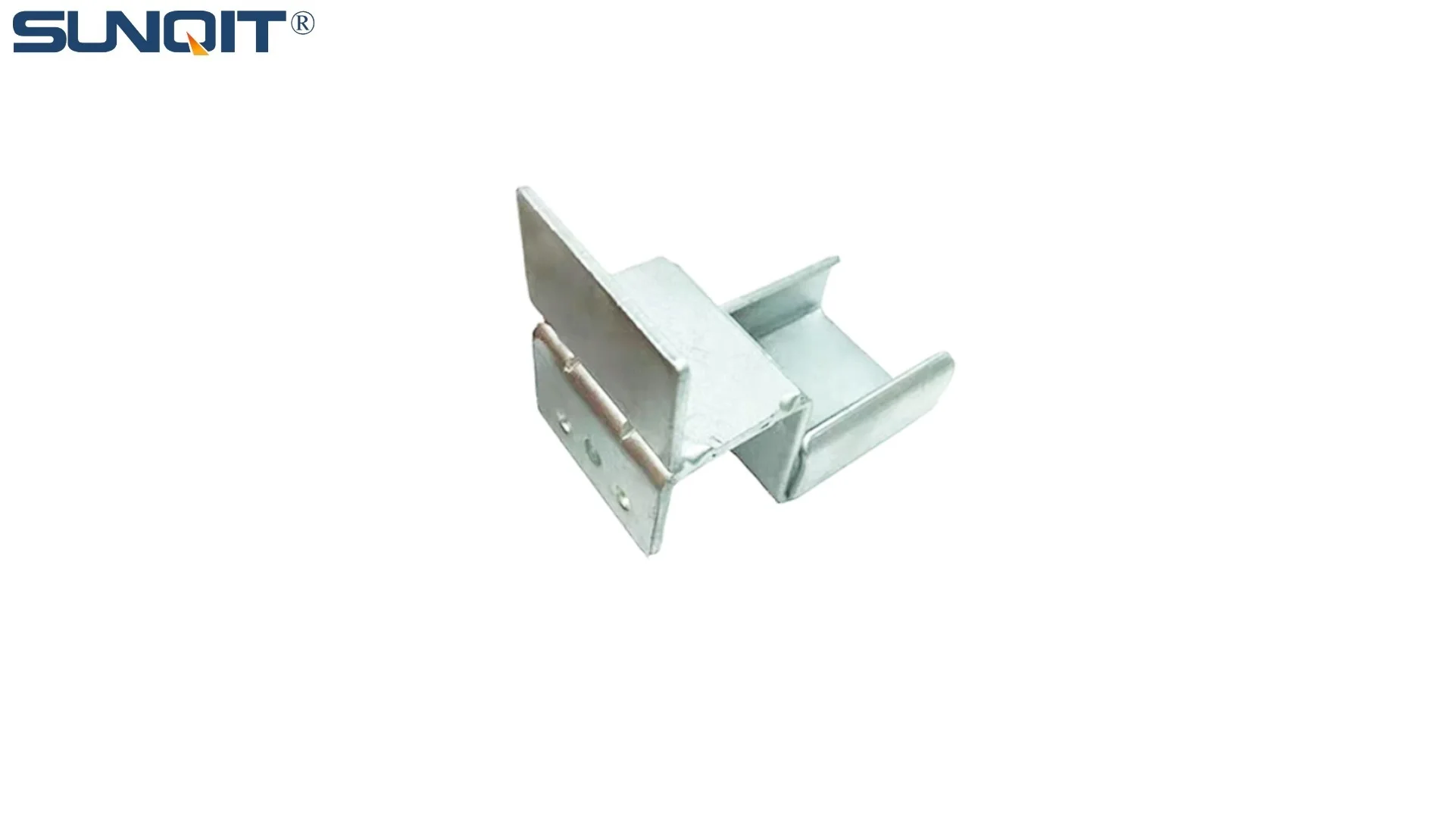
Imagine walking through a busy manufacturing plant—conveyors humming, workers moving with purpose, and products gliding smoothly from one station to the next. Behind this seamless flow is a web of small but critical components, each playing a quiet role in keeping operations on track. Today, we're zooming in on one such unsung hero: the End Support for Roller Track Placon Mount with Stop . It might not grab headlines, but without it, that smooth flow you just pictured? It could easily turn into a chaotic mess of jams, delays, and even safety hazards. Let's dive into what makes this component so essential, how it works, and why it matters for your production line—whether you're building appliances, assembling 3C products, or managing a warehouse.
1. What Even Is an End Support for Roller Track Placon Mount with Stop?
Let's start with the basics. If you're familiar with roller track systems—those handy setups that use wheels or rollers to move materials like boxes, parts, or assemblies—you know they rely on a sturdy frame to stay aligned. The roller track itself is usually mounted on brackets or profiles, and at the end of that track, you need something to keep everything in check. That's where the End Support for Roller Track Placon Mount with Stop comes in.
Simply put, it's a specialized bracket designed to do three key things:
•
Support the roller track
at its end, preventing sagging or misalignment under heavy loads.
•
Stop materials in their tracks
(pun intended!)—literally. The built-in "stop" feature acts like a gentle brake, ensuring products don't slide off the end of the track, even when moving downhill or gaining momentum.
•
Anchor the system to its base
, whether that's a
workbench
, a
flow rack
, or a custom frame made with
lean pipe
. It's the final piece that turns a loose set of rollers into a reliable, controlled material handling solution.
Think of it like the guardrail at the end of a highway off-ramp. It's not the star of the show, but try driving without it, and you'll quickly realize how important it is for safety and control.
2. Breaking Down the Design: What's Inside This Small but Mighty Component?
Don't let its size fool you—this end support is a masterclass in practical engineering. Let's take it apart piece by piece to see how it works.
The Core Components
Most End Support for Roller Track Placon Mount with Stop units have three main parts:
• The Support Body : This is the backbone of the component, typically made from aluminum or steel. It's shaped to cradle the roller track, with holes or slots for mounting hardware. Aluminum is a popular choice here (shoutout to aluminum profile enthusiasts!) because it's lightweight yet strong—perfect for keeping the track stable without adding unnecessary bulk.
• The Stop Mechanism : This is the "brake" we mentioned earlier. It's usually a small, raised lip or a rubberized pad at the top of the support. When a product slides down the roller track, it hits this stop and comes to a gentle halt. No more chasing runaway parts across the factory floor!
• The Mounting Interface : How does the end support attach to your setup? This part varies depending on what you're mounting it to. If you're using aluminum profiles (like the 4040 or 3030 series), the interface might have T-slot compatible bolts. If it's a wooden workbench, it could be pre-drilled for screws. Some designs even swivel or adjust in height—handy for fine-tuning your track's angle.
Materials Matter: Why Aluminum and Steel Are Top Picks
Ever wondered why manufacturers stick to aluminum or steel for these supports? Let's break it down:
• Aluminum : Lightweight, corrosion-resistant, and easy to machine. It's ideal for environments where weight matters (like mobile workstations) or where there's moisture (think food processing or warehouse coolers). Plus, it pairs perfectly with other aluminum components, like lean pipe or aluminum guide rails, for a cohesive, modular system.
• Steel : When you need brute strength—say, for heavy metal parts or industrial-grade roller tracks—steel is the way to go. It's tough, durable, and can handle higher loads without bending. Some steel supports even come with a powder-coated finish to resist rust, making them great for workshops or outdoor storage areas.

2. How It Works with Your Roller Track System
A roller track system is like a puzzle—every piece needs to fit just right. The End Support for Roller Track Placon Mount with Stop isn't a standalone component; it's part of a team that includes the roller track itself, placon mounts, guide rails, and sometimes even casters for mobility. Let's see how they all work together.
Picture a typical setup: You've got a flow rack in your warehouse, used to store and dispense parts for assembly. The roller tracks are mounted at a slight angle so gravity helps parts slide forward. Without an end support, the track might wobble at the end, causing parts to get stuck or slide off. With the end support in place, the track stays rigid, and the stop ensures parts pile up neatly at the picking end—no more jams, no more lost items.
Or take a workbench on an assembly line. Maybe you're assembling small electronics, and you use a short roller track to move circuit boards from one worker to the next. The end support here keeps the track steady as boards are loaded and unloaded, and the stop prevents them from sliding off the bench onto the floor (saving you from costly drops and delays).
Pro tip: If you're using adjustable roller tracks (like the 40 Steel Roller Track or 85 Staggered Roller Track), look for end supports with matching adjustability. Some models let you tweak the height or angle to align perfectly with your track, ensuring that even as your needs change, your system stays efficient.

3. Real-World Applications: Where This Support Shines
Now that we know what it is and how it works, let's talk about where you'll actually find this component in action. Spoiler: It's everywhere—from auto plants to hospitals, and even in small workshops. Here are a few key industries where it makes a big difference:
• Automotive and Auto Parts Manufacturing
Cars are made of thousands of parts, and many of those parts (like brackets, panels, or small components) move along roller tracks between assembly stations. The end support ensures that, say, a door panel doesn't slide past the worker who needs to attach the handle. It's a small detail, but in a line that builds hundreds of cars a day, those small details add up to major time savings.
• 3C Product Assembly (Phones, Laptops, Tablets)
3C assembly lines are all about precision. Tiny parts like screws, screens, or circuit boards need to move smoothly and stop exactly where they're needed. An end support with a soft rubber stop is perfect here—it won't scratch delicate surfaces, and it ensures parts land right in front of the assembler, reducing fumbling and errors.
• Medical Device Warehousing
Medical supplies and devices often need to be stored in clean, organized environments. Roller tracks in medical warehouses use end supports to keep boxes of gloves, syringes, or surgical tools from sliding off shelves. The stop feature also helps with FIFO (First In, First Out) inventory management—older stock stays at the front, ready to be used before newer batches.
• Home Appliance Production
Ever wonder how your fridge or washing machine gets built? Many appliance parts (like control panels or metal frames) are heavy, so roller tracks need strong support. Steel end supports are common here, handling the weight while keeping the track aligned. The stop feature also prevents parts from crashing into each other, which could dent or damage finishes.

4. Choosing the Right End Support: A Quick Guide
Not all end supports are created equal. To pick the right one for your setup, ask yourself these questions:
• What's the maximum load? If you're moving 50kg boxes, a flimsy aluminum support won't cut it. Check the manufacturer's load rating—most list this clearly (e.g., "supports up to 100kg per linear meter").
• What's your roller track type? Different tracks (like 40 Steel Roller Track vs. 38 Aluminum Roller Track) have different widths and mounting styles. Make sure the support's cradle matches your track's dimensions.
• Do you need ESD protection? If you're working with sensitive electronics (hello, 3C assembly!), look for supports with ESD-safe materials. These prevent static buildup, which can fry circuit boards.
• Is adjustability important? If your line might change (e.g., switching from small to large parts), an adjustable end support can save you from buying a whole new system.
To make it easier, here's a quick comparison table of common end support types and their best uses:
| End Support Type | Material | Max Load | Best For |
|---|---|---|---|
| Standard Aluminum End Support | Aluminum Alloy | 50-80kg | Light to medium loads, clean environments (e.g., 3C assembly, medical warehouses) |
| Heavy-Duty Steel End Support | Powder-Coated Steel | 100-150kg | Auto parts, heavy appliances, industrial roller tracks |
| Adjustable Height End Support | Aluminum/Steel Hybrid | 60-100kg | Lines with changing angles or multi-purpose workbenches |
| ESD-Safe End Support | Conductive Aluminum | 40-70kg | Electronics assembly, sensitive component handling |
5. Why It Fits the "Lean" Philosophy
If you're into lean pipe systems or "lean manufacturing" (and if you're here, chances are you are), you know the goal is to eliminate waste, improve efficiency, and keep things flexible. So how does a simple end support tie into that?
• Modularity : Most end supports are designed to work with standard profiles and tracks, so you can mix and match components without starting from scratch. Need to extend your roller track later? Just add another support—no custom fabrication required.
• Durability = Less Waste : A well-made end support lasts for years, reducing the need to replace flimsy parts. That aligns with the "sustainable improvement" mindset—investing in quality now to save time and money later.
• Reduced Downtime : By preventing jams and misalignments, this little component keeps your line moving. In lean terms, that's less "waiting waste" and more value-adding work.
6. Maintenance Tips to Keep It Working Like New
Even the best components need a little TLC. Here's how to make sure your End Support for Roller Track Placon Mount with Stop stays in top shape:
• Check the stop mechanism regularly : Over time, the rubber pad or lip might wear down. If parts start sliding past the stop, replace the pad—it's a cheap fix that prevents big headaches.
• Tighten mounting bolts : Vibration from the roller track can loosen screws or bolts. A quick monthly check with a wrench will keep the support from wobbling.
• Clean off debris : Dust, grease, or bits of packaging can build up in the support's cradle, causing the track to stick. Wipe it down with a dry cloth (or a mild cleaner for metal parts) to keep things sliding smoothly.
• Lubricate moving parts : If your support has adjustable joints, a drop of machine oil now and then will keep them easy to adjust.
Wrapping Up: Small Component, Big Impact
At the end of the day, the End Support for Roller Track Placon Mount with Stop is a reminder that great systems are built on great details. It might not be the first thing you think of when designing a production line, but it's the kind of component that makes you go, "Wow, I didn't realize how much this helps until it wasn't there."
Whether you're setting up a new flow rack , upgrading a workbench , or fine-tuning your roller track system, choosing the right end support can mean the difference between a line that hums and one that sputters. And if you ever need help picking the perfect fit—whether for a small workshop or a large-scale factory—remember that customization is key. Many suppliers (including those specializing in lean pipe and roller track systems) can tweak the design to match your exact needs, from load capacity to ESD requirements.
So next time you're walking through that busy manufacturing plant, take a second to glance at the end of the roller tracks. You'll see this quiet hero hard at work, keeping things moving, stopping things safely, and proving that even the smallest parts can make the biggest difference.