- Company Articles
- Products and Technology
- Product knowledge
- Consumer Electronics: 2.0mm Stainless Steel Pipe in Production Lines

Consumer Electronics: 2.0mm Stainless Steel Pipe in Production Lines
Related Product
2.0mm Stainless Steel Pipe
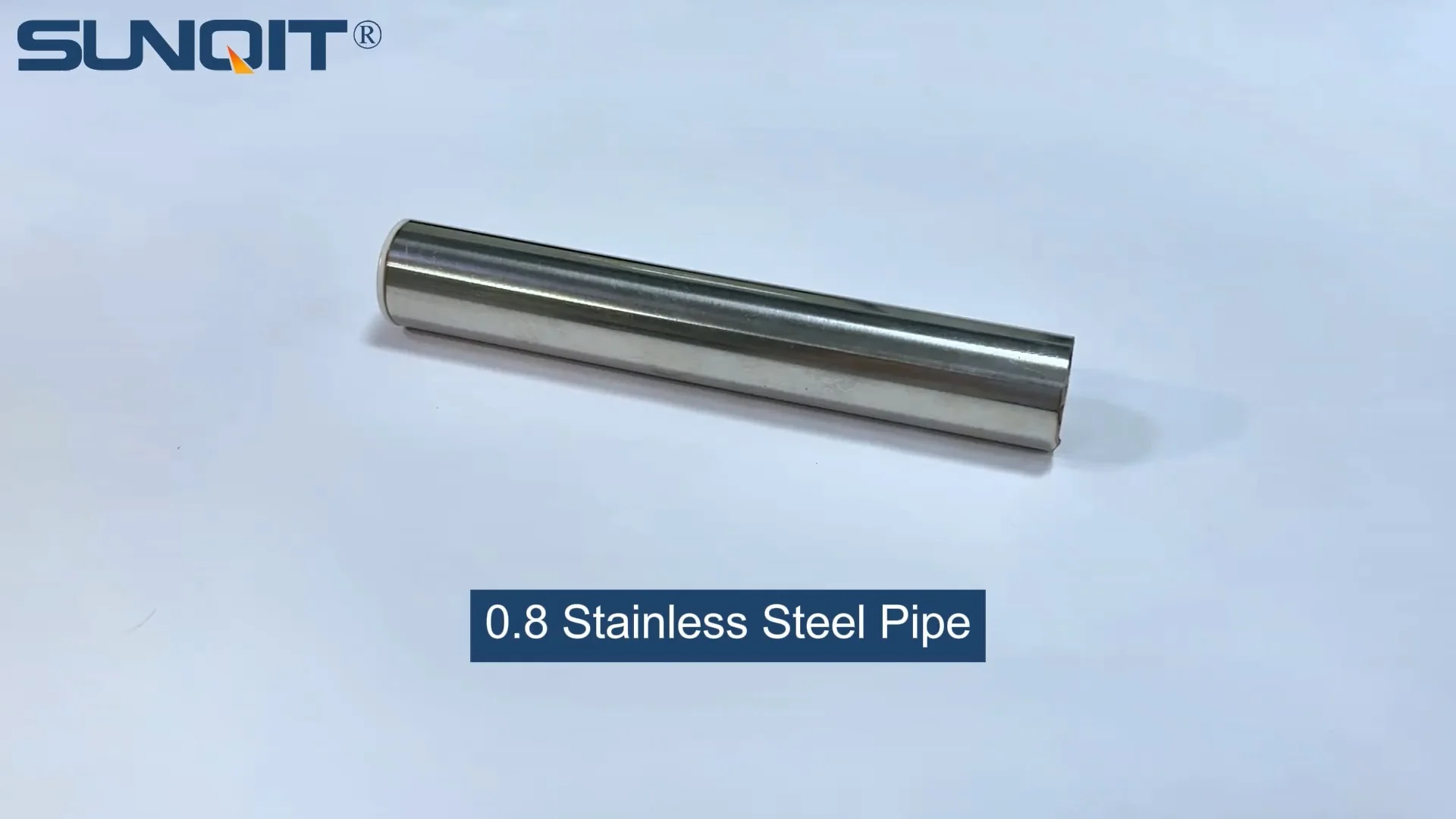
Stainless steel pipe, lean pipe, diameter is 28mm, material is SS201 or SS304, SS201 is normally used in the market. It knows a KARAKURI, KAIZEN material for industrial plant to improve efficiency, save labor cost, standard management.
Walk into any modern consumer electronics factory, and you'll witness a symphony of precision: robots assembling tiny circuit boards, workers testing sleek smartphones, and conveyor belts gliding components from station to station. Behind this seamless dance lies a silent hero: the infrastructure that holds it all together. Among the unsung stars of this infrastructure is the 2.0mm stainless steel pipe—a humble yet critical component that shapes how efficiently, safely, and reliably these production lines operate. In an industry where milliseconds matter and quality is non-negotiable, choosing the right materials for workbenches, flow racks, and conveyors isn't just a detail—it's a decision that impacts everything from daily productivity to long-term profitability.
The Pressure of Consumer Electronics Manufacturing
Consumer electronics isn't just about creating gadgets people love—it's about keeping up with a market that never stands still. New models launch quarterly, customer expectations rise by the month, and competitors lurk around every corner. For manufacturers, this means production lines must be two things: fast and flawless . A single hiccup—a wobbly workbench during assembly, a rusted flow rack jamming material flow, or a conveyor system that can't support the weight of delicate components—can derail timelines, compromise quality, or even lead to costly recalls.
Add to that the unique demands of electronics production: clean environments to prevent dust on circuit boards, resistance to chemicals used in cleaning processes, and the need for frequent reconfiguration as product designs evolve. Traditional materials often fall short here. Plastic pipes lack the strength for heavy loads. Thinner steel pipes (like 1.5mm) bend under repeated use. Even aluminum, while lightweight, can corrode in high-moisture areas or when exposed to cleaning agents. This is where 2.0mm stainless steel pipe steps in—not as a flashy innovation, but as a practical, battle-tested solution that checks all the boxes.
Why 2.0mm Stainless Steel Pipe? The Sweet Spot of Strength and Versatility
Stainless steel has long been a staple in industrial settings, prized for its resistance to corrosion, heat, and wear. But not all stainless steel pipes are created equal. The 2.0mm thickness, in particular, hits a rare balance that makes it ideal for consumer electronics production lines. Let's break down why:
Strength Without the Bulk
At 2.0mm, this pipe is thick enough to handle the rigors of daily factory life. Picture a workbench where technicians spend hours assembling laptops: the frame must support tools, components, and the weight of the workers themselves without so much as a creak. A 2.0mm stainless steel frame doesn't just hold up—it stays stable, ensuring precise work (no shaky hands here). Compare that to a 1.2mm PE coated lean pipe, which might flex under heavy tools, or a 3.0mm stainless steel pipe, which adds unnecessary weight, making reconfiguration (a must in lean manufacturing) cumbersome.
Corrosion Resistance for Clean Rooms and Beyond
Consumer electronics factories aren't just busy—they're clean . Regular wipe-downs with disinfectants, humidity control to prevent static, and strict protocols to avoid contamination are par for the course. Stainless steel's chromium content forms a protective oxide layer, making it resistant to rust and corrosion even when exposed to moisture or chemicals. This isn't just about longevity; it's about safety. A rusted pipe could shed particles onto circuit boards, leading to product failures. With 2.0mm stainless steel, that risk vanishes.
Modularity for Lean Systems
Lean manufacturing isn't just a buzzword in electronics—it's a way of life. The goal? Minimize waste, maximize flexibility, and adapt quickly to change. 2.0mm stainless steel pipe plays perfectly into this. Its uniform thickness and standardized sizing make it easy to connect with joints, brackets, and accessories (like the stainless steel swivel roller balls or roller track connectors from our product list). Need to reconfigure a flow rack to accommodate a new phone model? Disassemble the pipe sections, adjust the layout, and reassemble—no special tools required. This modularity reduces downtime and lets factories pivot fast, a critical advantage in an industry where product cycles are measured in months, not years.

Beyond the Basics: How 2.0mm Stainless Steel Pipe Powers Key Production Line Components
To truly understand the impact of 2.0mm stainless steel pipe, let's zoom into three areas where it shines: workbenches, flow racks, and conveyors—the backbone of any electronics production line.
Workbenches: The Stable Foundation of Precision
A workbench isn't just a table—it's a command center. Whether it's a single-deck workbench (like the "Workbench E" in our product lineup) or a custom setup with tool holders and ESD protection, the frame determines its reliability. 2.0mm stainless steel pipe provides the stability needed for tasks like soldering, component placement, or quality testing. Unlike aluminum, which can dent if a heavy tool is dropped, stainless steel holds its shape, ensuring the work surface remains level. And because it's easy to clean, workers can wipe down the frame daily without worrying about damage—critical in environments where even a speck of dust can ruin a microchip.
Flow Racks: Keeping Materials Moving Smoothly
In lean manufacturing, stagnant materials are wasted time. Flow racks (like "Material Rack B" with 3 rows and 3 floors) rely on gravity to slide components from the back to the front, ensuring workers always have what they need at arm's reach. The rails of these racks are often supported by 2.0mm stainless steel pipes, which provide the rigidity to keep the track straight. Even with heavy bins of capacitors or display screens sliding over roller tracks (think 40 steel roller track with yellow wheels or 38 aluminum roller track with side guides), the pipe doesn't bow. This means materials flow consistently, reducing jams and keeping the line moving.
Conveyors: The Lifeline of the Production Line
From circuit boards to finished products, conveyors carry the heart of the operation. The frames and supports of these systems must handle constant vibration, varying weights, and nonstop motion. 2.0mm stainless steel pipe excels here, offering the tensile strength to support conveyor belts or roller tracks (like the 85 staggered steel roller track) without flexing. Even in high-speed lines—where products zip by at meters per minute—the pipe absorbs the stress, ensuring the conveyor stays aligned. And because stainless steel is heat-resistant, it holds up near soldering stations or drying ovens, where temperatures can spike.
| Material | Thickness | Key Advantages | Best For | Limitations |
|---|---|---|---|---|
| 2.0mm Stainless Steel Pipe | 2.0mm | High strength, corrosion-resistant, easy to clean, modular | Workbenches, flow racks, conveyors, clean rooms | Slightly heavier than aluminum; higher cost than PE coated pipe |
| PE Coated Lean Pipe | 1.0–1.5mm | Lightweight, low cost, ESD options | Temporary structures, low-weight racks | Less durable; coating can chip; not ideal for heavy loads |
| Aluminum Pipe | 1.5–2.0mm | Lightweight, rust-resistant, sleek appearance | Light-duty workbenches, display racks | Prone to dents; can corrode with harsh chemicals |

Integration with Lean Systems: Reducing Waste, Boosting Efficiency
Lean manufacturing is all about eliminating waste—whether it's time, materials, or space. 2.0mm stainless steel pipe aligns with this philosophy in ways that many materials can't. For starters, its modular design means factories can build exactly what they need, no more, no less. Need a smaller flow rack for a new product line? Use shorter pipe sections. Expand a conveyor to handle higher volume? Add extensions with minimal effort. This reduces the "waste of overproduction" in infrastructure—you're not stuck with oversized, underused equipment.
Additionally, stainless steel's durability means fewer replacements. A PE coated pipe might need to be swapped out after a year of heavy use; a 2.0mm stainless steel pipe can last 5+ years, cutting down on maintenance costs and downtime. And when reconfiguration is needed (a core principle of lean), the pipe's strength ensures that even after being disassembled and reassembled multiple times, it retains its structural integrity. No more wobbly racks or misaligned conveyors—just a system that adapts as your needs do.
Case Study: How a Smartphone Manufacturer Cut Downtime with 2.0mm Stainless Steel Pipe
Consider a mid-sized electronics factory producing 50,000 smartphones monthly. A year ago, their assembly line relied on 1.5mm steel pipes for workbenches and flow racks. Within six months, workers were complaining about wobbly work surfaces, and flow racks frequently jammed as the pipes bent under the weight of component bins. The maintenance team was spending 8+ hours weekly replacing bent sections—a hidden cost in labor and lost production.
The solution? Upgrading to 2.0mm stainless steel pipe. The change was subtle at first, but the results spoke volumes: workbench stability improved, jams dropped by 90%, and maintenance time fell to just 1 hour weekly. Even better, the factory could reconfigure their flow racks in half the time when launching a new phone model, shaving 2 days off the transition period. As the plant manager put it: "We didn't realize how much time we were wasting until we switched. The stainless steel pipes just… work. No drama, no downtime, just consistent performance."
Looking Ahead: 2.0mm Stainless Steel Pipe in the Age of Smart Factories
As consumer electronics manufacturing moves toward automation and smart factories, the role of infrastructure becomes even more critical. Cobots (collaborative robots) need stable platforms to work from. IoT sensors require secure mounting points. And with factories becoming more connected, the infrastructure must support not just physical loads, but also the data-driven demands of Industry 4.0.
2.0mm stainless steel pipe is well-positioned to meet these needs. Its strength supports heavier automation equipment, while its corrosion resistance ensures longevity in increasingly tech-dense environments. Even as new materials emerge, the pipe's combination of reliability, adaptability, and cost-effectiveness makes it a safe bet for the future. It's not about replacing innovation—it's about providing a steady foundation that lets innovation thrive.
Conclusion: The Quiet Champion of Consumer Electronics Production
In a world obsessed with the next big thing, it's easy to overlook the tools that make the everyday possible. 2.0mm stainless steel pipe may not grab headlines, but in the humming factories where our phones, laptops, and wearables come to life, it's indispensable. It's the frame that holds the workbench steady during precision assembly. It's the backbone of flow racks that keep materials moving. It's the support for conveyors that turn components into products.
For manufacturers, choosing 2.0mm stainless steel pipe isn't just a purchase—it's an investment in reliability. It's about reducing stress for workers who depend on stable equipment. It's about cutting costs by minimizing downtime and replacements. It's about building a production line that can keep up with the fast-paced, ever-changing world of consumer electronics.
So the next time you unbox a new gadget, take a moment to appreciate the unseen infrastructure that brought it to life. Chances are, somewhere along the line, 2.0mm stainless steel pipe played a role—quietly, steadily, and brilliantly.