- Company Articles
- Products and Technology
- Product knowledge
- Consumer Electronics: How 2040 Aluminum Profile End Caps Add Value

Consumer Electronics: How 2040 Aluminum Profile End Caps Add Value
Related Product
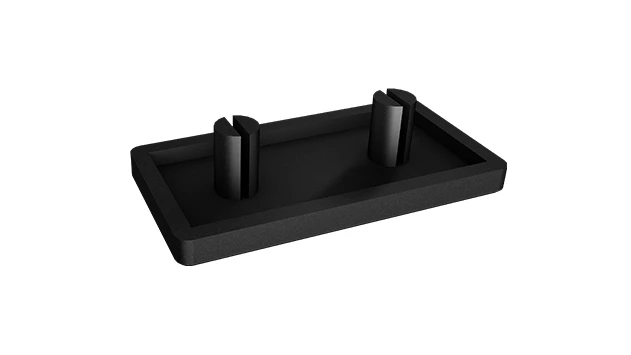
2040 Aluminum Profile End Cap
The aluminum profile end cap adds a finishing touch to your project and closes off profile ends to limit dust and debris buildup, also it can avaid some scratch for material and labor during the assemble work.
In the fast-paced world of consumer electronics manufacturing, precision is everything. From the tiniest microchip to the largest assembly workstation, every component plays a role in creating products that meet strict quality standards and delight customers. Yet, some of the most critical components are the ones we rarely notice—until they're missing. Take, for example, the 2040 aluminum profile end cap. These small, unassuming pieces might seem like an afterthought, but in reality, they're workhorses that add tangible value to everything from production lines to the final products rolling off them. Let's dive into why these tiny components matter, and how they're quietly shaping the efficiency, safety, and success of consumer electronics manufacturing.
First, Let's Talk About 2040 Aluminum Profiles: The Backbone of Modern Manufacturing
Before we get to the end caps, it's important to understand the star of the show: the 2040 aluminum extrusion profile. If you've ever walked through a consumer electronics factory, you've seen these profiles in action. They're the sleek, modular aluminum rails that form the frames of workstations, material racks, conveyor systems, and flow racks. Why 2040? The numbers refer to their dimensions—20mm in width and 40mm in height—making them the perfect balance of strength and versatility. Lightweight yet durable, they're easy to cut, assemble, and reconfigure, which is why they're a staple in lean manufacturing systems. Engineers love them because they adapt to changing production needs; workers appreciate them because they create stable, ergonomic workspaces. But here's the thing: an aluminum extrusion profile is only as good as its finishing touches. And that's where the 2040 aluminum profile end cap comes in.
Safety First: Protecting Workers, One End Cap at a Time
Ask any manufacturing manager about their top priority, and "worker safety" will almost always be at the top of the list. In consumer electronics plants, where employees spend hours assembling delicate devices or operating machinery, even a small hazard can lead to injuries, downtime, or worse. Enter the 2040 aluminum profile end cap: a simple solution to a common problem. Aluminum extrusion profiles, by nature, have sharp, unfinished edges where they're cut to length. Without end caps, these edges are like tiny blades—easy to brush against, hard to notice until a hand is scraped or a sleeve is torn. Over time, repeated contact can lead to cuts, abrasions, or even infections. For workers handling small components like circuit boards or smartphone screens, a single cut could compromise dexterity, slow down production, or require time off. End caps eliminate this risk by covering those sharp edges with a smooth, rounded finish. They're typically made from high-quality plastic or rubber, which not only softens the edge but also provides a non-slip surface—another win for safety, especially in environments where oil, coolant, or moisture might make surfaces slippery.
But safety isn't just about preventing injuries. It's also about peace of mind. When workers know their tools and workstations are designed with their well-being in mind, they're more focused, efficient, and engaged. A workstation framed with 2040 aluminum profiles fitted with snug end caps sends a message: "We care about you." That kind of attention to detail builds trust, and trust builds better teams. And better teams build better products.

Aesthetics Matter: Polishing the Look, Boosting Brand Perception
Consumer electronics are all about aesthetics. From the sleek curves of a smartphone to the minimalist design of a laptop, every detail is intentional, designed to appeal to customers who value both form and function. But here's a secret: that focus on design doesn't stop at the product itself. It extends to the factories where these devices are made. Clients, auditors, and even potential employees visit manufacturing facilities to assess quality, and a messy, unpolished workspace can leave a poor impression. This is where 2040 aluminum profile end caps shine—literally. Without end caps, the raw, cut ends of aluminum profiles stick out like sore thumbs, giving workstations a unfinished, "work-in-progress" look. Add end caps, and suddenly everything feels intentional. The clean, uniform finish of the end caps complements the smooth lines of the aluminum extrusion profiles, creating a cohesive, professional appearance. It's a small touch, but it transforms a functional workstation into a showcase of precision—a subtle signal that the company cares about quality in every aspect of its operations.
Consider this: when a client tours a factory and sees workstations with neatly capped profiles, they're more likely to trust that the same attention to detail goes into the products being built there. Conversely, a workstation with jagged, uncovered profile ends might raise questions: "If they cut corners here, where else are they cutting corners?" In an industry where brand reputation is everything, that perception can make or break a business relationship. End caps don't just make workstations look better—they help build brand equity.

Functionality: Protecting Profiles, Enhancing Performance
Beyond safety and aesthetics, 2040 aluminum profile end caps are workhorses when it comes to functionality. Let's start with the basics: aluminum extrusion profiles are hollow, with open ends. Without end caps, those open ends become magnets for dust, debris, and moisture. In a consumer electronics factory, where even a speck of dust can ruin a circuit board, that's a big problem. Dust inside a profile can accumulate over time, making it harder to clean workstations or reconfigure them (since debris can jam connectors or fasteners). Moisture, meanwhile, can lead to corrosion, weakening the profile over time and compromising the structural integrity of workstations or material racks. End caps seal off those open ends, creating a barrier against the elements. They keep dust out, prevent moisture from seeping in, and ensure that the profiles stay in top condition for years. This isn't just about maintenance—it's about reliability. A workstation that stays clean and corrosion-free requires less downtime for repairs, which means more time spent building products.
But the functionality doesn't stop there. 2040 aluminum profile end caps are also designed to work seamlessly with other aluminum profile accessories. Think about it: workstations often include add-ons like tool holders, monitor arms, or lighting fixtures, which attach to the T-slots in the aluminum profiles. End caps ensure that the profiles maintain their structural integrity, so these accessories stay secure. A loose end cap could mean a wobbly tool holder, which could lead to dropped tools or damaged components. By providing a tight, secure seal, end caps help keep the entire system stable, so workers can focus on their tasks without worrying about equipment failing.
Durability: Small Investment, Long-Term Savings
In manufacturing, every penny counts. That's why lean system principles emphasize reducing waste and maximizing value. At first glance, adding end caps might seem like an extra cost—why not just leave the profiles as-is? But the reality is that end caps are a small investment that pays off big in the long run. Let's break it down. Without end caps, aluminum profiles are more prone to damage. Sharp edges can chip or bend when bumped by equipment or heavy materials, weakening the profile over time. Replacing a bent or damaged profile costs money—not just for the material, but for the labor to remove the old one and install a new one. Multiply that by dozens of workstations, and the costs add up fast. End caps act as a first line of defense. Made from durable materials like nylon or polypropylene, they absorb impact, protecting the underlying aluminum from dents and chips. They're also resistant to chemicals, oils, and solvents commonly used in electronics manufacturing, so they won't degrade or become brittle over time. In short, they extend the lifespan of the profiles, reducing the need for replacements and lowering long-term maintenance costs.
And let's not forget about worker efficiency. A workstation with damaged profiles might not align properly with conveyors or flow racks, leading to bottlenecks in the production line. Workers might have to adjust their movements to compensate for uneven surfaces, which slows them down and increases the risk of errors. End caps help keep profiles in shape, so the entire system runs smoothly. When everything works as it should, production speeds up, and costs go down. It's a classic example of how a small component can have a ripple effect on the bottom line.
Integration with Lean Systems: Supporting Efficiency and Flexibility
Lean manufacturing is all about creating value with fewer resources—less waste, less time, less effort. 2040 aluminum extrusion profiles are a cornerstone of lean systems because they're modular and easy to reconfigure. Need to adjust a workstation for a new product? Just disassemble the profiles and rebuild. But to make that flexibility work, every component needs to play nice with the system. End caps are no exception. They're designed to be quickly and easily installed or removed, which means reconfiguring a workstation doesn't require special tools or extra time. Pop off the end caps, cut the profile to length, pop the new end caps on, and you're good to go. This speed and simplicity align perfectly with lean principles, where minimizing downtime is key.
What's more, end caps support the "5S" methodology—sort, set in order, shine, standardize, sustain—that's central to lean systems. "Shine," or keeping the workplace clean, is easier when end caps prevent dust and debris from accumulating in profiles. "Standardize" is simplified because end caps ensure a uniform look and function across all workstations, so workers know what to expect no matter which line they're on. And "sustain" is achievable because end caps help maintain the condition of the equipment, so the workplace stays organized and efficient over time. In short, 2040 aluminum profile end caps aren't just compatible with lean systems—they're active participants in making them work.
The Bottom Line: End Caps Add Value in Ways That Matter
At the end of the day, every component in a manufacturing system should be measured by the value it adds. 2040 aluminum profile end caps pass this test with flying colors. They protect workers from injuries, enhance the appearance of workstations, keep equipment clean and reliable, extend the lifespan of aluminum profiles, and support lean manufacturing principles. These aren't just "nice-to-haves"—they're essential for creating a safe, efficient, and successful operation. And when you consider their low cost compared to the benefits they provide, they're one of the smartest investments a consumer electronics manufacturer can make.
So the next time you walk through a factory, take a moment to look at the workstations. If you see smooth, capped ends on the aluminum profiles, you'll know that the company behind them cares about the details that matter. They care about their workers. They care about quality. And they care about building products that make a difference. In the world of consumer electronics, where competition is fierce and margins are tight, that attention to detail is what sets the best apart from the rest. And it all starts with a small, humble component: the 2040 aluminum profile end cap.
Comparing End Caps: Why Quality Matters
| Feature | Low-Quality End Caps | High-Quality 2040 Aluminum Profile End Caps |
|---|---|---|
| Material | Thin, brittle plastic prone to cracking | Durable nylon or rubber with UV resistance |
| Safety | Loose fit, sharp edges may still be exposed | Snug, seamless fit with rounded edges |
| Sealing | Poor dust/moisture protection | Tight seal to prevent debris buildup |
| Compatibility | May not fit 2040 profiles properly | Precision-engineered for 2040 extrusion profiles |
| Longevity | Needs replacement every 6–12 months | Lasts 3–5 years with minimal wear |
As the table shows, not all end caps are created equal. Investing in high-quality 2040 aluminum profile end caps ensures that you're getting the maximum value in terms of safety, durability, and performance. It's a small choice that pays off in big ways—for your workers, your equipment, and your bottom line.