- Company Articles
- Products and Technology
- Solution
- Consumer Electronics Production: All Direction Roller Track Solutions

Consumer Electronics Production: All Direction Roller Track Solutions
Related Product
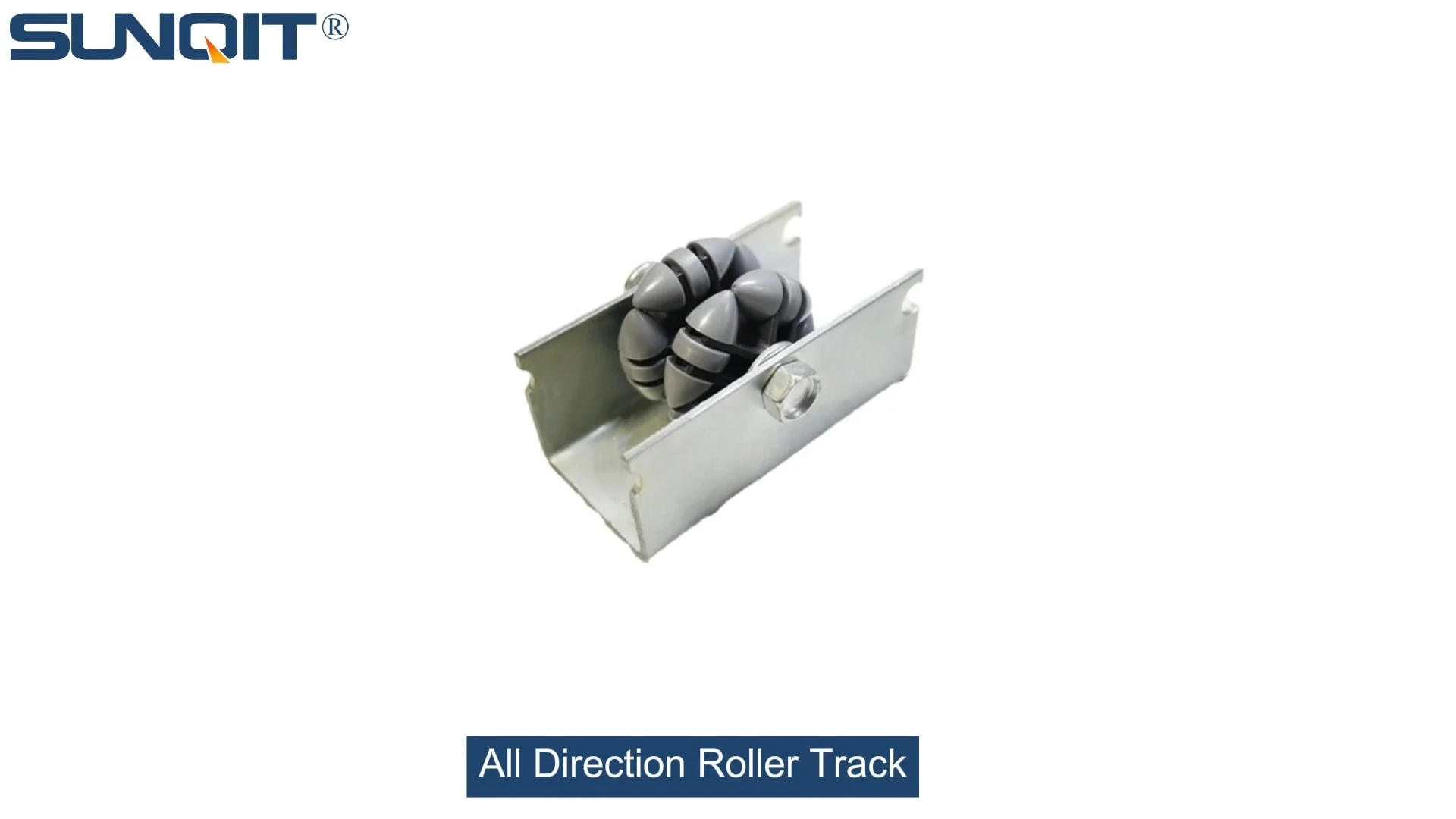
All Direction Roller Track
All direction roller track made of steel frame and multiple direction move wheel which will make boxes are always in contact with the rollers, reducing jams and enhancing flow reliability.
Walk into any consumer electronics factory today, and you'll be hit by the buzz of precision in motion. Phones, tablets, smartwatches—each device is a puzzle of tiny, delicate parts that need to move seamlessly from one workstation to the next. But here's the thing: traditional production lines often feel like they're stuck in the past. Rigid conveyors that can't adapt to new product models, clunky material handling that risks scratching sensitive components, and workstations that take weeks to reconfigure when a new design launches. These are the daily headaches that keep production managers up at night.
That's where all direction roller track steps in—not just as a tool, but as a game-changer for how consumer electronics get made. Imagine a system where small circuit boards, fragile screens, and intricate connectors glide smoothly in any direction, guided by hundreds of tiny rollers that pivot 360 degrees. No more forcing parts into straight paths. No more stopping production to adjust tracks for a new device size. This isn't just about moving things faster—it's about making production lines as flexible and responsive as the products they build.
The Unique Challenges of Consumer Electronics Production
Consumer electronics isn't like automotive or heavy machinery. It's a world of extremes: parts are smaller than a fingernail, tolerances are measured in microns, and product lifecycles can be shorter than a season. A single factory might switch from assembling wireless earbuds to smart home sensors in a matter of weeks. This pace creates three big challenges:
1. Flexibility Under Pressure: When a new model launches, production lines need to reconfigure fast. Traditional fixed conveyors or rigid workbenches can't keep up, leading to downtime that eats into tight launch windows.
2. Precision Material Handling: A single scratch on a smartphone screen or a static charge on a circuit board can ruin a product. Manual increases risk, while inflexible tracks often jostle parts during transport.
3. Space and Efficiency: Factory floors are packed, and every square foot counts. Bulky equipment that only does one job wastes valuable space, making it harder to scale production when demand spikes.
These challenges aren't just about workflow—they hit the bottom line. Downtime, product defects, and inefficient space use add up to higher costs and slower time-to-market. And in an industry where competitors are always nipping at your heels, that's a risk no one can afford.
All Direction Roller Track: The Heart of Flexible Material Flow
At its core, all direction roller track is deceptively simple: a series of aluminum or steel tracks embedded with free-spinning rollers that can rotate in any direction. But don't let the simplicity fool you—this design solves the flexibility problem in ways traditional conveyors never could. Here's how it transforms day-to-day production:
Smooth, Multi-Directional Movement: Whether you're moving a 2-inch circuit board or a 10-inch tablet chassis, the rollers adjust to the part's size and shape. Operators can gently push parts left, right, forward, or backward without lifting, reducing fatigue and the risk of drops.
Easy Integration with Existing Lines: Unlike bulky conveyor systems that require heavy installation, all direction roller track is lightweight and modular. It can be mounted on workbenches, integrated into flow racks, or even added to existing conveyor lines as a "flexible zone" where parts need to change direction.
Durable Yet Gentle: Made from high-strength aluminum or stainless steel, the tracks stand up to the wear and tear of 24/7 production. Meanwhile, the rollers—often coated in soft, non-conductive materials—protect sensitive parts from scratches or static damage. It's tough enough for the factory, gentle enough for the most delicate components.
Real Impact: A 3C assembly plant in Shenzhen recently replaced fixed plastic tracks with all direction roller track on their smartwatch production line. The result? A 40% reduction in part scratches and a 25% faster transition when they launched a new watch model—all without stopping production for reconfiguration.

Beyond the Track: Building a Complete Lean Ecosystem
All direction roller track is powerful on its own, but it truly shines when paired with other lean tools. Think of it as the central nervous system of a production line, connected to workbenches, storage racks, and conveyors that all work together to eliminate waste and boost efficiency. Let's break down the key players:
Lean Pipe Workbench: The Stable Foundation
Every production line needs a solid, flexible workspace—and that's where the lean pipe workbench comes in. Built from lightweight aluminum lean pipes and modular joints, these workbenches are customizable down to the inch. Add a section of all direction roller track to one end, and suddenly operators can slide parts directly from the track to the work surface without lifting. Need to add a monitor arm, tool holder, or ESD mat? Just snap on the accessories—no drilling or welding required.
For consumer electronics, ESD protection is non-negotiable. Many lean pipe workbenches come with built-in ESD mats and grounding points, ensuring that static-sensitive components like microchips stay safe during assembly. It's not just about having a place to work—it's about creating a workspace that adapts to your parts, not the other way around.
Flow Rack: Smart Storage, Right Where You Need It
Material storage might not sound exciting, but in fast-paced production, it's a hidden efficiency killer. Walk 20 feet to grab a batch of screws, wait for a bin to be restocked—these small delays add up to hours of wasted time each day. Flow racks solve this by bringing materials directly to the workstation, using gravity to "flow" bins forward as they're emptied (FIFO—first in, first out).
Pair a flow rack with all direction roller track, and you've got a material delivery system that's always stocked and always accessible. Bins slide smoothly from the rack to the track, then to the workbench—no more bending, reaching, or searching. A medical device manufacturer in Suzhou reported cutting material retrieval time by 35% after adding flow racks with roller track attachments to their assembly lines.
Conveyor: Bridging the Gaps in Automation
While all direction roller track handles the "flexible zones" of a production line, conveyors take care of the long-haul transport. From belt conveyors for flat parts to roller conveyors for heavier components, these systems keep parts moving between stations without manual intervention. The magic happens when conveyors connect to all direction roller track: a circuit board can travel 50 feet on a conveyor, then seamlessly transition to a roller track to be directed to the nearest available workstation. It's automation without rigidity.
Lean Solution: Custom-Designed for Your Unique Needs
No two consumer electronics factories are the same. That's why a one-size-fits-all approach never works. A lean solution takes the modular tools—roller track, workbenches, flow racks, conveyors—and tailors them to your specific products, space, and goals. Maybe you need a U-shaped line for high-volume phone assembly, or a cellular layout for small-batch IoT sensors. Maybe you want to reduce floor space by 30% or cut changeover time from days to hours.
The best lean solutions start with a deep dive into your current workflow: where are the bottlenecks? What parts cause the most damage? How often do you reconfigure lines? Then, they combine the right mix of tools to solve those problems. For example, a 3C manufacturer in Dongguan needed to assemble both smartphones and tablets on the same line. Their custom solution included adjustable-height lean pipe workbenches, all direction roller track for part transfer, and flow racks on wheels that could be repositioned in minutes. The result? They now run three product models on one line with zero downtime between changes.

Why Material Matters: Aluminum, Steel, and the Art of Durability
When it comes to factory equipment, material choice isn't just about cost—it's about longevity and performance. All direction roller track, lean pipe workbenches, and flow racks are typically made from aluminum, steel, or a mix of both, each with its own strengths:
| Material | Best For | Key Advantage |
|---|---|---|
| Aluminum Lean Pipe | Workbenches, Light-Duty Tracks | Lightweight (easy to reconfigure), corrosion-resistant, non-conductive (great for ESD protection) |
| Steel Roller Track | Heavy-Duty Conveyors, High-Traffic Zones | High load capacity, stands up to constant use in 24/7 production |
| Stainless Steel Joints | All Modular Systems | Rust-resistant, ensures tight connections even after repeated adjustments |
For consumer electronics, aluminum is often the star. Its lightweight nature makes reconfiguring workbenches or tracks a one-person job, while its non-conductive properties add an extra layer of ESD protection. Plus, aluminum profiles are easy to cut and customize, so you can get the exact length or shape you need without waiting for special orders.

The Future of Consumer Electronics Production: Lean, Flexible, and Ready to Adapt
As consumer electronics get smaller, smarter, and more complex, the factories that build them need to evolve too. Rigid, one-size-fits-all production lines are becoming a thing of the past—replaced by modular, adaptable systems that can keep up with the pace of innovation. All direction roller track isn't just a trend; it's a cornerstone of this evolution, enabling factories to do more with less space, less downtime, and fewer defects.
At the end of the day, it's about more than moving parts from A to B. It's about giving production teams the tools to be creative, responsive, and efficient. It's about turning the chaos of fast-paced manufacturing into a smooth, synchronized dance of people and machines. And in an industry where every second and every cent counts, that's the difference between falling behind and leading the pack.
So, if you're ready to stop fighting your production line and start working with it—if you want to launch new products faster, reduce defects, and make your factory as flexible as the devices you build—it's time to explore the power of all direction roller track and lean solutions. The future of consumer electronics production isn't coming—it's here. And it's rolling in every direction.