- Company Articles
- Products and Technology
- Solution
- Continuous Improvement: How Two Way Lean Pipe Joint Enables Lean Manufacturing Goals

Continuous Improvement: How Two Way Lean Pipe Joint Enables Lean Manufacturing Goals
Related Product
Two Way Lean Pipe Joint
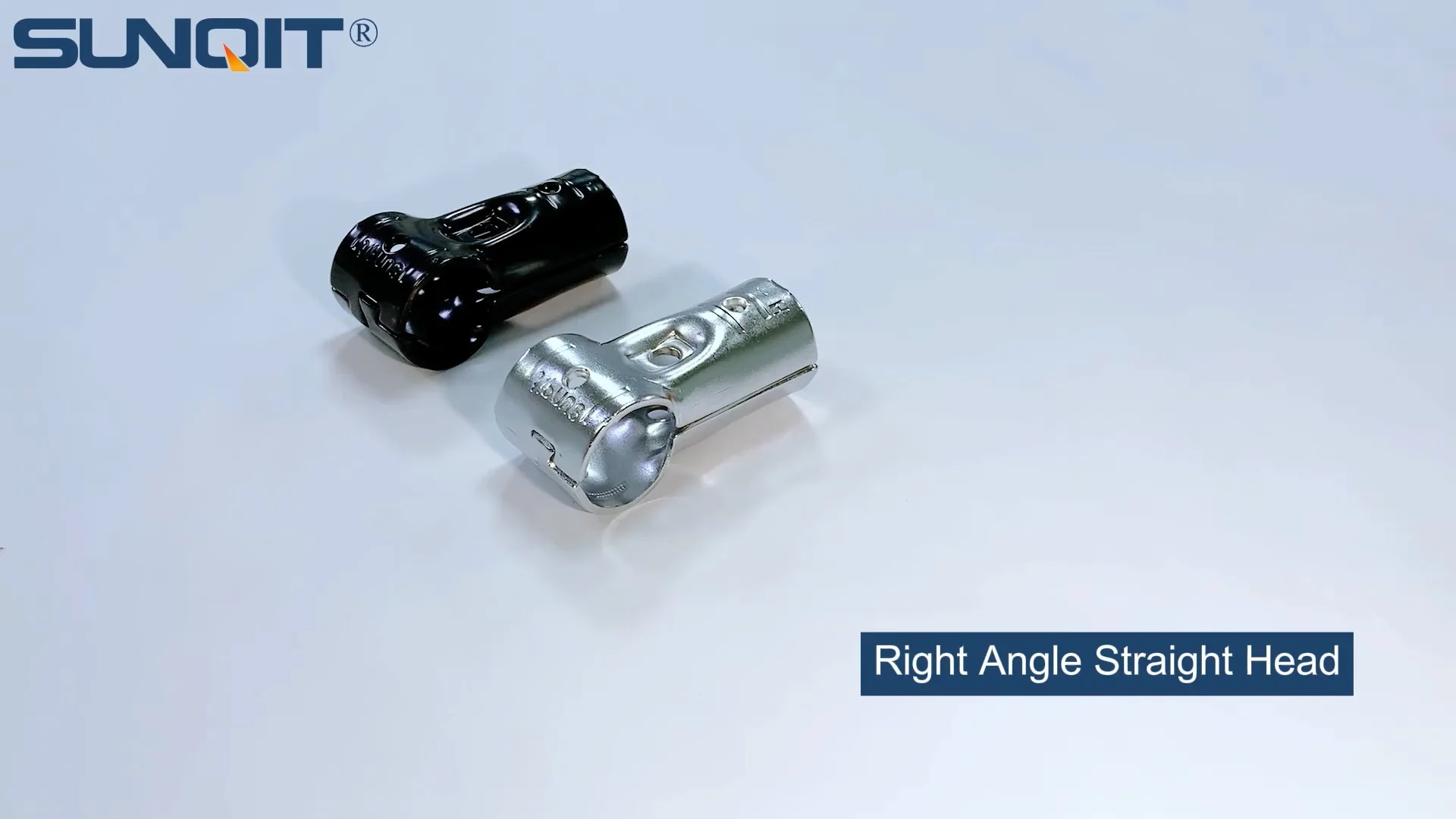
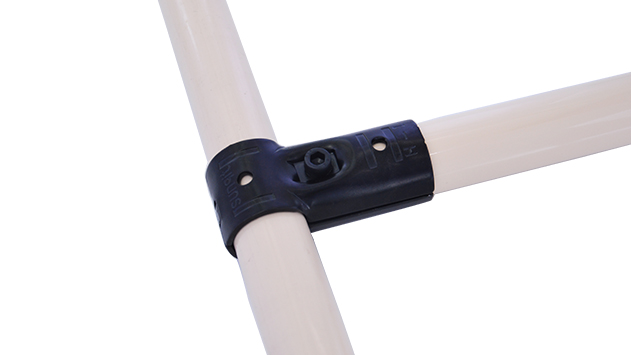
Two way lean pipe joint for 2 pcs 28MM lean pipe connection in straight angle, which used widely in workbench, flow rack, hand trolley frame connection.
Walk into any manufacturing facility that's serious about efficiency, and you'll notice something different about the way work happens. The floors aren't cluttered with unused equipment; workstations adjust to fit workers, not the other way around; and materials glide smoothly from one step to the next without bottlenecks. This isn't magic—it's lean manufacturing in action. At its core, lean is about continuous improvement : stripping away waste, streamlining processes, and creating systems that adapt as needs change. But here's the thing about lean: it doesn't just happen with posters on the wall or team meetings. It relies on the tools and components that form the backbone of the production floor. And among those tools, one small but mighty component stands out: the two way lean pipe joint.
The Heart of Lean Systems: Why Components Matter
Lean manufacturing isn't a one-size-fits-all philosophy. Every factory, every production line, has unique workflows, products, and challenges. That's why flexibility is non-negotiable. A rigid system—one where workbenches are bolted to the floor, racks can't be reconfigured, and conveyors follow fixed paths—will always hit a wall when demand spikes, product designs change, or new efficiency goals are set. Lean systems, by contrast, are built to evolve. They're modular, meaning they can be adjusted, expanded, or repurposed with minimal effort. And that modularity? It starts with the smallest parts: the pipes, joints, and connectors that hold everything together.
Think of it like building with blocks as a kid. You start with basic pieces, but how you connect them determines what you can create—a tower, a car, a castle. In manufacturing, those "blocks" are lean pipes (often aluminum or steel), and the "connectors" are joints. The right joint can turn a simple pipe into a workbench, a flow rack, or a mobile trolley. The wrong joint? It locks you into a single design, turning your "lean" setup into just another rigid system. That's where the two way lean pipe joint comes in. It's not just a connector; it's a enabler of adaptability—the kind that makes lean goals feel achievable, not just aspirational.
Meet the Two Way Lean Pipe Joint: Small Size, Big Impact
At first glance, the two way lean pipe joint might not look like much. It's compact, often made of durable materials like zinc-plated steel or aluminum, and designed to fit snugly onto lean pipes (typically 28mm or 30mm in diameter). But its simplicity is its strength. Unlike fixed brackets or welded connections, the two way lean pipe joint is engineered for versatility . As the name suggests, it connects two pipes at a 90-degree angle, but here's the kicker: it does so without welding, drilling, or specialized tools. Just slide the joint onto the pipes, tighten a screw or lever, and you've got a secure connection that can be disassembled and reconfigured in minutes.
Let's break down why that matters. In traditional manufacturing setups, changing a workstation or reconfiguring a rack might require a maintenance team, power tools, and hours (or even days) of downtime. With a two way lean pipe joint, a single operator can adjust a workbench height, add a shelf to a flow rack, or reposition a material trolley in under an hour. That's not just time saved—it's agility . When a new product line is introduced, or a customer order requires a faster turnaround, you don't have to wait for a redesign; you adapt with the tools you already have.
But the two way lean pipe joint isn't just about speed. It's about precision, too. The best joints are designed to hold pipes firmly in place, even under heavy loads, so you don't have to worry about wobbly workbenches or unstable racks. And because they're reusable, they reduce waste. Instead of scrapping an entire workstation when needs change, you can take it apart, reuse the pipes and joints, and build something new. That's lean's "reduce, reuse, recycle" in action—saving money and cutting down on material waste, one joint at a time.
Flexibility in Action: Building Workbenches That Work With Your Team
If there's one place where lean principles collide with daily work, it's the workbench. This is where operators spend most of their shifts—assembling parts, inspecting products, or packing orders. A poorly designed workbench leads to wasted motion (reaching for tools that are too far), fatigue (awkward heights), and even errors (cluttered surfaces). Traditional workbenches, with their fixed heights and static shelves, are often the culprits. But with two way lean pipe joints, workbenches become ergonomic and customizable .
| Feature | Traditional Fixed Workbench | Lean Workbench with Two Way Lean Pipe Joints |
|---|---|---|
| Height Adjustment | Bolted in place; requires tools to modify (if possible) | Adjustable in minutes by repositioning joints; fits operators of all heights |
| Shelving & Storage | Fixed shelves; can't add/remove without drilling | Add/remove shelves, tool hooks, or bins by attaching joints to pipes |
| Portability | Often heavy and immobile | Add casters (via joints) for easy movement; lock in place when needed |
| Cost Over Time | Need to replace entirely if needs change | Reconfigure with existing parts; lower long-term cost |
Take, for example, a small electronics manufacturer that produces both smartphones and tablets. Smartphones are small, requiring operators to sit and use fine motor skills; tablets are larger, often assembled standing up. With a traditional workbench, the team would need two separate stations. With a lean workbench built using two way lean pipe joints? They adjust the height of the tabletop by loosening the joints, repositioning the pipes, and tightening them again. In 15 minutes, the same workbench goes from "smartphone mode" to "tablet mode." No new equipment, no downtime—just a system that adapts to the work.
And it's not just about height. Need a shelf for tools? Attach a few pipes to the workbench legs using two way joints. Want to add a bin for scrap materials? Clip it onto a horizontal pipe with a joint. Even accessories like LED task lights or anti-fatigue mats can be integrated seamlessly. The result? A workstation that feels like it was designed for the operator, not just placed in their way. When workers are comfortable and have everything they need within arm's reach, productivity rises—and so does morale. That's the human side of lean, and it starts with joints that let workbenches keep up with people.

Streamlining Material Flow: Flow Racks Powered by Two Way Joints
In lean manufacturing, material flow is everything. If parts get stuck in a corner, if operators have to walk 20 feet to grab a component, or if inventory piles up because there's nowhere to store it, waste creeps in. Flow racks—those inclined shelves where materials slide forward as the front item is taken—are a classic solution. They ensure first-in, first-out (FIFO) inventory management, reduce picking time, and keep parts visible and accessible. But again, the key is making those flow racks adaptable.
Traditional flow racks are often built with fixed angles, fixed shelf heights, and fixed lengths. If you start producing a larger part, suddenly the shelves are too short. If demand drops and you need fewer shelves, you're stuck with empty space. Enter two way lean pipe joints. By using these joints to connect aluminum or steel pipes, you can build flow racks that adjust to your inventory, not the other way around.
Imagine a automotive parts supplier that stocks everything from small screws to large gaskets. With a lean flow rack built using two way joints, they can set the angle of the roller tracks steeper for heavy parts (so they slide easily) and gentler for small, delicate items (to prevent jamming). They can adjust shelf heights to fit tall boxes one week and low bins the next. And if they need to expand the rack to hold more inventory? Just add more pipes and joints—no cutting or welding required. Even better, if a new production line opens up across the factory, they can disassemble the rack, move it, and rebuild it in the new location. That's the power of modularity: your storage system grows, shrinks, and shifts with your business.

Beyond Workbenches and Racks: Integrating with the Wider Lean System
The two way lean pipe joint doesn't work in isolation. It's part of a larger ecosystem of lean components—pipes, casters, roller tracks, and aluminum profiles—that together create a fully integrated lean system. For example, pair a lean workbench (built with two way joints) with a mobile trolley (also built with joints and casters), and suddenly materials can be delivered directly to the operator, eliminating walk time. Add a flow rack (joints again) next to the workbench, and parts are always within reach. It's a closed loop of efficiency, and the two way joint is the glue that holds it all together.
Take aluminum profiles, for instance. These extruded aluminum rails (common in lean setups for their strength and lightweight) often work hand-in-hand with lean pipes. The two way lean pipe joint can connect a pipe to an aluminum profile, creating hybrid structures that combine the best of both worlds: the flexibility of pipes and the rigidity of profiles. This is especially useful for heavy-duty applications, like workbenches that need to support large machinery or flow racks holding bulky items. The joint ensures a secure connection, even under stress, while still allowing for future adjustments.
Casters are another example. Attach casters to a lean pipe frame using two way joints, and you've got a mobile workstation that can follow operators as they move, or a material trolley that can be wheeled directly to the assembly line. Lock the casters, and it stays put—stable enough for precision work. Unlock them, and it's off to the next task. This kind of mobility turns static production lines into dynamic, on-demand systems. And again, it's the two way joint that makes it possible: no need for permanent fixtures, just a quick connection that holds firm until you need to change it.
The Ripple Effect: Benefits That Go Beyond the Factory Floor
It's easy to focus on the immediate benefits of the two way lean pipe joint—faster setup, less downtime, better adaptability. But the real impact runs deeper. Let's talk about cost. Traditional manufacturing setups often require big upfront investments in custom equipment: workbenches built to spec, racks designed for a single product, conveyors tailored to a fixed layout. When needs change (and they always do), that equipment becomes obsolete, and you're back to square one, spending more money on replacements. With two way lean pipe joints, you avoid that cycle. The pipes and joints are reusable, so you're not throwing away thousands of dollars in equipment—you're reusing what you already have. Over time, those savings add up.
Then there's sustainability. Lean manufacturing and sustainability go hand in hand, and the two way joint plays a role here too. By reducing the need for new materials (since components are reused), by minimizing waste (no scrapped equipment), and by extending the lifespan of existing tools, these joints help facilities lower their environmental footprint. It's a small contribution, but multiplied across hundreds of joints in a single factory, it adds up to meaningful change.
Perhaps the most underrated benefit, though, is employee engagement . When workers see that their input matters—that they can adjust their workstation to be more comfortable, that they can suggest a better flow for materials and see it implemented quickly—they feel ownership over their work. And engaged employees are more productive, more innovative, and more likely to spot opportunities for improvement. The two way lean pipe joint doesn't just build better systems; it builds better teams.
Continuous Improvement, One Joint at a Time
Lean manufacturing isn't a destination—it's a journey. It's about waking up each day and asking, "How can we do this better?" That question applies to processes, to products, and yes, to the tools we use. The two way lean pipe joint might be small, but it's a powerful reminder that even the tiniest components can drive big change. It turns rigid systems into flexible ones, waste into efficiency, and static workspaces into dynamic environments where continuous improvement isn't just a goal—it's the way things get done.
So the next time you walk into a lean manufacturing facility, take a closer look at those workbenches, those flow racks, those mobile trolleys. Chances are, you'll spot the two way lean pipe joint holding them together. And now you'll know: that small, unassuming connector is more than just a part. It's the unsung hero of lean—enabling the adaptability, efficiency, and continuous improvement that make lean manufacturing not just a philosophy, but a reality.