- Company Articles
- Products and Technology
- Solution
- Conveyor System Integration: T-Groove Aluminum Pipe for Smooth Material Transport

Conveyor System Integration: T-Groove Aluminum Pipe for Smooth Material Transport
Related Product
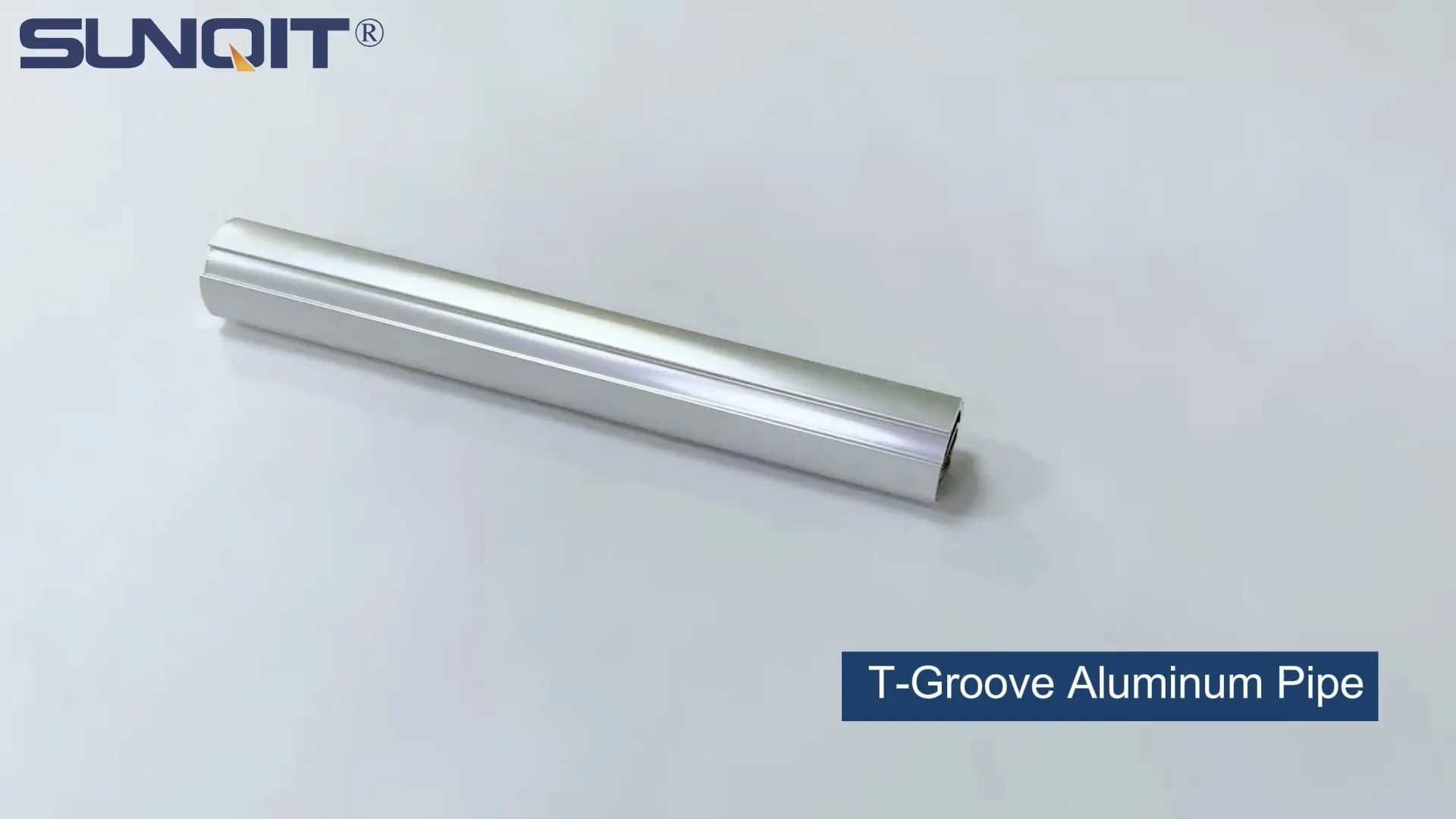
T-Groove Aluminum Pipe
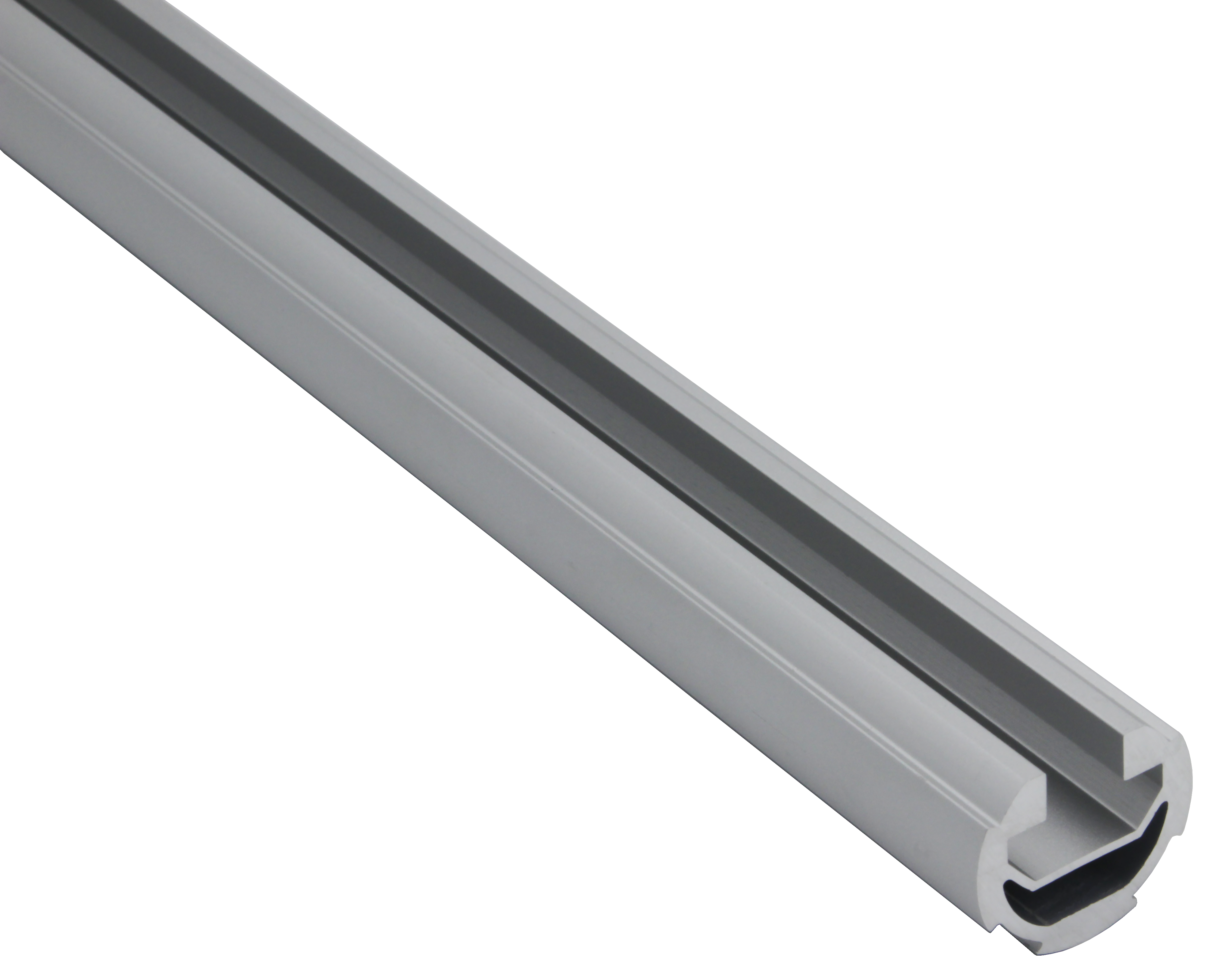
The aluminum pipe opening 10mm is installed into the T-shaped slider, which can be installed with casters or other matching functional parts. The groove can be used for positioning and is used for the track of the roller.
Walk into any manufacturing facility, warehouse, or assembly plant, and you'll quickly notice a silent but critical player in daily operations: material transport. From moving raw components to shuffling finished products, the efficiency of this process can make or break a team's productivity, morale, and bottom line. Yet, for many businesses, the reality is far from smooth. Workers strain to push heavy carts across uneven floors, bottlenecks form as materials pile up at workstation corners, and rigid conveyor systems become obsolete the moment production needs shift. It's a cycle of frustration that eats away at time, energy, and profits.
But what if there was a way to build material transport systems that adapt as quickly as your business does? Systems that don't require a team of engineers to reconfigure, or a budget-busting overhaul when a new product line launches? Enter T-groove aluminum pipe—a deceptively simple innovation that's quietly revolutionizing how facilities approach conveyor integration. Lightweight yet sturdy, modular by design, and infinitely customizable, it's the backbone of flexible material transport solutions that put control back in the hands of the people who use them daily.
In this article, we'll dive into how T-groove aluminum pipe transforms conveyor systems from rigid obstacles into dynamic tools. We'll explore its key components, from the aluminum profile that forms the structure to the roller tracks that glide materials along, and even the caster wheels that add mobility where needed. We'll hear (hypothetically) from production managers who've cut downtime by 40% and workers who no longer dread the morning cart-pushing routine. And we'll break down why this technology isn't just a "nice-to-have"—it's a lifeline for businesses aiming to stay agile in an ever-changing market.
The Building Blocks: Key Components of T-Groove Aluminum Conveyor Systems
At first glance, T-groove aluminum pipe might look like just another metal tube, but its magic lies in the details. The "T-groove" refers to the longitudinal slot running along its length, a simple design feature that unlocks endless possibilities for customization. When paired with compatible components, this slot becomes a universal connector, letting you attach, adjust, and reconfigure parts without welding, drilling, or specialized tools. Let's break down the core elements that make these systems tick.
1. Aluminum Profile: The Backbone of Flexibility
At the heart of every T-groove system is the aluminum profile itself. Unlike heavy steel pipes or brittle plastic alternatives, aluminum strikes a rare balance: it's lightweight enough for a single worker to maneuver, yet strong enough to support hundreds of pounds of materials. This matters because it turns installation and reconfiguration from a multi-person, half-day project into a solo task that takes hours—not days.
But the real star is the T-slot. Imagine (oops—scratch that) Think of it as a built-in puzzle piece: accessories like brackets, shelves, and roller tracks snap into place using simple bolts or sliding nuts, no drilling required. Need to raise a conveyor section by 6 inches? Loosen the bolts, adjust the height, and tighten. Switch from a straight line to a 90-degree turn? Swap out a straight profile for an angled one, and you're done. This adaptability is why aluminum profile has become the go-to for facilities that can't afford to be tied to a fixed layout.
2. Roller Track: Where Materials Meet Motion
A conveyor system is only as good as how smoothly it moves materials, and that's where roller track shines. These tracks—typically made of aluminum or high-density plastic—feature small, rotating wheels (or "rollers") that reduce friction, letting even heavy loads glide with minimal effort. When mounted onto T-groove aluminum profiles, they become part of a seamless transport network that can be tailored to specific materials: from delicate electronics (using soft, non-marring rollers) to rugged automotive parts (with steel-reinforced tracks).
What makes roller track and T-groove aluminum such a powerful pair? Modularity, again. Need a 10-foot straight section for bulk transport? Connect pre-cut roller track pieces using T-slot brackets. Want to add a downward slope to let gravity do the work? Angle the aluminum profile and secure the track with adjustable mounts. And if a roller wears out? Pop it out and replace it in minutes—no need to dismantle the entire track. For workers who've spent hours wrestling with jammed, one-piece conveyor belts, this is a game-changer.
3. Caster Wheels: Mobility Where Rigidity Fails
Not all material transport happens on fixed paths. Sometimes, you need to bring the workstation to the materials—or vice versa. That's where caster wheels enter the picture. These small but mighty components attach to the base of T-groove structures, turning static workbenches, racks, or even short conveyor sections into mobile units that can be rolled to where they're needed most.
But not all casters are created equal. Heavy-duty caster wheels with locking brakes ensure stability when in use, while swivel designs let workers maneuver tight corners with ease. For example, a mobile assembly station built with T-groove aluminum and caster wheels can glide from the welding area to the packaging line, eliminating the need to carry parts back and forth. It's a small change that adds up to big wins: less walking, fewer dropped items, and a workforce that feels empowered to organize their space around their needs.
4. Workbench Integration: Where Transport Meets Production
A conveyor system shouldn't exist in isolation—it should blend seamlessly with the workstations where actual assembly happens. T-groove aluminum makes this integration effortless. By building workbenches using the same aluminum profiles as the conveyor tracks, businesses create a unified ecosystem where materials flow directly from the track to the work surface, and finished products slide right back onto the line.
Take a typical electronics assembly line: A roller track feeds components to a T-groove aluminum workbench, where a technician assembles a circuit board. Once done, the board slides onto another track leading to quality control—no lifting, no carrying, no wasted steps. The workbench itself can be customized with tool holders, bins, and even ESD (electrostatic discharge) protection, all attached via the T-slot. It's a holistic approach that turns disjointed tasks into a cohesive, efficient dance.
Why T-Groove Aluminum Stands Out: Benefits Over Traditional Conveyor Systems
To truly appreciate T-groove aluminum pipe, it helps to compare it to the alternatives. Traditional conveyor systems—whether belt-driven, chain-driven, or pneumatic—have long been industry staples, but they come with trade-offs that grow more painful as production demands evolve. Let's break down how T-groove aluminum addresses these pain points, and why businesses are making the switch.
| Feature | Traditional Conveyor Systems | T-Groove Aluminum Conveyor Systems |
|---|---|---|
| Flexibility | Fixed layouts; reconfiguration requires welding, cutting, or replacing entire sections. | Modular design; components snap together and adjust with basic tools—no welding needed. |
| Installation Time | Days to weeks (requires specialized labor). | Hours to days (can be installed by in-house teams). |
| Cost | High upfront costs; expensive to modify or expand. | Lower initial investment; scalable with affordable add-ons. |
| Maintenance | Complex repairs; downtime during part replacement. | Simple, tool-free part swaps; minimal downtime. |
| Weight | Heavy (steel-based); difficult to move or reposition. | Lightweight (aluminum); easy to handle and transport. |
1. Adaptability: Grow, Shrink, or Pivot Without Overhauling
The biggest advantage of T-groove aluminum is its adaptability. Traditional conveyor systems are built for a specific purpose: if your product line changes size, or you need to add a new workstation, you're often looking at a complete rebuild. For example, a furniture manufacturer that switches from assembling chairs to tables might find their old conveyor tracks are too narrow—requiring new steel rails, motors, and labor costs that eat into profits.
With T-groove aluminum, that same manufacturer could simply swap out the roller track for a wider model, add a few extension profiles, and be up and running by the end of the day. The T-slot design means components are interchangeable across projects, so today's conveyor track could become tomorrow's storage rack. It's a level of flexibility that future-proofs operations, even as market demands shift.
2. Cost-Effectiveness: Save Now and Later
At first glance, T-groove aluminum might seem pricier than basic steel pipes, but the long-term savings tell a different story. Traditional systems require specialized installation teams, expensive welding equipment, and ongoing maintenance contracts. T-groove systems, by contrast, can be installed by existing staff with nothing more than a wrench and a level. And when it's time to expand? Instead of buying a whole new conveyor, you just add a few more profiles and roller track sections—no need to replace what's already working.
Then there's the cost of downtime. A broken belt on a traditional conveyor can halt production for hours while technicians source parts and make repairs. With T-groove, a worn roller or loose bracket can be fixed in minutes by a line worker, keeping the workflow moving. For small to mid-sized businesses where every minute of downtime costs money, this difference is transformative.
3. Worker-Centric Design: Less Strain, More Satisfaction
Behind every conveyor system are the people who interact with it daily. Heavy lifting, repetitive pushing, and awkward bending to reach materials can lead to fatigue, injuries, and high turnover. T-groove aluminum systems address this by putting ergonomics first. Adjustable workbench heights let workers stand or sit comfortably; roller tracks reduce the force needed to move materials by up to 80%; and mobile units with caster wheels eliminate the need to carry heavy loads across the facility.
Consider Maria, a production lead at a small electronics plant we spoke with (hypothetically). Before switching to T-groove systems, her team spent 2 hours daily just moving circuit boards between stations. "We had two people dedicated to pushing carts—literally just pushing," she recalls. "Now, the roller track feeds parts right to each workstation, and the mobile benches roll where we need them. Those two people are now assembling products, and our error rate has dropped because everyone's less tired." It's a reminder that efficient material transport isn't just about moving things—it's about respecting the people moving them.
From Factory Floors to Warehouses: Real-World Applications
T-groove aluminum conveyor systems aren't a one-trick pony—their flexibility makes them applicable across industries, from automotive manufacturing to e-commerce fulfillment. Let's explore how different businesses are using these systems to solve unique challenges and drive results.
Automotive Assembly: Streamlining Complex Workflows
Automotive plants are a masterclass in complexity: hundreds of parts, multiple assembly stages, and tight deadlines. Traditional conveyor systems here are often massive, rigid, and expensive to modify. Enter T-groove aluminum. A mid-sized auto parts manufacturer in Michigan, for example, replaced their old steel conveyor with a T-groove system to handle door panel assembly. By integrating roller tracks with adjustable workbenches, they created a "cells-based" layout where each team assembles a specific part of the door, then slides it along the track to the next station.
The result? When they introduced a new door design with different dimensions, they reconfigured the conveyor in a single shift by adjusting the track width and adding a new angled section—no welding, no downtime. "We used to plan weeks in advance for product changes," says the plant manager. "Now, we can pivot in a day. It's like having a conveyor system that thinks on its feet."
E-Commerce Warehousing: Adapting to Seasonal Spikes
Warehouses face a unique challenge: seasonal demand. During peak holidays, they need to process 3x more orders than in slow months, but traditional fixed conveyor systems can't scale up (or down) efficiently. T-groove aluminum solves this with temporary, modular conveyor lines. A warehouse in Texas, for instance, uses T-groove profiles and roller tracks to build "pop-up" sorting lines during the holiday rush. When the season ends, they disassemble the tracks and store the components, freeing up floor space for other tasks.
Even better, mobile workstations with caster wheels let pickers move directly to inventory hotspots, reducing walking time by 40%. "We used to have pickers walking 10 miles a day," notes the warehouse operations director. "Now, the conveyor brings the bins to them, and they roll their workbench along. It's cut fatigue, and our pick rates are through the roof."
Small Batch Manufacturing: Customization Without the Cost
For small businesses making custom products—like artisanal furniture or specialized machinery—rigid systems are a non-starter. Each order might require a different workflow, and investing in a conveyor for every scenario is impossible. T-groove aluminum changes that. A custom furniture shop in Oregon, for example, uses T-groove profiles to build temporary conveyor lines for each project. For a dining table order, they set up a roller track to move tabletops from sanding to finishing. For a bookshelf order, they reconfigure the track to handle smaller, lighter panels. The same components are reused, eliminating the need for multiple dedicated systems.
"We used to carry everything by hand," says the shop owner. "Now, even a single person can move a heavy tabletop along the track. It's not just about speed—it's about consistency. The tabletop glides smoothly, so the finish is better, and we're not damaging pieces during transport."

How to Integrate T-Groove Aluminum Conveyor Systems: A Step-by-Step Guide
Ready to bring the benefits of T-groove aluminum to your facility? Integration doesn't have to be overwhelming—with the right planning, even small teams can design and install a system that works for their needs. Here's a practical, step-by-step approach to get started.
Step 1: Map Your Workflow (and Pain Points)
Before picking up a single profile, start by observing your current material flow. Walk the floor with your team and ask: Where do bottlenecks happen? What tasks cause the most physical strain? Which materials are heaviest, bulkiest, or most delicate? Jot down these pain points—they'll guide your design.
For example, if workers are struggling to move bins from the storage area to Assembly Station A, a roller track from storage to that station might be the fix. If a workstation needs to serve two different conveyor lines, a mobile bench with caster wheels could bridge the gap. The goal is to design a system that solves your specific problems, not just follow a generic template.
Step 2: Choose Your Components
With your workflow mapped, select the components that fit. Start with the aluminum profile: choose a width and thickness based on the weight of your materials (most suppliers offer load capacity charts). Next, pick roller tracks—opt for aluminum or plastic based on durability needs (aluminum for heavy loads, plastic for delicate items). Add caster wheels if mobility is key, and don't forget accessories like brackets, stops, and tool holders for workbenches.
Pro tip: Start small. You don't need to replace your entire transport system at once. Begin with a single pain point—a bottleneck at a workstation, for example—and build from there. This lets you test the system, train your team, and adjust before scaling up.
Step 3: Assemble and Test (No Expertise Required)
Here's where T-groove aluminum truly shines: assembly is designed for non-experts. Most systems use "click-and-lock" joints or simple bolts that slide into the T-slot. A basic roller track section, for example, can be built by aligning two aluminum profiles, attaching the roller track brackets via the T-slot, and snapping the rollers into place. No welding, no drilling, no stress.
Once assembled, test the system with actual materials. Does the roller track glide smoothly? Are the workbenches at a comfortable height? Do the caster wheels lock securely? Make adjustments as needed—remember, the system is flexible, so tweaks are part of the process. A production team in Ohio, for instance, initially set their roller track at a 5-degree angle, but found materials moved too fast. They adjusted it to 3 degrees with a few turns of a wrench, and problem solved.
Step 4: Train Your Team (and Listen to Feedback)
Even the best system fails if your team doesn't know how to use it. Hold a short training session to show workers how to adjust components, replace rollers, and lock caster wheels. More importantly, ask for their feedback. They're the ones using the system daily—they'll notice if a track is too narrow, a bench is wobbly, or a caster doesn't roll smoothly. Act on their input; it'll make the system better and boost buy-in.
"We thought we had it all figured out," laughs a plant supervisor in Illinois. "Then our night shift lead pointed out that the roller track was too low for taller workers. We adjusted the height in 10 minutes, and suddenly everyone was happier. Never underestimate the people on the floor—they're the real experts."

Keeping It Rolling: Maintenance Tips for Longevity
T-groove aluminum conveyor systems are low-maintenance by design, but like any tool, they need care to perform their best. The good news? Upkeep is simple, requires minimal tools, and can be handled by your existing team. Here's how to keep your system running smoothly for years.
Daily Checks: Quick Wins for Preventive Care
A 5-minute daily inspection can catch small issues before they become big problems. Focus on three key areas: roller tracks, caster wheels, and T-slot connections. For roller tracks, check that rollers spin freely—debris like dust or small parts can get stuck, causing jams. Wipe tracks with a dry cloth and spray a light silicone lubricant on rollers if they feel stiff. For caster wheels, ensure they swivel smoothly and that brake locks engage properly. Finally, tighten any loose bolts on T-slot connections—vibration from daily use can loosen them over time.
"We assign the first 10 minutes of each shift to a 'conveyor check' rotation," says a production manager in Pennsylvania. "One person checks tracks, another casters, another connections. It's become part of our routine, and we haven't had a major breakdown in over a year."
Monthly Deep Cleans: Banishing Dust and Grime
Dust, oil, and debris build up over time, especially in manufacturing environments. Once a month, give the system a thorough clean. Remove roller tracks (if needed) and wipe down aluminum profiles with a mild detergent and soft brush to remove grease. For T-slots, use a small brush or compressed air to clear out dirt that could block bolts. Dry everything thoroughly to prevent corrosion—aluminum is resistant, but moisture trapped in joints can cause issues.
Pro tip: For facilities with heavy dust (like woodworking or metal fabrication), invest in a shop vac with a narrow nozzle to clean T-slots and roller crevices. It's faster than brushing and ensures no debris is left behind.
Seasonal Overhauls: Replacing Wear Items
Even with daily care, some components will wear out—rollers, caster wheels, and T-slot bolts are designed to be replaceable. Every 6–12 months, do a full inventory of wear items. Rollers with cracked wheels or seized bearings should be swapped out; caster wheels with flat spots or worn tread need replacement; and bolts that show signs of stripping should be replaced with new ones (always use the same size and material as the original).
The best part? Replacement parts are affordable and easy to source. Most T-groove suppliers offer kits with common components, so you can keep spares on hand. A maintenance tech in California notes, "We ordered a roller replacement kit for $50, and it had everything we needed for a year. When a roller fails, we pop in a new one in 2 minutes. No waiting for parts, no downtime."
Looking Ahead: The Future of T-Groove Conveyor Systems
As manufacturing and warehousing grow more automated and data-driven, T-groove aluminum conveyor systems are evolving to keep pace. From smart sensors to sustainable materials, here's what to watch for in the next few years.
Smart Integration: Sensors and IoT Connectivity
Imagine (again, oops—strike that) Think of a conveyor system that alerts you before a roller jams, or tracks material flow in real time. That's the future of T-groove systems. Suppliers are already developing T-slot-compatible sensors that monitor roller speed, track weight loads, and detect jams. These sensors connect to IoT platforms, sending data to managers' phones or dashboards. For example, a sensor might flag that a roller in Section B is moving 20% slower than usual, letting teams fix it before materials back up.
"Predictive maintenance is the next big thing," says an industry analyst. "T-groove systems are uniquely positioned for this because their modular design makes adding sensors easy—just slide a sensor bracket into the T-slot and connect it to your network. It's a low-cost way to add smart capabilities without replacing the entire system."
Sustainable Materials: Greener, More Efficient Designs
Sustainability is no longer a buzzword—it's a business imperative. T-groove aluminum is already eco-friendly (aluminum is 100% recyclable), but suppliers are taking it further. Look for profiles made from recycled aluminum, and roller tracks made from plant-based plastics. Some companies are even developing "energy-efficient" roller tracks with low-friction bearings that require less force to move materials, cutting down on worker energy expenditure and carbon footprints.
AI-Powered Layout Optimization
Designing a conveyor layout can still feel like guesswork. Enter AI. New software tools are emerging that use machine learning to analyze your workflow data and recommend optimal T-groove configurations. Input your material types, production volume, and floor space, and the tool suggests the best roller track paths, workbench placement, and mobile unit locations. It's like having a conveyor system designer in your pocket.
More Than a Conveyor: A Tool for Empowerment
At the end of the day, T-groove aluminum conveyor systems are more than just a way to move materials—they're a tool for empowerment. They empower businesses to adapt quickly, workers to move more efficiently, and teams to take control of their space. In a world where flexibility and resilience are key, they're not just a smart investment—they're a necessity.
Whether you're a small manufacturer struggling with bottlenecks, a warehouse fighting seasonal spikes, or a large plant aiming to boost morale, T-groove aluminum offers a path forward. It's a reminder that the best solutions aren't always the most complex—sometimes, they're the ones that put simplicity, adaptability, and people first.
So, the next time you walk through your facility and spot a material transport headache, ask yourself: What would it look like if this process was as flexible as my team? With T-groove aluminum, the answer might be simpler than you think.