- Company Articles
- Products and Technology
- Product knowledge
- Conveyor Systems with 1.2mm Stainless Steel Pipe: Reducing Vibration in Electronics Lines

Conveyor Systems with 1.2mm Stainless Steel Pipe: Reducing Vibration in Electronics Lines
Related Product
1.2mm Stainless Steel Pipe
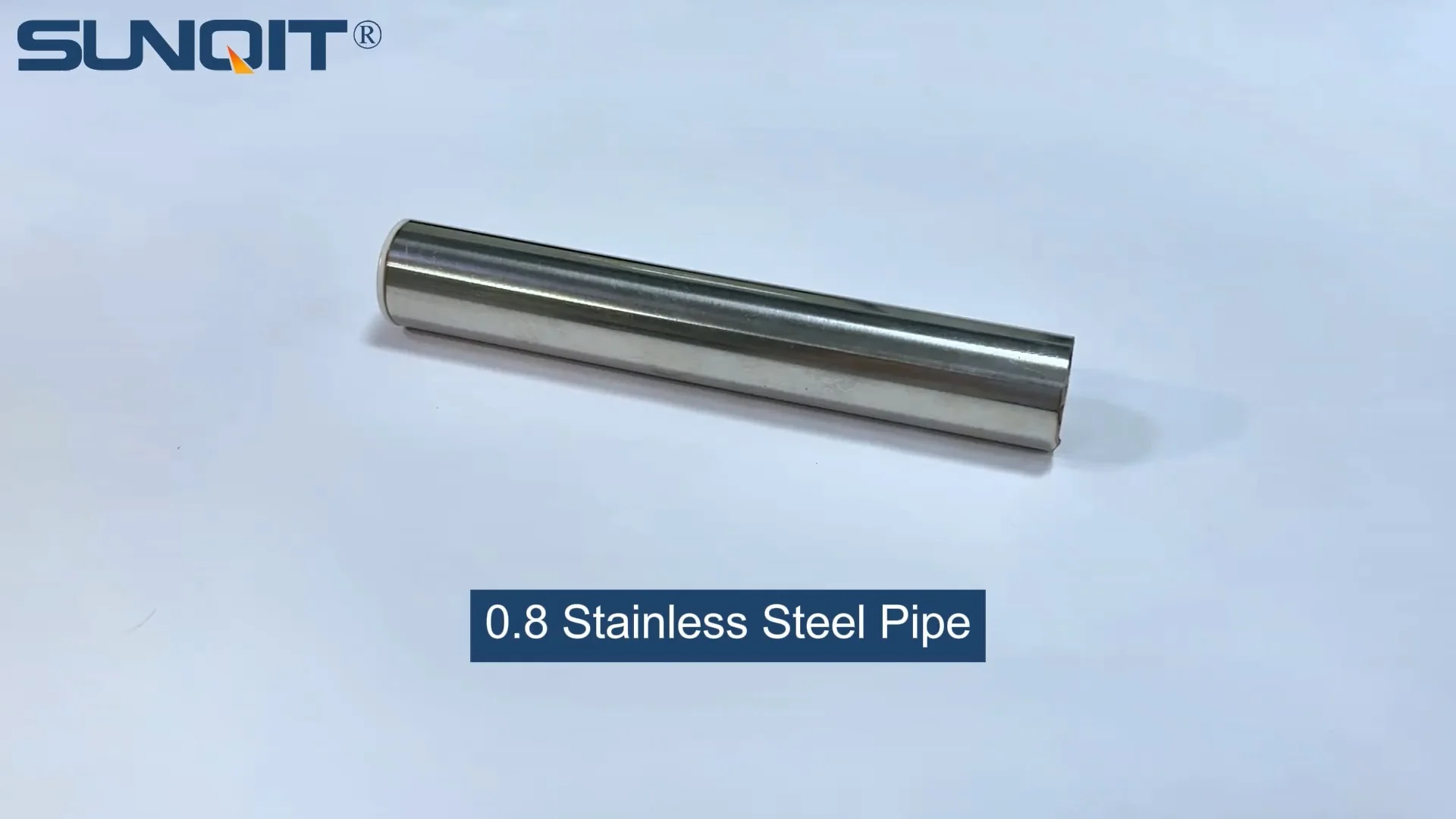
Stainless steel pipe, lean pipe, diameter is 28mm, material is SS201 or SS304, SS201 is normally used in the market. It knows a KARAKURI, KAIZEN material for industrial plant to improve efficiency, save labor cost, standard management.
It's 7:30 AM on a Tuesday at PrecisionTech Electronics, and Maria, the production supervisor, is already staring at a stack of defective circuit boards. "Another batch with micro-cracks," she sighs, running a finger over the hairline fracture in a smartphone motherboard. The third such batch this week. Her team has checked the soldering temperature, the handling protocols, even the humidity in the (shop floor). The culprit? The old conveyor belt that transports components from the SMT (Surface Mount Technology) line to the assembly workbench. "It vibrates like a washing machine on spin cycle," mutters Raj, the lead technician, tapping the aluminum frame of the conveyor. "These tiny chips can't take that kind of shaking."
If you've ever held a microchip in your hand—smaller than a fingernail, with hundreds of delicate solder points—you know why vibration is the silent enemy of electronics manufacturing. A fraction of a millimeter of movement during transport can misalign components, weaken connections, or even trigger electrostatic discharge (ESD) that fries sensitive circuits. For factories churning out everything from smartwatches to medical devices, vibration isn't just a nuisance; it's a drain on profits, a threat to quality, and a source of endless stress for teams like Maria's.
But what if there was a conveyor system designed to cradle components gently, minimizing vibration while keeping production moving? That's where 1.2mm stainless steel pipe comes into play—a material that's been quietly revolutionizing electronics lines by striking the perfect balance between strength, flexibility, and precision. In this article, we'll dive into why vibration matters, why traditional conveyors fall short, and how 1.2mm stainless steel pipe systems are changing the game. We'll also explore real-world benefits, from fewer defects to happier teams, and even share a comparison table to help you see the difference for yourself.
Why Vibration is the Hidden Cost in Electronics Manufacturing
Let's start with the basics: why does a little shaking cause so much trouble? Electronics manufacturing is a world of extremes—components are getting smaller, more complex, and more sensitive. A modern microprocessor might have over 10 billion transistors packed into a space smaller than a postage stamp. Those transistors are connected by wires thinner than a human hair. Even a vibration of 0.1g (about the force of a gentle bump) can cause these connections to flex, weaken, or snap. Over time, that leads to "infant mortality" in products—devices that work in the factory but fail weeks later in a customer's hands.
The numbers tell the story. According to the Electronics Manufacturing Association, vibration-related defects account for up to 12% of all production waste in electronics assembly. For a factory producing 10,000 smartphones a day, that's 1,200 defective units—each costing $50 in materials and labor. That's $60,000 down the drain every day . And that's not counting the cost of returns, warranty claims, or the hit to your brand's reputation when a customer tweets, "My new laptop died after a week—thanks, [Your Brand]."
Vibration also messes with consistency. Imagine trying to place a 0402 resistor (just 1mm long) onto a PCB with a pick-and-place machine. If the conveyor vibrates, the PCB shifts mid-placement, and suddenly the resistor is off by 0.2mm—too small to see with the naked eye, but enough to cause a short circuit later. For Maria's team at PrecisionTech, this meant spending 2 hours a day reworking boards—time that could have been spent meeting deadlines.
The Problem with Traditional Conveyors: Why "Good Enough" Isn't Enough
Walk into most electronics factories, and you'll likely find one of three conveyor types: aluminum frame with plastic rollers, all-plastic systems, or older steel models. Each has its pros, but none are designed to tackle vibration head-on.
Aluminum Frames: Lightweight and cheap, aluminum is a go-to for many factories. But here's the catch: aluminum is flexible. When you mount rollers on an aluminum frame, the whole system acts like a tuning fork—vibrations from the motor, the floor, or even nearby machinery get amplified. Raj, PrecisionTech's technician, puts it bluntly: "Our old aluminum conveyor? It's like a guitar string. Pluck it once, and it hums for hours." That "hum" is exactly what's cracking those circuit boards.
Plastic Conveyors: Plastic is quiet and cheap, but it's also soft. Over time, plastic rollers wear down, creating uneven surfaces that jostle components. Worse, plastic builds up static electricity—a disaster for ESD-sensitive parts like microchips. Maria's team once had to scrap an entire batch of PCBs because a plastic conveyor generated a 3,000-volt static charge (enough to light a small bulb) that zapped the chips.
Thick Steel Systems: Some factories opt for heavy steel conveyors to "dampen" vibration. But thick steel is… well, thick. It's hard to move, hard to reconfigure (a nightmare for lean manufacturing), and the weight puts stress on floors and motors. Plus, rigid steel doesn't absorb vibration—it transfers it. A thick steel frame might not vibrate itself, but it'll pass along every bump from the factory floor straight to the components on top.
The root of the problem? Traditional materials are designed for movement , not precision . They prioritize cost or speed over the delicate needs of modern electronics. But 1.2mm stainless steel pipe is different. It's not just a material—it's a solution engineered for the unique challenges of today's factories.

1.2mm Stainless Steel Pipe: The "Goldilocks" of Conveyor Materials
When engineers first started experimenting with stainless steel for conveyors, they tried thicker pipes (2mm, 3mm) thinking "heavier = more stable." But they quickly realized that was a mistake. Thicker steel is rigid, yes, but it's also heavy and inflexible—bad for lean systems that need to adapt to new product lines. Then they tried thinner pipes (0.8mm), but those bent under the weight of even small PCBs. Enter 1.2mm stainless steel pipe: the sweet spot.
Stainless steel itself is a marvel of materials science. It's strong (50% stronger than aluminum by weight), corrosion-resistant (no rust, even in humid factories), and conductive (so it can be grounded to prevent static). But the 1.2mm thickness is what makes it special. It's thin enough to be lightweight—so the conveyor frame doesn't add unnecessary bulk—but rigid enough to resist bending under load. Think of it like a carbon fiber bike frame: strong, but with just enough "give" to absorb shocks without transferring them to the components.
The stainless steel pipe series used in these conveyors isn't your average hardware store pipe, either. It's precision-engineered with a smooth, seamless finish (no rough edges to catch components) and a consistent wall thickness (so there are no weak spots that vibrate more than others). Some manufacturers even add a micro-textured surface to reduce friction between the pipe and roller tracks, further minimizing jostling.
But material alone isn't enough. To truly reduce vibration, the entire system—pipes, rollers, joints, and even casters—needs to work in harmony. Let's break down the design features that make these conveyors so gentle on components.

Engineering for Stability: How 1.2mm Stainless Steel Conveyors Tame Vibration
Imagine holding a cup of coffee while walking. If you're clumsy (like me), the coffee sloshes. But if you move your hand slightly to absorb the steps, the coffee stays calm. That's the idea behind 1.2mm stainless steel conveyor design: the system acts like a "shock absorber" for components, using a few key engineering tricks to keep things steady.
1. Precision Roller Tracks: Smooth as Silk
The roller track is where the magic happens. Unlike traditional conveyors with plastic or aluminum rollers, these systems use stainless steel rollers with precision ball bearings. The bearings are sealed to keep out dust and lubricated with low-friction grease, so they spin smoothly—no jerks, no starts, no stops. Even better, the rollers are spaced evenly (usually 50mm apart) to ensure components are always supported, preventing "drops" that cause vibration. At PrecisionTech, after switching to this roller track design, Raj noticed an immediate difference: "The PCBs glide now. It's like they're floating on air."
2. Flexible Joints: Absorbing Shocks, Not Amplifying Them
Traditional conveyors use rigid joints that lock pipes and frames together. That might sound stable, but rigid joints act like soundboards, turning small vibrations into big ones. 1.2mm stainless steel systems use semi-flexible joints —think of them as tiny shock absorbers. These joints are made from a mix of stainless steel and rubber, allowing the frame to "give" slightly when it hits a bump (like a floor imperfection) without transferring the shock to the components. It's like adding a pillow between the frame and the rollers.
3. Grounded for ESD Protection: No More Zaps
Stainless steel is conductive, which is a huge win for ESD protection. These conveyors are grounded via a copper wire that runs through the frame, channeling static electricity safely into the floor. No more 3,000-volt zaps, no more fried chips. Maria's team hasn't had an ESD-related defect since installing their new system—a $40,000 savings in scrap alone.
4. Low-Profile Casters: Stability on the Move
Many electronics lines use mobile conveyors to move components between workbenches. But traditional casters (those clunky plastic wheels) can turn a smooth ride into a bumpy one. 1.2mm stainless steel systems often pair with caster wheels that have rubberized, shock-absorbing tires. These tires act like mini-springs, absorbing vibrations from the floor before they reach the conveyor. At PrecisionTech, they moved their new conveyor from the SMT line to the testing area last month—over a floor with a noticeable crack—and the components didn't so much as wiggle.
Beyond Vibration: The Surprise Benefits of 1.2mm Stainless Steel Conveyors
Reducing defects is reason enough to switch, but 1.2mm stainless steel conveyors bring a host of other perks that make factory managers (and accountants) smile. Let's break them down:
Durability: Built to Last (and Last)
Stainless steel doesn't rust, scratch, or corrode—even in humid or dusty factories. Maria estimates her old aluminum conveyor needed replacement rollers every 6 months; the new stainless steel system has been running for a year with zero roller wear. "We used to spend $2,000 a year on aluminum roller replacements," she says. "Now? Maybe $200 on lubricant. It's a no-brainer."
Lean-Friendly: Easy to Reconfigure
In electronics manufacturing, change is constant. One month you're making smartwatches; the next, Bluetooth earbuds. Traditional conveyors (especially thick steel ones) are a nightmare to reconfigure—you might as well build a new one. But 1.2mm stainless steel systems are modular. The pipes and joints click together like Lego bricks, so you can add a curve, extend a section, or move the entire conveyor in an hour. It's a perfect fit for lean system principles, where flexibility and waste reduction are key.
Cleanliness: A Must for Electronics
Electronics factories are sticklers for cleanliness—dust or oil on a PCB can cause short circuits. Stainless steel is non-porous, so it wipes clean with a damp cloth. No more scrubbing plastic conveyors to remove grime, no more rust flakes from old steel systems. "Our QA inspector used to find dust bunnies under the old conveyor every week," Maria laughs. "Now? It's spotless. She's bored."
Traditional vs. 1.2mm Stainless Steel Conveyors: A Side-by-Side Comparison
| Feature | Traditional Aluminum Conveyor | Plastic Conveyor | 1.2mm Stainless Steel Conveyor |
|---|---|---|---|
| Vibration Dampening | Low (amplifies vibrations like a tuning fork) | Very Low (uneven wear causes jostling) | High (rigid yet flexible; absorbs shocks) |
| ESD Protection | Poor (aluminum can build static if not grounded) | Very Poor (plastic generates high static charge) | Excellent (stainless steel is conductive and grounded) |
| Durability | Moderate (rollers wear in 6–12 months) | Low (plastic bends/wears in 3–6 months) | High (stainless steel resists wear; 5+ year lifespan) |
| Flexibility (Reconfiguration) | Low (rigid frame; hard to modify) | Moderate (light but flimsy; limited weight capacity) | High (modular design; reconfigures in hours) |
| Cost (5-Year Total) | High ($15,000: initial + replacements + scrap from defects) | Very High ($20,000: initial + frequent replacements + ESD damage) | Low ($8,000: initial + minimal maintenance + fewer defects) |
Real-World Impact: How PrecisionTech Turned Things Around
Let's circle back to Maria and her team at PrecisionTech. After months of frustration, they decided to test a 1.2mm stainless steel conveyor from a local supplier. The results? Nothing short of transformational.
First, defect rates plummeted. From 5% (1,200 defective units a month) to just 1.2% (288 units). That's a savings of $46,000 a month in scrap and rework. "The first batch after installation? Zero defects," Maria recalls. "Raj and I stared at the PCBs for 10 minutes, waiting for the catch. There wasn't one."
Production speed picked up, too. With less rework, the team went from assembling 800 smartphones a day to 950. "We used to spend 2 hours fixing defects," Raj says. "Now we use that time to build more phones. The floor manager did a double-take when he saw the numbers."
But the biggest change? Team morale. "No one likes staring at defective parts all day," Maria says. "Now, the line runs smoothly. The team is less stressed, more focused. We even had a pizza party to celebrate hitting our quarterly target—first time in a year."
Wrapping Up: Your Turn to Tame Vibration
Vibration might be invisible, but its cost is all too real—in defective parts, lost time, and frayed nerves. For electronics manufacturers, the solution isn't just "a better conveyor." It's a system designed with components in mind: gentle, precise, and built to adapt.
1.2mm stainless steel pipe conveyors aren't a silver bullet, but they're pretty close. By balancing strength and flexibility, they cradle components instead of shaking them. They cut defects, boost speed, and play nice with lean systems. And as Maria and her team at PrecisionTech discovered, they can turn a stressful production line into a well-oiled machine.
So, what about your factory? Are you still tolerating a "washing machine" conveyor? Maybe it's time to ask: What would a 90% drop in vibration-related defects mean for your bottom line? For your team? For your customers? The answer might just be a 1.2mm stainless steel pipe away.