- Company Articles
- Products and Technology
- Product knowledge
- Core Components of Three Way Aluminum Pipe Joints: A Detailed Breakdown

Core Components of Three Way Aluminum Pipe Joints: A Detailed Breakdown
Related Product
Three Way Aluminum Pipe Joint
Aluminum 3 way pipe joint for 28mm aluminum pipe connection in 3 direction.
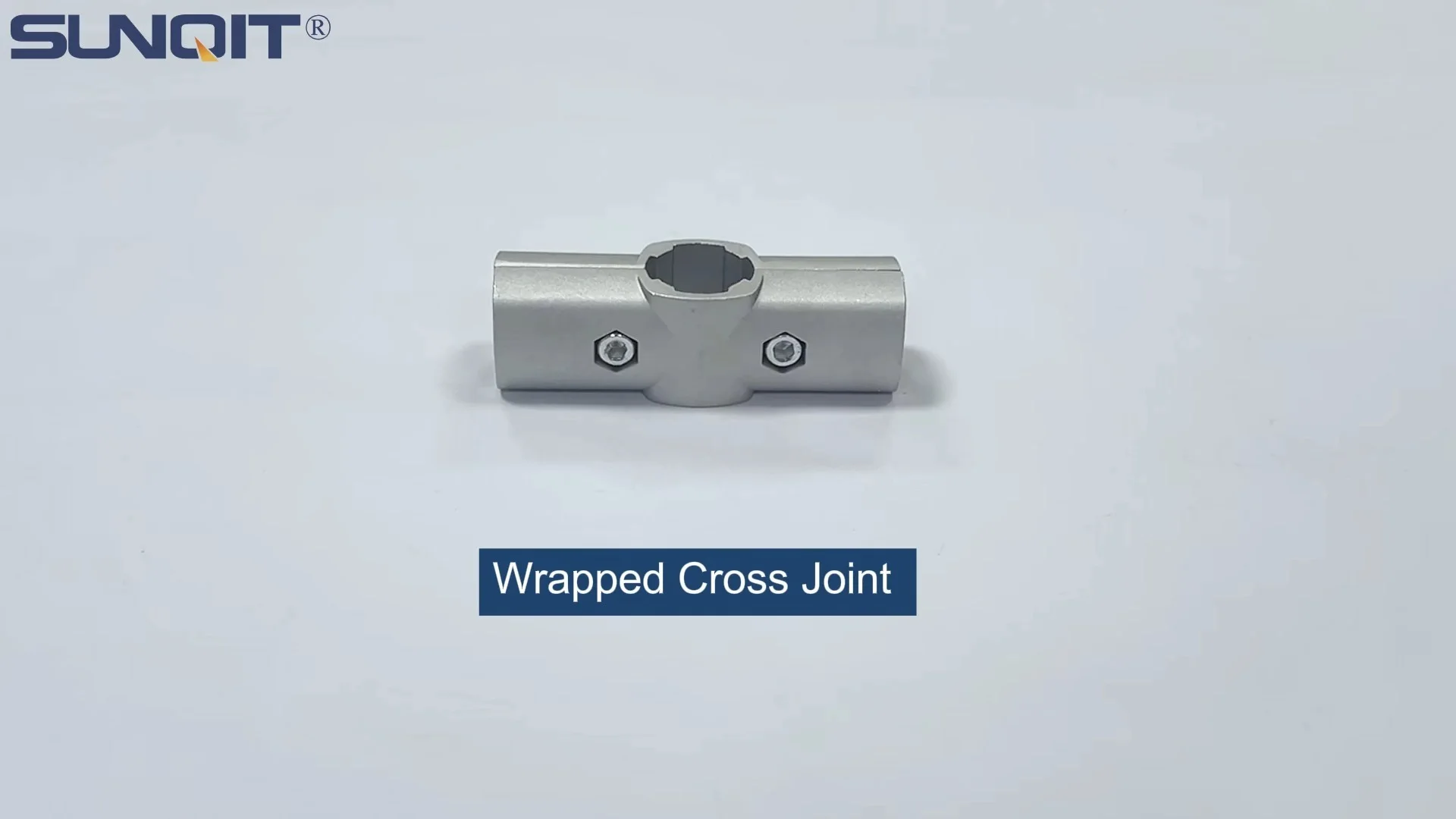
On a bustling factory floor, where the hum of machinery blends with the rhythm of assembly lines, there's an unsung hero holding everything together: the three way aluminum pipe joint. It's not the flashiest part of the operation—you might not even notice it at first glance—but without it, the workbenches, flow racks, and conveyors that keep production moving would collapse into a jumble of loose pipes. These small, unassuming components are the backbone of lean systems, quietly ensuring that workflows stay efficient, structures stay stable, and teams stay productive. Let's dive into the world of three way aluminum pipe joints, exploring their core components, why they matter, and how they shape the way we build and work.
What Are Three Way Aluminum Pipe Joints, Anyway?
At their simplest, three way aluminum pipe joints are connectors designed to link three aluminum pipes at a single point. Picture a T-shape or a Y-shape—these joints let you branch off a main pipe, create corners, or build multi-directional structures. But they're more than just "pipe glue." Think of them as the puzzle pieces that turn basic aluminum pipes into something functional: a sturdy workbench for assembling circuit boards, a flow rack for organizing inventory, or a lightweight trolley for moving materials across the shop floor.
Aluminum is the material of choice here for good reason. Unlike steel, it's lightweight, making structures easy to reconfigure when production needs change—a cornerstone of lean manufacturing. It's also resistant to rust and corrosion, so even in humid warehouses or factories with frequent cleaning, these joints hold up. And let's not forget sustainability: aluminum is highly recyclable, aligning with the eco-friendly goals many modern businesses strive for. When you combine that with the joint's ability to be disassembled and reused, you've got a component that's as kind to the planet as it is to your bottom line.
Real-World Impact: "We used to build workbenches with wooden frames and metal brackets," says Raj, a plant manager at a mid-sized electronics manufacturer. "They were heavy, hard to move, and if we needed to adjust the height or add a shelf, we'd have to rebuild the whole thing. Switching to aluminum pipes and three way joints changed everything. Last month, we rearranged our assembly line in a day—just unscrewed the joints, moved the pipes, and put it all back together. No saws, no nails, no wasted materials. The joints held tight, and the workbenches didn't so much as wobble under the tools. It's like having a workshop that adapts to us, not the other way around."
The Core Components: Breaking Down the "Anatomy" of a Joint
To understand why three way aluminum pipe joints work so well, let's zoom in on their key parts. Each joint is a carefully engineered system, with components that work together to balance strength, precision, and ease of use. Here's what makes them tick:
1. The Body: The Backbone of Strength
The body is the main structure of the joint—the part that holds everything together. Typically made from die-cast aluminum alloy (often 6061 or 6063, known for their strength and machinability), it's designed to withstand the weight and stress of whatever structure it's part of. Imagine a workbench loaded with power tools, or a flow rack stacked with heavy boxes—the body of the joint absorbs that pressure, preventing bending or cracking.
The shape of the body varies depending on the joint's purpose. A T-shaped joint has two ports in a straight line and one perpendicular, while a Y-shaped joint splits into two angles (often 45° or 60°). Some joints even have adjustable angles, letting you fine-tune the direction of the pipes—perfect for custom structures. The key here is symmetry: the ports must be aligned precisely so that when pipes are inserted, they sit flush and evenly distribute weight. A poorly cast body with misaligned ports? That's a recipe for wobbly shelves and frustrated workers.
2. Connection Ports: Where Pipes Meet Precision
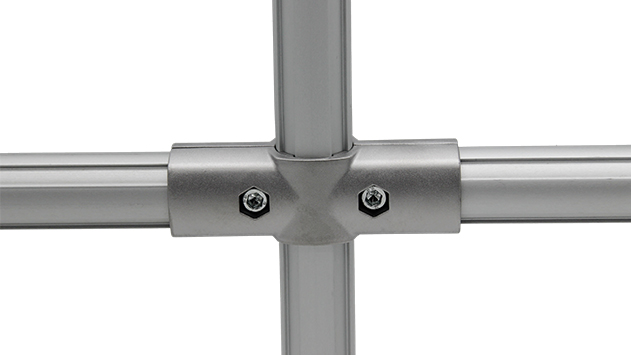
Look closely at a three way joint, and you'll notice three cylindrical openings—these are the connection ports, where the aluminum pipes slide in. But these aren't just holes; they're engineered to create a snug, secure fit. Most ports have a slightly tapered design, so as you push the pipe in, it tightens against the joint. Some also have grooves or ridges that grip the pipe's surface, preventing it from slipping out under pressure.
Size matters here, too. Ports are measured to match standard aluminum pipe diameters—common sizes include 28mm, 30mm, or 40mm. If the port is too loose, the pipe wobbles; too tight, and you might damage the pipe (or your hands) trying to insert it. Quality manufacturers use precision machining to ensure port diameters are consistent, so you can mix and match joints and pipes without worrying about compatibility. That's a big deal for lean systems, where downtime from mismatched parts is the last thing anyone needs.
3. Locking Mechanisms: Keeping It All Together
Even the best-fitting port needs a little help to stay tight over time. That's where locking mechanisms come in. The most common type? A set screw—a small threaded bolt that screws through the joint's body and into the pipe. Tighten the screw, and it digs into the aluminum pipe, creating friction that holds everything in place. Some joints use two set screws per port for extra security, especially in heavy-duty applications like supporting tool cabinets or industrial shelving.
But set screws aren't the only option. Cam locks, for example, use a lever that you twist to clamp the pipe—no tools required, which is great for quick adjustments. Friction-fit joints rely on rubber O-rings inside the port to grip the pipe, though they're better suited for light-duty use (think temporary displays or mobile carts). No matter the mechanism, the goal is the same: to keep the joint and pipe connected through vibrations, weight shifts, and the daily chaos of a busy workplace.
4. Surface Treatment: Protection and Durability
Ever noticed how some aluminum joints have a matte, silver finish, while others are shiny or colored? That's thanks to surface treatments, which do more than just look good. Anodizing is the most popular process: it uses an electrical current to create a thin, protective oxide layer on the aluminum's surface. This layer resists scratches, prevents corrosion, and even makes the joint easier to clean—handy in environments where spills or dust are common.
Some joints also come with powder coating, a durable paint-like finish that adds color (think blue, red, or gray) and an extra layer of protection. This is especially useful in settings where aesthetics matter, like retail display racks or office workstations. And for specialized environments, like cleanrooms or food processing facilities, you might find joints with a passivated finish—removing impurities to make the aluminum even more resistant to bacteria and corrosion. No matter the treatment, it's all about extending the joint's lifespan so you don't have to replace it six months down the line.
Types of Three Way Aluminum Pipe Joints: One Size Doesn't Fit All
Not all three way joints are created equal. Just as a carpenter wouldn't use a hammer to screw in a nail, you wouldn't use a light-duty joint to build a heavy-duty material rack. Let's break down the most common types, so you can pick the right one for the job.
| Joint Type | Angle | Best For | Locking Mechanism | Material Thickness |
|---|---|---|---|---|
| Standard T-Joint | 90° (straight T-shape) | Workbenches, shelving, straight-line structures | 1-2 set screws per port | 2-3mm (light to medium duty) |
| Y-Joint | 60° or 45° (Y-shape) | Flow racks, curved structures, angled shelving | Set screws or cam locks | 2.5-4mm (medium duty) |
| Adjustable Angle Joint | 0°-180° (variable) | Custom workstations, ergonomic desks, non-standard angles | Locking lever or hex bolt | 3-5mm (medium to heavy duty) |
| Heavy-Duty Industrial Joint | 90° or 45° | Tool cabinets, machinery mounts, high-weight storage | Dual set screws + reinforced body | 5-8mm (heavy duty) |
| Quick-Release Joint | 90° or 45° | Temporary structures, mobile trolleys, frequent reconfigurations | Cam lock or push-button release | 2-3mm (light to medium duty) |
Each type has its place. For example, a standard T-joint is perfect for building a simple workbench—strong enough to hold tools, easy to assemble, and affordable. But if you're designing a flow rack where products slide down angled tracks (a common sight in warehouses), a Y-joint with 45° angles ensures items move smoothly without getting stuck. And for teams that rearrange their workspace weekly? Quick-release joints with cam locks let you take structures apart and rebuild them in minutes, no Allen wrench required.

Why These Joints Are Critical for Lean Systems
Lean manufacturing is all about eliminating waste—whether that's wasted time, materials, or effort. Three way aluminum pipe joints fit into this philosophy like a glove, and here's how:
Modularity: In traditional manufacturing, building a new workstation might mean cutting wood, welding steel, or drilling holes—permanent changes that are hard to undo. With aluminum pipes and joints, everything is temporary (but secure). Need to add a shelf? Just add a joint and a pipe. Move to a new location? Disassemble and rebuild. This flexibility means you're not stuck with a structure that no longer fits your needs, reducing waste from unused or outdated equipment.
Cost-Effectiveness: Aluminum joints might cost a bit more upfront than cheap plastic connectors, but they pay for themselves over time. They're reusable, so you can repurpose them for new projects instead of buying new parts. They're also durable, meaning fewer replacements. And because they're lightweight, shipping and handling costs are lower—no need for heavy machinery to move a workbench when two people can lift it.
Ergonomics: Lean systems aren't just about efficiency—they're about people. Three way joints let you build workstations tailored to your team's needs. Need a taller shelf for a taller worker? Adjust the pipes. Want a lower table for assembly tasks? Shorten the legs. When tools and materials are at the right height and within easy reach, workers are more comfortable, less fatigued, and less likely to get injured. That translates to happier teams and higher productivity—something no spreadsheet can put a price on.

Common Challenges (and How to Solve Them)
Like any component, three way aluminum pipe joints have their quirks. Here are a few common issues and how to tackle them:
Loose Joints Over Time: Vibrations from machinery or frequent use can cause set screws to loosen. The fix? Check joints monthly and give the set screws a quick tighten with an Allen wrench. For high-vibration areas, use thread-locking fluid (like Loctite) on the screws—it prevents them from backing out without making them impossible to remove later.
Misaligned Ports: If a pipe sits crookedly, it might be due to a poorly machined joint. Always buy from reputable suppliers who guarantee precision. If you inherit a set of mismatched joints, use a deburring tool to smooth out port edges—sometimes a small burr is all that's throwing off alignment.
Corrosion in Wet Environments: While aluminum resists rust, it can develop a white, powdery film (oxidation) in very humid or salty environments. Anodized joints are more resistant, but if you notice oxidation, clean it off with a soft cloth and mild vinegar, then apply a thin coat of wax to protect the surface.
The Future of Three Way Aluminum Pipe Joints
As manufacturing and warehousing evolve, so do the tools we use to build them. What's next for three way aluminum pipe joints? For starters, smarter materials. Engineers are experimenting with aluminum alloys blended with carbon fiber, aiming to make joints even lighter without sacrificing strength. Imagine a workbench that's half the weight but holds twice the load—game-changing for mobile applications.
We're also seeing more integration with smart technology. Some prototypes include built-in sensors that detect when a joint is loose, sending alerts to a factory management app before a structure fails. That's predictive maintenance at its best, turning "break-fix" into "prevent and protect."
And let's not forget sustainability. Manufacturers are exploring ways to use recycled aluminum in joint production, reducing the carbon footprint of each component. Combined with the joints' reusability, this could make aluminum pipe systems one of the greenest building solutions in manufacturing.
Wrapping Up: The Unseen Hero of the Workshop
Three way aluminum pipe joints might not get the same attention as high-tech robots or sleek conveyor belts, but they're the unsung heroes that make modern workspaces possible. They're the reason a small business can scale its production line without rebuilding from scratch, the reason a warehouse team can adapt to seasonal demand in a day, and the reason workers can stand at a workbench that fits them perfectly.
So the next time you walk through a factory, a workshop, or even a trendy co-working space with industrial-style furniture, take a closer look at the structures around you. Chances are, there's a three way aluminum pipe joint holding it all together—quietly, reliably, and ready to adapt to whatever comes next. Because in the world of lean systems, the best innovations aren't always the flashiest. Sometimes, they're the ones that just… work.