- Company Articles
- Products and Technology
- Installation And Maintenance
- Corrosion Prevention for T-Groove Aluminum Pipe: Essential Maintenance Practices

Corrosion Prevention for T-Groove Aluminum Pipe: Essential Maintenance Practices
Related Product
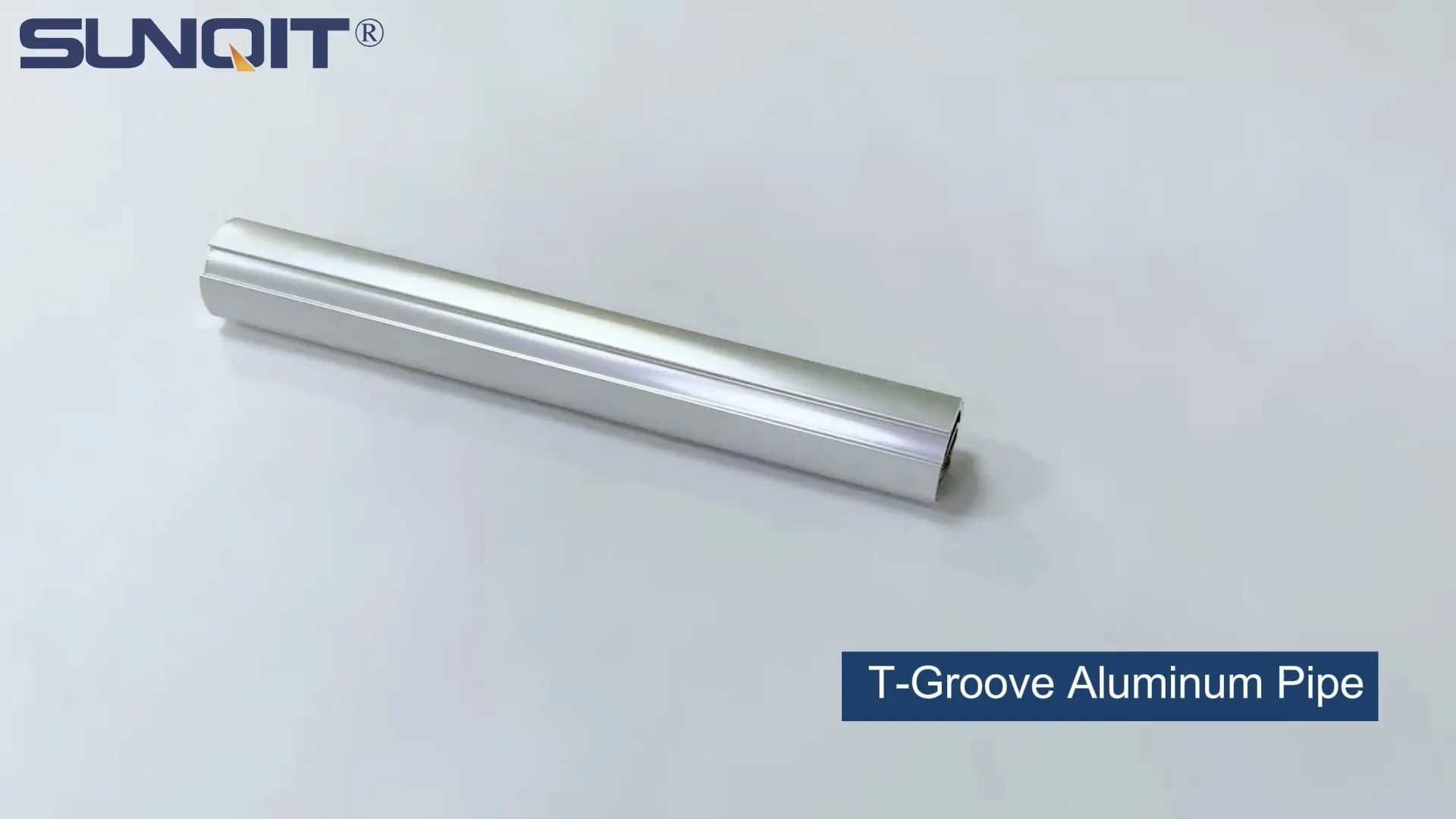
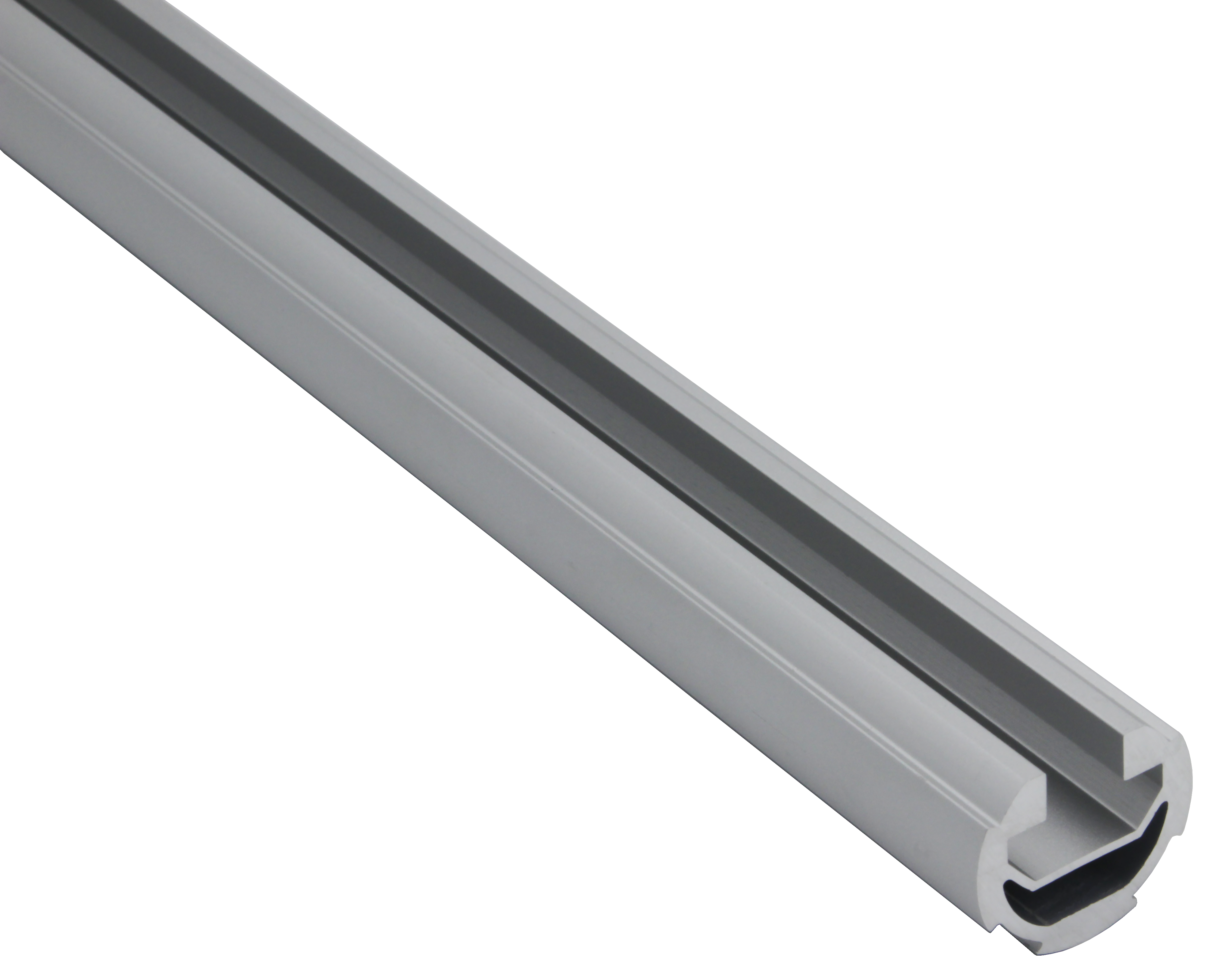
T-Groove Aluminum Pipe
The aluminum pipe opening 10mm is installed into the T-shaped slider, which can be installed with casters or other matching functional parts. The groove can be used for positioning and is used for the track of the roller.
Walk into any busy manufacturing plant, warehouse, or assembly line, and you'll likely spot them: sleek, silver structures holding up workbenches, guiding conveyor belts, or organizing tools with quiet efficiency. These are the unsung heroes of industrial spaces— t slot aluminum pipe systems. Lightweight yet surprisingly strong, they're the backbone of lean workspaces, adaptable enough to build everything from simple material racks to complex production cells. But here's the thing about heroes: even the toughest ones need a little care. Over time, corrosion can creep in, turning those reliable structures into ticking time bombs of wear and tear. Let's talk about how to keep your T-groove aluminum pipes fighting fit, because a little maintenance today saves a lot of headaches (and cash) tomorrow.
Understanding T-Groove Aluminum Pipe: More Than Just Metal
First, let's get cozy with what we're dealing with. T-groove aluminum pipe—also called aluminum extrusion profile —is born from a process where aluminum is pushed through a die to create long, uniform shapes with precision grooves (the "T-slots") running along their length. These slots aren't just for show; they're the secret to the pipe's versatility. Slide in a bolt, clip on an accessory, or lock in a bracket, and suddenly you've got a custom workbench, a mobile trolley, or a flow rack that adapts as your needs change. It's why these pipes are everywhere: they're strong enough to handle heavy loads, light enough to move without a forklift, and flexible enough to grow with your business.
But here's the catch: aluminum, for all its perks, isn't invincible. Unlike stainless steel, it doesn't have a built-in shield against the elements. Instead, it relies on a thin, invisible layer of aluminum oxide that forms when it meets air. This layer acts like a suit of armor, protecting the metal beneath from further damage. But when that armor gets scratched, chipped, or exposed to harsh conditions, corrosion can start nibbling away. And once it starts, it's not just about aesthetics—those tiny pits and discoloration can weaken the pipe over time, putting your entire system at risk.
Why Corrosion Matters: It's Not Just About Looks
Let's paint a picture. Imagine a small electronics factory where a workbench E (single deck-without caster) —built with T-groove aluminum pipes—sits near a ventilation unit that occasionally leaks condensation. At first, no one notices the faint white spots on the pipes' joints. They're small, easy to ignore. But six months later, during a routine tool check, a worker bumps the bench, and a section of the frame shifts. Closer inspection reveals the once-tight joints are loose; the aluminum has corroded around the bolts, eating away at the material. Now, that workbench isn't just wobbly—it's unsafe. Production stops while the bench is replaced, deadlines get pushed, and the maintenance team is left scrambling to fix a problem that could've been prevented with a little attention.
Corrosion isn't just a cosmetic issue. It eats into structural integrity, turning stable workbenches into hazards, sturdy racks into wobbly messes, and reliable conveyors into breakdown risks. And the costs add up fast: replacing a single section of pipe might seem cheap, but multiply that by a whole factory floor, plus the downtime from production halts, and suddenly you're looking at thousands of dollars in losses. Worse, if a corroded pipe fails completely, it could lead to accidents, injuries, or damaged products. In short, ignoring corrosion isn't just lazy—it's risky.
The Usual Suspects: What Causes Corrosion in T-Groove Aluminum Pipe?
Before we dive into fixing corrosion, let's figure out what's causing it. Think of it like solving a mystery—you need to know the villains to stop them. Here are the usual culprits:
1. Moisture: The Silent Saboteur
Water is aluminum's arch-nemesis. Whether it's from leaky roofs, high humidity in the air, spilled liquids on the factory floor, or even condensation from air conditioners, moisture loves to sneak into the tiny gaps in your pipe system. Once it's there, it can mix with dirt, oils, or chemicals to form a corrosive cocktail that attacks the aluminum oxide layer. Bathrooms, kitchens, or outdoor storage areas are especially risky—anywhere water hangs around instead of drying up.
2. Chemicals: The Unseen Attackers
Factories are full of chemicals, even if you don't realize it. Cleaning agents, lubricants, coolants, or even the fumes from certain production processes can land on your aluminum pipes and eat away at their protective layer. For example, using a harsh alkaline cleaner to wipe down a workbench might get rid of grease, but it could also strip the oxide layer, leaving the metal exposed. Even something as simple as road salt tracked in on workers' boots during winter can cause problems in warehouses near loading docks.
3. Scratches and Scrapes: Breaking the Armor
That aluminum oxide layer is tough, but it's thin. A dropped tool, a dragged pallet, or even over-tightening a bolt can scratch the surface, exposing the bare aluminum underneath. Once that happens, moisture and oxygen rush in, and corrosion starts. It's like a tiny wound that never heals—unless you treat it right away.
4. Incompatible Accessories: A Recipe for Disaster
Here's a common mistake: mixing metals. If you use steel brackets or iron bolts with your aluminum pipes, you're setting yourself up for trouble. When two different metals touch in the presence of moisture, they create a battery-like effect called galvanic corrosion. The aluminum acts as the "anode" and starts to corrode faster to protect the other metal. That's why using the right aluminum profile accessories —like aluminum brackets, stainless steel bolts, or plastic clips—is non-negotiable. Mismatched parts aren't just a shortcut; they're a fast track to corrosion.

Essential Maintenance Practices: Keeping Corrosion at Bay
Now that we know the villains, let's talk about the heroes: the maintenance habits that will keep your T-groove aluminum pipes in top shape. These aren't complicated—most are simple routines you can weave into your daily workflow. Let's break them down.
1. Inspect Regularly: Catch Problems Early
The best way to fight corrosion is to stop it before it starts. Make inspection a part of your team's daily or weekly routine. You don't need fancy tools—just a keen eye and a few minutes. Here's what to look for:
- White or gray powdery spots: This is aluminum corrosion (called "white rust")—a sign moisture has attacked the surface.
- Pitting or holes: Small dents or craters in the metal mean corrosion has started eating through the pipe.
- Loose joints: Corrosion can weaken the connection between pipes and aluminum pipe accessories , making joints wobbly.
- Discoloration: Dark spots, streaks, or uneven coloring might mean chemicals or oils are sitting on the surface.
Pro tip: Focus on high-risk areas first—near water sources, chemical storage, or high-traffic zones where scratches are common. And don't forget the hidden spots: the undersides of workbenches, the corners of racks, or the joints where pipes meet accessories. Corrosion loves to hide in the shadows.
2. Clean Smart: Gentle is Better
Dirt, oil, and grime are corrosion's best friends—they trap moisture and create a breeding ground for damage. Regular cleaning keeps your pipes clean and dry, but you've got to do it right. Harsh scrubbers or chemicals will do more harm than good. Instead, stick to these rules:
| Safe Cleaning Practices | What to Avoid |
|---|---|
| Use a soft cloth or sponge with mild soap and warm water. | Steel wool, wire brushes, or abrasive pads (they scratch the oxide layer). |
| Rinse thoroughly with clean water to remove soap residue. | Harsh chemicals like bleach, ammonia, or acidic cleaners (they strip the oxide layer). |
| Dry immediately with a lint-free cloth, especially in humid areas. | Leaving water to air-dry (moisture lingers, inviting corrosion). |
| For tough grease, use a diluted solution of isopropyl alcohol (test on a small spot first). | Pressure washers (they can force water into joints and scratch surfaces). |
Example: A food packaging plant uses T-groove aluminum pipes for their conveyor systems. They clean the pipes nightly with a soft cloth and a mix of mild dish soap and warm water, then dry them with a microfiber towel. No more grease buildup, no more water spots—and their conveyors have stayed corrosion-free for years.
3. Protect the Armor: Touch-Ups and Coatings
Even with the best inspection and cleaning, scratches happen. When they do, you need to repair the aluminum oxide layer fast. For small scratches, start by cleaning the area with soap and water, then dry it thoroughly. Next, gently sand the scratch with fine-grit sandpaper (400-600 grit) to smooth the edges—don't press too hard, or you'll make the scratch worse. Wipe away the dust, then apply a thin coat of clear acrylic spray paint or aluminum-specific touch-up paint. This seals the scratch, preventing moisture from sneaking in.
For high-risk areas (like pipes near chemical storage or outdoor use), consider adding an extra layer of protection. Clear polyurethane sealant or aluminum wax can add a barrier against moisture and chemicals. Just make sure the surface is clean and dry before applying—any dirt or oil will trap under the sealant, causing more problems later.
4. Choose the Right Accessories: Compatibility is Key
Remember that galvanic corrosion we talked about earlier? It's easy to avoid if you stick to aluminum profile accessories designed for T-groove pipes. When shopping for brackets, bolts, or connectors, look for products labeled "aluminum compatible" or made from stainless steel (which won't react with aluminum). Avoid mixing metals—no steel bolts in aluminum pipes, no iron brackets on aluminum frames. If you're unsure, ask your supplier: a good lean pipe supplier will guide you to the right accessories to keep your system corrosion-free.
Pro tip: When assembling your system, use plastic washers between metal accessories and aluminum pipes. They act as a barrier, preventing direct contact and reducing the risk of galvanic corrosion. It's a small step that makes a big difference.
5. Control the Environment: Dry and Clean Wins the Day
You can't always change your factory's layout, but you can control the conditions around your T-groove aluminum pipes. Here are simple fixes to cut down on moisture and chemicals:
- Fix leaks fast: A dripping faucet, a leaky roof, or a condensation-prone air conditioner should be repaired immediately. Even small drips add up over time.
- Improve ventilation: Use fans or dehumidifiers in humid areas to keep air moving and moisture levels low.
- Store chemicals safely: Keep cleaning agents, oils, and coolants in sealed containers away from aluminum systems. Spills happen—clean them up immediately with a dry cloth.
- Elevate pipes off the ground: If you're using racks or trolleys in damp areas, raise them with corrosion-resistant casters or feet to keep pipes from sitting in standing water.

Final Thoughts: Maintenance is a Habit, Not a Chore
Corrosion might seem like an inevitable part of industrial life, but it's not. With a little attention—regular inspections, smart cleaning, careful accessory choices, and quick repairs—you can keep your T-groove aluminum pipes strong, safe, and reliable for years. Think of it like caring for a car: skip the oil changes, and you'll be stuck on the side of the road. Skip corrosion maintenance, and you'll be stuck with wobbly workbenches, broken racks, and costly replacements.
Your T-groove aluminum pipe system works hard for you every day. It's time to return the favor. Grab a cloth, check those joints, and make corrosion prevention part of your routine. Your team, your budget, and your peace of mind will thank you.