- Company Articles
- Products and Technology
- Product knowledge
- Corrosion Resistance of 0.8mm Stainless Steel Pipe: Ideal for Medical Industry

Corrosion Resistance of 0.8mm Stainless Steel Pipe: Ideal for Medical Industry
Related Product
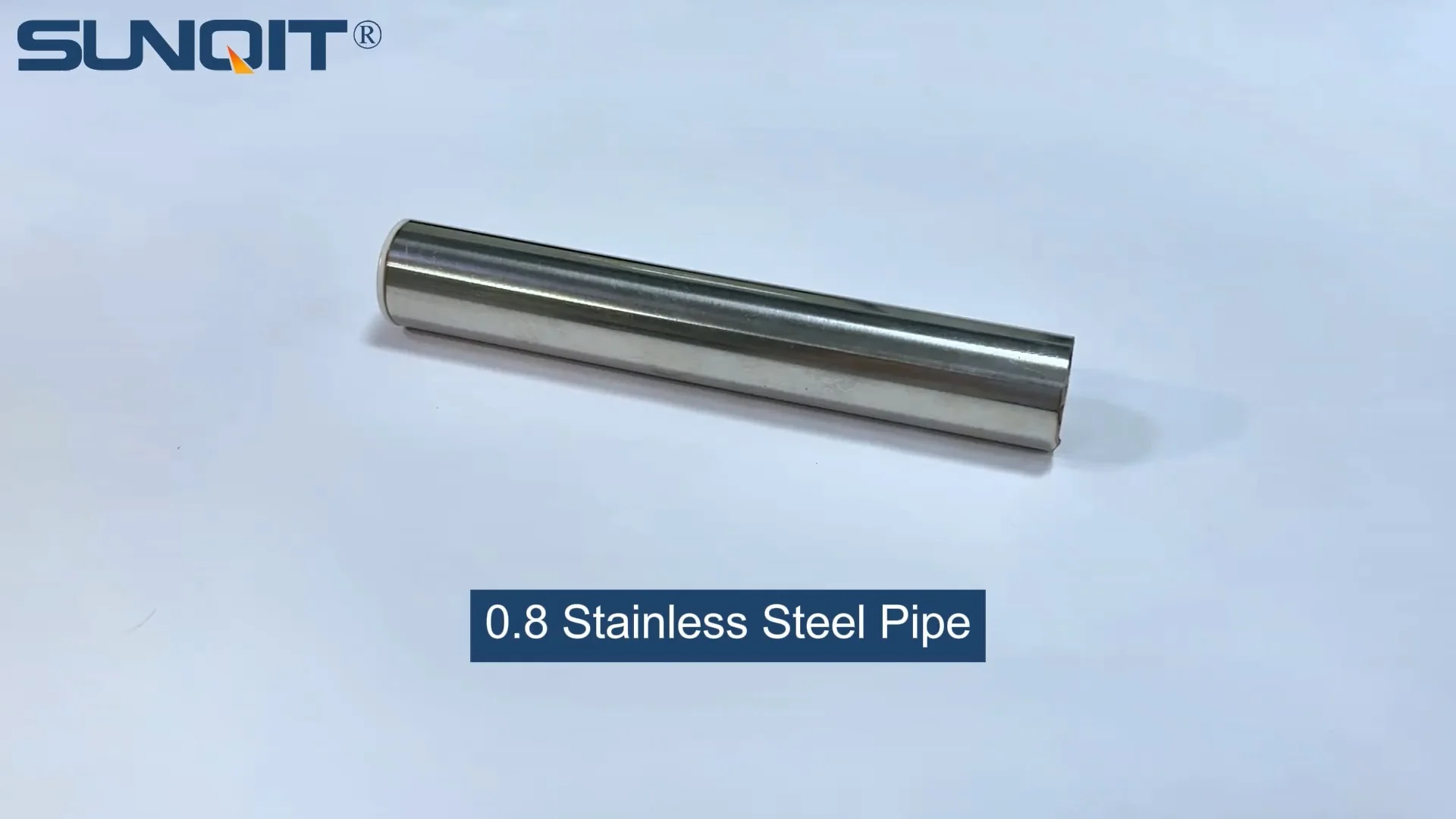
0.8mm Stainless Steel Pipe
Stainless steel pipe, lean pipe, diameter is 28mm, material is SS201 or SS304, SS201 is normally used in the market. It knows a KARAKURI, KAIZEN material for industrial plant to improve efficiency, save labor cost, standard management.
Walk into any modern medical facility, and you'll notice a quiet commitment to precision. From the sterile sheen of surgical tools to the steady hum of diagnostic equipment, every detail is designed to prioritize safety, cleanliness, and reliability. But behind the scenes, there's a component that often goes unnoticed yet plays a critical role in maintaining these standards: the materials that build the infrastructure itself. Among these, the 0.8mm stainless steel pipe —a key part of the broader stainless steel pipe series—has emerged as a standout choice, particularly for its exceptional corrosion resistance. In an industry where even the smallest flaw can compromise patient safety, this unassuming pipe is quietly revolutionizing how medical spaces are built and maintained.
The Medical Industry's Invisible Battle: Corrosion in Critical Environments
To understand why corrosion resistance matters so much in healthcare, let's start with the daily reality of a hospital or lab. Think about the average workbench in a pharmacy compounding area: it's wiped down with strong disinfectants multiple times a day. Or consider a mobile equipment cart in an operating room, wheeled from sterile zones to storage areas and back, exposed to bodily fluids, cleaning agents, and humidity. In these settings, materials face a relentless assault from chemicals, moisture, and repeated sterilization cycles. Corrosion—whether it's rust, pitting, or degradation—isn't just a cosmetic issue here. Flaking rust can contaminate sterile fields, weakened metal can lead to unstable work surfaces, and degraded components might harbor bacteria, turning a functional tool into a potential health risk.
Traditional materials often fall short. Aluminum, for example, is lightweight and affordable, but its natural oxide layer can break down under prolonged exposure to acidic disinfectants, leading to pitting. Plastic might resist chemicals but lacks the structural strength needed for heavy-duty use, like supporting a workbench loaded with glassware and reagents. Even thicker steel pipes, while strong, can be overkill—adding unnecessary weight to mobile carts or making custom workbench designs cumbersome. This is where the 0.8mm stainless steel pipe steps in: it's a Goldilocks solution, balancing strength, flexibility, and, most importantly, unbeatable corrosion resistance.
What Makes 0.8mm Stainless Steel Pipe Different? The Science of Corrosion Resistance
Stainless steel's reputation for durability isn't magic—it's chemistry. At its core, stainless steel contains chromium, which reacts with oxygen to form a thin, invisible layer of chromium oxide on the surface. This layer is self-healing: if scratched or damaged, it quickly reforms, preventing further oxidation (the process that causes rust). But not all stainless steel is created equal, and the 0.8mm thickness adds another layer of practicality.
Let's break it down. The "0.8mm" refers to the wall thickness of the pipe. This might seem thin compared to industrial-grade steel pipes (which can be 2mm or thicker), but in medical settings, it's intentional. A thinner wall reduces weight, making the pipe easier to shape into custom workbenches, racks, or trolley frames—essential for spaces where mobility and adaptability are key. Yet, thanks to stainless steel's inherent strength, even 0.8mm maintains impressive structural integrity. It can support the weight of medical equipment, withstand the jostling of a mobile cart (fitted with sturdy caster wheels, of course), and hold up to the daily wear of being cleaned and repositioned.
But the real star is its corrosion resistance. Medical-grade stainless steel (often 304 or 316 grade) contains higher levels of chromium (18-20%) and nickel (8-10%), which enhance the oxide layer's stability. This means it can stand up to harsh chemicals like hydrogen peroxide, isopropyl alcohol, and quaternary ammonium compounds—common in medical disinfectants—without breaking down. Unlike carbon steel, which rusts when exposed to moisture, 0.8mm stainless steel pipe remains smooth and intact, even after years of daily cleaning. For a workbench in a busy lab, this translates to fewer replacements, lower maintenance costs, and, most critically, a consistently sterile surface.

Beyond Resistance: Why 0.8mm Thickness is a Game-Changer for Medical Design
Corrosion resistance is non-negotiable, but the 0.8mm stainless steel pipe offers more than just that—it's a designer's dream. Medical facilities aren't one-size-fits-all: a research lab might need a modular workbench with adjustable shelves, while a hospital ward requires lightweight trolley frames that can navigate tight corridors. The thin wall of the 0.8mm pipe makes it highly adaptable. It can be easily cut, bent, or welded into custom shapes, allowing for tailored solutions that fit specific spaces and workflows.
Take, for example, a pharmacy workbench. Pharmacists need precise measurements, so the work surface must be stable, but they also need easy access to tools and supplies. A frame built with 0.8mm stainless steel pipes can be designed with built-in racks for vials, slots for labeling machines, and even integrated cable management—all without adding bulk. Because the pipe is lightweight, the entire workbench can be fitted with caster wheels, making it easy to move for deep cleaning or reconfiguration. Compare that to a heavy wooden workbench or a thick steel frame: those are fixed in place, limiting flexibility and making thorough sanitization harder.
Another advantage is weight. In mobile applications—like surgical instrument carts or medication delivery trolleys—every pound matters. A cart built with 0.8mm stainless steel pipes is significantly lighter than one made with 1.2mm or 2.0mm steel, reducing strain on staff who push it around all day. Yet, despite being lighter, it doesn't sacrifice strength. The pipe's structural integrity ensures that even when loaded with glass vials, syringes, or surgical tools, the cart remains stable, preventing spills or accidents. This balance of lightness and strength is a hallmark of the 0.8mm design, making it ideal for both stationary and mobile medical equipment.

Stainless Steel vs. Aluminum: A Head-to-Head for Medical Use
It's natural to wonder: why not use aluminum profile instead? Aluminum is widely available, lightweight, and often cheaper than stainless steel. Let's take a closer look at how these two materials stack up in key areas critical to the medical industry. The table below compares 0.8mm stainless steel pipe (from the stainless steel pipe series) with standard aluminum profile, focusing on factors that matter most in healthcare settings:
| Metric | 0.8mm Stainless Steel Pipe | Standard Aluminum Profile |
|---|---|---|
| Corrosion Resistance | Excellent: Resists acids, disinfectants, and moisture; self-healing oxide layer. | Good: Natural oxide layer, but prone to pitting in prolonged exposure to harsh chemicals. |
| Strength-to-Weight Ratio | High: Thin wall (0.8mm) offers strength without excess weight; ideal for mobile carts. | High: Lighter than steel, but may require thicker walls for comparable strength, adding bulk. |
| Sterilization Compatibility | Compatible with autoclaving, chemical sterilants, and UV light; no degradation over cycles. | Compatible with most methods, but some alloys may discolor or weaken under high heat. |
| Maintenance Needs | Low: Wipe clean with disinfectants; no need for coatings or treatments. | Moderate: May require periodic re-coating to maintain corrosion resistance; prone to scratches. |
| Cost Over Lifespan | Higher upfront cost, but lower long-term: fewer replacements, minimal maintenance. | Lower upfront cost, but higher long-term: potential for early replacement due to corrosion. |
| Design Flexibility | High: Easily cut, welded, or bent into custom shapes for workbenches, racks, etc. | Moderate: Extruded profiles limit custom shapes; often requires specialized connectors. |
The table tells a clear story: while aluminum has its merits, stainless steel pulls ahead in the areas that matter most for medical use. Its corrosion resistance isn't just better—it's reliable over time, which is critical in environments where equipment is expected to last for years. And when you factor in lower maintenance costs and longer lifespans, the initial investment in stainless steel often pays off.
Sourcing the Right Pipe: Why Choosing a Trusted Lean Pipe Supplier Matters
Of course, not all 0.8mm stainless steel pipes are created equal. To ensure they meet medical-grade standards, it's essential to partner with a reputable lean pipe supplier. These suppliers specialize in providing materials that adhere to strict industry regulations, like ISO 13485 (for medical device manufacturing) or FDA guidelines for food contact (relevant for pharmacy workbenches handling oral medications). A reliable supplier will not only offer high-quality pipes but also provide documentation—like material certificates and test reports—verifying the pipe's composition, corrosion resistance, and compliance with safety standards.
But a good lean pipe supplier does more than just deliver materials. They understand the unique needs of the medical industry. For example, some suppliers offer pre-cut pipes to custom lengths, saving healthcare facilities time on fabrication. Others provide accessories, like stainless steel joints or caster wheels, ensuring that the entire system—from the pipe to the connectors—is designed to work together seamlessly. This attention to detail reduces the risk of weak points in the final product, like a joint that corrodes faster than the pipe itself, compromising the entire structure.
Take the example of a hospital looking to upgrade its surgical instrument carts. A trusted lean pipe supplier would work with the facility to understand the cart's intended use: How much weight does it need to carry? How often will it be sterilized? What's the maximum width for navigating doorways? Armed with this info, the supplier can recommend not just the 0.8mm stainless steel pipe but also the right caster wheels (lockable, non-marking, and corrosion-resistant) and connectors (stainless steel, of course) to ensure the cart is both functional and compliant. This collaborative approach ensures that the final product isn't just a "pipe with wheels" but a tailored solution that meets the facility's exact needs.
Real-World Impact: How 0.8mm Stainless Steel Pipes Improve Medical Workflows
To put this in perspective, let's look at a hypothetical but realistic case study: a mid-sized community hospital that recently switched from aluminum profile workbenches to ones built with 0.8mm stainless steel pipes. Before the switch, the hospital's pharmacy staff struggled with their old aluminum workbenches. The surfaces were prone to scratching, and after a few months of daily cleaning with isopropyl alcohol, small pits began to form. These pits were hard to sanitize, and the hospital's infection control team raised concerns about bacterial buildup. Additionally, the aluminum frames were heavy, making it impossible to move the workbenches for deep cleaning under them—meaning dust and debris accumulated, requiring extra staff hours to clean around them.
The solution? The hospital partnered with a lean pipe supplier to design custom workbenches using 0.8mm stainless steel pipes. The new workbenches were lighter (thanks to the thin-walled pipe) and fitted with lockable caster wheels, allowing staff to roll them aside for thorough floor cleaning. The stainless steel surfaces were smooth and non-porous, resisting scratches and standing up to repeated disinfection without pitting. Within six months, the pharmacy team reported a 30% reduction in time spent on maintenance (no more scrubbing pits or touching up scratches), and the infection control team noted a decrease in surface bacteria counts during routine swabs. Perhaps most importantly, the staff felt more confident in their workspace—knowing the tools they relied on were built to keep both them and their patients safe.
Another example is a research lab specializing in virology. Here, containment is key, and all equipment must be easily decontaminated. The lab's old storage racks, made of painted steel, were a nightmare: the paint chipped under the harsh chemicals used to clean them, exposing the steel underneath to rust. The lab switched to racks built with 0.8mm stainless steel pipes, and the difference was immediate. The racks are now pressure-washed with disinfectant weekly, and there's no sign of corrosion or chipping. The thin pipes also allowed for more vertical storage (since they're strong but lightweight), freeing up floor space for additional workbenches—critical in a lab where every square foot is precious.
Looking Ahead: The Future of Medical Infrastructure with Stainless Steel Pipes
As medical technology advances, so too do the demands on facility infrastructure. New diagnostic tools are becoming more compact but more sensitive, requiring stable, vibration-resistant work surfaces. Telemedicine is increasing the need for mobile equipment carts that can be quickly repositioned for video consultations. And with the rise of personalized medicine, pharmacies and labs need more flexible workbenches to handle small-batch compounding and specialized testing. In all these scenarios, the 0.8mm stainless steel pipe is well-positioned to meet the challenge.
One emerging trend is the integration of smart technology into medical workspaces. Imagine a workbench with built-in sensors that monitor temperature or humidity, or a mobile cart with embedded tracking devices to prevent loss. The 0.8mm stainless steel pipe's design flexibility makes it easy to incorporate these technologies: pipes can be drilled to run wires, or custom brackets (made from the same stainless steel) can hold sensors. And because the material is non-reactive, it won't interfere with electronic signals, ensuring the technology works reliably.
Sustainability is another growing concern. Healthcare facilities are under pressure to reduce their environmental footprint, and the longevity of stainless steel aligns perfectly with this goal. Unlike aluminum, which may need replacement every 3-5 years in harsh medical environments, a 0.8mm stainless steel pipe can last 10-15 years or more with minimal maintenance. This reduces waste and lowers the facility's overall carbon footprint, as fewer raw materials are needed over time. Additionally, stainless steel is 100% recyclable, so when it does reach the end of its life, it can be melted down and repurposed—no landfill waste.
Conclusion: The Quiet Hero of Medical Safety
In the fast-paced world of healthcare, it's easy to focus on the flashy innovations—the latest MRI machine, the cutting-edge surgical robot. But sometimes, the most impactful advancements are the ones you don't notice: the materials that form the backbone of the spaces where care happens. The 0.8mm stainless steel pipe, a humble component of the stainless steel pipe series, is one such innovation. Its corrosion resistance ensures that workbenches, carts, and racks remain sterile and strong, even in the harshest environments. Its flexibility allows for custom designs that adapt to evolving workflows. And when sourced from a trusted lean pipe supplier, it becomes part of a system that prioritizes safety, efficiency, and longevity.
For medical facilities, choosing the right materials isn't just about budgets or aesthetics—it's about honoring the commitment to patient care. Every scratch-resistant surface, every stable workbench, and every corrosion-free cart contributes to a safer, cleaner environment where staff can focus on what matters most: healing. In that sense, the 0.8mm stainless steel pipe isn't just a building material. It's a promise—one that says, "We've thought of everything, so you can too."