- Company Articles
- Products and Technology
- Product knowledge
- Corrosion Resistance of 1.0mm Stainless Steel Pipe in Humid Environments

Corrosion Resistance of 1.0mm Stainless Steel Pipe in Humid Environments
Related Product
1.0mm Stainless Steel Pipe
Stainless steel pipe, lean pipe, diameter is 28mm, material is SS201 or SS304, SS201 is normally used in the market. It knows a KARAKURI, KAIZEN material for industrial plant to improve efficiency, save labor cost, standard management.
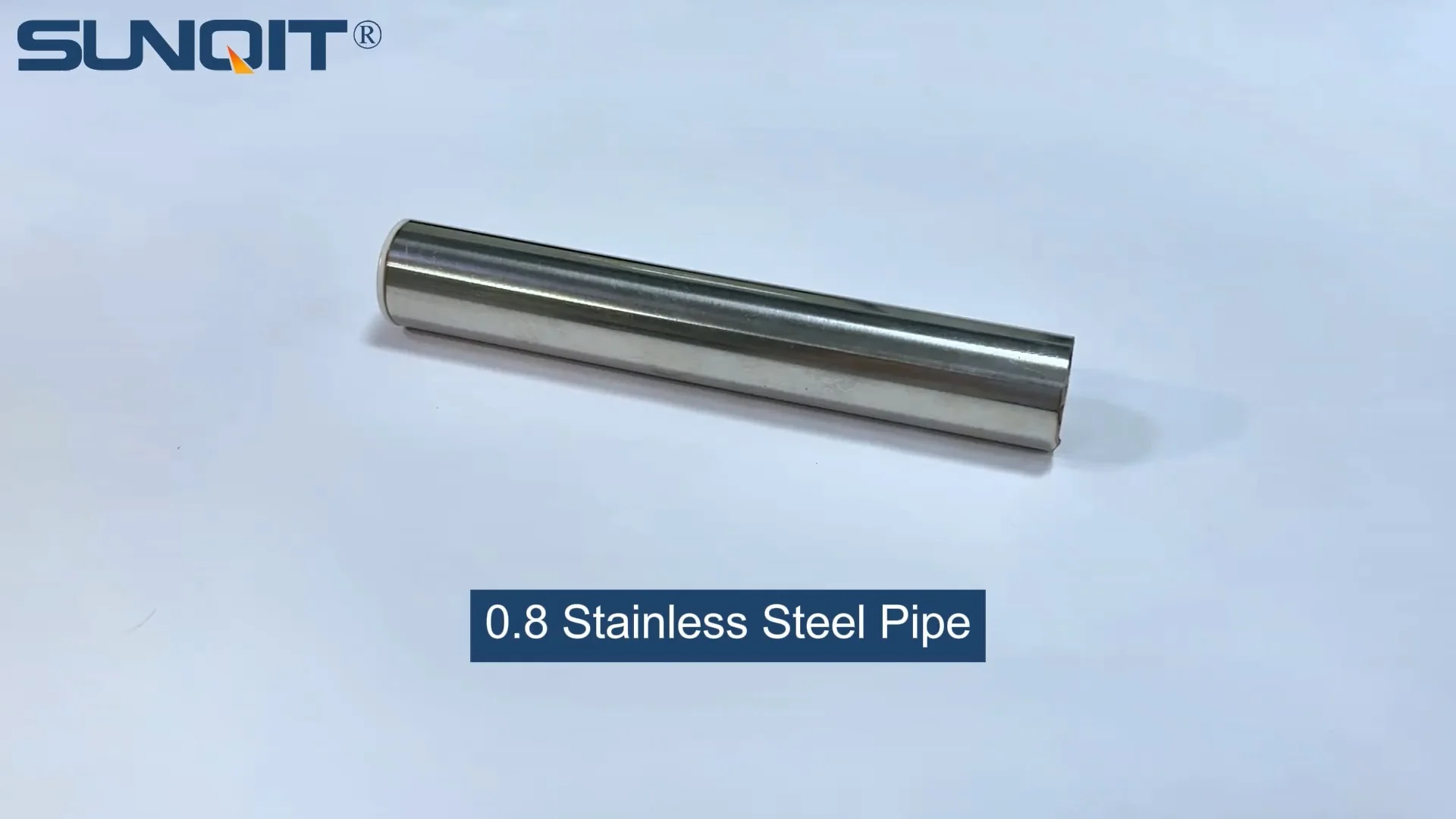
How this versatile material stands up to moisture, salt, and daily wear—keeping factories, workbenches, and production lines running smoothly
The Hidden Challenge of Humid Workspaces
Walk into any manufacturing plant, food processing facility, or coastal warehouse, and you'll notice a silent enemy: humidity. It's in the thick, sticky air of tropical factories, the salt-laden breeze of coastal workshops, and even the steam-filled corners of commercial kitchens. While we often focus on machinery performance or workflow efficiency, the materials that hold these spaces together—like pipes, frames, and workbench supports—are quietly battling a relentless threat: corrosion.
Rust isn't just an eyesore. A corroded pipe can weaken a workbench, cause a roller track to jam, or even lead to equipment failure. In industries where precision and safety matter, this isn't just a maintenance headache—it's a risk to productivity, worker safety, and bottom lines. That's why more and more operations are turning to stainless steel pipe series, specifically 1.0mm variants, to combat the damp conditions that eat away at lesser materials.
But what makes 1.0mm stainless steel pipe so special? And how does it hold up when humidity levels soar? Let's dive into the science, the real-world applications, and why choosing the right supplier matters just as much as the material itself.
What Makes Stainless Steel "Stainless"?
Stainless steel gets its name from a simple but powerful trick: it fights rust by creating its own shield. At the heart of this magic is chromium, a metal that makes up at least 10.5% of stainless steel's composition. When chromium reacts with oxygen in the air, it forms a thin, invisible layer of chromium oxide on the surface. This layer isn't just a coat of paint—it's part of the metal itself. If the surface gets scratched, the chromium quickly reforms the layer, healing the "wound" and preventing rust from taking hold.
But not all stainless steel is created equal. The 1.0mm pipes we're focusing on often fall into two common grades: 304 and 316. Each has its own superpowers when it comes to corrosion resistance, especially in humid environments. Let's break them down:
| Stainless Steel Grade | Key Alloy Additions | Corrosion Resistance | Best For |
|---|---|---|---|
| 304 | 18% chromium, 8% nickel | Excellent against water, mild acids, and general humidity | Indoor workshops, dry warehouses, standard manufacturing lines |
| 316 | 16% chromium, 10% nickel, 2-3% molybdenum | Superior resistance to saltwater, chlorides, and heavy humidity | Coastal facilities, food processing, chemical plants, marine environments |
The molybdenum in 316 grade is a game-changer for humid, salty, or chemical-rich spaces. It (strengthens) the chromium oxide layer, making it more resistant to pitting and crevice corrosion—two common issues in damp environments where water can pool in joints or cracks. For 1.0mm pipes, this added protection is crucial, as their thinner walls (compared to 1.5mm or 2.0mm options) leave less room for error.

Why 1.0mm Thickness? The Sweet Spot of Strength and Flexibility
At first glance, you might think: "Thicker is better, right?" While a 2.0mm pipe might seem sturdier, 1.0mm stainless steel pipe hits a rare balance that makes it ideal for humid workspaces. Let's unpack why thickness matters here.
Durability Without the Bulk
1.0mm walls are thick enough to withstand daily wear—think leaning workbenches, rolling carts bumping into frames, or tools being set down roughly—without adding unnecessary weight. In humid environments, where corrosion can weaken materials over time, this thickness provides a reliable buffer. It's strong enough to support shelving, roller tracks, and workbench frames, but light enough to keep installations agile. For example, a lean pipe supplier might use 1.0mm pipes to build modular workstations that can be reconfigured as workflows change, without sacrificing stability.
Cost-Effective and Resource-Smart
Thinner pipes use less material, which translates to lower costs—both upfront and for shipping. In large-scale operations, where hundreds of meters of pipe might be needed for roller tracks or racking, this adds up. And because stainless steel is 100% recyclable, choosing a 1.0mm option (which uses less raw material) aligns with sustainability goals, a priority for many modern businesses.
Precision for Tight Spaces
Humid workspaces are often cramped: think narrow production lines in food factories or cluttered workshops where every inch counts. 1.0mm pipes have a slimmer profile, making them easier to fit into tight corners or integrate with existing equipment. This is especially useful for roller tracks, where a bulky frame might disrupt the flow of materials. A slimmer pipe also means lighter structures, which puts less strain on caster wheels and joints—critical in environments where rust could already be weakening connections.

Real-World Applications: Where 1.0mm Stainless Steel Shines
Talk to any lean pipe supplier, and they'll tell you: 1.0mm stainless steel pipe isn't just a material—it's a solution. Here are three common scenarios where it outperforms other options in humid environments:
Workbenches: The Heart of the Workshop
A workbench is more than a table; it's the command center of a workspace. In humid settings, wooden benches warp, painted steel rusts, and plastic melts under heat. Stainless steel workbenches, built with 1.0mm pipes, stay level, clean, and rust-free. Imagine a seafood processing plant: saltwater sprays, constant cleaning with harsh detergents, and 90% humidity. A stainless steel frame here doesn't just resist rust—it also stands up to sanitizing chemicals that would eat through other materials. Plus, the smooth surface is easy to wipe down, reducing bacterial growth—a must for food or pharmaceutical industries.
Roller Tracks: Keeping Materials Flowing
Roller tracks are the circulatory system of manufacturing, moving parts, packages, and raw materials from station to station. When humidity strikes, rust can gum up rollers, causing jams and slowdowns. 1.0mm stainless steel roller tracks avoid this in two ways: first, the corrosion-resistant surface keeps rollers spinning freely; second, the thin profile allows for tighter bends and more flexible layouts, which is key in space-constrained, humid facilities like coastal warehouses. Even better, stainless steel roller tracks pair seamlessly with plastic or rubber roller guides (like the yellow or grey plastic roller track guide rails mentioned in supplier catalogs), creating a low-friction system that resists both moisture and wear.
Turnover Trolleys and Racks: Mobile Storage That Lasts
Turnover trolleys—those handy carts used to move tools, parts, or finished products—take a beating. They're wheeled over wet floors, left outside during loading/unloading, and stacked with heavy items. A trolley frame made with 1.0mm stainless steel pipe won't rust at the joints, even when caster wheels kick up water or debris. The lightweight nature of 1.0mm pipe also makes the trolley easier to maneuver, reducing strain on workers. In humid greenhouses, for example, where metal tools often corrode overnight, stainless steel trolleys stay bright and functional for years.
The Role of the Lean Pipe Supplier: Quality Matters Most
Not all stainless steel pipe is created equal. Even with the right grade (304 or 316) and thickness (1.0mm), poor manufacturing can undo its corrosion-resistant properties. That's why choosing a reputable lean pipe supplier is just as important as choosing the material itself.
What to Look for in a Supplier
- Certified Materials: A trustworthy supplier will provide certificates of compliance, proving their stainless steel meets industry standards (like ASTM or EN specifications). This ensures the chromium and nickel content is exactly as advertised—no cutting corners on alloys that fight rust.
- Smooth Finishes: Rough or pitted surfaces are magnets for moisture and bacteria. High-quality 1.0mm pipes have a smooth, consistent finish (often brushed or polished) that minimizes crevices where water can collect.
- Precision Joints: When pipes connect to fittings or roller track connectors, gaps can trap water. A good supplier offers tight-tolerance joints and accessories (like internal rotary aluminum joints or stainless steel swivel roller balls) that seal out moisture.
- Custom Solutions: Every workspace is unique. A supplier that offers custom cuts, pre-assembled frames, or tailored roller track systems can help you avoid over-engineering (and over-spending) while ensuring the final product fits your humid environment perfectly.
One lean pipe supplier we spoke to, based in a coastal industrial zone, shared a telling example: A local seafood processor once replaced all their carbon steel workbench frames with 1.0mm 316 stainless steel pipes. Within a year, maintenance calls for rust-related issues dropped by 75%, and workers reported the benches felt "sturdier"—even though the pipes were thinner. The secret? The supplier's precision manufacturing ensured tight joints and a flawless finish, leaving no weak points for humidity to attack.
Case Study: A Bakery's Battle Against Tropical Humidity
Let's zoom in on a real-world success story. "Sunrise Bakeshop" is a mid-sized bakery in Southeast Asia, where average humidity hovers around 85% year-round. Their production line relied on wooden workbenches and carbon steel roller tracks to move dough trays and baked goods. Within six months of opening, the wooden benches warped, and the steel tracks began rusting, leaving orange streaks on dough trays and jamming the line weekly.
The solution? They partnered with a lean pipe supplier to rebuild their workspace using 1.0mm 304 stainless steel pipes. The workbenches were fitted with aluminum honeycomb panels (for heat resistance) and stainless steel frames. The roller tracks were upgraded to 40 steel roller track with yellow wheels, paired with plastic roller track guide rails to reduce friction. Even the caster wheels on their ingredient trolleys were swapped for stainless steel variants.
Results? Two years later, the bakery reports zero rust on frames or tracks. Maintenance time spent cleaning rust dropped from 10 hours/week to less than 1 hour. And because the stainless steel surfaces are easier to sanitize, they passed their food safety audits with flying colors. "We used to worry about rust flakes getting into dough," said the operations manager. "Now, we forget the pipes are even there—they just work."
Maintaining Your Investment: Tips for Longevity
Stainless steel is tough, but it's not invincible. Even 1.0mm 316 pipes need a little care to stay corrosion-free in humid environments. Here's how to keep them in top shape:
1. Clean Regularly—But Gently
Wipe down pipes and frames with a soft cloth and mild detergent (avoid bleach or abrasive cleaners, which can damage the chromium oxide layer). In salty or chemical environments, a weekly rinse with fresh water helps wash away corrosive residues.
2. Dry Thoroughly
After cleaning, dry surfaces with a lint-free towel—especially in crevices like roller track joints or workbench corners where water can pool. A quick blast of compressed air can reach tight spots.
3. Inspect for Scratches
Deep scratches can break the chromium oxide layer, leaving the metal vulnerable. If you notice a scratch, gently buff it with a fine-grit sandpaper (400-600 grit) and apply a stainless steel polish to encourage the layer to reform.
4. Avoid Contact with Carbon Steel
Carbon steel tools or fasteners can leave iron particles on stainless steel, which can rust and spread. Use stainless steel or plastic tools when working on frames, and keep carbon steel equipment separate.
Beyond Pipes: Building a Humidity-Resistant Ecosystem
1.0mm stainless steel pipe is a star player, but it works best when paired with other humidity-resistant components. Think of it as a team: pipes, joints, roller tracks, and even caster wheels all need to pull their weight.
For example, using aluminum guide rails with stainless steel roller tracks reduces metal-on-metal contact, lowering the risk of corrosion. Swivel roller balls (like 1-inch stainless steel variants) add smooth movement without trapping moisture. And choosing ESD workbench tops (electrostatic discharge-safe) with stainless steel frames ensures both corrosion resistance and safety in electronics manufacturing—where humidity and static are dual threats.
Many lean pipe suppliers now offer "humidity-resistant kits" that bundle these components, taking the guesswork out of building a durable workspace. These kits often include 1.0mm stainless steel pipes, stainless steel joints, plastic roller track guides, and corrosion-resistant caster wheels—everything needed to create a system that laughs in the face of humidity.
Final Thoughts: Investing in Long-Term Resilience
Humidity might be silent, but its impact is loud. Corroded pipes, jammed roller tracks, and warped workbenches don't just slow down production—they erode trust in your workspace. 1.0mm stainless steel pipe, especially in 316 grade, isn't just a material upgrade; it's an investment in peace of mind.
By balancing strength, flexibility, and corrosion resistance, it stands up to the dampest, saltiest, and most challenging environments. And when paired with a reliable lean pipe supplier and smart maintenance habits, it becomes a foundation for efficient, safe, and long-lasting operations.
So the next time you walk through a humid workspace, take a closer look at the pipes and frames holding it together. Chances are, if they're shining bright and rust-free, they're 1.0mm stainless steel—and they're quietly keeping the world of work moving, one corrosion-free day at a time.