- Company Articles
- Products and Technology
- Product knowledge
- Corrosion Resistance of 2020 Aluminum Profile End Caps: Why It Matters

Corrosion Resistance of 2020 Aluminum Profile End Caps: Why It Matters
Related Product
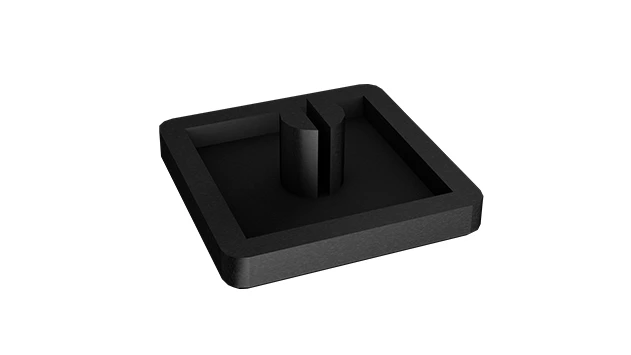
2020 Aluminum Profile End Cap
The aluminum profile end cap adds a finishing touch to your project and closes off profile ends to limit dust and debris buildup, also it can avaid some scratch for material and labor during the assemble work.
The Unsung Heroes of Aluminum Extrusion Profiles
Walk into any manufacturing plant, warehouse, or workshop, and you'll likely spot rows of sturdy structures—workbenches, material racks, assembly lines—crafted from aluminum extrusion profiles. These lightweight yet durable frameworks are the backbone of modern lean systems, streamlining workflows and boosting productivity. But look closer at the ends of these profiles, and you'll notice small, unassuming components that play a critical role in keeping everything running smoothly: 2020 aluminum profile end caps. These tiny caps might seem like afterthoughts, but their ability to resist corrosion can make or break the longevity and reliability of the entire structure.
Aluminum extrusion profiles, including the popular 2020 series, are prized for their strength, versatility, and cost-effectiveness. Their hollow, T-slot design allows for easy customization with accessories like brackets, panels, and shelves, making them ideal for everything from simple workbenches to complex lean system setups. However, this hollow design also leaves them vulnerable. Without proper protection, the open ends of the profiles can become entry points for moisture, dust, and chemicals—all of which trigger corrosion. That's where 2020 aluminum profile end caps step in: they seal the profile's ends, blocking contaminants and safeguarding the structural integrity of the entire framework.
For manufacturers, facility managers, and lean system suppliers, understanding the importance of corrosion resistance in these end caps isn't just about maintenance—it's about protecting investments, ensuring safety, and maintaining operational efficiency. In this article, we'll dive into why corrosion resistance matters, how it impacts everyday operations, and what makes 2020 aluminum profile end caps a critical component in the world of industrial and commercial infrastructure.
What Is Corrosion, and Why Should You Care?
Corrosion is the silent enemy of metal structures. It's the gradual degradation of materials caused by chemical reactions with their environment—think rust on steel or the white, powdery film that forms on unprotected aluminum. While aluminum naturally forms a thin oxide layer that resists corrosion, this layer isn't indestructible. When exposed to moisture, salt, acids, or industrial chemicals, the oxide layer can break down, leading to pitting, cracking, or weakening of the metal.
In the context of aluminum extrusion profiles, corrosion starts small but spreads quickly. If moisture seeps into an unprotected profile end, it can accumulate inside the hollow tube, corroding the inner surfaces. Over time, this internal corrosion weakens the profile, compromising its load-bearing capacity. A workbench with a corroded profile might start to wobble; a material rack could sag under weight; a conveyor system in a lean setup might jam or fail. The consequences aren't just structural—they're financial. Repairing or replacing corroded profiles costs time and money, disrupts production, and increases the risk of workplace accidents.
This is where the corrosion resistance of 2020 aluminum profile end caps becomes non-negotiable. A high-quality end cap acts as a barrier, preventing moisture and chemicals from entering the profile. It also protects the exposed edges of the profile from physical damage, which can create weak points for corrosion to take hold. For industries like food processing (where washdowns with caustic cleaners are common), electronics manufacturing (with strict humidity controls), or automotive production (exposed to oils and coolants), corrosion-resistant end caps aren't just a luxury—they're a necessity.

How 2020 Aluminum Profile End Caps Fight Corrosion
Not all end caps are created equal. The materials, design, and manufacturing processes used to make 2020 aluminum profile end caps directly impact their ability to resist corrosion. Let's break down the key factors that make some end caps more corrosion-resistant than others.
Material Matters: Choosing the Right Base
Most 2020 aluminum profile end caps are made from one of three materials: plastic (nylon or polypropylene), aluminum, or stainless steel. Each has its own strengths when it comes to corrosion resistance:
- Plastic (Nylon/Polypropylene): These are the most common and affordable options. Plastics are inherently resistant to water, oils, and many chemicals, making them ideal for general-purpose use. Nylon end caps, in particular, offer good impact resistance and can withstand temperatures up to 80°C (176°F), while polypropylene handles higher heat (up to 100°C/212°F) and is more resistant to acids. However, they may degrade over time in direct sunlight or extreme UV exposure.
- Aluminum: Aluminum end caps are a popular choice for applications where aesthetics or conductivity matter. Since they're made from the same material as the profile, they blend seamlessly, creating a uniform look. To boost corrosion resistance, aluminum end caps are often anodized—a process that thickens the natural oxide layer, making them more resistant to saltwater, moisture, and mild chemicals. Anodized aluminum end caps are a staple in marine, food processing, and outdoor environments.
- Stainless Steel: For the harshest environments (think chemical plants, coastal areas, or high-humidity labs), stainless steel end caps are the gold standard. Stainless steel contains chromium, which forms a passive oxide layer that self-heals when damaged, providing exceptional resistance to rust, acids, and salt spray. They're more expensive than plastic or aluminum but offer unmatched durability in corrosive conditions.
Design: More Than Just a Plug
A well-designed end cap doesn't just cover the profile's end—it seals it tightly. Look for end caps with a snug, friction-fit design that creates a watertight barrier. Some high-end models even include rubber gaskets or O-rings to enhance the seal, preventing moisture from seeping in around the edges. Additionally, end caps with smooth, non-porous surfaces are easier to clean, reducing the buildup of dirt and bacteria that can trap moisture and accelerate corrosion.
Manufacturing Precision: Consistency Counts
Poorly manufactured end caps—those with rough edges, inconsistent sizing, or weak material bonds—are prone to failure. For example, a plastic end cap with a thin wall might crack under stress, creating gaps for moisture. Similarly, an aluminum end cap with uneven anodization could have weak spots where corrosion starts. Reputable suppliers invest in precision molding and machining to ensure every end cap meets strict quality standards, from material thickness to fit tolerance.

Real-World Impact: How Corrosion-Resistant End Caps Save Time and Money
To understand why corrosion resistance in 2020 aluminum profile end caps matters, let's look at three industries where these components play a make-or-break role:
1. Automotive Manufacturing: Lean Systems Under Pressure
Automotive plants rely heavily on lean systems—conveyor belts, assembly workstations, and parts racks—to keep production lines moving. These systems operate in environments with high humidity, lubricants, and cleaning agents. Without corrosion-resistant end caps, aluminum profiles in workbenches and material racks would quickly degrade. A single corroded end cap could lead to a wobbly workstation, causing assembly errors or even worker injuries. By using anodized aluminum or stainless steel end caps, automotive manufacturers reduce downtime, lower maintenance costs, and extend the lifespan of their lean systems by 30–50%.
2. Food Processing: Hygiene and Durability
Food processing facilities require strict hygiene standards, with daily washdowns using hot water, detergents, and sanitizers. Plastic end caps made from food-grade polypropylene are a popular choice here because they're non-porous (preventing bacterial growth), resistant to caustic cleaners, and easy to sanitize. In contrast, unprotected aluminum end caps would corrode quickly under constant exposure to water and chemicals, creating cracks where bacteria could hide. For meat or seafood processing—where saltwater is also a factor—stainless steel end caps are often used to ensure compliance with food safety regulations.
3. Electronics Production: Controlling Static and Moisture
Electronics manufacturing facilities are sensitive environments where static electricity and moisture can damage components. ESD (Electrostatic Discharge) workbenches, often built with aluminum extrusion profiles, require end caps that won't generate static and can withstand controlled humidity levels. Conductive nylon end caps, filled with carbon fibers, are used here to dissipate static charges. They also resist corrosion from the alcohol-based cleaners used to sanitize work surfaces, ensuring the workbench remains safe and functional for sensitive electronics assembly.
The Cost of Cutting Corners: What Happens When End Caps Fail
It's tempting to opt for cheap, low-quality end caps to save a few dollars, but the long-term costs of corrosion can be staggering. Let's break down the hidden expenses of using non-corrosion-resistant end caps:
1. Maintenance and Replacement Costs
Corroded end caps don't just look bad—they fail to protect the aluminum profile. Once moisture seeps into the profile, internal corrosion begins. Over time, the profile's walls thin, weakening its structural integrity. Repairing or replacing a corroded profile is far more expensive than replacing an end cap. For example, a single 2020 aluminum profile might cost $10–$20, while a corrosion-resistant end cap costs $0.50–$5. Multiply that by hundreds of profiles in a factory, and the savings add up quickly.
2. Downtime and Lost Productivity
When a workbench or material rack fails due to corrosion, production grinds to a halt. Workers can't perform their tasks, deadlines are missed, and overtime costs pile up. In a lean system—where every minute counts—unplanned downtime can cost thousands of dollars per hour. For example, a automotive assembly line with a corroded conveyor rail might lose $50,000 in productivity for each hour it's down. Investing in corrosion-resistant end caps is a small price to pay to avoid these losses.
3. Safety Risks
Corroded structures pose serious safety hazards. A weakened workbench could collapse under the weight of tools or materials, injuring workers. A corroded material rack might drop heavy parts, causing damage or injury. In industries like construction or warehousing, where OSHA regulations are strict, safety failures can lead to fines, lawsuits, and reputational damage. Corrosion-resistant end caps help ensure structures remain stable and safe for years.
4. Aesthetic Degradation
First impressions matter, especially for businesses that welcome clients or auditors. Rusty, corroded end caps make a facility look unprofessional and poorly maintained. This can damage relationships with clients, who may question the quality of your products if your workspace is in disrepair. Corrosion-resistant end caps keep structures looking clean and well-maintained, reflecting positively on your brand.
Choosing the Right End Cap: A Buyer's Guide
Now that you understand why corrosion resistance matters, how do you choose the right 2020 aluminum profile end cap for your needs? Here's a step-by-step guide:
Step 1: Assess Your Environment
Start by evaluating the conditions your end caps will face: humidity levels, exposure to chemicals (oils, acids, cleaners), temperature extremes, and UV exposure. For example:
- General manufacturing/warehousing: Standard nylon or polypropylene end caps will suffice.
- High humidity/occasional water exposure: Anodized aluminum end caps.
- Chemical exposure/food processing: Polypropylene or stainless steel end caps.
- Outdoor/coastal areas: Stainless steel or UV-stabilized plastic end caps.
Step 2: Consider the Profile's Purpose
What's the profile being used for? A workbench in a lab will have different needs than a material rack in a warehouse. For load-bearing structures, prioritize end caps with a snug fit and impact resistance (nylon or aluminum). For ESD-sensitive areas, choose conductive nylon. For aesthetics, aluminum end caps that match the profile's finish are best.
Step 3: Check for Quality Certifications
Reputable suppliers will provide certifications for their end caps, such as RoHS compliance (for electronics), FDA approval (for food contact), or salt spray test results (for corrosion resistance). Don't hesitate to ask for these—they're a sign the supplier takes quality seriously.
Step 4: Compare Costs vs. Lifespan
While plastic end caps are cheaper upfront, they may need replacement every 2–3 years in harsh environments. Stainless steel end caps, though more expensive, can last 10+ years. Calculate the total cost of ownership (initial cost + replacement frequency) to make the best choice for your budget.
Corrosion Resistance by the Numbers: A Comparative Table
| End Cap Material | Corrosion Resistance Level | Best For | Estimated Lifespan (Years) | Cost Range (Per Unit) |
|---|---|---|---|---|
| Nylon | Good (resists water, oils, mild chemicals) | General manufacturing, dry environments | 2–5 | $0.50–$2.00 |
| Polypropylene | Very Good (resists acids, high heat) | Food processing, chemical labs | 3–7 | $0.80–$3.00 |
| Anodized Aluminum | Very Good (resists saltwater, moisture) | Marine, high humidity, outdoor use | 5–10 | $2.00–$5.00 |
| Stainless Steel | Excellent (resists rust, acids, salt spray) | Coastal areas, chemical plants, extreme environments | 10–15+ | $5.00–$10.00 |
Final Thoughts: Invest in the End to Protect the Whole
2020 aluminum profile end caps may be small, but their impact on the durability, safety, and efficiency of aluminum extrusion structures is enormous. By prioritizing corrosion resistance, you're not just buying a better end cap—you're protecting your entire lean system, workbench, or material rack from the silent threat of corrosion. Whether you're a lean system supplier looking to deliver reliable products, a factory manager aiming to reduce downtime, or a business owner invested in long-term efficiency, choosing the right end cap is a decision that pays dividends for years to come.
In the world of industrial infrastructure, it's often the smallest components that make the biggest difference. Don't overlook the power of a corrosion-resistant end cap—it's the first line of defense in keeping your aluminum extrusion profiles strong, safe, and ready to perform.