- Company Articles
- Products and Technology
- Product knowledge
- Corrosion Resistance of 3030 Aluminum Profile End Caps: Outdoor Use Guide

Corrosion Resistance of 3030 Aluminum Profile End Caps: Outdoor Use Guide
Related Product
3030 Aluminum Profile End Cap
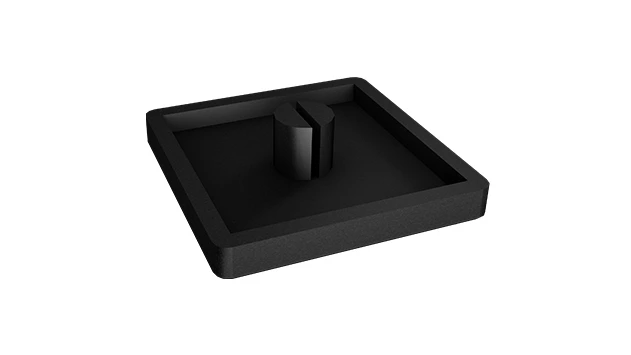
The aluminum profile end cap adds a finishing touch to your project and closes off profile ends to limit dust and debris buildup, also it can avaid some scratch for material and labor during the assemble work.
Introduction: The Unsung Hero of Outdoor Industrial Setups
When we talk about outdoor industrial spaces—whether it's a manufacturing plant's open-air assembly area, a warehouse loading dock exposed to the elements, or a lean system setup in a construction yard—our attention often goes to the big-ticket items: sturdy workbenches, heavy-duty racks, or robust conveyor systems. But if there's one small component that quietly ensures these setups stand the test of time, it's the humble end cap. Specifically, the 3030 aluminum profile end cap. These unassuming pieces might seem trivial, but in outdoor environments where rain, humidity, UV rays, and industrial pollutants lurk, their corrosion resistance isn't just a feature—it's a lifeline for your equipment's longevity and safety.
In this guide, we'll dive into why corrosion resistance matters for outdoor use, how 3030 aluminum profile end caps are engineered to fight off the elements, their real-world applications in lean system setups, and how to choose, install, and maintain them to get the most out of your investment. Whether you're a facility manager, a procurement officer, or a small business owner setting up outdoor workspaces, understanding the role of these end caps will save you from costly repairs, frequent replacements, and unexpected downtime down the line.
Why Corrosion Resistance Matters for Outdoor Use: More Than Just Rust
Corrosion isn't just about unsightly rust or a dull finish. In outdoor industrial settings, it's a silent saboteur that can compromise structural integrity, safety, and your bottom line. Let's break down the risks:
Weather Warfare: Rain, snow, and high humidity create the perfect breeding ground for corrosion. Water seeps into gaps, freezes (expanding and cracking materials), and reacts with metal surfaces. Even in dry climates, morning dew or coastal salt spray can accelerate degradation.
UV Radiation: Sunlight doesn't just fade colors—it weakens materials. Over time, UV rays can break down plastic end caps, making them brittle, while unprotected metal becomes more susceptible to oxidation.
Industrial Pollutants: Factories, construction sites, and urban areas release chemicals like sulfur dioxide or nitrogen oxides. These mix with moisture to form acids, which eat away at unprotected surfaces, leading to pitting, flaking, and structural weakness.
The Cost of Cutting Corners: Imagine installing a sleek aluminum extrusion profile workbench outdoors, only to use cheap plastic end caps. Within a year, the plastic cracks, letting water into the profile's hollow core. The aluminum inside starts to corrode, weakening the bench's legs. Suddenly, what was supposed to be a durable workspace becomes a safety hazard, requiring replacement parts or even a full overhaul. That's not just an expense—it's a waste of time and resources.
Corrosion-resistant end caps like the 3030 aluminum profile end cap aren't just about avoiding these headaches. They're about preserving the integrity of your entire setup, from the smallest aluminum profile accessories to the largest lean system structures.

The Science Behind 3030 Aluminum Profile End Caps: Built to Resist
So, what makes 3030 aluminum profile end caps stand out in the fight against corrosion? It starts with their DNA—high-quality aluminum extrusion profile—and ends with smart design choices that leave no room for the elements to sneak in.
1. The Aluminum Advantage: Nature's Own Shield
At the core of these end caps is aluminum, a metal that's inherently corrosion-resistant. Most 3030 end caps are crafted from aluminum extrusion profile made from alloys like 6063, a common choice for industrial applications. Here's why aluminum is a champion:
The Invisible Armor: Aluminum naturally forms a thin, protective oxide layer (alumina) when exposed to air. This layer is just a few nanometers thick, but it's dense, self-healing, and impermeable to water and oxygen. Even if scratched, the metal reacts with oxygen again to rebuild this shield—no extra treatment needed.
Lightweight Yet Strong: Unlike steel, aluminum doesn't rust. Its corrosion resistance doesn't come at the cost of strength; 6063 aluminum offers excellent structural stability, making it ideal for load-bearing components like end caps that need to stay snug and secure.
2. Surface Treatments: Boosting the Defense
While aluminum's natural oxide layer is impressive, manufacturers often enhance 3030 end caps with additional treatments to supercharge their resistance:
- Anodizing: This electrochemical process thickens the natural oxide layer, making it even more durable and resistant to scratches, UV rays, and chemicals. Anodized end caps come in various colors, so they don't just protect—they look good too.
- Powder Coating: A dry powder is electrostatically applied and baked onto the surface, forming a tough, chip-resistant layer. It adds an extra barrier against moisture and UV damage, and it's available in a wide range of hues to match your setup's aesthetic.
3. Design: Keeping the Elements Out
Even the best materials can fail if the design is flawed. 3030 aluminum profile end caps are engineered to fit snugly into the ends of 3030 aluminum profiles (named for their 30mm x 30mm dimensions). This tight fit minimizes gaps where water, dust, or debris could accumulate. Many end caps also feature a slightly tapered edge or ribbed interior, ensuring they lock into place without wiggle room—no more water seeping into the profile's hollow core and causing internal corrosion.

3030 End Caps vs. the Competition: A Corrosion Showdown
Not all end caps are created equal. Let's see how 3030 aluminum profile end caps stack up against common alternatives in outdoor settings:
| Material | Corrosion Resistance (Outdoor) | Durability | Maintenance Needs | Best For |
|---|---|---|---|---|
| 3030 Aluminum Profile End Cap | Excellent (natural oxide layer + optional anodizing/powder coating) | High (resists cracking, UV damage, and impact) | Low (occasional cleaning with soap and water) | Long-term outdoor use, lean systems, heavy-duty setups |
| Plastic End Caps | Poor to Fair (prone to UV degradation and brittleness over time) | Low (cracks in extreme temps; not impact-resistant) | High (frequent replacement needed) | Temporary indoor use or dry, sheltered outdoor areas |
| Steel End Caps | Fair (rusts without constant coating; heavy) | High (but corrosion weakens structural integrity) | Medium-High (regular painting/coating to prevent rust) | Indoor industrial use with strict weight requirements |
The verdict? For outdoor environments, 3030 aluminum profile end caps are the clear winner. They offer the best balance of corrosion resistance, durability, and low maintenance—no surprise they're the go-to choice for aluminum profile suppliers and lean system operators alike.
Outdoor Applications: Where 3030 End Caps Shine
3030 aluminum profile end caps aren't just a theoretical solution—they're hard at work in real-world outdoor setups. Here are some common applications where their corrosion resistance makes all the difference:
1. Lean System Setups
Lean systems thrive on efficiency, and that includes durability. Outdoor lean workbenches, flow racks, or material racks (like "material rack b (3 row and 3 floor)" from many suppliers) rely on aluminum extrusion profile frames. 3030 end caps ensure these structures stay stable and rust-free, even when exposed to rain during loading/unloading or morning dew in open yards. Imagine a flow rack used to transport parts between outdoor and indoor areas—without corrosion-resistant end caps, water could seep into the profile, weakening the rack and risking part damage.
2. Construction Sites
Temporary offices, tool storage racks, or mobile workstations on construction sites face extreme conditions: rain, mud, concrete dust, and temperature swings. 3030 aluminum end caps keep water and debris out of aluminum profile frames, ensuring these setups last the duration of the project (and beyond, if repurposed).
3. Agricultural and Coastal Settings
Farms near the coast deal with salt spray, while greenhouses have high humidity. 3030 end caps resist salt-induced corrosion and moisture, making them ideal for aluminum profile accessories like plant racks, tool storage, or feeding stations. In coastal areas, even a small amount of salt in the air can eat away at unprotected metal—aluminum's natural resistance is a game-changer.
4. Outdoor Storage and Transportation
Racks for storing equipment outdoors, or aluminum profile-based trolleys used to move goods between buildings, need to withstand the elements. 3030 end caps ensure these storage solutions don't degrade, keeping your tools and products safe from rust or contamination.
Installing 3030 End Caps for Outdoor Success: Pro Tips
Even the best end caps won't perform if installed incorrectly. Follow these steps to maximize corrosion resistance:
1. Prep the Profile: Before installing, clean the end of the aluminum extrusion profile with a mild solvent (like isopropyl alcohol) to remove dirt, oil, or debris. A clean surface ensures the end cap fits tightly and forms a better seal.
2. Check the Fit: Not all "3030" profiles are identical—some may have slightly different tolerances. Buy end caps from a reputable aluminum profile supplier who guarantees compatibility with their profiles. A snug fit is key—too loose, and water gets in; too tight, and you risk damaging the end cap or profile.
3. Use the Right Tools: Most 3030 end caps press-fit into place (no screws needed), but for extra security in high-vibration areas, some designs include small holes for self-tapping screws. Use a manual screwdriver (not a power drill) to avoid overtightening and cracking the end cap.
4. Seal the Deal (Optional): For extreme environments (like coastal salt spray or heavy industrial pollution), apply a thin bead of silicone sealant around the edge of the end cap after installation. This adds an extra barrier against water and chemicals.
5. Inspect Regularly: After installation, check end caps monthly for signs of loosening or damage—especially after storms or temperature extremes. Tighten or replace as needed to maintain that critical seal.
Maintenance 101: Keeping Your End Caps (and Setup) in Top Shape
One of the best things about 3030 aluminum profile end caps is how little maintenance they need. But a little care goes a long way:
Cleaning: Wipe end caps with a soft cloth and mild soap and water every 3-6 months (more often in dusty or polluted areas). Avoid abrasive cleaners or scouring pads—they can scratch the surface, compromising the oxide layer or coatings.
Inspection: Look for signs of corrosion (unusual discoloration, pitting, or flaking), cracks, or looseness. If you spot any, replace the end cap immediately—small issues can escalate quickly in outdoor environments.
Repair vs. replace: Minor scratches on anodized or powder-coated end caps can often be touched up with matching paint or sealant. But if the damage is deep (exposing raw aluminum) or the end cap is cracked, replace it. Aluminum profile accessories are affordable, and replacing a $5 end cap is cheaper than fixing a corroded $500 profile.
Choosing the Right Aluminum Profile Supplier: Your Partner in Corrosion Resistance
The quality of your 3030 aluminum profile end caps depends largely on where you buy them. A reliable aluminum profile supplier will:
1. Offer Material Certifications: Ask for specs on the aluminum alloy (e.g., 6063) and any surface treatments (anodizing thickness, powder coating type). Reputable suppliers test their products for corrosion resistance and can provide data to back it up.
2. Stock Compatible Accessories: They'll carry not just end caps, but all the aluminum profile accessories you need—like brackets, connectors, or caster wheels—ensuring everything works together seamlessly.
3. Provide Expert Advice: A good supplier will ask about your application (outdoor vs. indoor, climate, load requirements) and recommend the best end cap (e.g., anodized vs. powder-coated) for your needs. They won't just sell you a product—they'll help you solve a problem.
4. Stand Behind Their Products: Look for warranties or return policies. If an end cap fails prematurely due to manufacturing defects, a reputable supplier will replace it without hassle.
Conclusion: Invest in the Small Stuff, Protect the Big Picture
3030 aluminum profile end caps might be small, but their impact on your outdoor industrial setup is huge. By choosing corrosion-resistant aluminum end caps, you're not just buying a part—you're investing in the longevity of your lean system, the safety of your team, and the efficiency of your operations. They're a reminder that in engineering, the details matter most.
So, the next time you're setting up an outdoor workspace, don't overlook those end caps. Choose 3030 aluminum profile end caps from a trusted aluminum profile supplier, install them with care, and enjoy the peace of mind that comes with knowing your setup is built to weather whatever the outdoors throws its way. After all, in the world of industrial equipment, durability isn't just a feature—it's the foundation of success.