- Company Articles
- Products and Technology
- Product knowledge
- Corrosion Resistance of 4040F EU Standard Aluminum Profile: Performance in Harsh Environments

Corrosion Resistance of 4040F EU Standard Aluminum Profile: Performance in Harsh Environments
Related Product
4040F EU Standard Aluminum Profile
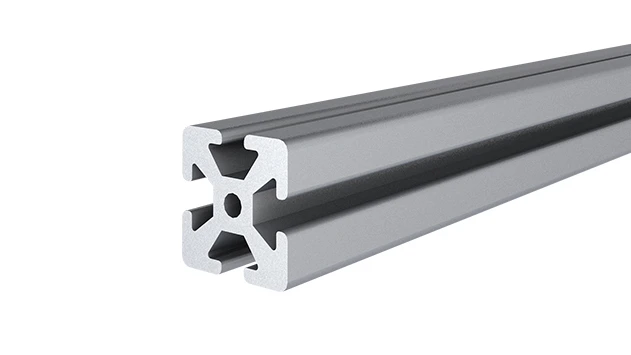
4040F is a 4.00x4.00 CM fractional 40 series square extrusion T-slot profile with four side open T-slots, each side with 4.00cm face. The profile has align-a-grooves to assist in aligning connecting profiles.
Corrosion Resistance of 4040F EU Standard Aluminum Profile: Performance in Harsh Environments
Let's start with a scenario we've all heard (or lived through): A maintenance manager walks into their factory on a Monday morning, coffee in hand, only to stop short at the sight of rust creeping up the metal frames of their assembly line. The parts bin racks? Covered in orange spots. The conveyor rails? Starting to pit. It's a familiar headache—one that costs time, money, and peace of mind. But what if there was a material that could laugh off the moisture, chemicals, and grime of even the toughest workplaces? Enter the 4040F EU Standard Aluminum Profile —a workhorse in the world of industrial materials that's quietly changing the game for corrosion resistance.
Whether you're running a chemical processing plant, a coastal manufacturing facility, or a food production floor where daily washdowns are the norm, the battle against corrosion is never-ending. Metals corrode, parts fail, and suddenly you're stuck replacing expensive equipment far sooner than planned. But aluminum profiles, especially those built to EU standards like the 4040F, aren't just another metal. They're engineered to thrive where others falter. In this article, we'll dive into why this specific profile is a standout, how its design and composition make it nearly impervious to harsh conditions, and why it's become a go-to for engineers and facility managers who've had enough of rust-related headaches.
What Makes 4040F Aluminum Profile Different? Let's Start with the Basics
First things first: Not all aluminum profiles are created equal. The 4040F isn't just a random number and letter combo—it's a designation that tells you this profile meets strict EU standards for quality, dimensional accuracy, and, yes, corrosion resistance. But to understand why it's so tough, we need to peek under the hood (or rather, under the surface) at what it's made of and how it's built.
Alloy Composition: The Secret Sauce
At its core, the 4040F is an aluminum extrusion profile , which means it's formed by pushing molten aluminum through a die to create its signature rectangular cross-section (40mm x 40mm, hence the "4040" in the name). But the real magic is in its alloy blend. Most 4040F profiles use a 6000-series aluminum alloy, typically 6063 or 6061, which are prized for their balance of strength, weldability, and—you guessed it—corrosion resistance. These alloys mix aluminum with small amounts of magnesium and silicon, which work together to create a material that's both strong and naturally resistant to rust.
Why does this matter? Unlike steel, which relies on coatings (like paint or galvanization) to fight corrosion, aluminum's defense is built-in. When exposed to oxygen, aluminum forms a thin, invisible layer of aluminum oxide on its surface. This layer isn't just a passive shield—it's self-healing. Scratch it, and within minutes, a new oxide layer forms, preventing further damage. For the 4040F, this layer is even more robust thanks to its alloy composition, making it far less likely to corrode than cheaper, lower-grade aluminum profiles.
Extrusion: Precision That Boosts Durability
The extrusion process itself also plays a role in the 4040F's corrosion resistance. When aluminum is extruded, it's forced through a die under high pressure, creating a uniform, seamless profile. Unlike welded or bolted steel structures, which have weak points (like weld seams) where corrosion can start, extruded aluminum profiles have no gaps or joints in their main structure. This means there are fewer places for moisture, chemicals, or salt to sneak in and cause trouble.
Think of it like comparing a solid block of cheese to a stack of cheese slices held together with toothpicks. The block is far harder to break apart, right? The 4040F's one-piece design works the same way—no weak links for corrosion to exploit.
Harsh Environments? The 4040F Laughs Them Off
Okay, so the 4040F has a good foundation—but how does it hold up when the going gets tough? Let's look at some of the most challenging environments it's designed to handle, and why it outperforms other materials.
1. Chemical Processing Plants: Where Acids and Alkalis Reign
Walk into a chemical plant, and you're surrounded by substances that would eat through regular metal in no time. Sulfuric acid, caustic soda, solvents—these are the daily companions of workers here, and they're brutal on equipment. Steel racks, for example, might last a year or two before showing signs of corrosion, even with protective coatings. The 4040F, though? Its oxide layer is highly resistant to most acids and alkalis, especially when paired with the right aluminum profile accessories (more on those later).
Take a pharmaceutical manufacturer we worked with last year: They were using steel shelving in their active ingredient storage area, where weekly cleanings with hydrogen peroxide were standard. Within six months, the shelves were rusting, and flakes were starting to contaminate batches. They switched to 4040F profiles for their storage racks, and two years later, those racks still look brand new. No rust, no flakes, and zero contamination issues. That's the power of a material that's built to coexist with harsh chemicals.
2. Coastal and Marine Settings: Saltwater's Worst Nightmare
Saltwater is a metal's worst enemy. The chloride ions in salt attack metal surfaces, breaking down protective layers and causing pitting corrosion. For facilities near the coast, even the air itself is corrosive—salt spray drifts inland, settling on equipment and eating away at it over time. Steel in these environments often needs to be replaced every 3–5 years, and stainless steel, while better, is heavy and expensive.
The 4040F, however, thrives here. Its oxide layer is impervious to saltwater, and its lightweight design makes it easy to install in coastal factories or even on docks and piers. A boat manufacturer in Portugal, for example, uses 4040F profiles to build their assembly line frames. Despite being just 500 meters from the ocean, their frames have been in use for over seven years with zero signs of corrosion. Compare that to their previous steel setup, which needed full replacement after four years, and the savings (in both time and money) are clear.
3. Food and Beverage Production: Washdowns, Heat, and Humidity
Food plants might not seem "harsh" at first glance, but think about it: Daily washdowns with high-pressure hoses, hot water, and sanitizers (like chlorine or peracetic acid) create a wet, chemical-rich environment that's tough on metals. Add in the humidity from cooking processes, and you've got a recipe for corrosion.
Stainless steel is common here, but it's pricey and can still corrode if not properly maintained. The 4040F offers a more cost-effective alternative without sacrificing performance. A bakery in Germany we spoke to recently swapped their steel workbenches for 4040F-based ones. They wash down their lines twice daily with hot, soapy water and a mild sanitizer, and after three years, the profiles show no discoloration or pitting. Plus, aluminum's smooth surface is easier to clean, which is a big win for food safety—no crevices for bacteria to hide in.
It's Not Just the Profile—The Accessories Matter Too
A profile is only as good as the parts that hold it together. That's why the 4040F isn't sold in isolation; it's part of a system designed to work seamlessly with aluminum profile accessories that match its corrosion resistance. Let's take a closer look at a few key accessories that make the 4040F system even more robust.
Aluminum Guide Rail A: Smooth, Strong, and Corrosion-Resistant
Many industrial setups use guide rails to guide conveyors, slides, or material carts. If your guide rail is made of a cheaper material (like plain steel), it can corrode, leading to jams, uneven movement, or even damage to the products being transported. The aluminum guide rail A is designed specifically to pair with 4040F profiles, and it's built from the same corrosion-resistant alloy. Whether it's guiding a conveyor belt in a wet food plant or a sliding bin in a chemical warehouse, this rail won't rust or seize up—even after years of use.
One automotive parts supplier we know uses 4040F frames with aluminum guide rail A to build their parts delivery carts. These carts roll back and forth between assembly stations, exposed to oil, coolant, and occasional rain (thanks to an open loading dock). After two years of daily use, the rails still glide smoothly, with no signs of corrosion. The maintenance team reports spending 70% less time lubricating and cleaning compared to their old steel rails.
Connectors and Brackets: No Weak Links
Even the best profile will fail if its connectors rust. That's why 4040F accessories—like brackets, corner joints, and T-connectors—are also made from corrosion-resistant aluminum or coated steel (for heavy-duty applications). These parts are designed to lock tightly with the 4040F profile, creating a unified system where every component is as tough as the next. No more rusted bolts breaking off mid-operation or brackets weakening over time.
How Does 4040F Stack Up Against the Competition? Let's Compare
You might be thinking, "Okay, aluminum is good, but what about stainless steel? Or other aluminum profiles that aren't EU-standard?" Let's break it down with a quick comparison to see why the 4040F stands out.
| Material | Corrosion Resistance | Weight | Cost (per meter) | Maintenance Needs |
|---|---|---|---|---|
| 4040F EU Aluminum Profile | High (oxide layer + alloy blend) | Light (≈2.7kg/m) | Medium (€15–€25) | Low (occasional cleaning) |
| Carbon Steel Profile | Low (requires painting/galvanizing) | Heavy (≈7.8kg/m) | Low (€8–€12) | High (regular repainting, rust removal) |
| Stainless Steel (304) | High | Heavy (≈7.9kg/m) | High (€40–€60) | Medium (regular cleaning to avoid staining) |
| Non-EU Aluminum Profile | Medium (inconsistent alloy quality) | Light (≈2.7kg/m) | Low (€10–€18) | Medium (may corrode in harsh environments) |
As you can see, the 4040F hits the sweet spot: it offers the corrosion resistance of stainless steel at a fraction of the cost, with the lightweight advantage of aluminum and minimal maintenance needs. Non-EU aluminum profiles might be cheaper upfront, but their inconsistent alloy quality means they often corrode faster in harsh environments—costing you more in replacements down the line.
EU Standards: More Than Just a Stamp of Approval
When a profile is labeled "EU Standard," that's not just marketing fluff. EU standards (like EN 755 for aluminum extrusions) set strict guidelines for everything from chemical composition to dimensional tolerance to corrosion resistance testing. For the 4040F, this means it's been put through rigorous trials to ensure it can handle real-world harshness.
One common test is the salt spray test (ISO 9227), where samples are exposed to a mist of saltwater for hundreds of hours. The 4040F typically passes with flying colors, showing no signs of corrosion even after 1,000 hours—far longer than most industrial materials. For a lean system supplier , these standards are a selling point because they give customers confidence that the product will perform as promised.
"We used to get pushback from clients who thought aluminum was 'too soft' or 'not tough enough,'" says Maria, a sales engineer at a leading EU-based lean system supplier. "But once we show them the test reports—how the 4040F holds up in salt spray, chemical exposure, and temperature cycles—they're sold. EU standards aren't just about compliance; they're about peace of mind."
Caring for Your 4040F Profile: Even the Toughest Materials Need a Little Love
Don't get us wrong: The 4040F is tough, but it's not invincible. A little maintenance goes a long way in ensuring it lasts decades (yes, decades). Here are a few simple tips to keep your profile in top shape:
- Clean regularly, but gently: Wipe down profiles with a soft cloth and mild soap (avoid abrasive cleaners or steel wool, which can scratch the oxide layer). For food plants or chemical facilities, use a pH-neutral cleaner to avoid damaging the surface.
- Check accessories: Tighten loose brackets or connectors occasionally. Even corrosion-resistant accessories can loosen over time, creating gaps where moisture might collect.
- Inspect for damage: If you do scratch the profile (it happens!), don't panic. The oxide layer will self-heal, but for deep scratches, a quick wipe with a damp cloth can help speed up the process.
- Avoid contact with incompatible metals: While rare, mixing aluminum with certain metals (like copper) in wet environments can cause galvanic corrosion. Stick to aluminum or stainless steel accessories to be safe.
Final Thoughts: Why 4040F is More Than Just a Profile—It's a Long-Term Investment
At the end of the day, choosing materials for your facility isn't just about upfront cost. It's about reliability, durability, and the total cost of ownership over time. The 4040F EU Standard Aluminum Profile might cost a bit more than basic steel or non-standard aluminum, but when you factor in fewer replacements, less maintenance, and zero corrosion-related downtime, it pays for itself quickly.
Whether you're building a new assembly line, upgrading old equipment, or simply tired of fighting rust, the 4040F offers a solution that's tough, lightweight, and designed to thrive in the harshest environments. Pair it with quality aluminum profile accessories like aluminum guide rail A, and you've got a system that will keep your facility running smoothly for years to come.
So the next time you walk into your factory and see those rust spots starting to form, remember: There's a better way. The 4040F isn't just a profile—it's your ticket to a corrosion-free, low-maintenance workspace. And isn't that worth investing in?