- Company Articles
- Products and Technology
- Product knowledge
- Corrosion Resistance of 60 Steel Roller Track Small Wheels: Surface Coating Options

Corrosion Resistance of 60 Steel Roller Track Small Wheels: Surface Coating Options
Related Product
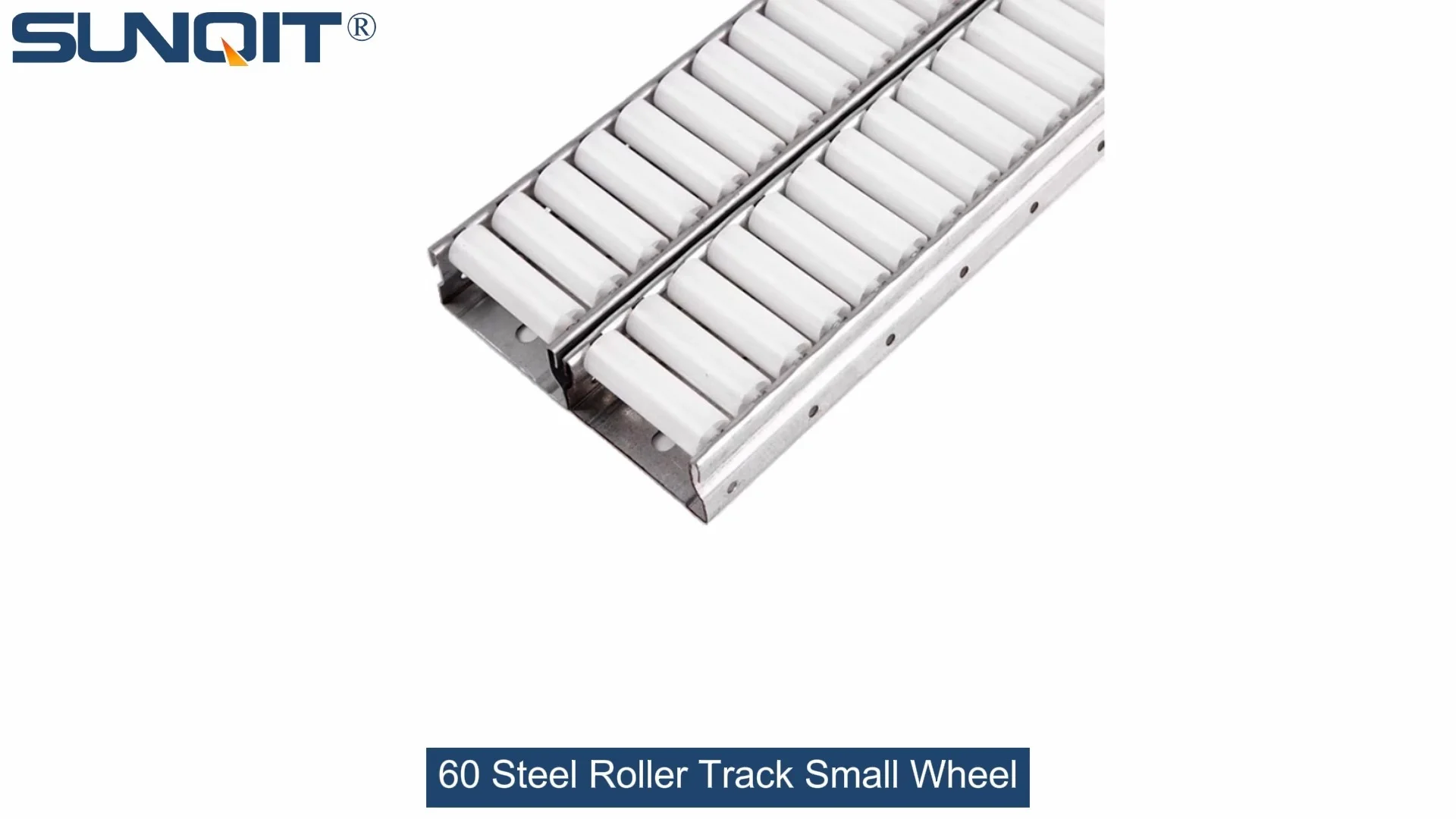
60 Steel Roller Track Small Wheel
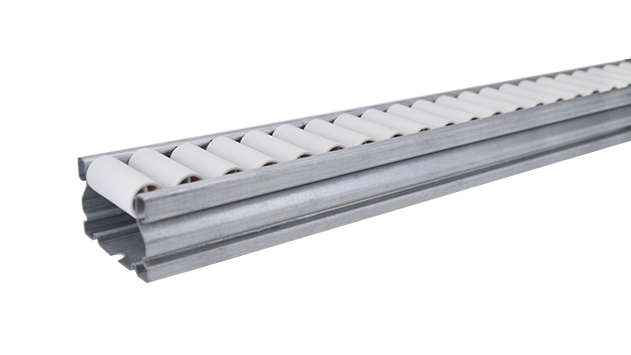
Modular system roller tracks aluminum gravity roller tracks are an excellent solution for transporting materials within industrial environments, warehouses and distribution centres.
Roller track small wheels are the unsung heroes in lean production lines, flow racks, and conveyor systems. They keep materials moving smoothly, but corrosion can slow things down, cause downtime, and increase costs. So choosing the right coating is crucial. Whether you're setting up a flexible workstation for 3C assembly or organizing a warehouse with material racks, these small components play a big role in maintaining efficiency. Let's dive into why corrosion resistance matters and explore the best surface coating options for 60 steel roller track small wheels.
What Makes 60 Steel a Popular Choice for Roller Track Wheels?
60 steel is a low-carbon steel that strikes a balance between strength, ductility, and cost-effectiveness. It's widely used in manufacturing roller track wheels because it can handle the daily wear and tear of industrial environments without breaking the bank. However, like most uncoated steels, 60 steel is prone to rust when exposed to moisture, oxygen, and chemicals. This is where surface coatings come in—they act as a protective barrier, extending the lifespan of the wheels and ensuring consistent performance.
60 steel has a tensile strength of around 600 MPa, making it strong enough to support heavy loads in flow racks and conveyor systems. Its ductility allows it to bend slightly without breaking, which is important for absorbing shocks in busy production lines. But without a protective coating, even this robust material will start to corrode over time, especially in harsh environments.
Common Corrosion Challenges for Roller Track Wheels
Roller track wheels face a variety of corrosion-inducing factors depending on their application. Let's take a look at some of the most common challenges:
- Moisture and Humidity: Warehouses and production floors often have high humidity levels, especially in regions with tropical climates. Even small amounts of water can start the rusting process on uncoated steel. For example, in a 3C assembly line where workers use water-based cleaning agents, the moisture can seep into the wheel bearings and cause corrosion.
- Chemical Exposure: Cleaning agents, oils, and solvents used in manufacturing can accelerate corrosion. In medical device factories, disinfectants may contain harsh chemicals that attack unprotected steel. Similarly, in automotive assembly lines, oil and grease can break down coatings if they're not resistant to such substances.
- Abrasion and Wear: Constant friction from moving materials can wear away coatings, exposing the underlying steel to corrosion. This is a common issue in high-traffic flow racks where boxes and components slide over the wheels hundreds of times a day. Over time, the coating will thin out, leaving the steel vulnerable.
- Temperature Fluctuations: Extreme temperatures, both hot and cold, can cause coatings to expand and contract, leading to cracks that allow moisture to seep in. For example, in a warehouse that's not climate-controlled, the wheels may be exposed to freezing temperatures in winter and high heat in summer, which can damage the coating.
- Salt Spray: In coastal areas, salt spray from the ocean can accelerate corrosion. Roller track wheels used in outdoor storage areas near the coast need a coating that's resistant to saltwater to prevent rusting.
Top Surface Coating Options for 60 Steel Roller Track Small Wheels
Choosing the right coating depends on your specific needs—whether you prioritize cost, durability, aesthetic appeal, or resistance to certain chemicals. Let's explore the most effective options available:
1. Hot-Dip Galvanization
Hot-dip galvanization is a process where steel is dipped into a bath of molten zinc, forming a thick, protective layer. This coating is known for its exceptional corrosion resistance, making it ideal for outdoor or wet environments. For roller track wheels used in outdoor storage areas or humid warehouses, galvanization is a reliable choice.
The zinc layer acts as a sacrificial anode, meaning it corrodes first before the underlying steel. This provides long-lasting protection, even if the coating is scratched. Hot-dip galvanization can withstand up to 1000 hours of salt spray testing, which is much higher than many other coatings.
Pros: Thick coating provides long-lasting protection; affordable compared to some high-end coatings; works well in harsh environments like saltwater or heavy rain; easy to maintain.
Cons: The finish can be rough, which may not be suitable for precision applications where smoothness is important; limited color options (usually silver-gray); the process can cause warping in thin steel parts.
2. Powder Coating
Powder coating involves applying a dry powder to the steel surface using an electrostatic gun, then curing it with heat. This creates a smooth, durable finish that's available in a wide range of colors. It's a popular choice for roller track wheels used in lean workstations where aesthetics matter, such as in consumer electronics assembly lines.
The powder coating process is eco-friendly because it doesn't use solvents, which reduces air pollution. The coating is also resistant to chipping, fading, and scratching, making it ideal for indoor applications where the wheels are exposed to regular use but not extreme environmental conditions.
Pros: Eco-friendly (no volatile organic compounds); customizable colors and finishes; resistant to chipping and fading; smooth surface that's easy to clean.
Cons: Less resistant to heavy abrasion than galvanization or chrome plating; may not hold up as well in extremely harsh chemical environments; the coating can crack if exposed to extreme temperature fluctuations.
3. Electrophoretic Coating (E-coating)
E-coating is a process where paint particles are deposited onto the steel surface via electric current. This results in a uniform, thin coating that adheres well even to complex shapes. It's often used for roller track wheels in medical device factories because of its excellent corrosion resistance and smooth, easy-to-clean surface.
The E-coating process ensures that every part of the wheel is covered, including the inner surfaces of the bearings. This provides complete protection against corrosion. The coating is also very thin, which means it doesn't add much weight to the wheel, making it ideal for precision applications.
Pros: Uniform coating on all surfaces; high corrosion resistance; good adhesion to the steel substrate; thin and smooth finish that's ideal for precision parts.
Cons: Limited color options (usually black or clear); higher cost than powder coating or galvanization; the coating can be damaged by heavy abrasion.
4. Nickel Plating
Nickel plating involves depositing a layer of nickel onto the steel surface. This coating offers good corrosion resistance and a shiny, decorative finish. It's suitable for roller track wheels used in precision applications where a smooth, non-abrasive surface is needed.
Nickel plating is often used in 3C assembly lines where delicate electronic components are handled. The smooth surface of the nickel-plated wheels prevents scratches on the components, while the corrosion resistance ensures the wheels last a long time.
Pros: Wear-resistant; decorative appearance; ideal for precision parts that require a smooth finish; resistant to many chemicals.
Cons: Expensive compared to other options; may not be as durable as galvanization in harsh outdoor environments; the plating can peel off if not applied properly.
5. Dacromet Coating
Dacromet coating is a zinc-aluminum flake coating that provides exceptional corrosion resistance without causing hydrogen embrittlement. This makes it a great choice for high-strength roller track wheels used in heavy-duty applications.
The coating consists of zinc and aluminum flakes suspended in a binder, which is applied to the steel surface and cured at high temperatures. This creates a tough, protective layer that's resistant to salt spray, chemicals, and heat. Dacromet coating can withstand up to 2000 hours of salt spray testing, making it one of the most corrosion-resistant options available.
Pros: Excellent performance in salt spray tests; no hydrogen embrittlement (safe for high-strength steel); resistant to heat and chemicals; long-lasting protection.
Cons: More expensive than galvanization; limited color options (usually gray); the coating can be damaged by heavy impact.

Comparison of Surface Coating Options
| Coating Type | Corrosion Resistance | Cost | Wear Resistance | Best For |
|---|---|---|---|---|
| Hot-Dip Galvanization | High (1000+ hours salt spray) | Low-Medium | Medium | Outdoor/wet environments, heavy-duty applications, coastal areas |
| Powder Coating | Medium-High (500-1000 hours salt spray) | Medium | Medium | Aesthetic applications, indoor use, consumer electronics assembly |
| E-coating | High (1000+ hours salt spray) | Medium-High | Medium | Medical devices, precision parts, clean environments |
| Nickel Plating | Medium-High (500-1000 hours salt spray) | High | High | Precision parts, decorative applications, 3C assembly |
| Dacromet Coating | Very High (2000+ hours salt spray) | High | High | Heavy-duty applications, high-strength steel, harsh chemical environments |
Real-World Applications: How Coating Choices Impact Performance
Let's look at some examples of how different coatings perform in actual industrial settings:
Case Study 1: 3C Assembly Line
A consumer electronics manufacturer needed roller track wheels for their flow racks used in 3C assembly. They chose powder coating because it offered a smooth finish that wouldn't scratch delicate electronic components, and the customizable colors allowed them to match the wheels to their workstation design. After six months of use, the wheels showed no signs of corrosion, and the finish remained intact despite daily use.
The manufacturer reported that the powder-coated wheels were easy to clean, which was important for maintaining a dust-free environment in the assembly line. They also appreciated the eco-friendly nature of the coating, which aligned with their sustainability goals.
Case Study 2: Medical Device Warehouse
A medical device warehouse required roller track wheels that could withstand frequent cleaning with harsh disinfectants. They opted for E-coating because of its excellent corrosion resistance and smooth, easy-to-clean surface. The E-coated wheels performed well even after repeated exposure to disinfectants, with no rust or degradation observed over a year of use.
The warehouse manager noted that the E-coated wheels were also very durable, withstanding the heavy loads of medical device boxes without any issues. The uniform coating ensured that every part of the wheel was protected, even the inner bearings.
Case Study 3: Outdoor Storage Facility
An outdoor storage facility near the coast needed roller track wheels for their material racks. They chose hot-dip galvanization because it's highly resistant to salt spray. After two years of exposure to the elements, the galvanized wheels still looked new, with no signs of rust or corrosion.
The facility owner reported that the galvanized wheels required minimal maintenance, just occasional cleaning to remove dirt and debris. They were also cost-effective, which was important for a large facility with hundreds of roller track wheels.
Case Study 4: Heavy-Duty Conveyor System
A manufacturing plant with a heavy-duty conveyor system needed roller track wheels that could handle high loads and harsh chemicals. They chose Dacromet coating because of its exceptional corrosion resistance and durability. After three years of use, the Dacromet-coated wheels showed no signs of corrosion, even after exposure to oil and grease.
The plant manager noted that the Dacromet coating was worth the higher cost because it reduced maintenance and replacement costs. The wheels were able to handle the heavy loads without any issues, and the coating remained intact despite constant friction.
Maintenance Tips to Extend the Lifespan of Coated Roller Track Wheels
Even the best coatings need proper maintenance to last. Here are some tips to keep your roller track wheels in top condition:
- Regular Cleaning: Wipe down wheels with a damp cloth to remove dirt and debris. For wheels exposed to chemicals, use a mild detergent to clean the surface. Avoid using harsh abrasives that can scratch the coating.
- Lubrication: Apply lubricant to the wheel bearings regularly to reduce friction and wear. This will help prevent the coating from being worn away prematurely. Use a lubricant that's compatible with the coating—for example, avoid oil-based lubricants on powder-coated wheels if they're not resistant to oil.
- Inspection: Check wheels for chips, cracks, or signs of corrosion every few months. If you notice any damage, repair or replace the wheels immediately to prevent further issues. Small scratches can be touched up with a matching paint to protect the steel.
- Avoid Harsh Chemicals: Whenever possible, use mild cleaning agents instead of harsh chemicals that can damage the coating. If you must use harsh chemicals, rinse the wheels thoroughly with water afterward to remove any residue.
- Store Properly: If you have spare roller track wheels, store them in a dry, cool place to prevent corrosion. Avoid storing them in areas with high humidity or exposure to chemicals.
- replace Worn Wheels: Even with proper maintenance, wheels will eventually wear out. replace worn wheels before they cause downtime in your production line. This will save you time and money in the long run.
Conclusion
Corrosion resistance is a critical factor when choosing roller track small wheels for your lean production system, flow rack, or conveyor. 60 steel is a cost-effective material, but its vulnerability to rust means that selecting the right surface coating is essential. Whether you opt for hot-dip galvanization for outdoor use, powder coating for aesthetic appeal, or E-coating for medical applications, each option has its own strengths and weaknesses.
By understanding the specific challenges your wheels will face and comparing the available coating options, you can make an informed decision that will keep your operations running smoothly and reduce long-term maintenance costs. Remember, investing in a high-quality coating now can save you time and money down the line by extending the lifespan of your roller track wheels.
At the end of the day, the best coating is the one that meets your unique needs. Take the time to evaluate your environment, load requirements, and budget, and you'll find the perfect coating for your 60 steel roller track small wheels.