- Company Articles
- Products and Technology
- Product knowledge
- Corrosion Resistance of Gusset ALP 4040: Performance in Humid Industrial Environments

Corrosion Resistance of Gusset ALP 4040: Performance in Humid Industrial Environments
Related Product
Gusset ALP 4040
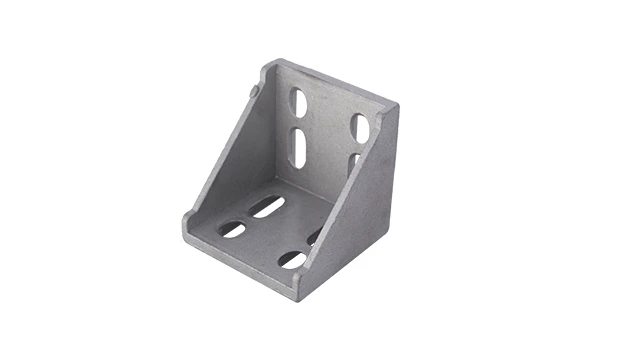
The 4040 bracket/Gusset is an external fastening method that creates a 90 degree connection. 4040 means this size is used for 40 series aluminum profile with a quick connection by bolt and nut. It is a lightweight bracket that requires no machining servic
The Hidden Battle: Why Humidity Wreaks Havoc in Industrial Spaces
Walk into any busy factory, warehouse, or manufacturing plant, and you'll likely notice the hum of machinery, the rhythm of assembly lines, and the focused energy of workers. But there's an invisible enemy lurking in many of these spaces—humidity. It's easy to overlook, but high moisture levels can quietly sabotage equipment, shorten lifespans, and drive up operational costs in ways that catch even seasoned managers off guard.
Consider a coastal manufacturing facility, where sea air carries salt particles that cling to metal surfaces. Or a food processing plant, where steam from cooking lines and frequent washdowns keep the air thick with moisture. In these environments, metal components—from workbench frames to conveyor rails—become magnets for corrosion. Rust starts as tiny spots, then spreads, weakening structures until they bend, break, or seize up. The result? Unexpected downtime, costly replacements, and a constant scramble to keep up with repairs.
For teams relying on lean systems to streamline production, this corrosion crisis is a major roadblock. Lean manufacturing thrives on efficiency, predictability, and durability—traits that erode quickly when humidity takes hold. A single rusted joint on a flow rack can slow down material handling. A corroded workbench leg might compromise stability, risking product quality or worker safety. Over time, these small issues add up, turning well-oiled operations into frustrating battles against decay.
So, what's the solution? While stainless steel pipe series and other materials have long been go-to options for corrosion resistance, they often come with trade-offs—weight, cost, or rigidity that limits adaptability. That's where components like the Gusset ALP 4040 enter the picture. Designed with industrial challenges in mind, this aluminum extrusion profile has quietly become a game-changer for facilities fighting the humidity battle. Let's take a closer look at why it's gaining traction, and how it holds up when moisture levels rise.
Gusset ALP 4040: More Than Just a Metal Piece—A Humidity-Fighting Workhorse
Before diving into its corrosion-fighting superpowers, let's get familiar with what Gusset ALP 4040 actually is. If you've ever worked with modular industrial structures—think workbenches, material racks, or assembly line frames—you've probably encountered aluminum extrusion profiles. These are the backbone of modern lean systems, prized for their versatility, strength, and ease of customization. Gusset ALP 4040 is a specific type of aluminum profile, engineered with a focus on structural support and durability, making it a staple in everything from heavy-duty workbenches to complex material handling setups.
At first glance, it might look like just another metal bracket, but the "gusset" in its name hints at its design smarts. Gussets are triangular supports that reinforce joints, adding stability to structures. In the case of ALP 4040, this gusset design isn't just about strength—it's also a key player in its resistance to environmental wear, including humidity. But to understand why, we need to start with the material itself: aluminum.
Aluminum has a natural advantage over many metals when it comes to moisture: it forms a protective oxide layer. When exposed to air, even humid air, aluminum reacts with oxygen to create a thin, invisible film of aluminum oxide. This layer acts like a shield, preventing further oxidation (the chemical reaction that causes rust in iron and steel). Unlike rust, which flakes off and exposes fresh metal to corrosion, aluminum oxide stays firmly attached, self-healing if scratched or damaged. It's nature's own defense mechanism, and it's why aluminum products often outlast their steel counterparts in damp conditions.
But Gusset ALP 4040 takes this natural protection a step further, thanks to how it's manufactured. As an aluminum extrusion profile, it's created by forcing heated aluminum alloy through a die, shaping it into precise cross-sections. This process ensures uniformity in the material, eliminating weak spots where corrosion might start. The alloy used in ALP 4040 is typically a high-grade blend—often 6061 or 6063 aluminum—known for its strength and corrosion resistance. These alloys include small amounts of magnesium and silicon, which enhance the oxide layer's stability and make the material more resilient to salt, moisture, and industrial chemicals.

Putting It to the Test: How Gusset ALP 4040 Stands Up in Real-World Humidity
Specs and science are one thing, but how does Gusset ALP 4040 perform when the humidity dial is cranked up? Let's look at two case studies where this aluminum extrusion profile proved its mettle in some of the toughest damp environments.
Case Study 1: A Coastal Electronics Assembly Plant
Imagine a facility in Savannah, Georgia, assembling circuit boards for medical devices. Located just miles from the Atlantic Ocean, the plant battles not only high humidity (often 75-85% year-round) but also salt-laden air. For years, the plant relied on steel workbenches and stainless steel pipe series racks to hold sensitive components. While the stainless steel held up better than regular steel, managers noticed a pattern: after 18-24 months, joints and fasteners would start to corrode, especially where salt had settled. Workbenches became wobbly, and racks needed frequent repairs to prevent component damage.
In 2022, the plant switched to lean system setups built with Gusset ALP 4040 and compatible aluminum profile accessories. Three years later, the results are striking. Inspections show minimal signs of corrosion on the ALP 4040 gussets and profiles. Even in areas near cooling units, where condensation is common, the aluminum surfaces remain smooth and intact. The maintenance team reports spending 60% less time on rust-related repairs, and the workbenches still feel solid, with no signs of warping or weakening. "We used to replace steel brackets every two years," says the plant's maintenance supervisor. "Now, these aluminum setups look like they'll last a decade. It's been a game-changer for our budget and our peace of mind."
Case Study 2: A Pharmaceutical Packaging Facility
Pharmaceutical manufacturing demands strict cleanliness, which often means daily washdowns with water and sanitizing agents. One mid-sized packaging plant in Florida was struggling with this routine: their stainless steel pipe series conveyors and workbenches were developing pitting corrosion despite regular cleaning. The issue? The combination of hot, humid air and harsh sanitizers was breaking down the stainless steel's passive layer faster than it could regenerate.
The plant's engineering team decided to test Gusset ALP 4040 on a small section of their packaging line, replacing steel support brackets with the aluminum extrusion profile. They also added aluminum honeycomb panels for work surfaces, creating a fully aluminum-based sub-assembly. After 18 months of daily washdowns with pH-balanced sanitizers, the ALP 4040 components showed no pitting, discoloration, or corrosion. The aluminum oxide layer had held strong, even when exposed to frequent moisture and chemicals. Encouraged, the plant has since expanded the switch to other lines, reducing corrosion-related downtime by 80% and extending the expected lifespan of their equipment from 5 years to over 12.

Gusset ALP 4040 vs. the Competition: How It Stacks Up Against Other Materials
To truly appreciate Gusset ALP 4040's corrosion resistance, it helps to see how it compares to common alternatives. Let's break down the key players: stainless steel pipe series (a popular choice for damp environments), standard aluminum profiles (without the ALP 4040's gusset design), and even plastic composites (often considered for their rust-proof nature).
| Material | Corrosion Resistance in High Humidity | Strength-to-Weight Ratio | Cost (Initial + Long-Term) | Flexibility/Customization |
|---|---|---|---|---|
| Gusset ALP 4040 (Aluminum Extrusion Profile) | Excellent: Self-healing oxide layer resists salt, moisture, and mild chemicals; minimal maintenance needed. | Very High: Lightweight (1/3 the weight of steel) but strong enough for heavy industrial use. | Moderate initial cost; low long-term costs due to minimal corrosion and maintenance. | High: Compatible with aluminum profile accessories, easy to cut, drill, and assemble into custom structures. |
| Stainless Steel Pipe Series | Good, but variable: Resists corrosion but can pit in highly humid/salty environments or with harsh chemicals. | High: Strong, but heavy (3x the weight of aluminum), increasing installation and transport costs. | High initial cost; moderate long-term costs (may require occasional repairs/replacements). | Moderate: Less flexible for on-site modifications; heavier components limit design versatility. |
| Standard Aluminum Profile (Non-ALP 4040) | Good: Same oxide layer protection but may lack ALP 4040's reinforced design for joint stability. | High: Similar to ALP 4040, but weaker at joints without gusset reinforcement. | Low initial cost; higher long-term costs if joints fail due to corrosion or stress. | High, but less durable in heavy-load or high-stress applications. |
| Plastic Composites | Excellent: No rust, but can degrade in UV light or high temperatures. | Low: Weak under heavy loads; prone to bending or cracking over time. | Low initial cost; high long-term costs (frequent replacements needed). | Moderate: Limited to simple shapes; not ideal for industrial-strength structures. |
The table tells a clear story: Gusset ALP 4040 balances corrosion resistance, strength, and cost in a way that's hard to beat. While stainless steel pipe series is a strong competitor, its weight and higher maintenance needs make it less practical for lean systems where agility and long-term durability matter. Standard aluminum profiles come close, but the ALP 4040's gusset design adds critical joint strength, ensuring the entire structure remains stable even in humid conditions where weaker connections might fail.
Plastic composites, meanwhile, may avoid rust, but they lack the load-bearing capacity needed for heavy industrial use. For managers prioritizing both corrosion resistance and structural integrity, Gusset ALP 4040 emerges as the most reliable choice—especially in environments where humidity is a constant challenge.
Maximizing Lifespan: Simple Maintenance Tips for Gusset ALP 4040 in Humid Spaces
While Gusset ALP 4040 is built to resist corrosion, a little care can go a long way in ensuring it thrives for decades in humid environments. The good news? Maintaining aluminum extrusion profiles is far easier than tending to rust-prone steel. Here are actionable tips to keep your ALP 4040 structures in top shape:
1. Regular Cleaning (But Keep It Gentle)
Aluminum's oxide layer is tough, but it can be damaged by abrasive cleaners or harsh chemicals. In humid spaces, dust, salt, or industrial residues can build up on surfaces, trapping moisture and potentially accelerating corrosion. Wipe down ALP 4040 components monthly with a soft cloth and mild soap (like dish soap) mixed with warm water. Avoid steel wool, scouring pads, or acidic cleaners (like vinegar or bleach), which can scratch the oxide layer. For stubborn grime, use a soft-bristle brush—gentle enough to remove dirt without damaging the surface.
2. Inspect Joints and Fasteners
Even with ALP 4040's durable design, joints (where profiles connect with aluminum profile accessories) are potential weak spots. In high humidity, moisture can seep into gaps if fasteners loosen over time. Every quarter, check that bolts, nuts, and connectors are tight. If you notice any signs of corrosion on fasteners (which are often made of steel or zinc-plated materials), replace them with stainless steel or aluminum alternatives. This small step prevents rust from spreading to the ALP 4040 itself.
3. Address Scratches Promptly
While aluminum oxide self-heals, deep scratches can expose fresh metal to moisture before the layer regenerates. If you scratch an ALP 4040 component (e.g., during equipment installation), clean the area with mild soap and water, then dry it thoroughly. For added protection, apply a thin coat of clear acrylic sealant (compatible with aluminum) to the scratch. This seals the area temporarily, giving the oxide layer time to reform.
4. Control Humidity Where Possible
Even the most corrosion-resistant materials benefit from lower humidity levels. Use dehumidifiers in enclosed spaces, fix leaky pipes or roofs promptly, and ensure proper ventilation around ALP 4040 structures. In coastal areas, consider installing barriers (like plastic curtains) to reduce direct exposure to salt air. These steps the workload on the aluminum's oxide layer, extending its lifespan further.
5. Avoid Contact with Dissimilar Metals
When aluminum comes into direct contact with more noble metals (like steel or copper) in humid conditions, a chemical reaction called galvanic corrosion can occur. This happens because the metals act as electrodes, with moisture acting as an electrolyte, accelerating corrosion. If your ALP 4040 structure must connect to steel components, separate them with non-conductive materials (like rubber gaskets or plastic spacers). This breaks the circuit and prevents galvanic corrosion from taking hold.
The Bottom Line: Why Gusset ALP 4040 is a Smart Investment for Humid Industrial Spaces
In the fight against humidity-related corrosion, Gusset ALP 4040 isn't just another component—it's a strategic choice that pays dividends over time. Its combination of high-grade aluminum alloy, extrusion-molded precision, and reinforced gusset design creates a material that doesn't just resist moisture but thrives in it. From coastal factories to steam-filled processing plants, it's proving to be a reliable backbone for lean systems, workbenches, and material handling setups.
The benefits go beyond durability. By reducing downtime, lowering maintenance costs, and extending equipment lifespans, ALP 4040 helps teams stay focused on what matters: producing quality products and meeting deadlines. It's a material that aligns with the principles of lean manufacturing—efficient, long-lasting, and adaptable—while solving one of the most persistent challenges in industrial environments.
So, if you're managing a facility where humidity is a constant concern, don't let corrosion continue to eat into your budget and productivity. Consider upgrading to Gusset ALP 4040 and experience the difference a truly corrosion-resistant aluminum extrusion profile can make. After all, in the world of manufacturing, the strongest systems are the ones that can stand up to whatever the environment throws at them—and Gusset ALP 4040 is built to stand tall, even in the dampest conditions.