- Company Articles
- Products and Technology
- Product knowledge
- Corrosion Resistance of Parallel Rotatory Lean Pipe Joint Chrome: A Closer Look

Corrosion Resistance of Parallel Rotatory Lean Pipe Joint Chrome: A Closer Look
Related Product
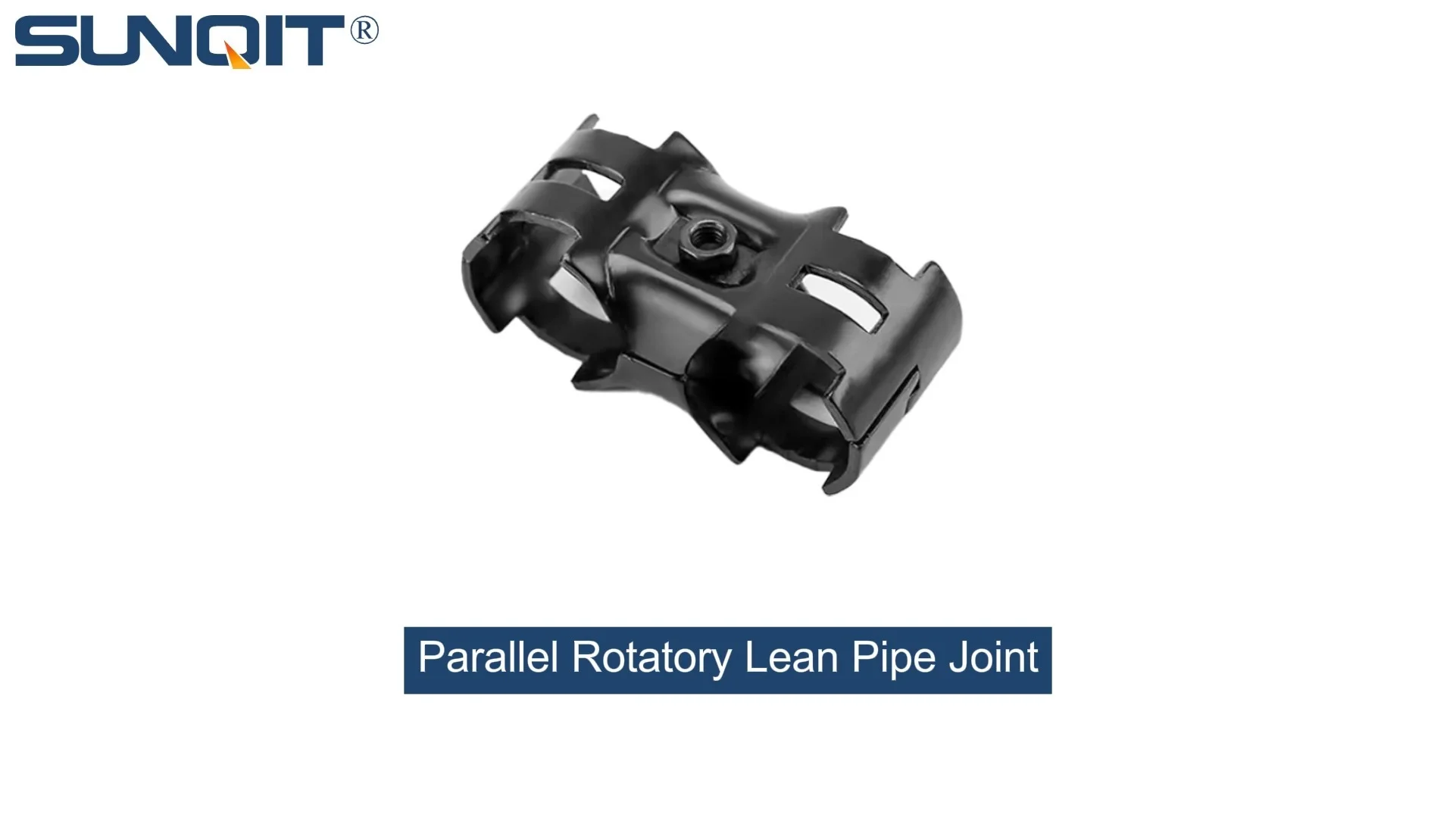
Parallel Rotatory Lean Pipe Joint
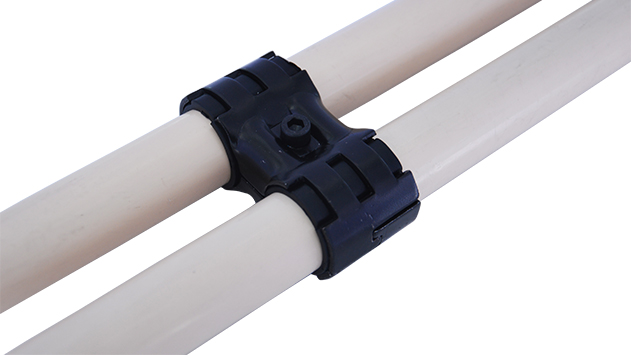
Parallel rotatory lean pipe joint, for 2 pcs pipe conenction in parallel direction with rotatory function.
Imagine walking through a busy manufacturing plant: the hum of machinery, the rhythmic movement of assembly lines, and workers focused on keeping production flowing. Now, picture that flow suddenly grinding to a halt. A critical joint in the material handling system has rusted through, bending under the weight of components and bringing the entire line to a standstill. For plant managers and lean system operators, this scenario isn't just a hypothetical—it's a nightmare that translates to lost time, missed deadlines, and costly repairs. In the world of lean manufacturing, where efficiency and reliability are everything, the components often hold the key to success. Today, we're diving deep into one such component: the parallel rotatory lean pipe joint chrome. Specifically, we'll explore why its corrosion resistance matters, how it's engineered to stand the test of time, and why it's become a cornerstone for businesses aiming to build durable, long-lasting lean systems.
The Unsung Hero: Understanding the Role of Parallel Rotatory Lean Pipe Joints
Before we jump into corrosion resistance, let's first understand what a parallel rotatory lean pipe joint chrome is and why it's so vital. In lean manufacturing systems, modularity and flexibility are king. Lean pipes—often made of steel, aluminum, or stainless steel—are the backbone of workbenches, flow racks, conveyors, and turnover trolleys. These pipes are connected using joints, which act as the "hinges" that allow the system to be reconfigured, extended, or modified as production needs change. The parallel rotatory lean pipe joint, in particular, is designed to connect two parallel pipes while allowing rotational movement, making it ideal for applications where parts need to pivot, adjust, or align dynamically—think of a tilting workbench or a rotating material rack.
But here's the catch: joints are often the weakest link in these systems. They're exposed to constant movement, varying loads, and environmental stressors like moisture, dust, and even chemicals. Over time, without proper protection, these stressors can lead to corrosion—rust, pitting, or degradation of the joint material. When a joint corrodes, it doesn't just look unsightly; it loses structural integrity. A rusted joint might seize up, making rotation difficult or impossible. Worse, it could fail entirely under load, risking damage to products, injury to workers, or costly downtime. That's where chrome plating comes in. By coating the joint with a layer of chromium, manufacturers add a protective barrier that shields the underlying metal from corrosion, ensuring the joint remains functional and reliable for years.
The Science Behind Chrome Plating: Why It's a Corrosion Fighter
Chrome plating isn't just about giving the joint a shiny finish (though that's a nice bonus). It's a deliberate engineering choice rooted in materials science. To understand how it works, let's break down the plating process and the properties of chromium that make it resistant to corrosion.
First, the base material of the joint is typically mild steel—a strong, affordable metal that provides the structural support needed for heavy loads. However, mild steel is prone to rust when exposed to oxygen and moisture. To combat this, the joint undergoes electroplating: a process where a thin layer of chromium is deposited onto the steel surface using an electric current. The result is a coating that's not just a "paint job" but a metallurgical bond between the steel and chromium, ensuring it won't chip or peel easily.
Chromium itself is a corrosion-resistant metal, but its real superpower lies in its ability to form a passive oxide layer. When exposed to air, chromium reacts with oxygen to create a thin, invisible film of chromium oxide (Cr₂O₃) on its surface. This film acts as a barrier, preventing oxygen and moisture from reaching the underlying steel. Unlike iron oxide (rust), which flakes off and exposes fresh metal to corrosion, chromium oxide is stable and self-healing. If the film is scratched or damaged, the chromium beneath reacts with oxygen to quickly reform the protective layer. This self-healing property is what makes chrome plating so effective at preventing rust, even in harsh environments.
But not all chrome plating is created equal. The thickness of the chromium layer, the quality of the base steel, and the plating process (like pre-treatment to remove impurities) all affect the final corrosion resistance. High-quality parallel rotatory lean pipe joint chrome products typically have a plating thickness of 5-10 microns, with strict adhesion tests to ensure the chrome doesn't delaminate under stress. This attention to detail is why reputable lean pipe suppliers invest heavily in their plating processes—because they know that a poorly plated joint will fail, and with it, their customers' trust.
Testing Corrosion Resistance: Putting Chrome-Plated Joints to the Test
Talk is cheap—how do we know that parallel rotatory lean pipe joint chrome actually holds up in real-world conditions? Manufacturers don't just rely on theory; they subject these joints to rigorous testing to simulate years of wear and tear in a matter of weeks or months. Let's take a look at some of the most common tests and what they reveal about a joint's corrosion resistance.
One of the most widely used tests is the salt spray test (also known as the neutral salt spray test, or NSS). In this test, samples of the joint are placed in a chamber where a fine mist of 5% sodium chloride (saltwater) is sprayed continuously at a temperature of 35°C (95°F). The goal? To see how long it takes for corrosion (usually red rust) to appear on the surface. For chrome-plated joints, a passing result often means no visible rust after 240 hours (10 days) of exposure. Premium products can even last 500+ hours, indicating exceptional corrosion resistance. Why saltwater? Because salt is a powerful electrolyte that accelerates rust formation, making it a harsh stand-in for humid environments, coastal areas, or factories where de-icing salts (in cold climates) might be present.
Another key test is the humidity test. Here, joints are exposed to 95% relative humidity at 40°C (104°F) for extended periods—sometimes up to 1000 hours. This mimics high-moisture environments like food processing plants, where steam is common, or warehouses in tropical regions. Chrome-plated joints should resist blistering, peeling, or rust under these conditions, as the chromium oxide layer prevents moisture from penetrating to the steel base.
There's also the cyclic corrosion test, which combines salt spray, humidity, and drying phases to simulate real-world fluctuations in weather and environment. For example, a joint might endure 2 hours of salt spray, followed by 4 hours of high humidity, then 2 hours of drying, repeated over days. This test is particularly tough because the expansion and contraction of the metal during drying and wetting can stress the chrome layer, revealing weak points in adhesion or thickness.
So, what do these tests tell us? A parallel rotatory lean pipe joint chrome that passes 500 hours of salt spray testing is likely to last 5-10 years in a typical factory environment with moderate humidity. In drier, cleaner settings (like electronics assembly plants), it could last even longer—15 years or more. Compare that to an unplated steel joint, which might start rusting within months in the same conditions, and the value of chrome plating becomes clear.

How Does Chrome Plating Compare to Other Materials? A Head-to-Head
Chrome-plated joints aren't the only option on the market. Let's compare them to two other common materials: stainless steel pipe series joints and aluminum lean pipe joints. Each has its pros and cons, but when it comes to corrosion resistance, chrome-plated steel often comes out on top.
| Joint Type | Corrosion Resistance (Salt Spray Test) | Cost (Relative) | Best For |
|---|---|---|---|
| Parallel Rotatory Lean Pipe Joint Chrome | 400-500+ hours (no red rust) | Medium | General manufacturing, humid environments, moderate chemical exposure |
| Stainless Steel Pipe Series Joint | 1000+ hours (304 stainless steel) | High | Food processing, marine environments, high chemical exposure |
| Aluminum Lean Pipe Joint | 200-300 hours (natural oxide layer) | Low-Medium | Light-load applications, dry environments, temporary setups |
Starting with stainless steel pipe series joints: stainless steel is naturally corrosion-resistant thanks to its high chromium content (at least 10.5%). Grade 304 stainless steel, for example, can withstand over 1000 hours of salt spray testing without rusting, making it ideal for extreme environments like food processing (where frequent washing with caustic cleaners is common) or coastal factories (where salt air is a constant threat). However, this durability comes at a cost—stainless steel joints are significantly more expensive than chrome-plated steel, sometimes by 50% or more. For many manufacturers, the added expense isn't justified unless they're operating in truly harsh conditions.
Aluminum lean pipe joints, on the other hand, are lightweight and affordable. Aluminum forms a natural oxide layer (aluminum oxide) that resists corrosion, but this layer is much thinner and less durable than chromium oxide. In salt spray tests, aluminum joints typically start showing pitting after 200-300 hours—better than unplated steel but far less than chrome-plated or stainless steel. They're a good choice for light, temporary setups or dry environments, but not for long-term use in humid or high-moisture areas.
Chrome-plated steel joints strike a balance between performance and cost. They offer excellent corrosion resistance for most manufacturing environments at a price point that's accessible for small and large operations alike. For a lean system supplier, this balance is critical—they need to provide components that are reliable enough to keep their customers' lines running, but affordable enough to remain competitive. It's why many suppliers prioritize chrome-plated joints as their go-to option for general-purpose lean systems.

Real-World Performance: Where Chrome-Plated Joints Shine
Tests and tables are useful, but nothing beats real-world examples. Let's look at a few industries where parallel rotatory lean pipe joint chrome has proven its worth, and why corrosion resistance makes all the difference.
Automotive Manufacturing: Car factories are messy places. Oils, coolants, and cleaning agents are everywhere, and the air is often humid from constant washing of parts. In this environment, unprotected steel joints would rust within months. A leading automotive plant in Michigan, for example, switched to chrome-plated parallel rotatory joints on their assembly line workbenches five years ago. Before the switch, they were replacing rusted joints every 6-8 months, at a cost of $2,000 per line in parts and labor. Today, those same joints are still in use, with only minor surface wear—no rust, no seizing, and zero unplanned downtime. The plant manager estimates they've saved over $50,000 in maintenance costs alone, not counting the value of uninterrupted production.
Electronics Assembly: While electronics factories are often cleaner than automotive plants, they're not immune to corrosion. Many components are sensitive to moisture, so factories use dehumidifiers, but even small leaks or condensation can affect metal parts. A semiconductor plant in Taiwan uses chrome-plated joints on their ESD workstations (though ESD workbench is another keyword, we'll focus on the joint here). The joints connect the workstation frames to adjustable shelving, which needs to rotate to access hard-to-reach components. After three years of operation in a controlled but humid environment, the joints still rotate smoothly, with no signs of rust. The plant's lean coordinator notes that "consistency is key in semiconductor manufacturing—if a joint sticks, it throws off the entire assembly process. Chrome-plated joints give us that consistency, day in and day out."
Food and Beverage Packaging: Food safety regulations require frequent cleaning with hot water and sanitizers, which can be brutal on metal components. A beverage bottling plant in Brazil switched to chrome-plated parallel rotatory joints on their flow racks after stainless steel joints proved too costly. The racks hold plastic bottles before they're filled, and the joints allow the racks to tilt slightly to guide bottles onto the conveyor. After two years of daily hosing with sanitizing solution, the joints show no pitting or rust, and the plant hasn't had to replace a single one. "We were worried the chrome would wear off with all the cleaning," says the maintenance supervisor, "but it's held up better than we expected. And at half the cost of stainless steel, it's a no-brainer."
Choosing the Right Supplier: Why Quality Matters
Not all parallel rotatory lean pipe joint chrome products are created equal. As with any component, the quality of materials, plating, and manufacturing varies widely between suppliers. So, how do you ensure you're getting a joint that will actually deliver the corrosion resistance you need? Here are a few key factors to look for when choosing a lean system supplier:
Plating Thickness and Adhesion: Ask the supplier for test reports on plating thickness (aim for 5-10 microns) and adhesion (look for results from bend tests or cross-cut adhesion tests, where the chrome should not peel). A reputable supplier will have no problem sharing these documents—if they hesitate, that's a red flag.
Salt Spray Test Results: Don't just take their word for it—ask for salt spray test certifications. A minimum of 400 hours of NSS testing with no red rust is a good baseline. Better suppliers will offer 500+ hours, which indicates a higher-quality plating process.
Material of the Base Joint: The chrome is only as good as the steel beneath it. Look for joints made from low-carbon steel (mild steel) with a smooth surface finish—rough surfaces can trap moisture and undermine the chrome layer.
Warranty: A supplier who stands behind their product will offer a warranty against corrosion. Many reputable suppliers offer 2-5 year warranties, which gives you peace of mind that they're confident in their plating.
Remember, the cheapest joint isn't always the best deal. A low-cost joint might save you a few dollars upfront, but if it corrodes and fails in a year, you'll end up paying more in replacements and downtime. Investing in a high-quality, corrosion-resistant joint from a trusted lean pipe supplier is an investment in your system's long-term efficiency.
Conclusion: Corrosion Resistance as a Cornerstone of Lean Success
In the world of lean manufacturing, every component counts. The parallel rotatory lean pipe joint chrome might seem like a small part, but its role in keeping systems flexible, reliable, and efficient is enormous. By prioritizing corrosion resistance—through chrome plating, rigorous testing, and quality manufacturing—businesses can avoid the headaches of downtime, reduce maintenance costs, and build lean systems that adapt and thrive for years to come.
Whether you're setting up a new assembly line, upgrading an existing workbench, or reconfiguring a flow rack, don't overlook the joints. Ask your lean system supplier about their chrome-plating process, request test results, and compare options. Remember: a joint that resists corrosion is more than just a part—it's a partner in your success, working behind the scenes to keep your production line moving, your workers safe, and your bottom line strong.
So, the next time you walk through a manufacturing plant and see those sleek, shiny joints connecting the lean pipes, take a moment to appreciate them. They might not be the most glamorous part of the system, but they're a testament to the power of smart engineering—and proof that sometimes, the smallest components make the biggest difference.