- Company Articles
- Products and Technology
- Product knowledge
- Corrosion Resistance: Protecting Four Way Straight Lean Pipe Joint in Humid Environments

Corrosion Resistance: Protecting Four Way Straight Lean Pipe Joint in Humid Environments
Related Product
Four Way Straight Lean Pipe Joint
Four way lean pipe joint for 4 pcs 28MM lean pipe connection in straight angle, which used widely in workbench, flow rack, hand trolley frame connection.
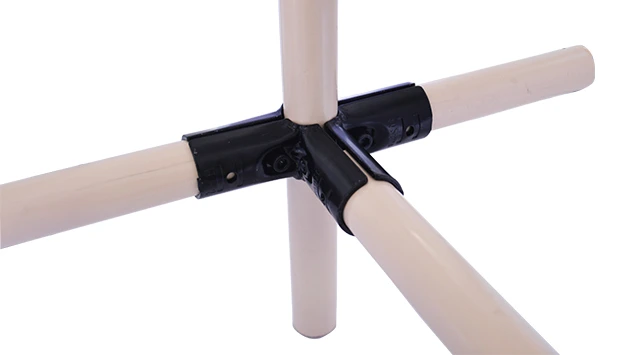
Walk into any busy factory, warehouse, or assembly line, and you'll likely spot a network of lean pipe systems—those modular, flexible structures that keep operations running like well-oiled machines. From workbenches to material racks, these systems rely on a quiet hero: the humble pipe joint. Among them, the four way straight lean pipe joint stands out as a workhorse, connecting multiple pipes to form stable, multi-directional frameworks. But in environments where humidity hangs thick in the air—think coastal factories, food processing plants, or warehouses with poor ventilation—this unsung hero faces a silent enemy: corrosion. Left unchecked, rust and degradation can turn a sturdy joint into a weak link, risking system collapse, production delays, and safety hazards. So how do we shield these critical components when moisture is always lurking? Let's dive in.
Why the Four Way Straight Lean Pipe Joint Can't Afford to Fail
Before we talk about corrosion, let's take a moment to appreciate the four way straight lean pipe joint's role. Imagine a lean system as a human body: pipes are the bones, and joints are the joints—connecting, supporting, and enabling movement. A four way joint, in particular, is like a crossroads, linking four pipes in different directions to build complex structures like multi-tiered material racks or branching conveyor systems. In high-humidity settings, where water vapor clings to metal surfaces, this "crossroads" becomes a prime target for corrosion. Why? Because joints have crevices—tiny gaps between the joint and the pipe—where moisture can hide, even after the rest of the system dries. Over time, that trapped moisture starts a chemical reaction: oxygen in the air mixes with iron in the metal, forming iron oxide, better known as rust. And once rust takes hold, it doesn't just discolor the joint; it weakens the metal, turning solid connections into brittle, unreliable ones. For manufacturers, this isn't just a maintenance headache—it's a threat to productivity. A corroded joint might loosen, causing a material rack to sag or a conveyor to jam. In worst-case scenarios, it could lead to equipment failure or workplace accidents. That's why protecting four way straight lean pipe joints in humid environments isn't optional—it's essential.
What Makes Humid Environments So Hard on Lean Pipe Joints?
Humidity alone isn't the only culprit. Let's break down the perfect storm of factors that accelerate corrosion in these settings:
- Condensation: When warm, moist air hits a cool metal surface (like a lean pipe joint in an air-conditioned factory), it condenses into liquid water. This isn't just a few droplets—it's a continuous film that stays in contact with the metal, fueling rust.
- Chemicals in the Air: In industrial areas, humidity often carries extra trouble. Coastal environments have salt spray, which is highly corrosive. Food processing plants might have acidic vapors from cleaning agents or food byproducts. Even warehouses near urban areas can have pollutants like sulfur dioxide, which mix with moisture to form acid rain-like compounds that eat away at metal.
- Poor Airflow: Lean systems are often packed into tight spaces—between workbenches, under conveyors, or in corners of warehouses. Stagnant air means moisture doesn't evaporate; it lingers on joints, creating a permanent wet environment.
- Frequent Cleaning: Many facilities hose down floors or use pressure washers to keep areas sanitized. While this is necessary for hygiene, it also soaks joints, especially if they're not properly sealed. Water gets trapped in those crevices we mentioned, and without time to dry, corrosion sets in fast.
Take a typical electronics assembly plant in Southeast Asia, for example. The region's tropical climate means humidity levels often exceed 90% year-round. Add in daily floor cleaning with disinfectant solutions and the cool metal of lean pipe systems (kept chilled by air conditioning), and you've got a recipe for rapid joint degradation. Workers there might notice small rust spots on four way joints within just a few months of installation—spots that, if ignored, grow into cracks and loose connections.

Shielding the Joint: Tried-and-True Corrosion Resistance Strategies
Thankfully, manufacturers and lean pipe suppliers have developed solutions to fight back against humidity-induced corrosion. Let's explore the most effective ones, with a focus on the four way straight lean pipe joint—since its multi-directional design makes it extra vulnerable.
1. Chrome Plating: The Classic Barrier
One of the most common protections is chrome plating, seen in products like the four way straight lean pipe joint chrome . Here's how it works: a thin layer of chromium is electroplated onto the joint's surface, creating a hard, non-porous barrier between the metal and moisture. Chromium doesn't rust, and it's highly resistant to scratches—important in busy environments where joints might get bumped by tools or materials. The result? A shiny, durable finish that can withstand years of high humidity. But chrome plating isn't perfect. If the layer gets nicked (say, during installation), moisture can seep underneath and cause rust to spread from the inside out. That's why proper handling—avoiding rough tools during assembly—is key when using chrome-plated joints.
2. Stainless Steel: The Corrosion-Proof All-Star
For even tougher environments, many lean pipe suppliers turn to the stainless steel pipe series . Stainless steel contains chromium (at least 10.5%), which forms a passive oxide layer on the surface when exposed to oxygen. This layer self-heals: if scratched, new chromium atoms react with oxygen to repair the barrier. Stainless steel four way joints are ideal for coastal factories or food plants, where salt or acid is present. They're more expensive than chrome-plated steel, but their longevity often makes up for the cost. Plus, they don't require extra coatings—just a quick wipe-down to remove salt or grime keeps them in top shape.
3. PE Coated Lean Pipe: Plastic Armor for Pipes (and Joints)
While we often talk about PE coated lean pipe, the coating can also be applied to joints. Polyethylene (PE) is a flexible, waterproof plastic that's extruded over the metal joint, creating a seamless shield. PE coated lean pipe systems—pipes and joints alike—are popular in environments where chemicals or frequent washing are concerns, like pharmaceutical labs or beverage bottling plants. The plastic resists both moisture and mild acids, and it's easy to clean with a damp cloth. The downside? PE coating can wear thin over time, especially at connection points where pipes are inserted into joints. For high-impact areas, a thicker coating (like 1.5mm or 2.0mm PE) is better, though it adds slightly to the joint's size.
4. Aluminum Alloys: Lightweight and Rust-Resistant
Aluminum might not be the first material that comes to mind for heavy-duty lean systems, but aluminum lean pipe and joints offer natural corrosion resistance. Like stainless steel, aluminum forms a protective oxide layer, and it's lighter, making installation easier. However, it's softer than steel, so it's best for lighter loads—think small workbenches or turnover trolleys, not heavy material racks. Aluminum joints are often paired with aluminum profile accessories for a sleek, modern look, and they work well in humid indoor environments where weight is a concern.

Which Protection Is Right for Your Environment? A Quick Comparison
| Protection Type | Corrosion Resistance | Cost (vs. Uncoated Steel) | Best For | Maintenance Needs |
|---|---|---|---|---|
| Four Way Straight Lean Pipe Joint Chrome | High (but vulnerable to scratches) | +20-30% | Moderate humidity, general manufacturing | Check for nicks; clean with mild soap |
| Stainless Steel Pipe Series | Very High (salt/acid resistant) | +50-70% | Coastal areas, food/chemical plants | Wipe down to remove salt/grime |
| PE Coated Lean Pipe (Joints Included) | High (chemical/moisture resistant) | +15-25% | Frequent washing, pharmaceutical labs | Inspect for coating wear; avoid sharp tools |
| Aluminum Lean Pipe & Joints | Medium-High (indoor use only) | +30-40% | Light loads, humid offices/workshops | Minimal; avoid bending/impact |
Beyond the Coating: 5 Maintenance Habits to Extend Joint Life
Even the best corrosion protection needs a little help. Here are simple steps to keep four way straight lean pipe joints (and your entire lean system) strong in humid environments:
- Keep It Dry: Use fans or dehumidifiers in high-moisture areas to reduce condensation. Aim for humidity levels below 60% if possible—your joints (and your workers) will thank you.
- Clean Smart: When washing floors, avoid direct sprays on lean systems. Use a damp cloth instead of a hose, and dry joints immediately with a towel, focusing on crevices. For chrome-plated or stainless steel joints, a quick wipe with a microfiber cloth removes salt or grime before it can react with moisture.
- Inspect Regularly: Make joint checks part of your weekly maintenance routine. Look for rust spots, flaking chrome, or cracked PE coating. Catching issues early means you can replace a single joint instead of an entire section of the system.
- Lubricate Moving Parts: If your lean system includes roller tracks or casters, keep their joints lubricated with a water-resistant grease. This prevents moisture from seeping into moving components and causing rust-related jams.
- Upgrade When Needed: If a joint shows signs of corrosion despite maintenance, don't wait to replace it. A single weak joint can compromise the whole system. Work with your lean pipe supplier to keep spare joints on hand—they can often recommend the best replacement based on your environment.
Why Choosing the Right Lean Pipe Supplier Matters
You could have the best protection method, but if the joint is poorly made, it won't last. A reputable lean pipe supplier doesn't just sell parts—they help you choose the right ones for your environment. Here's what to look for:
- Material Expertise: They should ask about your environment (coastal? food processing? high humidity?) and recommend the best joint type—chrome-plated, stainless steel, PE coated, etc.
- Quality Testing: Reputable suppliers test their joints for corrosion resistance, often using salt spray tests (ASTM B117) to simulate coastal conditions. Ask for test results if you're unsure.
- Custom Solutions: If your environment is extra tough (like a tropical warehouse with daily rain and high humidity), they should offer custom coatings or thicker materials—like 2.0mm PE coated lean pipe instead of the standard 1.0mm.
- Technical Support: They should help with installation tips, like how to avoid scratching chrome-plated joints during assembly or the best way to seal PE coated joints to prevent moisture ingress.
For example, a supplier familiar with Asian manufacturing might recommend stainless steel joints for a factory in Bangkok (high humidity + occasional monsoon rains) but chrome-plated joints for a dry inland facility in Delhi. Their expertise turns a generic "lean pipe system" into a tailored solution that stands up to your specific challenges.
Real-World Success: How One Factory Beat Humidity
Let's wrap up with a quick case study. A automotive parts manufacturer in Guangzhou, China, was struggling with frequent joint failures in their lean assembly lines. The factory, located near the Pearl River Delta, had humidity levels averaging 85% in summer, and salt-laden air from nearby shipping ports only made things worse. Their original uncoated steel four way joints were rusting within 6 months, leading to monthly line shutdowns for repairs.
After consulting with their lean pipe supplier, they switched to four way straight lean pipe joint chrome for most lines and stainless steel joints for areas near the loading dock (where salt spray was heaviest). They also added dehumidifiers in key areas and trained maintenance staff to inspect joints weekly. The result? Joint lifespan increased from 6 months to over 3 years, and shutdowns dropped by 90%. The upfront cost of better joints was offset by reduced downtime and maintenance costs—proving that investing in corrosion resistance pays off.
Final Thoughts: Protecting Your Lean System's Backbone
Humidity might be invisible, but its impact on lean pipe joints is all too real. From the busy factory floor to the quiet warehouse corner, the four way straight lean pipe joint works tirelessly to keep operations moving—don't let corrosion cut its lifespan short. By choosing the right protection (chrome plating, stainless steel, PE coating), maintaining regularly, and partnering with a knowledgeable lean pipe supplier, you can ensure your joints stand strong, even in the dampest environments. After all, a reliable lean system isn't just about efficiency—it's about durability. And in the fight against humidity, your joints are worth protecting.