- Company Articles
- Products and Technology
- Product knowledge
- Corrosion Resistance: Protecting Three Way Aluminum Pipe Joints in Humid Environments

Corrosion Resistance: Protecting Three Way Aluminum Pipe Joints in Humid Environments
Related Product
Three Way Aluminum Pipe Joint
Aluminum 3 way pipe joint for 28mm aluminum pipe connection in 3 direction.
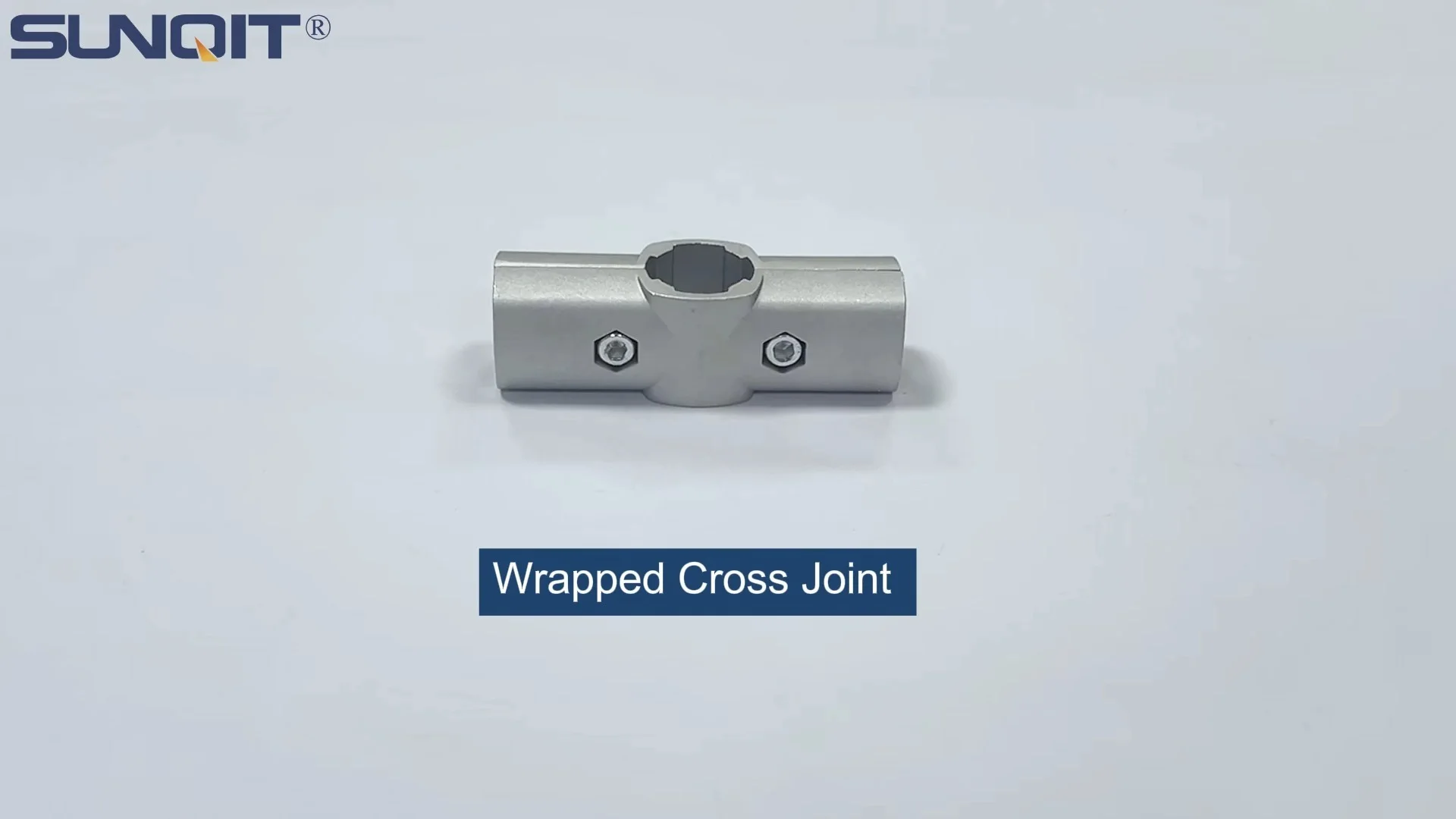
Walk into any busy manufacturing plant, a coastal warehouse, or a food processing facility, and you'll likely spot a network of aluminum pipes and joints holding everything together—from workbenches and material racks to conveyor systems and assembly lines. Among these components, the
three way aluminum pipe joint
stands out as a quiet workhorse. It's the unsung hero that connects multiple pipes at once, directing workflows, supporting heavy loads, and keeping operations running smoothly. But in environments where humidity hangs thick in the air—think coastal factories with salt-laden breezes or food plants with constant steam and moisture—this small but critical part faces a silent enemy: corrosion.
Corrosion isn't just a cosmetic issue. When a three way aluminum pipe joint starts to rust or degrade, it weakens the entire structure. A loose joint might cause a workbench to wobble, a material rack to sag, or a conveyor to jam—leading to downtime, safety risks, and costly repairs. In worst-case scenarios, corrosion can compromise the integrity of an entire lean system, turning a well-oiled operation into a frustrating mess of broken parts. That's why protecting these joints from humidity-induced corrosion isn't just good maintenance—it's essential for keeping businesses productive and profitable.
In this article, we'll dive into the world of corrosion resistance for three way aluminum pipe joints, focusing on the unique challenges of humid environments. We'll explore why aluminum is both a blessing and a curse in these settings, break down the science of corrosion, and share practical strategies to keep your joints strong, reliable, and rust-free. Whether you're a plant manager, a maintenance technician, or someone who simply wants to get the most out of their aluminum systems, this guide will arm you with the knowledge to protect your investments and keep your operations moving forward.
Corrosion isn't just a cosmetic issue. When a three way aluminum pipe joint starts to rust or degrade, it weakens the entire structure. A loose joint might cause a workbench to wobble, a material rack to sag, or a conveyor to jam—leading to downtime, safety risks, and costly repairs. In worst-case scenarios, corrosion can compromise the integrity of an entire lean system, turning a well-oiled operation into a frustrating mess of broken parts. That's why protecting these joints from humidity-induced corrosion isn't just good maintenance—it's essential for keeping businesses productive and profitable.
In this article, we'll dive into the world of corrosion resistance for three way aluminum pipe joints, focusing on the unique challenges of humid environments. We'll explore why aluminum is both a blessing and a curse in these settings, break down the science of corrosion, and share practical strategies to keep your joints strong, reliable, and rust-free. Whether you're a plant manager, a maintenance technician, or someone who simply wants to get the most out of their aluminum systems, this guide will arm you with the knowledge to protect your investments and keep your operations moving forward.
Understanding Corrosion: Why Aluminum Struggles in Humid Air
Aluminum is a popular choice for industrial systems for good reason: it's lightweight, affordable, and easy to shape into pipes, joints, and
aluminum profile
structures. But when it comes to humidity, aluminum has a Achilles' heel. To understand why, let's start with the basics of how corrosion works.
Corrosion is essentially a chemical reaction between a metal and its environment, and humidity acts as a catalyst. Aluminum, like most metals, reacts with oxygen in the air to form a thin, protective layer of aluminum oxide (Al₂O₃) on its surface. This layer is usually just a few nanometers thick, but it's dense and adherent, acting like a shield that prevents further oxidation. In dry environments, this natural barrier is often enough to keep corrosion at bay. But in humid conditions, things get complicated.
Humidity introduces moisture, which dissolves salts, acids, and other contaminants in the air (think coastal salt spray or industrial pollutants). This creates an electrolyte solution that breaks down aluminum's oxide layer. Instead of forming a uniform shield, the metal starts to corrode unevenly. Pitting corrosion is a common culprit here—small, localized holes that eat through the metal, weakening the joint from the inside out. Galvanic corrosion is another risk: if the aluminum joint comes into contact with a different metal (like steel fasteners or copper wiring) in the presence of moisture, an electric current forms, accelerating corrosion of the aluminum.
The problem is compounded in enclosed or poorly ventilated spaces, where humid air gets trapped. In a food processing plant, for example, steam from washing stations can linger, condensing on cold aluminum surfaces and creating the perfect conditions for corrosion. In coastal areas, salt in the air dissolves in moisture, creating a highly corrosive solution that attacks the joint's surface. Over time, even a small amount of corrosion can turn a tight, secure joint into a loose, unreliable connection—putting the entire system at risk.
Corrosion is essentially a chemical reaction between a metal and its environment, and humidity acts as a catalyst. Aluminum, like most metals, reacts with oxygen in the air to form a thin, protective layer of aluminum oxide (Al₂O₃) on its surface. This layer is usually just a few nanometers thick, but it's dense and adherent, acting like a shield that prevents further oxidation. In dry environments, this natural barrier is often enough to keep corrosion at bay. But in humid conditions, things get complicated.
Humidity introduces moisture, which dissolves salts, acids, and other contaminants in the air (think coastal salt spray or industrial pollutants). This creates an electrolyte solution that breaks down aluminum's oxide layer. Instead of forming a uniform shield, the metal starts to corrode unevenly. Pitting corrosion is a common culprit here—small, localized holes that eat through the metal, weakening the joint from the inside out. Galvanic corrosion is another risk: if the aluminum joint comes into contact with a different metal (like steel fasteners or copper wiring) in the presence of moisture, an electric current forms, accelerating corrosion of the aluminum.
The problem is compounded in enclosed or poorly ventilated spaces, where humid air gets trapped. In a food processing plant, for example, steam from washing stations can linger, condensing on cold aluminum surfaces and creating the perfect conditions for corrosion. In coastal areas, salt in the air dissolves in moisture, creating a highly corrosive solution that attacks the joint's surface. Over time, even a small amount of corrosion can turn a tight, secure joint into a loose, unreliable connection—putting the entire system at risk.
The Critical Role of Three Way Aluminum Pipe Joints in Lean Systems
To appreciate why protecting three way aluminum pipe joints matters, let's first understand what they do. In lean manufacturing systems—where efficiency and flexibility are key—these joints are the "crossroads" of the operation. A three way joint connects three pipes at once, allowing for branching structures: imagine a workbench with a side shelf, a material rack with multiple levels, or a conveyor system that splits into two lines. They're designed to be strong yet modular, so you can reconfigure your setup as needs change—no welding or heavy tools required.
But this flexibility comes with a trade-off: three way joints are under constant stress. They bear the weight of pipes, shelves, and whatever's placed on them, while also absorbing vibrations from machinery or movement of materials. In humid environments, this stress becomes a double whammy. Corrosion weakens the joint's material, making it more prone to bending or breaking under load. Even a tiny pit in the metal can act as a stress concentrator, leading to cracks that spread over time.
Consider a typical scenario: a lean system in a pharmaceutical warehouse, where three way joints hold up a rack of temperature-sensitive medications. If the warehouse is in a humid climate and the joints corrode, the rack might start to tilt. Not only does this risk damaging the products, but it could also cause the entire structure to collapse. In a factory, a corroded three way joint on a conveyor system might seize up, jamming the line and halting production. The cost of downtime here isn't just in repairs—it's in missed deadlines, lost revenue, and frustrated teams.
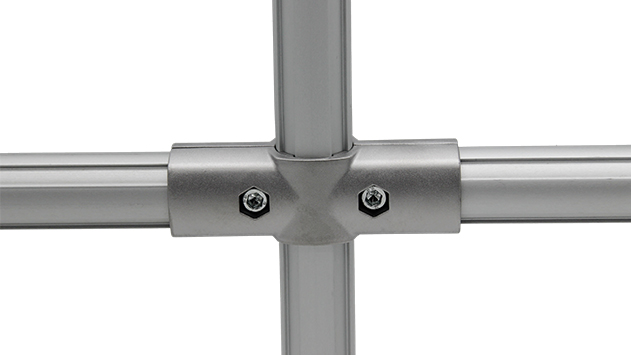
What makes three way joints especially vulnerable is their design. They often have crevices where pipes meet, tight corners that trap moisture, and threaded or pressed connections that can loosen over time. These are all prime spots for corrosion to take hold. Without proper protection, even the best-made aluminum joint will start to degrade in high humidity—turning a reliable component into a liability.
But this flexibility comes with a trade-off: three way joints are under constant stress. They bear the weight of pipes, shelves, and whatever's placed on them, while also absorbing vibrations from machinery or movement of materials. In humid environments, this stress becomes a double whammy. Corrosion weakens the joint's material, making it more prone to bending or breaking under load. Even a tiny pit in the metal can act as a stress concentrator, leading to cracks that spread over time.
Consider a typical scenario: a lean system in a pharmaceutical warehouse, where three way joints hold up a rack of temperature-sensitive medications. If the warehouse is in a humid climate and the joints corrode, the rack might start to tilt. Not only does this risk damaging the products, but it could also cause the entire structure to collapse. In a factory, a corroded three way joint on a conveyor system might seize up, jamming the line and halting production. The cost of downtime here isn't just in repairs—it's in missed deadlines, lost revenue, and frustrated teams.
What makes three way joints especially vulnerable is their design. They often have crevices where pipes meet, tight corners that trap moisture, and threaded or pressed connections that can loosen over time. These are all prime spots for corrosion to take hold. Without proper protection, even the best-made aluminum joint will start to degrade in high humidity—turning a reliable component into a liability.
Material Matters: Aluminum vs. Stainless Steel in Humid Environments
When it comes to corrosion resistance, one question often arises: Why use aluminum at all? Why not switch to stainless steel, which is known for its rust-resistant properties? It's a fair point—and the answer lies in balance. Aluminum is lightweight, affordable, and easy to work with, making it ideal for lean systems that need to be reconfigured quickly. Stainless steel, part of the
stainless steel pipe series
, is indeed more corrosion-resistant, thanks to its high chromium content (which forms a protective oxide layer similar to aluminum's, but more durable in harsh environments). However, it's heavier, more expensive, and less flexible—factors that can drive up costs and limit adaptability.
For many businesses, aluminum strikes the right balance between performance and cost—provided it's properly protected. The key is to understand the limitations of aluminum in humid environments and take steps to them. Let's break down the pros and cons:
Aluminum: - Pros: Lightweight (easy to install and reconfigure), low cost, good thermal conductivity (prevents condensation in some cases), and compatible with a wide range of aluminum pipe accessories (like gaskets, clamps, and end caps). - Cons: Vulnerable to pitting and galvanic corrosion in humid, salty, or acidic environments; natural oxide layer can be compromised by moisture and contaminants.
Stainless Steel (Stainless Steel Pipe Series): - Pros: Excellent corrosion resistance in high humidity, salt, and chemicals; stronger than aluminum, making it better for heavy loads. - Cons: Heavier (harder to reconfigure), more expensive (up to 3x the cost of aluminum), and less flexible (requires specialized tools for cutting and joining).
For most lean systems—especially those that need frequent reconfiguration or are used in low to moderate humidity—aluminum is still the go-to choice. The trick is to enhance its natural corrosion resistance with protective measures, which we'll explore next. For extreme environments (like marine settings or chemical plants), stainless steel might be worth the investment—but even then, proper maintenance is key to maximizing lifespan.
For many businesses, aluminum strikes the right balance between performance and cost—provided it's properly protected. The key is to understand the limitations of aluminum in humid environments and take steps to them. Let's break down the pros and cons:
Aluminum: - Pros: Lightweight (easy to install and reconfigure), low cost, good thermal conductivity (prevents condensation in some cases), and compatible with a wide range of aluminum pipe accessories (like gaskets, clamps, and end caps). - Cons: Vulnerable to pitting and galvanic corrosion in humid, salty, or acidic environments; natural oxide layer can be compromised by moisture and contaminants.
Stainless Steel (Stainless Steel Pipe Series): - Pros: Excellent corrosion resistance in high humidity, salt, and chemicals; stronger than aluminum, making it better for heavy loads. - Cons: Heavier (harder to reconfigure), more expensive (up to 3x the cost of aluminum), and less flexible (requires specialized tools for cutting and joining).
For most lean systems—especially those that need frequent reconfiguration or are used in low to moderate humidity—aluminum is still the go-to choice. The trick is to enhance its natural corrosion resistance with protective measures, which we'll explore next. For extreme environments (like marine settings or chemical plants), stainless steel might be worth the investment—but even then, proper maintenance is key to maximizing lifespan.

Protective Strategies: Keeping Humidity at Bay
Protecting three way aluminum pipe joints from humidity-induced corrosion isn't a one-size-fits-all solution—it requires a mix of material selection, design tweaks, and proactive maintenance. Let's dive into the most effective strategies:
1. Surface Treatments: Strengthening the Shield The first line of defense is enhancing aluminum's natural oxide layer with surface treatments. Anodizing is a popular option: an electrochemical process that thickens the oxide layer, making it more resistant to moisture and abrasion. Anodized aluminum has a matte, durable finish that can withstand high humidity better than untreated metal. Powder coating is another choice: a dry powder is electrostatically applied to the joint, then baked to form a hard, protective layer. It's available in a range of colors and can add an extra barrier against moisture and chemicals.
For even greater protection, consider chromate conversion coating—a chemical treatment that forms a thin, adhesive layer on the aluminum surface. It's often used as a primer before painting or powder coating, improving adhesion and corrosion resistance. In humid environments, combining anodizing with a sealant (like silicone or polyurethane) can create a double barrier, sealing pores in the oxide layer and preventing moisture from seeping in.
2. Choosing the Right Aluminum Pipe Accessories The accessories you pair with your three way joints play a big role in corrosion resistance. Avoid mixing metals: if your joint is aluminum, use aluminum or stainless steel fasteners (never plain steel, which can cause galvanic corrosion). Rubber or plastic gaskets can help seal connections, preventing moisture from getting trapped between pipes and joints. Look for aluminum pipe accessories designed for humid environments—like EPDM gaskets (resistant to moisture and heat) or nylon washers (non-conductive, preventing galvanic corrosion).
Threaded connections are another area to watch. When assembling joints, apply a corrosion-resistant thread sealant (like Teflon tape or anaerobic sealant) to fill gaps and prevent moisture from seeping into threads. For press-fit joints, ensure the fit is tight but not so tight that it traps moisture—leaving a small drainage hole (if possible) can help release trapped water.
3. Design for Drainage and Ventilation Sometimes, the best defense is a good offense—designing your system to minimize moisture buildup in the first place. When installing three way joints, position them so that water can drain away, not pool. For example, angle joints slightly downward so condensation runs off instead of collecting in crevices. In enclosed areas (like under workbenches or inside material racks), add ventilation holes to allow humid air to circulate and escape.
Avoid tight, enclosed spaces where moisture can linger. If you're building a workbench with a three way joint, leave a small gap between the joint and the shelf to promote airflow. In outdoor or semi-outdoor settings, use covered structures to shield joints from rain and direct exposure to humidity.
4. Environmental Controls: Taming the Humidity In extreme cases, controlling the environment itself might be necessary. Dehumidifiers can reduce moisture levels in enclosed spaces like warehouses or factories, making it harder for corrosion to take hold. For coastal areas, air filtration systems can remove salt particles from the air, reducing the electrolyte solution that accelerates corrosion. Even simple steps like opening windows or using fans to improve ventilation can make a big difference in reducing humidity buildup.
5. Regular Maintenance: Catching Corrosion Early No protective strategy is foolproof—regular maintenance is essential to spot issues before they escalate. Inspect three way joints monthly for signs of corrosion: discoloration (white, gray, or black spots), pitting, or loose connections. Clean joints with a mild detergent and soft brush to remove salt, dirt, and other contaminants, then dry thoroughly to prevent moisture buildup. For moving parts (like adjustable joints), apply a corrosion-resistant lubricant (like silicone spray) to keep them moving smoothly and protect against moisture.
If you spot early signs of corrosion, act fast. Small pits can be treated with a corrosion inhibitor (like a chromate-based solution) to stop spread. For more severe damage, replace the joint immediately—don't wait for it to fail. Keeping a stock of spare joints and accessories on hand can minimize downtime when replacements are needed.
1. Surface Treatments: Strengthening the Shield The first line of defense is enhancing aluminum's natural oxide layer with surface treatments. Anodizing is a popular option: an electrochemical process that thickens the oxide layer, making it more resistant to moisture and abrasion. Anodized aluminum has a matte, durable finish that can withstand high humidity better than untreated metal. Powder coating is another choice: a dry powder is electrostatically applied to the joint, then baked to form a hard, protective layer. It's available in a range of colors and can add an extra barrier against moisture and chemicals.
For even greater protection, consider chromate conversion coating—a chemical treatment that forms a thin, adhesive layer on the aluminum surface. It's often used as a primer before painting or powder coating, improving adhesion and corrosion resistance. In humid environments, combining anodizing with a sealant (like silicone or polyurethane) can create a double barrier, sealing pores in the oxide layer and preventing moisture from seeping in.
2. Choosing the Right Aluminum Pipe Accessories The accessories you pair with your three way joints play a big role in corrosion resistance. Avoid mixing metals: if your joint is aluminum, use aluminum or stainless steel fasteners (never plain steel, which can cause galvanic corrosion). Rubber or plastic gaskets can help seal connections, preventing moisture from getting trapped between pipes and joints. Look for aluminum pipe accessories designed for humid environments—like EPDM gaskets (resistant to moisture and heat) or nylon washers (non-conductive, preventing galvanic corrosion).
Threaded connections are another area to watch. When assembling joints, apply a corrosion-resistant thread sealant (like Teflon tape or anaerobic sealant) to fill gaps and prevent moisture from seeping into threads. For press-fit joints, ensure the fit is tight but not so tight that it traps moisture—leaving a small drainage hole (if possible) can help release trapped water.
3. Design for Drainage and Ventilation Sometimes, the best defense is a good offense—designing your system to minimize moisture buildup in the first place. When installing three way joints, position them so that water can drain away, not pool. For example, angle joints slightly downward so condensation runs off instead of collecting in crevices. In enclosed areas (like under workbenches or inside material racks), add ventilation holes to allow humid air to circulate and escape.
Avoid tight, enclosed spaces where moisture can linger. If you're building a workbench with a three way joint, leave a small gap between the joint and the shelf to promote airflow. In outdoor or semi-outdoor settings, use covered structures to shield joints from rain and direct exposure to humidity.
4. Environmental Controls: Taming the Humidity In extreme cases, controlling the environment itself might be necessary. Dehumidifiers can reduce moisture levels in enclosed spaces like warehouses or factories, making it harder for corrosion to take hold. For coastal areas, air filtration systems can remove salt particles from the air, reducing the electrolyte solution that accelerates corrosion. Even simple steps like opening windows or using fans to improve ventilation can make a big difference in reducing humidity buildup.
5. Regular Maintenance: Catching Corrosion Early No protective strategy is foolproof—regular maintenance is essential to spot issues before they escalate. Inspect three way joints monthly for signs of corrosion: discoloration (white, gray, or black spots), pitting, or loose connections. Clean joints with a mild detergent and soft brush to remove salt, dirt, and other contaminants, then dry thoroughly to prevent moisture buildup. For moving parts (like adjustable joints), apply a corrosion-resistant lubricant (like silicone spray) to keep them moving smoothly and protect against moisture.
If you spot early signs of corrosion, act fast. Small pits can be treated with a corrosion inhibitor (like a chromate-based solution) to stop spread. For more severe damage, replace the joint immediately—don't wait for it to fail. Keeping a stock of spare joints and accessories on hand can minimize downtime when replacements are needed.

Comparing Protective Treatments: Which is Right for Your Joints?
With so many surface treatments and protective methods available, it can be hard to choose the best one for your three way aluminum pipe joints. To simplify, we've put together a comparison table of the most common options, focusing on their effectiveness in humid environments, cost, and ease of application:
As the table shows, powder coating offers the best combination of durability and moisture resistance, making it ideal for humid or harsh environments. Anodizing is a cost-effective middle ground, while chromate conversion coating works well for indoor systems on a budget. For temporary fixes, silicone sealant can buy time until a more permanent solution is applied. Ultimately, the right choice depends on your environment, budget, and how critical the joint is to your operation.
| Protective Treatment | Effectiveness in High Humidity | Cost (per Joint) | Application Difficulty | Best For |
|---|---|---|---|---|
| Anodizing | High (thickened oxide layer resists moisture) | $5–$10 (bulk pricing available) | Medium (requires specialized equipment) | Coastal or industrial environments with moderate humidity |
| Powder Coating | Very High (thick, durable layer seals out moisture) | $8–$15 | High (needs professional application) | Food processing, pharmaceutical, or cleanroom environments |
| Chromate Conversion Coating | Medium-High (chemical barrier; good for indoor use) | $2–$5 | Low (can be applied with spray or dip) | Indoor systems with low to moderate humidity |
| Silicone Sealant | Medium (seals gaps; temporary solution) | $1–$3 | Very Low (DIY application) | Quick fixes or temporary protection during maintenance |
| Stainless Steel Plating | Very High (combines aluminum's lightness with stainless steel's resistance) | $15–$30 | High (requires electroplating equipment) | Extreme environments (marine, chemical plants) |
As the table shows, powder coating offers the best combination of durability and moisture resistance, making it ideal for humid or harsh environments. Anodizing is a cost-effective middle ground, while chromate conversion coating works well for indoor systems on a budget. For temporary fixes, silicone sealant can buy time until a more permanent solution is applied. Ultimately, the right choice depends on your environment, budget, and how critical the joint is to your operation.
Real-World Success: A Food Plant's Fight Against Humidity
Let's put these strategies into context with a real-world example. A mid-sized food processing plant in Savannah, Georgia—a coastal city with hot, humid summers and frequent rain—was struggling with corrosion on their lean system joints. The plant used three way aluminum pipe joints to support conveyor systems, workbenches, and material racks, but within six months of installation, many joints were showing signs of pitting and rust. Downtime was increasing as joints loosened, and maintenance costs were adding up.
The plant's maintenance team started by assessing the environment: steam from washing stations, high humidity (often above 80% in summer), and salt in the air from nearby shipping ports. They realized their untreated aluminum joints were no match for these conditions. Working with their aluminum profile supplier, they developed a three-part plan:
1. Upgrading to Anodized Joints All new three way joints were anodized, thickening their oxide layer to resist moisture and salt. Existing joints were cleaned, treated with a chromate conversion coating, and sealed with silicone to extend their lifespan.
2. Redesigning for Drainage Conveyor systems and material racks were reconfigured to angle joints downward, allowing condensation to drain instead of pooling. Ventilation fans were added under workbenches to improve airflow and reduce humidity buildup.
3. Implementing a Maintenance Routine The team started inspecting joints weekly, cleaning them with a mild detergent, and applying a corrosion-resistant lubricant to moving parts. They also installed dehumidifiers in key areas, keeping humidity levels below 60%.
The results were dramatic: Within three months, corrosion rates dropped by 75%. Joint failures decreased from once a week to once every three months, and maintenance costs fell by 40%. The plant was able to reallocate funds to other projects, and employees reported fewer disruptions to their workflow.
This example shows that with the right strategies, even the most humid environments can be managed. By combining surface treatments, design tweaks, and proactive maintenance, the plant turned a costly problem into a competitive advantage—proving that protecting three way aluminum pipe joints isn't just about preventing corrosion; it's about keeping your entire operation strong, efficient, and ready for whatever the environment throws at it.
The plant's maintenance team started by assessing the environment: steam from washing stations, high humidity (often above 80% in summer), and salt in the air from nearby shipping ports. They realized their untreated aluminum joints were no match for these conditions. Working with their aluminum profile supplier, they developed a three-part plan:
1. Upgrading to Anodized Joints All new three way joints were anodized, thickening their oxide layer to resist moisture and salt. Existing joints were cleaned, treated with a chromate conversion coating, and sealed with silicone to extend their lifespan.
2. Redesigning for Drainage Conveyor systems and material racks were reconfigured to angle joints downward, allowing condensation to drain instead of pooling. Ventilation fans were added under workbenches to improve airflow and reduce humidity buildup.
3. Implementing a Maintenance Routine The team started inspecting joints weekly, cleaning them with a mild detergent, and applying a corrosion-resistant lubricant to moving parts. They also installed dehumidifiers in key areas, keeping humidity levels below 60%.
The results were dramatic: Within three months, corrosion rates dropped by 75%. Joint failures decreased from once a week to once every three months, and maintenance costs fell by 40%. The plant was able to reallocate funds to other projects, and employees reported fewer disruptions to their workflow.
This example shows that with the right strategies, even the most humid environments can be managed. By combining surface treatments, design tweaks, and proactive maintenance, the plant turned a costly problem into a competitive advantage—proving that protecting three way aluminum pipe joints isn't just about preventing corrosion; it's about keeping your entire operation strong, efficient, and ready for whatever the environment throws at it.
Conclusion: Investing in Corrosion Resistance for Long-Term Success
Three way aluminum pipe joints may be small components, but they play a huge role in keeping lean systems running smoothly. In humid environments, their vulnerability to corrosion puts operations at risk—but with the right protective strategies, you can keep them strong and reliable for years to come.
The key takeaways? Understand the science of corrosion and how humidity accelerates it. Choose the right materials (aluminum for flexibility, stainless steel for extreme environments) and enhance their resistance with surface treatments like anodizing or powder coating. Pair joints with corrosion-resistant accessories, design systems for drainage and ventilation, and control humidity where possible. And above all, stay proactive with maintenance—inspect, clean, and repair joints regularly to catch issues before they escalate.
At the end of the day, protecting three way aluminum pipe joints isn't just about avoiding downtime or repair costs. It's about building a lean system that's resilient, adaptable, and built to last. In a world where efficiency and reliability are everything, corrosion resistance isn't an afterthought—it's a cornerstone of success.
So the next time you walk through your facility, take a moment to look at those three way joints. They might be quiet, but they're working hard. Give them the protection they deserve, and they'll keep your operation moving forward—no matter how humid it gets.
The key takeaways? Understand the science of corrosion and how humidity accelerates it. Choose the right materials (aluminum for flexibility, stainless steel for extreme environments) and enhance their resistance with surface treatments like anodizing or powder coating. Pair joints with corrosion-resistant accessories, design systems for drainage and ventilation, and control humidity where possible. And above all, stay proactive with maintenance—inspect, clean, and repair joints regularly to catch issues before they escalate.
At the end of the day, protecting three way aluminum pipe joints isn't just about avoiding downtime or repair costs. It's about building a lean system that's resilient, adaptable, and built to last. In a world where efficiency and reliability are everything, corrosion resistance isn't an afterthought—it's a cornerstone of success.
So the next time you walk through your facility, take a moment to look at those three way joints. They might be quiet, but they're working hard. Give them the protection they deserve, and they'll keep your operation moving forward—no matter how humid it gets.