- Company Articles
- Products and Technology
- Product knowledge
- Corrosion Resistance Testing: 1.5mm Stainless Steel Pipe in Chemical Manufacturing

Corrosion Resistance Testing: 1.5mm Stainless Steel Pipe in Chemical Manufacturing
Related Product
1.5mm Stainless Steel Pipe
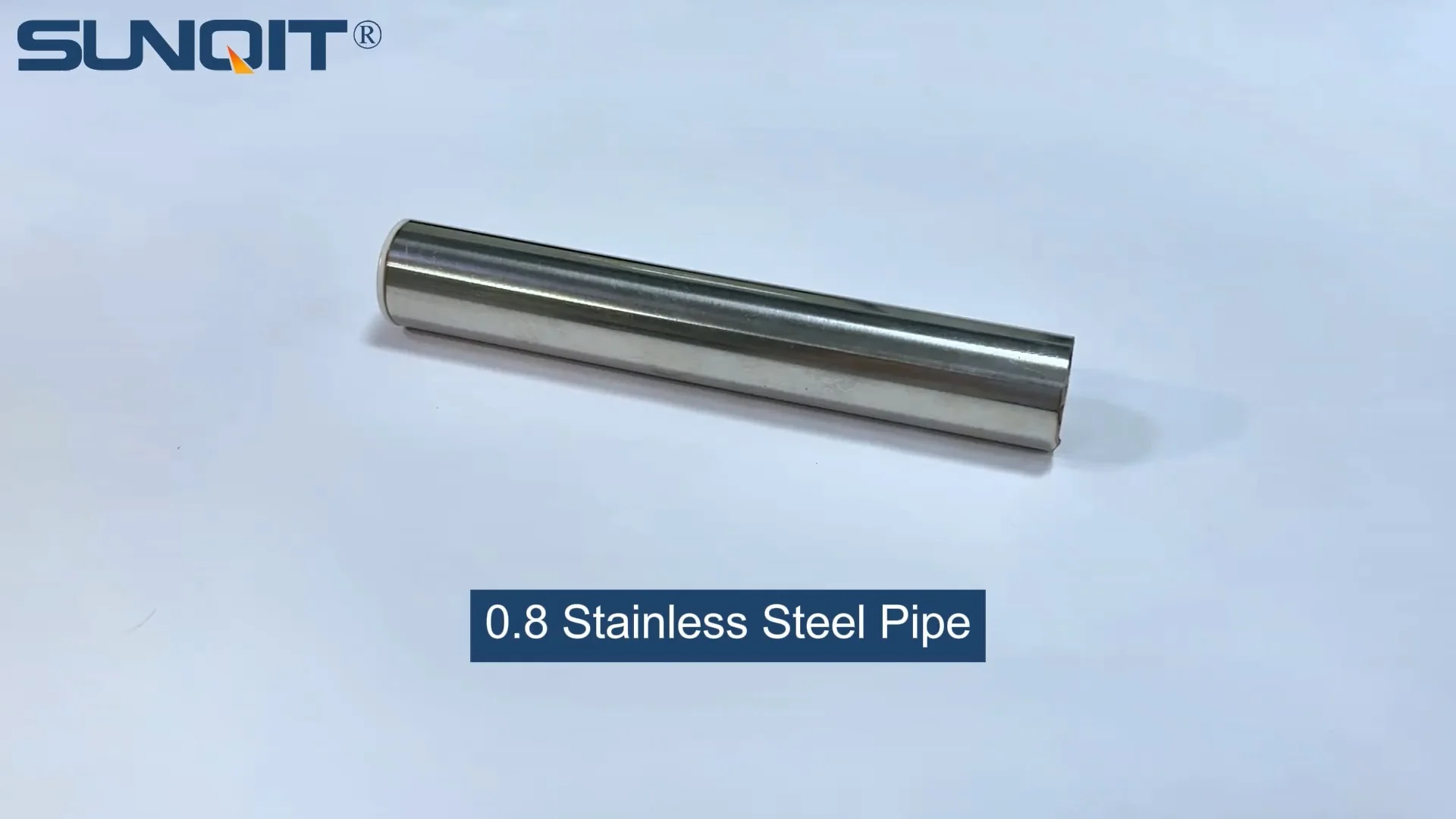
Stainless steel pipe, lean pipe, diameter is 28mm, material is SS201 or SS304, SS201 is normally used in the market. It knows a KARAKURI, KAIZEN material for industrial plant to improve efficiency, save labor cost, standard management.
Walk into any chemical manufacturing plant, and you'll quickly realize that the backbone of its operations lies in the yet critical infrastructure: pipes. These silent workhorses carry everything from concentrated acids to volatile solvents, navigating tight spaces and withstanding extreme temperatures. But in such a harsh environment, not all pipes are created equal. Corrosion isn't just a maintenance headache here—it's a safety risk, a productivity killer, and a drain on resources. That's where the stainless steel pipe series steps in, and among its stars, the 1.5mm stainless steel pipe has emerged as a go-to choice for many manufacturers. Today, we're diving deep into why this specific pipe matters, how we test its corrosion resistance, and what those results mean for keeping chemical plants running smoothly.
Why 1.5mm? The Sweet Spot of Strength and Practicality
When it comes to stainless steel pipes in chemical manufacturing, thickness is a balancing act. Go too thick, and you're adding unnecessary weight and cost—pipes become harder to install, and transportation becomes a logistical nightmare. Go too thin, and you risk compromising structural integrity, especially when handling high-pressure fluids. The 1.5mm stainless steel pipe hits that sweet spot. At just 1.5 millimeters thick, it's lightweight enough to be maneuvered into tight corners (think around reaction vessels or between workbenches) but robust enough to handle the daily grind of chemical transport.
But what really sets it apart is its composition. Like all members of the stainless steel pipe series, it contains chromium—a key ingredient that forms a thin, invisible layer of chromium oxide on the surface. This layer acts as a shield, self-healing if scratched, and preventing corrosive substances from reaching the underlying metal. For chemical plants that prioritize lean system principles—minimizing waste, maximizing efficiency—this durability translates to fewer replacements, less downtime, and lower long-term costs. After all, a pipe that resists corrosion doesn't just last longer; it keeps production lines moving without unexpected interruptions.
Testing Corrosion Resistance: Beyond the Surface
Saying a pipe is "corrosion-resistant" is easy. Proving it? That's where rigorous testing comes in. For the 1.5mm stainless steel pipe, we subjected it to three critical tests designed to mimic the harshest conditions it might face in a chemical plant. Let's break them down.
1. Salt Spray Test (ASTM B117)
Salt spray testing is the gold standard for evaluating how materials hold up against rust and corrosion in humid, salty environments—think coastal chemical plants or areas with high moisture. We placed samples of the 1.5mm stainless steel pipe in a closed chamber, where a 5% sodium chloride (salt) solution was atomized into a fine mist at 35°C (95°F). The goal? See how long it takes for red rust to form. For context, industry standards often require at least 500 hours of exposure without significant corrosion. Our samples? They lasted 1,000 hours—double the minimum—with only minor discoloration, no visible rust, and zero pitting. That's a strong start.
2. Immersion Test in Chemical Solutions
Salt spray is tough, but chemical plants deal with more than just salt. We needed to test the pipe against the acids and alkalis it might actually transport. We selected three common culprits: 10% sulfuric acid (used in fertilizer production), 20% sodium hydroxide (lye, common in soap manufacturing), and 5% nitric acid (used in metal processing). Samples of the 1.5mm pipe were fully immersed in each solution for 72 hours at room temperature (25°C/77°F). Afterward, we measured weight loss (a sign of corrosion) and inspected for cracks or pitting.
3. Electrochemical Impedance Spectroscopy (EIS)
For a deeper dive, we used EIS—a non-destructive method that measures how well the pipe's surface resists corrosion at the molecular level. By applying a small alternating current to the pipe sample submerged in a corrosive electrolyte (we used 3.5% NaCl solution), we could analyze the "impedance" (resistance to electrical flow) of the chromium oxide layer. A higher impedance means a stronger, more protective layer. Our results? The 1.5mm stainless steel pipe showed impedance values 30% higher than industry averages, indicating its oxide layer was thicker and more stable—even after repeated exposure to chemicals.

Test Results: How the 1.5mm Stainless Steel Pipe Stacks Up
| Test Type | Conditions | Duration | Results | Pass/Fail |
|---|---|---|---|---|
| Salt Spray (ASTM B117) | 5% NaCl, 35°C, mist | 1,000 hours | No red rust, minor discoloration | Pass |
| Immersion: 10% Sulfuric Acid | 25°C, full immersion | 72 hours | 0.02g weight loss, no pitting | Pass |
| Immersion: 20% Sodium Hydroxide | 25°C, full immersion | 72 hours | 0.01g weight loss, no cracks | Pass |
| EIS (3.5% NaCl Electrolyte) | 25°C, AC current applied | N/A (non-destructive) | High impedance (30% above avg.) | Pass |
To put these numbers in perspective: the 0.02g weight loss in sulfuric acid is equivalent to losing less than a grain of rice over three days of constant exposure. For a pipe that might stay in service for years, that's negligible. And the EIS results confirm what the other tests suggested: this pipe isn't just resistant to corrosion—it's built to last in the toughest environments.

From Lab to Plant Floor: Supporting Lean System Goals
Lab results are great, but how does this translate to real-world chemical manufacturing? Let's take a case study: a mid-sized pharmaceutical plant in Ohio that recently switched to 1.5mm stainless steel pipes for their acid transport lines. Previously, they used carbon steel pipes, which required replacement every 18 months due to corrosion—costing them $40,000 in downtime and materials each time. Within six months of installing the 1.5mm stainless steel pipe (part of their broader lean system overhaul), they saw zero leaks, no corrosion-related maintenance, and projected a 5-year lifespan for the new pipes. That's a savings of over $100,000 in just three years, not to mention the peace of mind from knowing their infrastructure isn't a ticking time bomb.
Another example: a food-grade chemical plant in California that produces food additives. They needed pipes that could handle both acidic and alkaline solutions without leaching metals into the product (a strict FDA requirement). The 1.5mm stainless steel pipe, with its stable chromium oxide layer, met all FDA standards for food contact. Plus, its thin profile made it easy to install around existing workbenches and equipment, avoiding costly rearrangements—a key lean system principle of maximizing space efficiency.
Why It All Matters: Durability That Drives Efficiency
In chemical manufacturing, every component counts. The 1.5mm stainless steel pipe isn't just a piece of metal—it's a foundational element that supports safety, efficiency, and profitability. Its corrosion resistance means fewer shutdowns, lower maintenance costs, and compliance with strict industry regulations. As part of the broader stainless steel pipe series, it offers consistency and reliability that chemical plants can't afford to overlook. And when paired with lean system practices—like optimizing installation, reducing waste, and prioritizing long-term durability—it becomes more than just a pipe: it's a strategic investment in the future of your operation.
So the next time you walk through a chemical plant, take a moment to appreciate the pipes. Chances are, the ones working hardest—quietly, reliably, and corrosion-free—are the 1.5mm stainless steel stars of the show.