- Company Articles
- Products and Technology
- Product knowledge
- Corrosion Resistance: Using 40 Aluminum Roller Track Grey in Wet or Humid Areas

Corrosion Resistance: Using 40 Aluminum Roller Track Grey in Wet or Humid Areas
Related Product
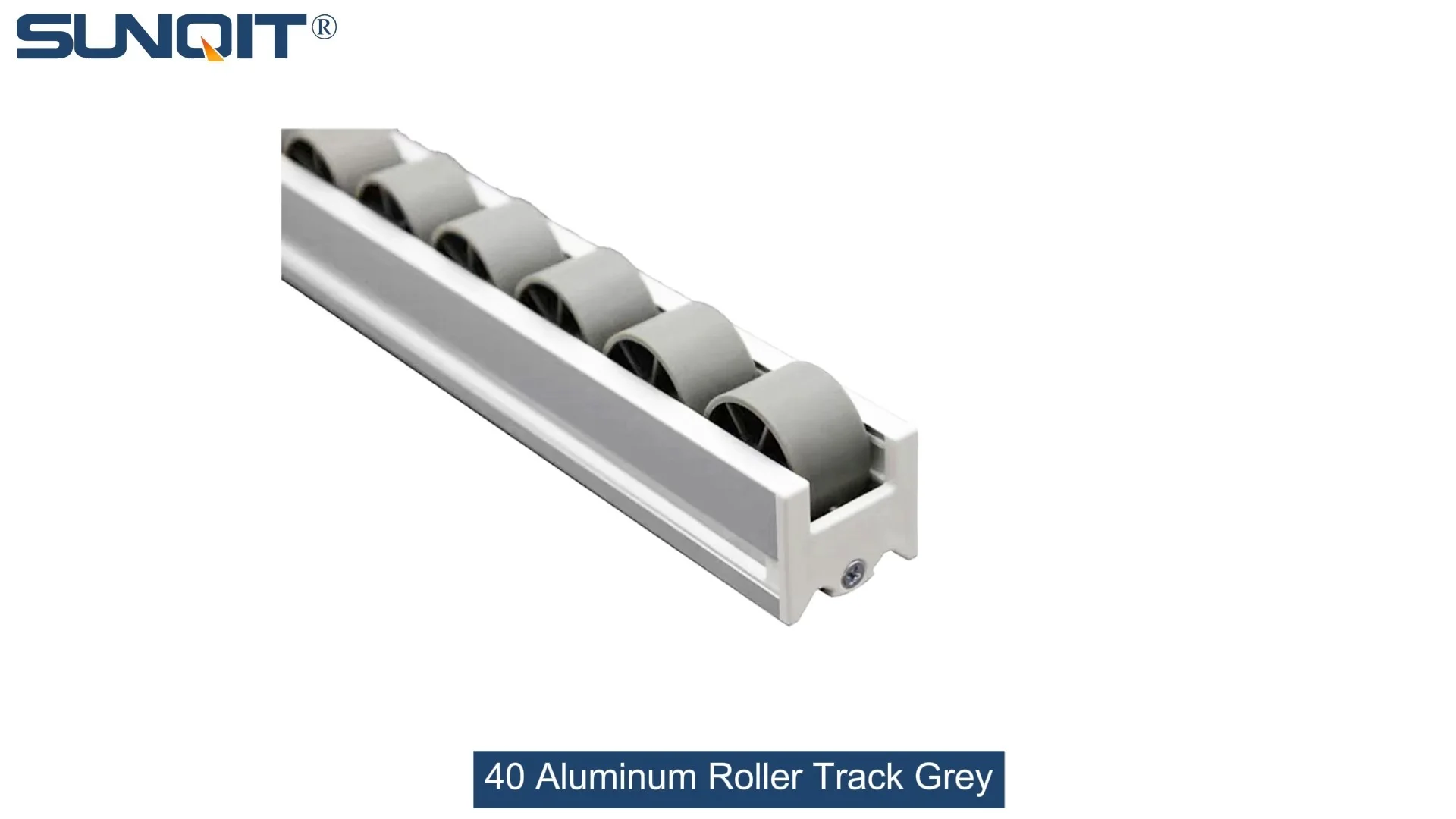
40 Aluminum Roller Track Grey
Durable and smooth-running modular roller rails. The system is fully assembled. The roller rail profile contains plastic rollers mounted on steel axles. Aluminum frame with plastic wheel make it anti corrosion,and material convey more smooth.
On a muggy July afternoon in a coastal electronics factory, Raj, the production supervisor, kneels beside a stalled conveyor line. The culprit? A corroded roller track, its once-sleek metal surface now pitted with rust, causing the plastic bins carrying circuit boards to jam. "This is the third time this month," he mutters, wiping sweat from his brow. The factory's proximity to the ocean means constant humidity, and even with regular cleaning, the steel roller tracks just can't keep up. Downtime is mounting, and frustration is building among the team. If only there was a solution that could stand up to the moisture without sacrificing performance.
This scenario is all too familiar for facility managers, warehouse supervisors, and production leads working in wet or humid environments. Corrosion isn't just a cosmetic issue—it's a productivity killer. It slows workflows, increases maintenance costs, and even poses safety risks when components fail. But what if there was a roller track designed specifically to thrive in these challenging conditions? Enter the 40 Aluminum Roller Track Grey—a durable, corrosion-resistant solution that's changing the game for industries battling moisture. In this article, we'll dive into why this aluminum extrusion profile stands out, how it solves common corrosion problems, and where it can make the biggest impact in your operations.
The Hidden Cost of Corrosion in Industrial Settings
Corrosion is the silent enemy of industrial equipment. In wet or humid areas—think coastal facilities, food processing plants with daily washdowns, pharmaceutical cleanrooms with controlled humidity, or cold storage units where condensation forms—it's even more aggressive. When metal components like roller tracks are exposed to moisture, oxygen, and sometimes salt or chemicals, a chemical reaction occurs, breaking down the material over time. For steel roller tracks, this often means rust: flaky, red-brown deposits that gum up moving parts, create uneven surfaces, and weaken structural integrity.
The consequences go beyond aesthetics. A rusted roller track might cause products to get stuck, leading to production delays. In worst cases, a weakened track could collapse under load, risking damage to goods or injury to workers. Then there's the cost of maintenance: replacing corroded rollers, sanding and repainting tracks, or even swapping out entire sections of a conveyor system. A 2023 study by the National Association of Manufacturers found that U.S. factories lose an average of 5% of annual revenue to corrosion-related issues—money that could be invested in growth, training, or new technology.
Plastic roller tracks are sometimes marketed as a corrosion-free alternative, but they have their own drawbacks. They're less durable under heavy loads, can warp in high temperatures, and often lack the precision needed for smooth material flow. Stainless steel, while corrosion-resistant, comes with a steep price tag that many small to mid-sized operations can't justify. So, what's the middle ground? A material that offers the strength of metal, the corrosion resistance of plastic, and the affordability of standard steel. That's where aluminum comes in—and specifically, the 40 Aluminum Roller Track Grey.
Why Aluminum? The Science Behind Its Corrosion Resistance
Aluminum has long been prized for its ability to resist corrosion, but why is that? Unlike steel, which rusts when exposed to moisture, aluminum forms a protective barrier almost immediately upon contact with air. When oxygen hits the surface, it reacts to create a thin layer of aluminum oxide (Al₂O₃). This layer is just 0.00001 inches thick, but it's incredibly dense and adherent—meaning it doesn't flake off like rust. Instead, it acts as a shield, preventing further oxidation of the metal beneath. Even if the surface is scratched, the oxide layer reforms quickly, self-healing to maintain protection.
But not all aluminum products are created equal. The 40 Aluminum Roller Track Grey is made from high-grade aluminum extrusion profile—a manufacturing process that involves heating aluminum billets and forcing them through a die to create precise, uniform shapes. This process strengthens the metal by aligning its grain structure, making it more resistant to bending or warping under load. The result? A roller track that's both lightweight and strong, with a consistent cross-section that ensures smooth roller movement.
The "grey" in its name isn't just for show, either. The track is finished with a special powder coating that adds an extra layer of protection against moisture and chemicals. Unlike paint, which can chip or peel, powder coating is baked onto the surface, creating a tough, durable finish that resists scratches and abrasion. The neutral grey color also hides minor scuffs and dirt, keeping your workspace looking clean and professional—even in high-traffic areas.

40 Aluminum Roller Track Grey: Key Features That Make It Stand Out
So, what exactly sets the 40 Aluminum Roller Track Grey apart from other aluminum or metal roller tracks? Let's break down its standout features:
1. Precision Engineering with Aluminum Extrusion Profile : As mentioned, the track is made using aluminum extrusion, which ensures consistent dimensions and strength. The 40mm width (the "40" in its name) is a popular size for medium-duty applications, balancing load capacity with flexibility. Whether you're moving small parts bins or larger cartons, this track can handle weights up to 150 lbs per linear foot—more than enough for most assembly line or warehouse needs.
2. Corrosion Resistance, Inside and Out : The combination of aluminum's natural oxide layer and the grey powder coating makes this track nearly impervious to moisture. It stands up to daily exposure to humidity, rain, and even mild chemicals (like the sanitizers used in food processing plants). Unlike steel, it won't rust, and unlike some plastics, it won't degrade when exposed to UV light or temperature fluctuations.
3. Compatibility with Roller Track Accessories : One of the biggest advantages of the 40 Aluminum Roller Track Grey is its versatility. It works seamlessly with a wide range of roller track accessories—think connectors, brackets, end stops, and support mounts. This means you can customize your conveyor system to fit your space, whether you need straight runs, curves, or inclines. The track's T-slot design (a common feature in aluminum extrusion profiles) makes it easy to attach accessories without welding or drilling, saving time during installation and modifications.
4. Smooth, Quiet Operation : Aluminum is naturally lighter than steel, which reduces the amount of force needed to move items along the track. When paired with high-quality plastic or steel rollers (often included as part of roller track accessories), the result is a system that glides quietly and smoothly. No more loud, clanging metal-on-metal sounds—just the soft hum of efficient workflow.
5. Low Maintenance Requirements : Unlike steel tracks that need regular painting or galvanizing to prevent rust, the 40 Aluminum Roller Track Grey is virtually maintenance-free. A quick wipe with a damp cloth or mild detergent is usually enough to keep it clean. The powder coating resists stains, and the aluminum base won't corrode, so you can spend less time on upkeep and more time on keeping production moving.

Where 40 Aluminum Roller Track Grey Shines: Ideal Applications
This roller track isn't a one-size-fits-all solution—but it's a game-changer for specific industries and environments. Here are the areas where it delivers the most value:
Coastal Manufacturing Facilities : If your operation is near the ocean, salt-laden air can accelerate corrosion on steel equipment. The 40 Aluminum Roller Track Grey's oxide layer and powder coating create a barrier against salt, making it perfect for coastal electronics, automotive, or aerospace plants.
Food and Beverage Processing : Food production lines require frequent washdowns with water and sanitizing chemicals. Steel tracks can rust when exposed to these substances, but aluminum resists both moisture and mild acids. The grey finish is also easy to clean, helping you meet strict hygiene standards.
Pharmaceutical Cleanrooms : These environments maintain high humidity levels to prevent static electricity and ensure product stability. The 40 Aluminum Roller Track Grey won't corrode under constant moisture, and its smooth surface is easy to sanitize—critical for maintaining sterile conditions.
Cold Storage and Refrigeration : Condensation is a constant issue in cold storage units, as warm air from outside meets cold surfaces. Aluminum's resistance to corrosion means you won't have to worry about rust forming on tracks carrying frozen goods or perishables.
Automotive Assembly Plants : Car manufacturing involves lubricants, coolants, and occasional water exposure. The 40 Aluminum Roller Track Grey holds up to these fluids, ensuring that parts bins and components move smoothly along the production line without jamming.

Comparing Materials: How 40 Aluminum Roller Track Grey Stacks Up
Still not sure if aluminum is the right choice? Let's compare the 40 Aluminum Roller Track Grey to other common roller track materials in a head-to-head battle against corrosion and performance:
| Material | Corrosion Resistance | Load Capacity | Initial Cost | Maintenance Needs | Expected Lifespan |
|---|---|---|---|---|---|
| 40 Aluminum Roller Track Grey | Excellent (resists moisture, salt, mild chemicals) | Medium-High (up to 150 lbs/linear ft) | Moderate (higher than steel, lower than stainless steel) | Low (occasional cleaning) | 10-15 years |
| Galvanized Steel | Fair (zinc coating can chip; rusts if exposed to salt/water) | High (up to 200 lbs/linear ft) | Low | High (recoat every 2-3 years; clean rust regularly) | 5-7 years (in humid areas) |
| Plastic (PVC/Polypropylene) | Good (no rust, but can warp in heat) | Low (up to 50 lbs/linear ft) | Low-Moderate | Medium (prone to scratches; can crack in cold) | 3-5 years |
| Stainless Steel | Excellent (resists most corrosion) | Very High (up to 250 lbs/linear ft) | Very High (2-3x cost of aluminum) | Low (occasional cleaning) | 15-20 years |
As the table shows, the 40 Aluminum Roller Track Grey hits the sweet spot: better corrosion resistance than galvanized steel, higher load capacity than plastic, and a more affordable price tag than stainless steel. For most medium-duty applications in wet or humid areas, it's the practical choice that balances performance and cost.
Installation and Integration: Making It Work for Your Conveyor System
One of the biggest perks of the 40 Aluminum Roller Track Grey is how easy it is to install and integrate with existing systems. Whether you're building a new conveyor line or upgrading an old one, here's what you need to know:
Compatibility with Conveyor Systems : This roller track is designed to work with standard conveyor components, so you won't need to overhaul your entire setup. It pairs seamlessly with motorized drives, gravity-fed sections, and even automated sorting systems. If you're using a conveyor that relies on roller tracks for material flow, the 40 Aluminum version can likely replace your current steel tracks with minimal modifications.
Using Aluminum Profile Accessories for Customization : To get the most out of your track, take advantage of aluminum profile accessories. These include brackets for mounting the track to walls or frames, connectors for joining sections at angles, and end stops to prevent items from sliding off. The T-slot design of the aluminum extrusion profile makes it easy to attach these accessories using bolts or clips—no welding or special tools required. For example, if you need to create a curved section, use a 90-degree aluminum profile connector to join two track segments smoothly.
Installation Tips for Longevity : To ensure your 40 Aluminum Roller Track Grey lasts as long as possible, follow these steps during installation: - Level the track : Uneven tracks can cause premature wear on rollers and increase friction. Use a spirit level to ensure the track is straight and flat. - Secure joints tightly : Loose connectors can lead to wobbling, which stresses the track over time. Tighten all bolts firmly, but avoid over-tightening (which can strip threads in aluminum). - Seal exposed ends (if needed) : In extremely wet environments, consider using plastic end caps to prevent water from entering the hollow track. This is optional but adds an extra layer of protection. - Test with load : After installation, run test loads through the track to check for jams or uneven movement. Adjust as needed before full-scale operation.
Maintenance 101: Keeping Your Track in Top Shape
While the 40 Aluminum Roller Track Grey is low-maintenance, a little care goes a long way in extending its lifespan. Here's how to keep it performing at its best:
Regular Cleaning : Wipe down the track with a soft cloth and mild detergent (like dish soap) every 2-4 weeks, depending on how dirty it gets. Avoid abrasive cleaners or scouring pads, which can scratch the powder coating. For food processing or pharmaceutical environments, use a sanitizing solution approved for your industry to meet hygiene standards.
Inspect Roller Track Accessories : Check brackets, connectors, and rollers for signs of wear or damage. Tighten loose bolts, replace cracked rollers, and lubricate moving parts (like roller bearings) if they start to squeak. Most aluminum roller tracks use maintenance-free bearings, but a drop of silicone lubricant can help if movement feels stiff.
Address Scratches Promptly : While the powder coating is durable, deep scratches can expose the aluminum beneath. If you notice a scratch, clean the area and touch it up with a small amount of aluminum-compatible paint. This prevents moisture from seeping in and causing localized corrosion.
Avoid Harsh Chemicals : While the track resists mild chemicals, strong acids or alkalis (like industrial drain cleaners) can damage the powder coating. If these substances come into contact with the track, rinse immediately with water and dry thoroughly.
Real-World Results: How One Facility Beat Corrosion with Aluminum
To see the impact of the 40 Aluminum Roller Track Grey in action, let's look at a real-world example. CoastalPack, a packaging company in Savannah, Georgia, was struggling with constant downtime due to corroded steel roller tracks in their shipping department. Located just two miles from the Atlantic Ocean, the facility dealt with high humidity and salt air year-round. Their steel tracks were rusting within 18 months, requiring full replacement every 2-3 years at a cost of $15,000 per section.
In 2022, facility manager Lisa decided to test the 40 Aluminum Roller Track Grey on one conveyor line. The results were immediate: jams decreased by 80%, and the track showed no signs of corrosion after six months. Encouraged, Lisa replaced all steel tracks with aluminum versions. Two years later, the tracks still look new, maintenance costs have dropped by 60%, and downtime due to track issues is virtually nonexistent.
"It was a game-changer," Lisa says. "We used to have a maintenance crew spending 10 hours a week fixing rusted tracks. Now, they're focusing on other tasks, and our shipping line runs like clockwork. The initial cost was higher than steel, but we've already recouped that in saved labor and replacement costs."
Conclusion: Investing in Corrosion Resistance for Long-Term Success
Corrosion doesn't have to be an inevitable part of doing business in wet or humid environments. The 40 Aluminum Roller Track Grey offers a practical, cost-effective solution that combines the strength of aluminum extrusion profile with the durability of a powder-coated finish. Whether you're running a coastal factory, a food processing plant, or a cold storage facility, this track stands up to moisture, reduces maintenance headaches, and keeps your workflow moving smoothly.
By choosing aluminum over steel, you're not just avoiding rust—you're investing in reliability. With a lifespan of 10-15 years, low maintenance needs, and compatibility with existing conveyor systems and roller track accessories, it's a decision that pays off in reduced downtime, lower costs, and peace of mind. So, the next time you're staring at a corroded roller track, remember: there's a better way. The 40 Aluminum Roller Track Grey isn't just a product—it's a solution that lets you focus on what matters most: growing your business.