- Company Articles
- Products and Technology
- Product knowledge
- Corrosion Resistance: Why 1.5mm Stainless Steel Pipe Is Ideal for Medical Device Assembly

Corrosion Resistance: Why 1.5mm Stainless Steel Pipe Is Ideal for Medical Device Assembly
Related Product
1.5mm Stainless Steel Pipe
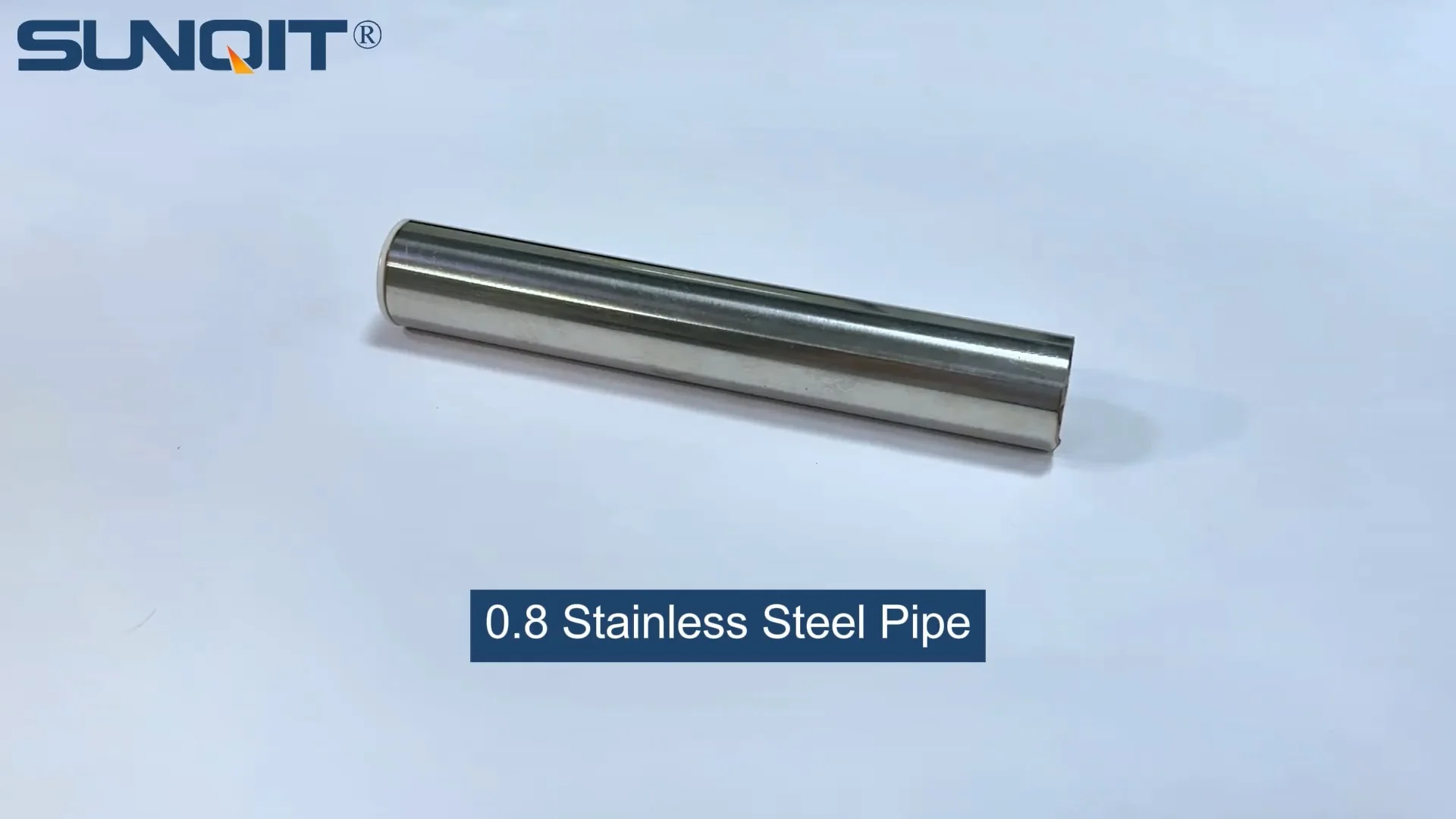
Stainless steel pipe, lean pipe, diameter is 28mm, material is SS201 or SS304, SS201 is normally used in the market. It knows a KARAKURI, KAIZEN material for industrial plant to improve efficiency, save labor cost, standard management.
Walk into any medical device assembly facility, and you'll notice a common thread: precision. Every tool, every workstation, and every component is designed to meet the highest standards of accuracy—because when you're building devices that interact with patients, there's no room for error. But there's another, often overlooked hero in these spaces: the materials that make up the assembly infrastructure itself. Today, we're diving into why 1.5mm stainless steel pipe has become the unsung backbone of medical device manufacturing, particularly when it comes to fighting one of the industry's biggest silent threats: corrosion.
Why Corrosion Isn't Just a Maintenance Problem—It's a Safety One
Picture this: A technician is assembling a critical component of a heart monitor on a workbench. The workbench's frame, made from a cheaper metal, has started to develop tiny rust spots after months of daily cleaning with harsh disinfectants. Those spots might seem harmless, but under a microscope, they're jagged crevices where bacteria can hide. When that technician wipes down the bench, they might miss those crevices, and the next device assembled there could carry contaminants. That's not just a manufacturing defect—that's a risk to patient safety.
In medical manufacturing, corrosion isn't about aesthetics or equipment lifespan. It's about compliance with regulations like FDA 21 CFR Part 820 or ISO 13485, which demand strict control over production environments. Even minor corrosion can lead to product recalls, failed audits, or worse, patient harm. And with medical devices ranging from simple syringes to complex pacemakers, the stakes couldn't be higher. So, what makes 1.5mm stainless steel pipe the solution to this problem?
The Science Behind 1.5mm Stainless Steel: More Than Just "Stainless"
Stainless steel gets its name from its ability to resist staining and rust, but that's not magic—it's chemistry. Most medical-grade stainless steel (like 304 or 316L) contains at least 10.5% chromium, which reacts with oxygen to form a thin, invisible layer of chromium oxide on the surface. This layer isn't just a shield; it's self-healing. If the surface gets scratched, the chromium in the steel reacts with air and moisture to repair the layer, preventing further corrosion. That's why stainless steel can withstand daily exposure to water, cleaning agents, and even bodily fluids without breaking down.
But why 1.5mm specifically? Thicker pipes (say, 2mm or more) might offer extra strength, but they're heavier and less flexible—two traits that matter in dynamic assembly lines where workstations need to be reconfigured quickly. Thinner pipes (1mm or less) save weight but sacrifice durability; they can bend under the weight of heavy tools or vibration from machinery. At 1.5mm, stainless steel hits the sweet spot: thick enough to support the demands of medical assembly (think mounting brackets, tool holders, or even lightweight conveyor rails) but thin enough to keep structures agile. It's the Goldilocks of pipe thicknesses for this industry.

Stainless Steel vs. the Alternatives: Why It Outperforms Aluminum, Plastic, and More
You might be wondering: Why not use aluminum profile (a common alternative in manufacturing) or plastic? Let's break it down. Aluminum is lightweight and affordable, but it's prone to pitting corrosion when exposed to acidic or alkaline cleaners—exactly the kind used in medical cleanrooms. Over time, aluminum frames can develop a chalky white residue (oxidation) that's hard to clean and compromises structural integrity. Plastic, on the other hand, might resist corrosion, but it lacks the strength to support heavy equipment. A plastic workbench frame might sag under the weight of a precision laser cutter, leading to misalignments in assembly.
Stainless steel, by contrast, thrives where others fail. Let's put it head-to-head with aluminum profile in a quick comparison:
| Feature | 1.5mm Stainless Steel Pipe | Aluminum Profile |
|---|---|---|
| Corrosion Resistance | Excellent (resists disinfectants, salt, moisture) | Moderate (prone to pitting with harsh cleaners) |
| Strength-to-Weight Ratio | High (supports heavy tools without bending) | Moderate (lighter but less rigid under load) |
| Cleanability | Smooth, non-porous surface (no crevices for bacteria) | May have seams or porous anodization (harder to sanitize) |
| Longevity | 10+ years with minimal maintenance | 5-7 years (oxidation weakens structural integrity) |
Plastic doesn't even come close in terms of longevity or strength, and while it's cheap upfront, frequent replacements add up. For medical manufacturers, where downtime and replacement costs can derail production schedules, stainless steel's durability is a no-brainer.

How 1.5mm Stainless Steel Pipes Fit into Lean Systems
Medical device manufacturers don't just care about corrosion resistance—they also care about efficiency. That's where lean system principles come in: minimizing waste, maximizing flexibility, and keeping production flowing smoothly. 1.5mm stainless steel pipes excel here, too.
Take modular workstations, for example. With stainless steel pipes and compatible joints, teams can build, disassemble, and rebuild workbenches or material racks in hours, not days. Need to add a shelf for new tools? Swap out a section of pipe. Want to reposition a workstation to reduce worker movement? Unbolt the frame, roll it (thanks to caster wheels mounted on stainless steel brackets), and reattach. This modularity cuts down on the "waste of waiting"—a key lean principle—because the infrastructure adapts to the workflow, not the other way around.
Even better, stainless steel's compatibility with accessories like roller tracks or tool holders means assembly lines can evolve. A line building insulin pumps today can be reconfigured to build surgical instruments tomorrow, without investing in entirely new equipment. That's the power of pairing stainless steel with a lean system: it turns fixed infrastructure into a flexible, future-proof asset.
Real-World Impact: A Day in the Life of a Stainless Steel Workbench
Let's ground this in a real scenario. Imagine a mid-sized medical device company that recently switched from aluminum workbenches to 1.5mm stainless steel ones. Before the switch, their technicians spent 20 minutes each day scrubbing rust spots off aluminum frames, and the QA team regularly flagged "contamination risks" from hard-to-clean crevices. The aluminum benches also bent slightly under the weight of their automated screwdrivers, leading to misaligned components and rework.
After switching to stainless steel, the changes were immediate. Cleaning time dropped to 5 minutes per bench (no more rust spots to scrub). The QA team's contamination reports decreased by 70%. And because the stainless steel frames didn't bend, rework rates fell—saving the company hours of labor each week. Plus, when they launched a new product line, they reconfigured three workstations in a single afternoon using leftover pipes and joints, avoiding the cost of new benches altogether. That's ROI you can measure.
Choosing the Right Stainless Steel: It's About Quality, Not Just Thickness
Not all 1.5mm stainless steel pipes are created equal, though. For medical applications, look for pipes made from 316L stainless steel (often called "marine grade"). It contains molybdenum, which boosts resistance to chloride corrosion—critical if your facility uses chlorine-based disinfectants. Avoid "low-grade" stainless steel (like 430), which lacks the chromium and nickel needed for long-term corrosion resistance. When in doubt, ask suppliers for material certificates to ensure compliance with medical standards.
Wrapping Up: Why 1.5mm Stainless Steel Pipe Is Here to Stay
At the end of the day, medical device manufacturing is about trust. Patients trust that the devices keeping them healthy are built in safe, controlled environments. Manufacturers trust that their infrastructure can keep up with evolving demands and regulations. 1.5mm stainless steel pipe delivers on both fronts: it fights corrosion to protect patient safety, and it bends (literally and figuratively) to support lean, efficient production.
So the next time you walk through a medical device assembly line, take a closer look at the frames, the workbenches, and the racks. Chances are, you'll spot 1.5mm stainless steel pipes holding it all together—quietly, reliably, and corrosion-free. And that's not just good engineering—that's good medicine.