- Company Articles
- Products and Technology
- Product knowledge
- Corrosion Resistance: Why Aluminum Honeycomb Panels Excel in Industrial Environments

Corrosion Resistance: Why Aluminum Honeycomb Panels Excel in Industrial Environments
Related Product
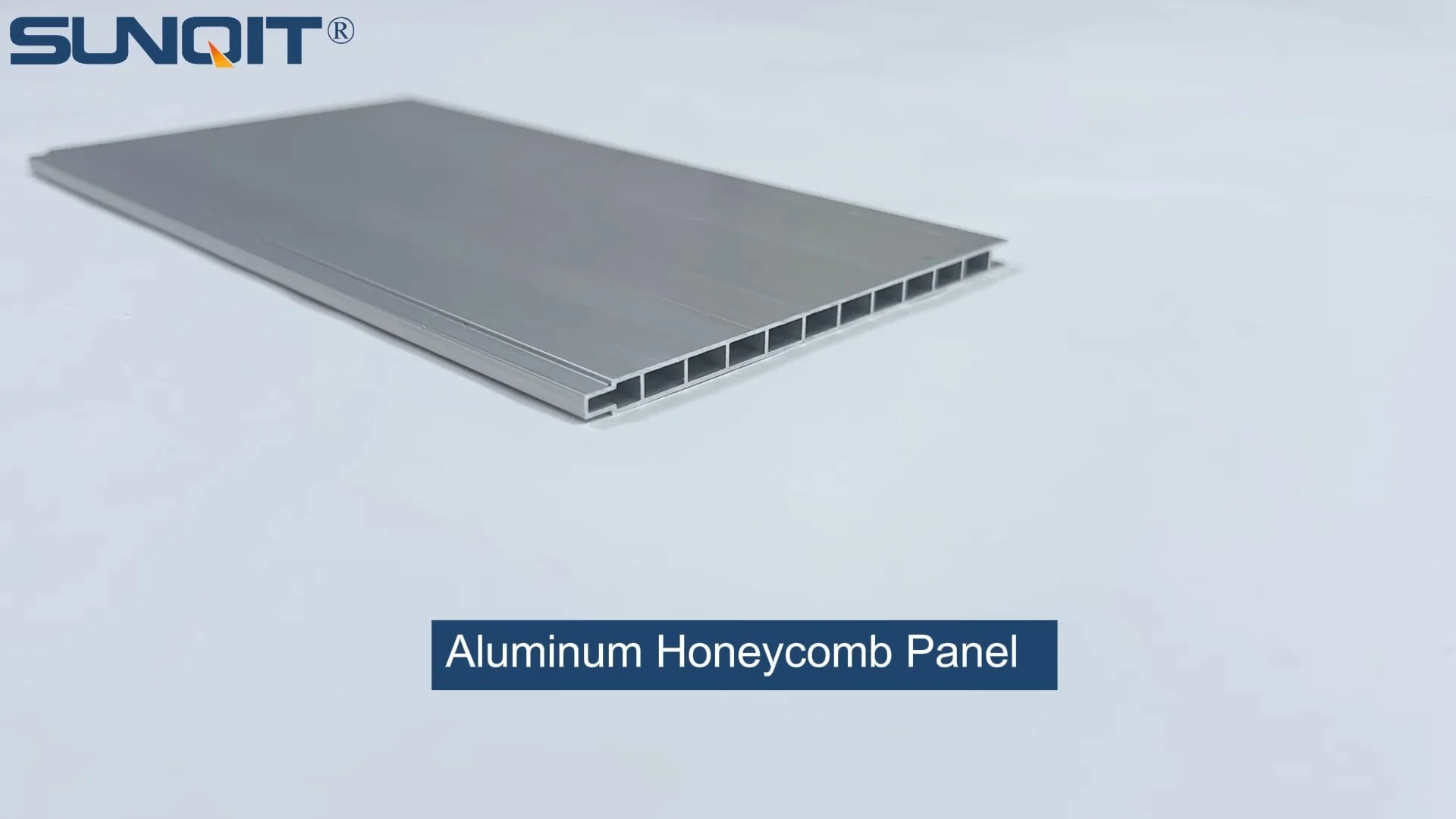
Aluminum Honeycomb Panel
Aluminum honeycomb panel used as table top, side wall, it is connected one pcs by one pcs from the side slot to make a full pieces.This panel width 105mm, 55mm, 35mm are optional for slection.
Walk through any industrial facility—whether it's a bustling automotive plant, a sterile pharmaceutical lab, or a coastal food processing warehouse—and you'll spot a silent enemy lurking in the corners: corrosion. It's the invisible force that turns steel racks into rusted eyesores, rots wooden workbenches beyond repair, and forces maintenance teams into endless cycles of replacement. For plant managers and operations directors, corrosion isn't just a cosmetic issue; it's a drain on budgets, a threat to safety, and a barrier to efficiency. But what if there was a material that could stand up to this enemy, day in and day out, without sacrificing strength, versatility, or cost-effectiveness? Enter aluminum honeycomb panels —a modern engineering solution that's redefining durability in even the harshest industrial settings.
In this article, we'll dive deep into why aluminum honeycomb panels have become the go-to choice for corrosion-prone environments. We'll explore their unique structure, the science behind their impressive resistance to rust and decay, and how they outperform traditional materials like steel, wood, and even standard aluminum. Along the way, we'll highlight real-world applications, from aluminum profile -framed workbenches to heavy-duty material racks, and explain why industries worldwide are making the switch. By the end, you'll understand not just why these panels resist corrosion—but why they might be the smartest long-term investment your facility can make.
What Are Aluminum Honeycomb Panels, Anyway?
Before we unpack their corrosion-fighting superpowers, let's start with the basics: What exactly is an aluminum honeycomb panel? At first glance, it might look like a simple sheet of metal, but beneath the surface lies a marvel of engineering. Imagine a sandwich where the "bread" is two thin sheets of aluminum (called "skins") and the "filling" is a lightweight, hexagonal grid structure (the "honeycomb core"). This core, typically made from aluminum foil or thin aluminum strips, is bonded to the skins using high-strength adhesives, creating a panel that's surprisingly light yet incredibly strong.
The magic is in the honeycomb design. Those tiny hexagonal cells distribute weight evenly across the panel, meaning it can support heavy loads without bending or warping. But here's the kicker: despite their strength, aluminum honeycomb panels are lightweight —often 30-60% lighter than solid aluminum sheets of the same size. This combination of strength and low weight makes them ideal for everything from aerospace components to, yes, industrial work surfaces and storage solutions.
Now, let's talk about the materials that make up these panels. The skins are often crafted from aluminum extrusion profiles —precision-machined aluminum shapes created by forcing heated aluminum billets through a die. This process allows manufacturers to tailor the skin's thickness, texture, and even surface treatments (like anodizing) to meet specific industrial needs. The core, too, is usually aluminum, though in some cases, it might be made from other materials like fiberglass for specialized applications. But for corrosion resistance, aluminum is king—and that's why most industrial-grade honeycomb panels stick with all-aluminum construction.
The Science of Corrosion Resistance: Why Aluminum Beats Rust
To understand why aluminum honeycomb panels excel in corrosive environments, we need to start with the star of the show: aluminum itself. Unlike iron or steel, which rust when exposed to moisture and oxygen, aluminum has a built-in defense mechanism that's nothing short of brilliant. When aluminum comes into contact with air, it reacts with oxygen to form a thin, invisible layer of aluminum oxide (Al₂O₃). This layer is just 0.00001 millimeters thick—thinner than a human hair—but it's incredibly dense and chemically stable. Think of it as a suit of armor that the metal creates for itself, right out of the box.
What makes this oxide layer special is that it's self-healing . If the surface gets scratched or dented, exposing fresh aluminum underneath, the new metal immediately reacts with oxygen to reform the protective layer. Steel, on the other hand, forms iron oxide (rust), which is flaky and porous. Once rust starts, it spreads like a disease, eating through the metal until it's weak and brittle. Aluminum's oxide layer? It stays put, blocking moisture, chemicals, and salt from reaching the metal below. That's why aluminum patio furniture can sit outside for years without rusting, and why aluminum siding on homes weathers storms without peeling.
But aluminum honeycomb panels take this natural resistance a step further. Their structure minimizes the amount of material exposed to corrosive elements while maximizing strength. The honeycomb core, with its hollow cells, reduces the overall mass of the panel—meaning there's less metal to potentially corrode. At the same time, the rigid structure prevents flexing, which can crack protective coatings on other materials. And because both the skins and core are aluminum, there's no risk of galvanic corrosion—a process where two different metals react chemically when in contact, accelerating decay. With aluminum honeycomb panels, it's aluminum all the way through, so compatibility is never an issue.
Comparing to Traditional Materials: A Corrosion Showdown
Let's put this into perspective by pitting aluminum honeycomb panels against common industrial materials. Imagine you're setting up a workbench in a food processing plant, where daily hosing with hot water and sanitizing chemicals is the norm. Here's how each material would fare:
- Uncoated Steel: Within weeks, rust would start to form in water-prone areas. The sanitizing chemicals would eat away at the surface, creating pitted, uneven spots that trap bacteria. You'd be repainting or replacing the bench within a year.
- Galvanized Steel: The zinc coating might buy you a few years, but constant exposure to moisture and chemicals would eventually wear it down. Once the zinc is gone, rust takes over—often worse than with uncoated steel, because the corrosion starts from underneath the coating.
- Wood: Even treated wood would swell and warp from daily moisture. Mold and mildew would grow in cracks, creating a health hazard. By year two, the bench top would be soft and unstable, risking product contamination.
- Standard Aluminum Sheet: Better than steel or wood, but solid aluminum is heavy and prone to dents. A deep scratch could expose the metal, and while the oxide layer would heal, the dent itself might trap dirt and moisture, leading to localized corrosion over time.
- Aluminum Honeycomb Panel: The oxide layer shrugs off water and chemicals. The lightweight structure resists dents, and the non-porous surface is easy to wipe clean. Even after five years of daily use, the panel would look nearly new—no rust, no warping, no mold.
It's clear: when corrosion is a concern, aluminum honeycomb panels outshine the competition. But their benefits don't stop at resistance to decay. Let's explore why they're becoming a favorite in industrial design, beyond just corrosion.

Beyond Corrosion: The Hidden Advantages of Aluminum Honeycomb Panels
While corrosion resistance is the headline feature, aluminum honeycomb panels bring a host of other benefits that make them ideal for industrial environments. Let's break down the most impactful ones:
Lightweight, Yet Incredibly Strong
Industrial facilities are full of heavy equipment, but that doesn't mean every surface needs to be a ton of metal. Aluminum honeycomb panels offer the best of both worlds: strength and lightness. A typical 10mm-thick panel weighs just 4-6 kg per square meter—about half the weight of a solid aluminum sheet. This makes installation a breeze; you won't need a team of workers or heavy lifting equipment to mount a honeycomb panel workbench or shelf. Lighter weight also reduces stress on the facility's structure, which is crucial for mezzanines, overhead racks, or mobile carts.
Don't let the lightness fool you, though. These panels are surprisingly tough. They can withstand compressive forces of up to 50 MPa (that's about 500 kg per square centimeter!) and resist bending under heavy loads. In one test, a 12mm aluminum honeycomb panel supported a 200kg weight without permanent deformation—impressive for a material that feels almost flimsy when lifted.
Thermal and Acoustic Insulation
Industrial environments are often noisy and temperature-uncontrolled, but aluminum honeycomb panels can help. The honeycomb core acts as a natural insulator, trapping air in its hexagonal cells. This slows heat transfer, keeping workbenches and surfaces cooler in summer and warmer in winter. In facilities with temperature-sensitive processes—like pharmaceutical manufacturing or electronics assembly—this can reduce energy costs by minimizing the load on HVAC systems.
The same air-trapping structure also dampens sound. In a busy factory, where machinery hums and tools clatter, honeycomb panels can reduce noise levels by 10-15 decibels—enough to make the workspace more comfortable and reduce worker fatigue. It's a small benefit, but one that adds up to a better overall environment.
Sustainability: Green by Design
In an era of increasing focus on sustainability, aluminum honeycomb panels shine here too. Aluminum is 100% recyclable, and recycling it uses just 5% of the energy required to produce new aluminum. That means at the end of a panel's long life (we're talking 15-20 years in industrial settings), it can be melted down and turned into new products—no waste, no landfill. Compare that to wood, which decomposes (or releases methane if landfilled), or steel, which requires energy-intensive recycling processes. For companies aiming to reduce their carbon footprint, aluminum honeycomb panels are a clear choice.

Real-World Applications: Where Aluminum Honeycomb Panels Shine
Now that we understand their benefits, let's look at how aluminum honeycomb panels are used in industrial settings. From workbenches to wall panels, their versatility makes them a fit for nearly any application where corrosion, strength, and durability matter.
Workbenches and Assembly Stations
In manufacturing plants, workbenches take a beating. Spills, heavy tools, constant cleaning—they need to stand up to it all. Aluminum honeycomb panels, paired with aluminum profile frames, make ideal workbench tops. The non-porous surface resists oils, coolants, and cleaning chemicals, while the lightweight design keeps the bench easy to move (if needed). In automotive plants, for example, these benches are used for engine assembly, where oil and grease spills are daily occurrences. Unlike steel benches, they don't rust, and unlike wood, they don't absorb liquids or harbor bacteria.
Material Racks and Storage Systems
Warehouses and distribution centers rely on sturdy racks to hold inventory, but traditional steel racks can corrode in humid or coastal environments. Aluminum honeycomb panels, mounted on aluminum extrusion profile frames, create racks that withstand salt air, moisture, and heavy loads. In coastal food warehouses, where salt spray is a constant threat, these racks remain rust-free for decades. The lightweight panels also make the racks easier to install and reconfigure, adapting to changing storage needs without sacrificing durability.
Conveyor Guards and Machine Enclosures
Conveyor systems move products at high speeds, and their guards need to be strong enough to contain accidents while remaining lightweight. Aluminum honeycomb panels are perfect here: they absorb impact without shattering, resist corrosion from product spills (like beverages or chemicals), and don't add unnecessary weight to the conveyor structure. In bottling plants, for example, guards made from these panels stand up to constant splashes of water and cleaning agents, maintaining their integrity year after year.
Clean Rooms and Pharmaceutical Facilities
Clean rooms demand sterile, easy-to-sanitize surfaces. Aluminum honeycomb panels, with their smooth, non-porous finish, are ideal for wall and ceiling panels. They resist the harsh disinfectants used in these environments and don't off-gas harmful chemicals, ensuring air quality remains pure. In pharmaceutical manufacturing, where even a tiny speck of dust can ruin a batch, these panels provide a seamless, corrosion-free surface that's easy to wipe down and inspect.
A Closer Look: Material Comparison Table
To truly grasp the advantages of aluminum honeycomb panels, let's compare them side-by-side with other common industrial materials. The table below evaluates key factors like corrosion resistance, weight, strength, cost, and maintenance needs—so you can see exactly where aluminum honeycomb panels stand out.
| Material | Corrosion Resistance | Weight (per sq m, 10mm thick) | Compressive Strength (MPa) | Cost (Relative to Aluminum Honeycomb) | Annual Maintenance |
|---|---|---|---|---|---|
| Aluminum Honeycomb Panel | Excellent (oxide layer protection) | 4-6 kg | 40-60 | 100% () | Minimal (occasional cleaning) |
| Uncoated Steel | Poor (rusts quickly in moisture) | 78 kg | 250-300 | 60% (cheaper upfront) | High (repainting, rust removal) |
| Galvanized Steel | Fair (zinc coating lasts 3-5 years) | 80 kg | 250-300 | 80% | Moderate (recoat after 3-5 years) |
| Wood (Treated) | Poor (swells, rots in moisture) | 15-20 kg | 10-15 | 50% | High (sealing, replacing warped sections) |
| Standard Aluminum Sheet | Good (oxide layer, but heavy) | 27 kg | 80-100 | 150% | Low (occasional cleaning, scratch touch-ups) |
| Fiberglass | Excellent (resists chemicals) | 12-15 kg | 20-30 | 180% | Moderate (prone to cracking, repairs needed) |
The table tells a clear story: aluminum honeycomb panels offer the best balance of corrosion resistance, weight, strength, and low maintenance. While they may cost more upfront than steel or wood, their longevity and minimal upkeep make them the most cost-effective choice over time. For example, a steel workbench that costs $500 upfront might need replacement every 2-3 years, totaling $1,500 over 6 years. An aluminum honeycomb bench, costing $800 upfront, would last 15+ years with no replacement costs—saving $700 in the long run.
Installation and Maintenance: Keeping Your Panels Performing
Aluminum honeycomb panels are durable, but like any material, they perform best with proper care. Here's how to ensure your panels last for decades:
Installation Tips
When installing aluminum honeycomb panels, use compatible mounting hardware. Aluminum profile accessories —like brackets, screws, and connectors made from aluminum or stainless steel—are ideal, as they won't react with the panels. Avoid using steel fasteners, which can cause galvanic corrosion if they come into direct contact with aluminum. If you must use steel, separate the two metals with a non-conductive spacer, like plastic or rubber.
Ensure the mounting surface is level and free of debris. Uneven surfaces can cause the panel to flex, leading to stress cracks over time. For wall or ceiling installations, use structural adhesives in addition to mechanical fasteners to distribute weight evenly and prevent sagging.
Cleaning and Maintenance
One of the best things about aluminum honeycomb panels is their low maintenance. For daily cleaning, use a soft cloth or sponge with mild soap and water. Avoid abrasive cleaners or scouring pads, which can scratch the surface and damage the oxide layer. For tougher stains—like oil or grease—a solution of baking soda and water works well; just rinse thoroughly afterward.
Inspect panels annually for deep scratches or dents. While minor scratches will heal thanks to the oxide layer, deep dents can trap moisture. If you notice a deep scratch, clean the area with alcohol, then apply a thin coat of clear acrylic sealant to protect the exposed metal. This simple step can prevent localized corrosion and extend the panel's life.
Case Study: A Food Processing Plant's 5-Year Transformation
To see the real impact of aluminum honeycomb panels, let's look at a case study. A mid-sized food processing plant in Florida was struggling with constant workbench and rack replacements. The coastal location meant high humidity and salt air, which corroded steel equipment within 2-3 years. Wood workbenches warped from daily hosing, creating uneven surfaces that trapped bacteria. The plant was spending $40,000 annually on replacements and maintenance—money that could have been invested in other upgrades.
In 2018, the plant manager decided to test aluminum honeycomb panels. They replaced 10 steel workbenches with aluminum profile-framed benches topped with honeycomb panels, and installed 5 new material racks using aluminum extrusion profiles and honeycomb shelves. The initial investment was $25,000—higher than the annual replacement cost but promising long-term savings.
Five years later, the results are in: The workbenches and racks show no signs of corrosion. They've withstood daily hosing, exposure to sanitizing chemicals, and the occasional dropped tool. The plant hasn't replaced a single bench or rack since installation, saving over $150,000 in replacement costs. Workers report the benches are easier to clean, and the plant's food safety audits have improved, with fewer violations related to equipment cleanliness. As the plant manager put it: "We thought we were saving money by buying cheap steel benches. Turns out, we were just kicking the can down the road. The aluminum honeycomb panels were the best investment we ever made."
The Future of Industrial Materials: What's Next for Aluminum Honeycomb Panels?
As industries continue to prioritize durability, sustainability, and cost-efficiency, aluminum honeycomb panels are poised to become even more popular. Manufacturers are already developing new innovations, like enhanced adhesive technologies that improve bonding between skins and core, increasing panel strength by up to 20%. Smart coatings, embedded with sensors that detect corrosion or stress, are also in the works—allowing predictive maintenance before issues arise.
Another trend is customization. With advanced aluminum extrusion profile techniques, panels can be tailored to specific shapes and sizes, fitting unique industrial applications. For example, curved honeycomb panels are now available for use in conveyor guards or machine enclosures, providing a seamless, corrosion-resistant barrier where traditional flat panels won't work.
And as sustainability becomes a bigger focus, manufacturers are exploring ways to make aluminum honeycomb panels even greener. Some are using recycled aluminum for both skins and core, reducing the carbon footprint by up to 90% compared to panels made from virgin aluminum. Others are developing bio-based adhesives, further lowering environmental impact without sacrificing strength.
Conclusion: Investing in Long-Term Durability
Corrosion is more than just a maintenance problem—it's a barrier to efficiency, safety, and profitability in industrial environments. For too long, facilities have relied on quick-fix solutions like steel or wood, only to face endless replacements and repairs. Aluminum honeycomb panels offer a better way: a material that resists corrosion, withstands heavy use, and lasts for decades—all while being lightweight, sustainable, and cost-effective in the long run.
Whether you're building new workbenches, upgrading storage racks, or designing a clean room, aluminum honeycomb panels deliver. Their unique structure, combined with aluminum's natural corrosion resistance, makes them the ideal choice for harsh industrial settings. And with proper installation and minimal maintenance, they'll continue to perform for years, saving you money and hassle down the line.
So the next time you're faced with a corrosion problem in your facility, don't just patch it up—invest in a solution that lasts. Choose aluminum honeycomb panels, and see the difference durability can make.