- Company Articles
- Products and Technology
- Product knowledge
- Corrosion-Resistant Three Way Lean Pipe Joint: Humid Environment Use

Corrosion-Resistant Three Way Lean Pipe Joint: Humid Environment Use
Related Product
Three Way Lean Pipe Joint
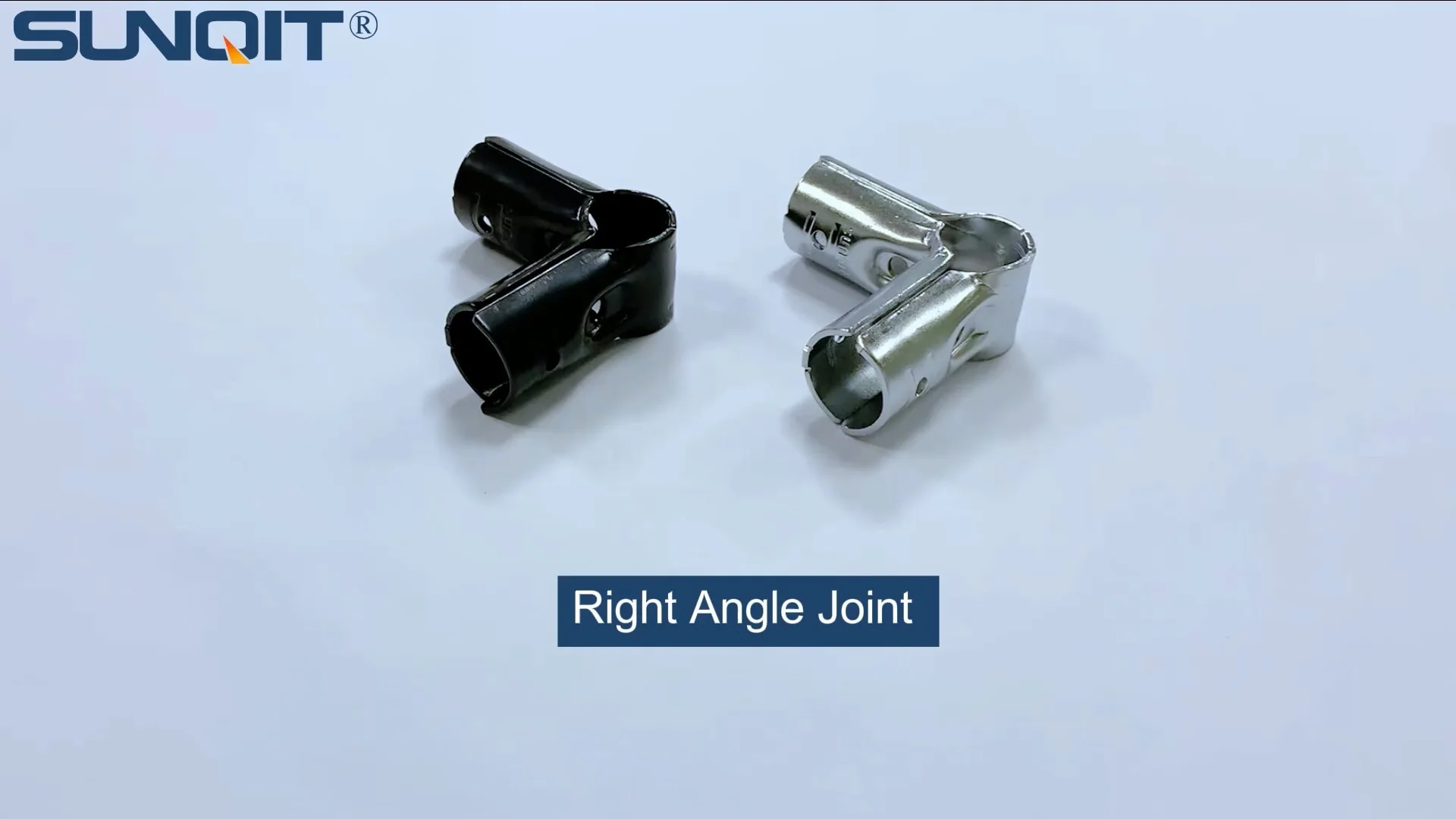
Three way lean pipe joint for 3 pcs 28MM lean pipe connection in straight angle, which used widely in workbench, flow rack, hand trolley frame connection.
The Foundation of Corrosion Resistance: Material Matters
When it comes to withstanding humid environments, the material of your lean pipe components is the first line of defense. Traditional lean pipe systems often use galvanized steel or aluminum, but in high-moisture settings, these materials fall short. Galvanized steel, while affordable, can develop rust when its protective zinc coating is scratched or worn down by constant exposure to water. Aluminum, though lightweight, is prone to pitting corrosion in salt-laden air or acidic washdowns. So, what's the alternative? The answer lies in the stainless steel pipe series—a family of materials engineered to resist rust, oxidation, and chemical attack, even in the toughest conditions. The three way lean pipe joint, when crafted from high-grade stainless steel (typically 304 or 316 grade), becomes a corrosion-resistant powerhouse. 304 stainless steel contains chromium and nickel, which form a passive oxide layer on the surface. This layer acts like a self-healing shield: if scratched, it quickly reforms to prevent further damage. For even more demanding environments—like coastal areas with heavy salt spray or chemical processing plants—316 stainless steel adds molybdenum to the mix, enhancing resistance to chloride-induced corrosion. To put this in perspective, let's compare common materials used in lean pipe joints:| Material Type | Corrosion Resistance in Humid Environments | Strength | Weight | Cost |
|---|---|---|---|---|
| Galvanized Steel | Low (prone to rust after coating damage) | High | Heavy | Low |
| Aluminum | Moderate (susceptible to pitting in salt/acid) | Moderate | Light | Medium |
| 304 Stainless Steel | High (resists fresh water, mild chemicals) | High | Medium-Heavy | Medium-High |
| 316 Stainless Steel | Very High (ideal for saltwater, harsh chemicals) | High | Medium-Heavy | High |
Beyond Material: The Smart Design of the Three Way Lean Pipe Joint
A corrosion-resistant material is essential, but it's only half the story. The design of the three way lean pipe joint plays an equally critical role in its performance in humid environments. Let's break down the key features that make this joint a standout choice:1. Seamless Connections to Minimize Moisture Traps
Traditional pipe joints often have crevices, threads, or gaps where water and debris can accumulate. In humid conditions, these tiny spaces become breeding grounds for corrosion, even in stainless steel. The three way lean pipe joint addresses this with a precision-engineered design that creates tight, flush connections between lean pipes. The joint's internal structure is smooth, with no sharp angles or recesses, ensuring that water runs off instead of pooling. This not only prevents corrosion but also makes cleaning easier—a must in environments like food processing, where sanitation standards are strict.2. Modular Flexibility Without Compromise
Lean manufacturing thrives on adaptability, and the three way joint is a masterclass in modular design. It allows for quick assembly and reconfiguration of lean systems—think workbenches, flow racks, and turnover trolleys—without requiring welding or specialized tools. In humid environments, where disassembly for cleaning or repairs is frequent, this flexibility is a game-changer. Imagine needing to sanitize a workbench after a production run: with a three way joint, you can easily disconnect sections, clean each part thoroughly, and reassemble in minutes—no rusted bolts or seized connections to slow you down.3. Load-Bearing Strength for Heavy-Duty Use
Corrosion resistance shouldn't mean sacrificing strength. The three way lean pipe joint is built to handle the demands of industrial environments, with a design that distributes weight evenly across three connected pipes. Whether you're supporting a loaded material rack or a workbench with heavy machinery, the joint maintains its integrity even in high-moisture conditions. This is particularly important in humid settings, where weakened components due to corrosion can lead to collapses or accidents. With a stainless steel three way joint, you can trust that the structure will hold—day in, day out.
Real-World Applications: Where the Three Way Joint Shines
To truly understand the value of the corrosion-resistant three way lean pipe joint, let's look at how it performs in some of the most challenging humid environments:1. Food and Beverage Processing
In food plants, daily washdowns with high-pressure hoses and caustic cleaners are non-negotiable. Traditional steel joints would rust within months, leading to flaking metal that could contaminate products. By switching to stainless steel three way joints, facilities can maintain strict hygiene standards while ensuring their lean systems—like assembly workbenches and ingredient flow racks—last for years. For example, a bakery in Florida replaced its galvanized steel workbenches with a lean system using three way stainless steel joints. Within six months, maintenance requests for rusted parts dropped by 80%, and the workbenches still look brand-new after daily exposure to steam and water.2. Coastal Manufacturing Facilities
Coastal areas are brutal on metal equipment due to saltwater spray. A marine parts manufacturer in California once struggled with weekly breakdowns of its material handling racks, as salt air corroded the joints and weakened the structure. After upgrading to 316 stainless steel three way joints and lean pipes, the racks have been in service for over three years with zero corrosion-related issues. The maintenance team now spends less time replacing parts and more time on value-added tasks—proof that the right joint can transform operational efficiency.3. Pharmaceutical Production
Pharmaceuticals require sterile environments with controlled humidity levels, often exceeding 60%. In this setting, even minor corrosion can compromise air quality or contaminate sensitive products. The three way lean pipe joint's smooth, non-porous surface and corrosion resistance make it ideal for cleanroom workbenches and material transport systems. A pharmaceutical company in Texas reported that after installing stainless steel lean systems, they passed FDA inspections with zero observations related to equipment corrosion—a critical win in an industry where compliance is everything.4. Automotive Wash Bays
Automotive manufacturing includes wash bays where parts are cleaned before assembly, creating a highly humid environment with soap and water. Here, the three way joint's chemical resistance and durability shine. A car parts supplier in Michigan uses lean pipe workbenches with stainless steel three way joints in its wash bay area. The joints have withstood constant exposure to detergents and high-pressure water for over two years, with no signs of rust or degradation. This not only reduces replacement costs but also ensures that the workbenches remain stable and safe for workers.
Case Study: How a Poultry Processing Plant Solved Corrosion Issues with Three Way Joints
Let's dive deeper into a real-world example to see the impact of the three way lean pipe joint in action. A large poultry processing plant in Georgia was facing a recurring problem: their lean pipe workbenches and material racks were corroding within 6–8 months of installation. The plant operates in a highly humid environment with daily washdowns using chlorine-based sanitizers, and the galvanized steel joints they were using were no match. Rust was forming on the joints, leading to unstable workbenches and the risk of metal flakes contaminating poultry products. Maintenance costs were skyrocketing, with crews spending 10+ hours weekly replacing rusted parts. The plant's lean coordinator decided to test a stainless steel three way joint paired with stainless steel lean pipe and accessories. They installed a pilot workbench in the deboning area—the most humid part of the facility—and monitored its performance for six months. The results were striking: