- Company Articles
- Products and Technology
- Product knowledge
- Corrosion vs Cost: 1.5mm Stainless Steel Pipe in Coastal Manufacturing Facilities

Corrosion vs Cost: 1.5mm Stainless Steel Pipe in Coastal Manufacturing Facilities
Related Product
1.5mm Stainless Steel Pipe
Stainless steel pipe, lean pipe, diameter is 28mm, material is SS201 or SS304, SS201 is normally used in the market. It knows a KARAKURI, KAIZEN material for industrial plant to improve efficiency, save labor cost, standard management.
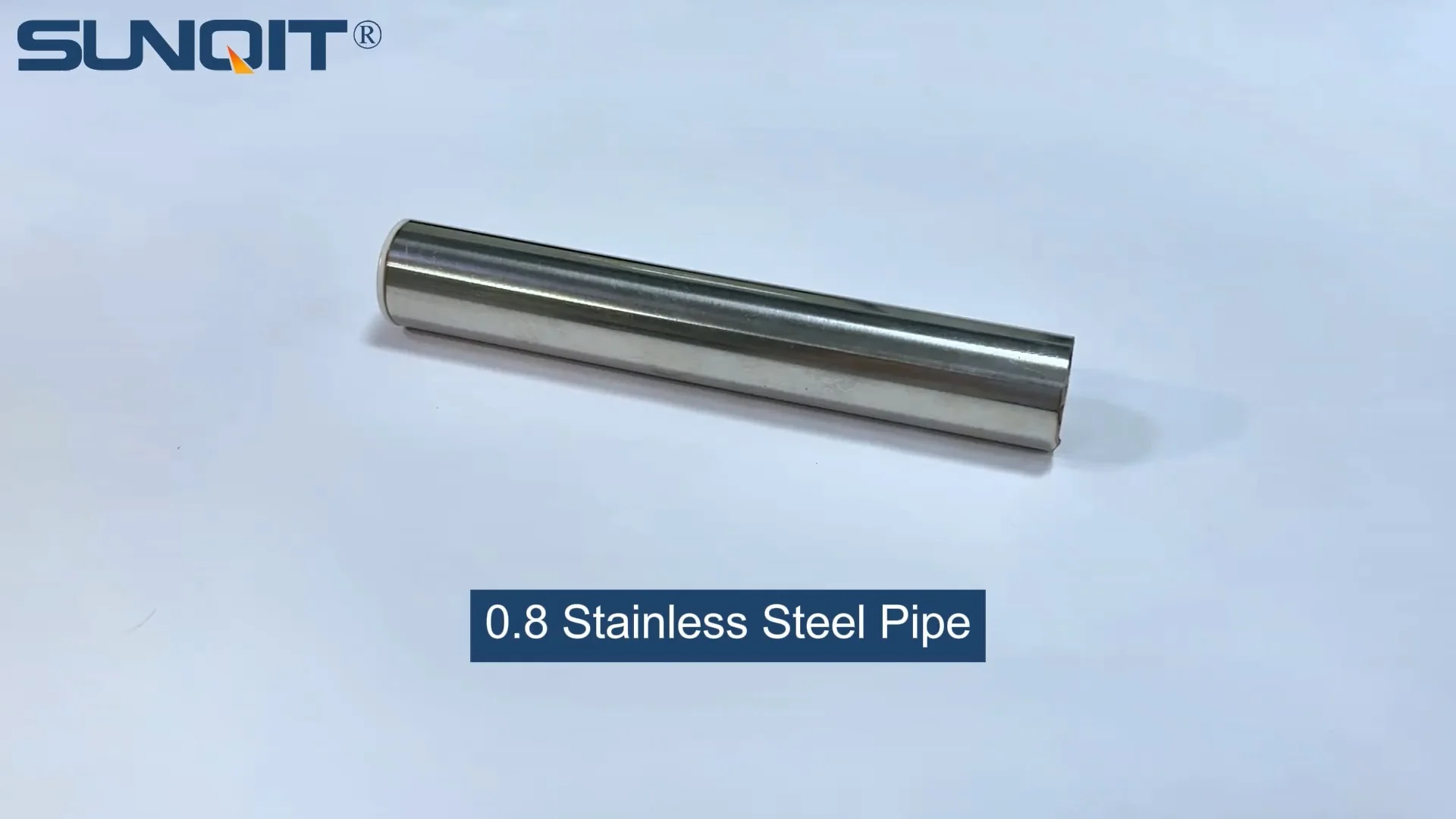
Imagine walking through a bustling manufacturing plant by the coast—salt in the air, the hum of machinery, and rows of conveyor belts moving components toward assembly. It's a scene of productivity, but beneath the surface, a silent battle rages: the fight against corrosion. Coastal facilities face unique challenges, where high humidity, salt spray, and constant moisture turn metal infrastructure into ticking time bombs. Among the most critical yet often overlooked elements? The pipes that form the backbone of workflows, from material handling to workstation support. Today, we're diving into why the 1.5mm stainless steel pipe has become a go-to choice for these environments, balancing the twin demands of corrosion resistance and cost-effectiveness.
The Coastal Curse: Why Corrosion Hits Harder Here
Coastal manufacturing plants—whether in Miami, Shanghai, or Rotterdam—share a common enemy: the marine atmosphere. Salt-laden air, or "salt spray," is invisible but destructive. When salt particles settle on metal surfaces, they attract moisture, creating a that accelerates rust and corrosion. Add in high humidity (often 70% or more year-round) and occasional rain, and even sturdy metals start to degrade. For pipes, which often support heavy loads, carry fluids, or form structural parts of workbenches and racks, this degradation isn't just a cosmetic issue—it's a safety and efficiency risk.
Consider a typical scenario: A plant uses thin-walled steel pipes for its material racks. Within a year, the coastal air eats through the outer layer, leaving rust spots. By year two, those spots turn into pinholes, weakening the structure. Suddenly, a rack holding 50kg of components sags, risking damage to parts or injury to workers. Maintenance teams scramble to replace sections, halting production. The "cheap" initial choice ends up costing far more in repairs, downtime, and replacements than a more durable option would have.
Stainless Steel Pipe Series: A Shield Against the Elements
Enter stainless steel—a material engineered to resist corrosion. Unlike regular steel, stainless steel contains chromium (at least 10.5%), which forms a thin, invisible oxide layer on the surface. This layer self-heals when damaged, acting as a protective shield against moisture and salt. But not all stainless steel pipes are created equal, especially when it comes to thickness. The stainless steel pipe series includes a range of options, from ultra-thin 0.8mm pipes to heavy-duty 2.0mm+ variants. So why has 1.5mm emerged as the sweet spot for coastal facilities?
The Case for 1.5mm: Not Too Thin, Not Too Thick
Thickness matters. A pipe's wall thickness directly impacts its strength, durability, and resistance to corrosion. Thinner pipes (like the 1.2mm stainless steel pipe) are cheaper upfront and lighter, making them easier to install. But in coastal areas, their thin walls are a liability. The oxide layer, while self-healing, can only protect so much—over time, salt and moisture penetrate deeper, leading to pitting corrosion. A 1.2mm pipe might last 3–5 years in a coastal plant before needing replacement.
On the flip side, 2.0mm stainless steel pipes offer superior durability. Their thicker walls can withstand years of salt spray, with lifespans stretching to 10–15 years. But this comes at a cost: 2.0mm pipes are heavier, harder to maneuver during installation, and significantly pricier per meter. For small to mid-sized manufacturers, the upfront investment can strain budgets, especially if outfitting an entire facility.
This is where 1.5mm stainless steel pipes shine. They strike a balance: thick enough to resist corrosion for 7–10 years in coastal environments, yet lightweight enough for easy installation and affordable enough to keep projects on budget. Think of it as the "goldilocks" option—not too fragile, not overkill.
A Closer Look: How Thickness Impacts Performance
To illustrate, let's compare three common thicknesses in the stainless steel pipe series: 1.2mm, 1.5mm, and 2.0mm. The table below breaks down their key attributes in a coastal manufacturing context:
| Pipe Thickness | Corrosion Resistance (Coastal Lifespan) | Cost Per Meter (Approx.) | Installation Ease | Best For |
|---|---|---|---|---|
| 1.2mm stainless steel pipe | Moderate (3–5 years) | $12–$15 | Easy (lightweight) | Indoor, low-humidity areas; temporary setups |
| 1.5mm stainless steel pipe | High (7–10 years) | $18–$22 | Good (balanced weight) | Coastal facilities; permanent workbenches/racks |
| 2.0mm stainless steel pipe | Excellent (10–15 years) | $28–$35 | Challenging (heavy; needs extra labor) | Extreme coastal conditions; heavy-load structures |
As the table shows, 1.5mm pipes offer the best blend of longevity and affordability for most coastal plants. A 7–10 year lifespan means fewer replacements, and the moderate cost per meter keeps initial investments manageable. For facilities with tight budgets, 1.2mm might seem tempting, but the trade-off—replacing pipes every 3–5 years—often leads to higher long-term costs. Meanwhile, 2.0mm pipes are overkill for many applications, unless the plant handles extremely heavy loads or faces constant salt spray (e.g., near a port with frequent ship traffic).

Aluminum Pipe vs. Stainless Steel: A Rivalry in Coastal Settings
Of course, stainless steel isn't the only option. Aluminum pipe is another popular choice, lauded for its lightweight design and natural corrosion resistance. Aluminum forms its own oxide layer, similar to stainless steel, and it's often cheaper than stainless steel upfront. So why not just use aluminum pipe in coastal facilities?
The answer lies in strength. Aluminum is softer than stainless steel, meaning it bends or dents more easily under heavy loads. A 1.5mm aluminum pipe might struggle to support the weight of a fully loaded material rack, whereas a 1.5mm stainless steel pipe handles it with ease. In manufacturing, where racks often hold tools, components, or finished products, structural integrity is non-negotiable. Aluminum also has a lower melting point, making it unsuitable for areas near heat sources (e.g., welding stations or machinery that generates high temperatures).
That said, aluminum pipe has its place. It's ideal for lightweight applications, like temporary workstations or conveyor systems with low loads. But for permanent, heavy-duty infrastructure in coastal areas, stainless steel—especially 1.5mm—remains the more reliable choice. It's the difference between a flimsy plastic chair and a sturdy wooden bench: both work, but one is built to last.

Real-World Impact: A Coastal Plant's Journey to 1.5mm Pipes
To put this in perspective, let's walk through a real example (with identifying details changed for privacy). CoastalTech Manufacturing, a mid-sized automotive parts plant in Charleston, South Carolina, faced recurring pipe corrosion issues in the early 2010s. The plant, located 5 miles from the Atlantic Ocean, originally used 1.2mm steel pipes (not stainless) for its material racks and workstation frames. Within two years, rust had weakened the pipes, leading to two incidents: a rack collapse that damaged $10,000 worth of components, and a workstation frame that bent under the weight of tools, injuring an employee.
Desperate for a solution, the plant's operations manager researched options. They considered 1.2mm stainless steel pipe to save costs but worried about longevity. They also looked at aluminum pipe, but tests showed it couldn't support the 80kg loads their racks typically held. Finally, they settled on 1.5mm stainless steel pipes. The switch cost $45,000 upfront—more than double the cost of replacing with 1.2mm steel—but the results spoke for themselves.
Ten years later, CoastalTech's 1.5mm stainless steel pipes show minimal signs of corrosion. Maintenance costs have dropped by 60%, and there have been zero structural failures. The plant's CFO crunched the numbers: Over 10 years, the initial $45,000 investment saved an estimated $120,000 in repairs, replacements, and downtime compared to sticking with 1.2mm steel. "It was a no-brainer," the operations manager told us. "We should have switched sooner."
Beyond Thickness: Tips for Maximizing Stainless Steel Pipe Lifespan
Choosing 1.5mm stainless steel pipe is a strong first step, but proper care can extend its lifespan even further. Here are a few practical tips for coastal manufacturers:
- Regular Cleaning: Wipe down pipes with fresh water monthly to remove salt buildup. For hard-to-reach areas, use a soft brush or compressed air.
- Protective Coatings: For extra protection, apply a clear, corrosion-resistant coating (e.g., polyurethane) to exposed pipes. This adds a barrier against salt spray.
- Proper Installation: Ensure pipes are mounted with stainless steel brackets and fasteners. Mixing metals (e.g., steel brackets with stainless steel pipes) causes galvanic corrosion, accelerating decay.
- Drainage: Design racks and workstations to allow water to drain off pipes. Standing water, even fresh water, speeds up corrosion in humid environments.
Conclusion: Investing in the Middle Ground
In coastal manufacturing, the choice of pipe isn't just about infrastructure—it's about protecting your team, your products, and your bottom line. The 1.5mm stainless steel pipe stands out as a solution that doesn't force you to choose between corrosion resistance and cost. It's durable enough to withstand the harsh coastal elements for a decade or more, yet affordable enough to keep projects on track.
Whether you're building a new facility or upgrading an existing one, remember: the cheapest option today rarely saves money tomorrow. By choosing 1.5mm stainless steel pipe, you're not just buying pipes—you're buying peace of mind, fewer headaches, and a manufacturing floor built to thrive, even when the salt air tries to wear it down.
After all, in manufacturing, the strongest facilities aren't just built with metal—they're built with foresight.