- Company Articles
- Products and Technology
- Product knowledge
- Corrugated Aluminum Pipe and Inner Rotating Aluminum Joints: Perfect Compatibility

Corrugated Aluminum Pipe and Inner Rotating Aluminum Joints: Perfect Compatibility
Related Product
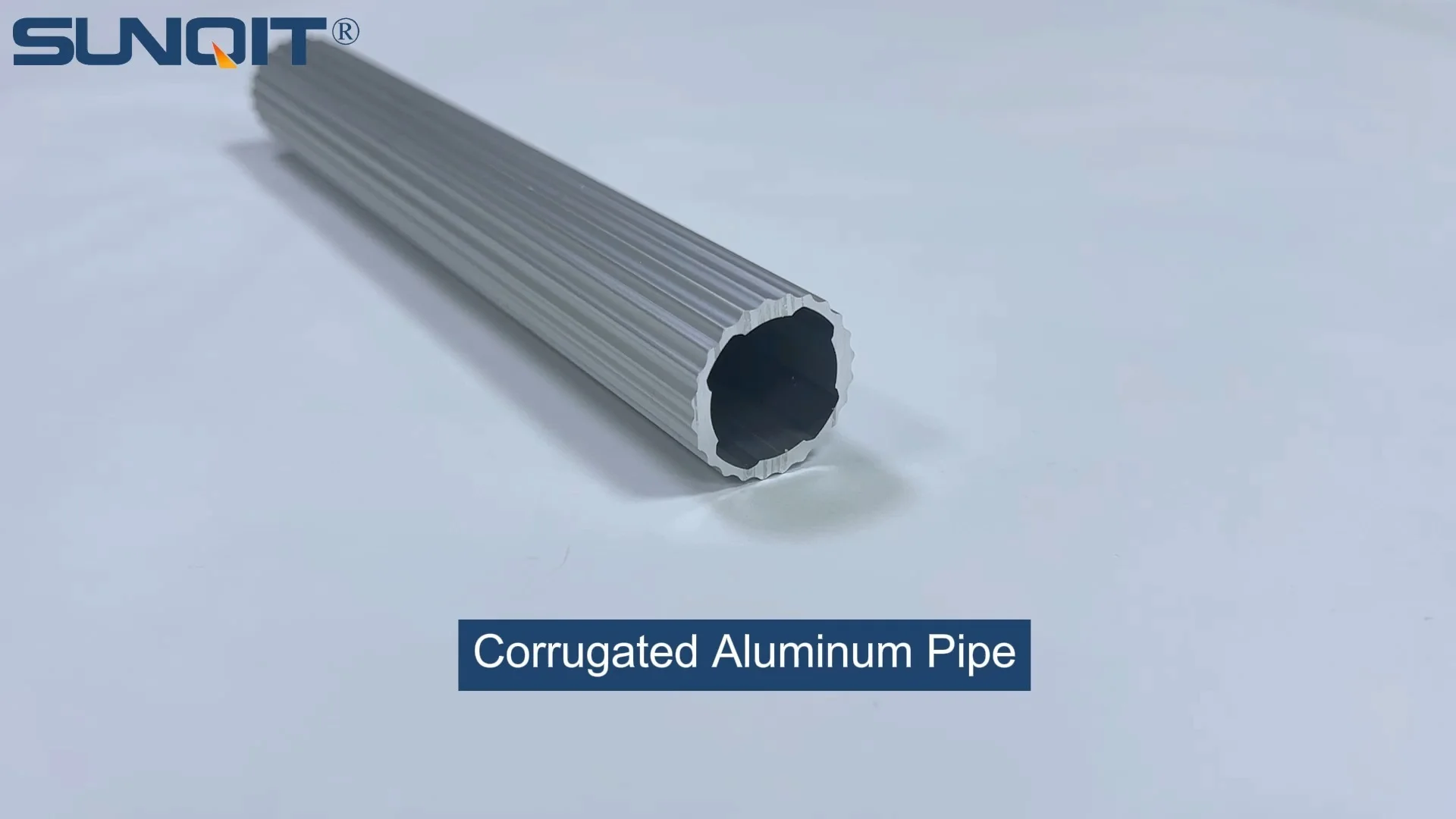
Corrugated Aluminum Pipe
Product Description The slot side is 10mm which can work with a T sliding block for connection accessories Quick Detail Product name Corrugated Aluminum pipe model GLT28-T-3010A Material Science 6005-T6 thickness 1.7mm surface treatment anodic oxidat
In the fast-paced world of manufacturing, where every second counts and adaptability can make or break a production line, the tools and systems we rely on matter more than ever. For years, factory floors and workshops have grappled with rigid, one-size-fits-all setups—systems that take weeks to assemble, even longer to reconfigure, and often end up collecting dust when production needs shift. But what if there was a way to build workspaces that move as quickly as your ideas? Enter two unsung heroes of modern lean manufacturing: corrugated aluminum pipe and internal rotatary aluminum joints. Together, they're not just parts; they're a dynamic duo redefining how we design, build, and adapt production environments. Let's dive into why their compatibility isn't just coincidental—it's a game-changer.
The Backbone of Flexibility: Corrugated Aluminum Pipe
First, let's get to know the star of the show: corrugated aluminum pipe. At first glance, it might look like just another metal tube, but a closer look reveals its secret weapon: the wavy, ridged pattern (or "corrugation") that runs along its length. This isn't just for show—those ridges are engineering genius. Unlike smooth steel pipes or rigid plastic tubes, corrugated aluminum pipe balances strength and flexibility in a way that's hard to beat.
Aluminum, by nature, is lightweight—about a third the weight of steel—yet surprisingly strong. When you add the corrugated design, you're essentially reinforcing the pipe without adding bulk. Think of it like the ridges on a cardboard box: they turn a flimsy sheet into something that can hold weight. For manufacturers, this means easier handling during assembly (no more straining to lift heavy steel pipes) and lower shipping costs. But the real magic? That flexibility. Corrugated aluminum pipe can bend slightly without cracking, making it ideal for applications where a little give is needed—like conveyor systems that need to navigate tight corners or workbenches that might need minor adjustments over time.
But it's not just about physical flexibility. Corrugated aluminum pipe is also a champion of adaptability. Available in a range of diameters (from 20mm to 40mm, common in industrial settings), it plays well with a variety of accessories—clamps, brackets, and yes, joints. And because aluminum is naturally resistant to rust and corrosion, it holds up in harsh environments, from humid warehouses to factories with chemical exposure. No more worrying about pipes deteriorating after a few years; this stuff is built to last.
Let's put this in context. Imagine a small electronics manufacturer that produces both smartphones and tablets. Their assembly lines need to switch between different product sizes weekly. With traditional steel pipes, reconfiguring the workbench frames would mean unscrewing heavy joints, hauling pipes around, and potentially damaging the floor (or backs) in the process. With corrugated aluminum pipe? The team can loosen a few joints, adjust the pipes to the new layout, and tighten them back up—all in under an hour. That's the difference between losing a day of production and keeping up with demand.
The Unsung Hero: Internal Rotatary Aluminum Joints
Now, what good is a flexible pipe without a joint that can keep up? Enter the internal rotatary aluminum joint. If corrugated aluminum pipe is the backbone of a flexible system, these joints are the hinges that let it move. Unlike fixed steel joints that lock pipes into a single angle, internal rotatary aluminum joints do exactly what their name suggests: they rotate. But not just in one direction—many models offer 360-degree rotation, with stops at common angles (90°, 45°, 180°) for precision.
Let's break down their design. Inside the joint, there's a mechanism that allows the two connected pipes to pivot relative to each other. Some joints use ball bearings for smooth rotation; others rely on friction-fit components that lock into place when tightened. Either way, the goal is simple: to let pipes move without compromising stability. Picture a door hinge, but for your workbench or material rack. You want it to swing, but you also want it to stay put when you need it to.
What makes internal rotatary aluminum joints stand out is their marriage of durability and ease of use. Made from high-grade aluminum alloy, they're lightweight (matching the pipe they connect) and resistant to wear and tear. The internal rotation mechanism is sealed to keep out dust and debris, ensuring smooth movement even after months of use. And installation? It's a breeze. Most models feature a simple clamp-on design: slide the joint onto the end of the corrugated aluminum pipe, tighten a set screw (often with a standard hex key), and you're done. No welding, no specialized tools—just a few minutes of work.
But here's where it gets really interesting: these joints aren't just for rotation. Many come with built-in locking mechanisms. Need to set a pipe at a 45° angle for a sloped material rack? Rotate the joint, flip the lock, and it stays put. Want to adjust it later? Unlock, rotate, and relock. This level of control is a game-changer for lean manufacturing, where "just-in-time" production often requires quick tweaks to workflows. For example, a packaging line might need a slight incline on a roller track to speed up box movement during peak hours, then flatten out for slower periods. With a fixed joint, that would mean swapping out parts. With an internal rotatary joint? A 30-second adjustment.

Why They Work Together: The Science of Compatibility
So, we've got a flexible, lightweight pipe and a rotating, easy-to-use joint. But why are they perfectly compatible? It's not just luck—it's intentional design. Let's start with the mechanical fit. Corrugated aluminum pipe's ridged surface isn't just for strength; it also creates friction. When you slide an internal rotatary aluminum joint onto the pipe, those ridges grip the joint's inner surface, creating a secure connection that won't slip, even under load. Unlike smooth pipes, which rely solely on set screws to stay in place, the corrugation adds an extra layer of stability. That means less wobble in workbenches, fewer jams in conveyor systems, and a longer lifespan for the entire setup.
Then there's the material synergy. Both the pipe and joint are made from aluminum (or aluminum alloys), which means they expand and contract at the same rate with temperature changes. Why does that matter? Imagine using a steel joint with an aluminum pipe: steel expands less than aluminum when heated, so over time, the joint could loosen or crack as the materials shift. With aluminum-on-aluminum, that risk disappears. They move together, ensuring a tight fit year after year.
But the real compatibility shines in their shared purpose: adaptability. Corrugated aluminum pipe bends; internal rotatary joints rotate. Together, they turn static structures into dynamic systems. Let's take a common example: a workbench. Traditional workbenches are often bolted to the floor, with fixed heights and shelves. But with corrugated aluminum pipe and internal rotatary joints, you can build a workbench that adjusts in minutes. Need a taller surface for standing work? Loosen the joints, raise the legs, relock. Want to add a side shelf for tools? Attach a new pipe section with a rotating joint, angle it to your liking, and lock it down. It's like building with giant, industrial Legos—only sturdier and designed for the factory floor.
To really drive this home, let's look at a real-world scenario. A automotive parts manufacturer was struggling with their material handling process. They used steel racks to store heavy engine components, but the racks were fixed—so when a new component (longer and heavier than the old one) came in, they had to buy entirely new racks. Enter corrugated aluminum pipe and internal rotatary joints. They built adjustable material racks: the pipes supported the weight (thanks to corrugation), and the rotating joints let them angle the shelves to prevent parts from sliding. When the new component arrived, they simply adjusted the joint angles and added a few extra pipe sections. Cost saved? Tens of thousands of dollars. Time saved? Weeks of waiting for new steel racks to ship and install.
Beyond the Basics: Enhancing with Aluminum Profile Accessories
No system is complete without the right accessories, and corrugated aluminum pipe and internal rotatary joints are no exception. Aluminum profile accessories—think brackets, clamps, and end caps—take their compatibility to the next level. For example, a simple aluminum pipe clamp can attach a workbench top (like a plywood or metal sheet) to the corrugated aluminum frame, turning pipes and joints into a sturdy workspace. Or consider roller track guide rails: when mounted to corrugated aluminum pipe using rotating joints, they create flexible conveyor lines that can curve, rise, or fall to match your production flow.
One of the most popular combinations? A "workbench E (single deck-without caster)" setup. This basic workbench uses corrugated aluminum pipe for the frame, internal rotatary joints to adjust the height and shelf angles, and aluminum profile accessories like corner brackets to secure the deck. It's lightweight enough for two people to move (no casters needed, though you could add them!), yet strong enough to hold tools, parts, and even heavy machinery. And because it's modular, you can add a second deck, side shelves, or tool hooks down the line—no need to start from scratch.
| Feature | Traditional Steel Pipe + Fixed Joints | Corrugated Aluminum Pipe + Internal Rotatary Joints |
|---|---|---|
| Weight (per meter) | 8-10 kg (heavy, hard to handle) | 2-3 kg (lightweight, easy to maneuver) |
| Assembly Time | 2-3 hours (requires welding/tools) | 30-60 minutes (tool-free or hex key only) |
| Reconfigurability | Low (requires cutting/welding new parts) | High (adjust joints in minutes) |
| Corrosion Resistance | Low (prone to rust without coating) | High (aluminum naturally resists corrosion) |
| Cost Over Time | High (replacement parts, labor) | Low (reusable, minimal maintenance) |
The Future of Lean Manufacturing: Why This Combo Matters
Lean manufacturing isn't just a buzzword—it's a philosophy centered on eliminating waste, improving efficiency, and adapting to change. Corrugated aluminum pipe and internal rotatary aluminum joints embody that philosophy. They reduce waste by being reusable (no more throwing out old steel frames when needs change), improve efficiency by cutting assembly and reconfiguration time, and adapt to change with ease. In a world where customer demands shift overnight and product lifecycles get shorter, this kind of flexibility isn't a luxury—it's a necessity.
But it's not just about the factory floor. These systems also support sustainability. Aluminum is 100% recyclable, and because the pipe and joints are durable, they produce less waste over time. Compare that to disposable plastic systems or steel setups that end up in landfills when they're no longer needed. For companies looking to reduce their carbon footprint, this is a tangible step forward.
Let's circle back to where we started: the idea of a workspace that moves as quickly as your ideas. Imagine a small startup building custom electronics. One month, they're assembling smart home devices; the next, medical monitors. With corrugated aluminum pipe and internal rotatary joints, their workshop can transform overnight. A workbench becomes a testing station, a material rack becomes a packaging line, and a static conveyor becomes a dynamic sorting system. No more waiting for contractors, no more budget-busting equipment purchases—just a team and their tools, working in a space that bends to their needs.
Final Thoughts: More Than Parts, a Partnership
At the end of the day, corrugated aluminum pipe and internal rotatary aluminum joints aren't just products—they're partners. They complement each other's strengths, each other's weaknesses, and together, they empower manufacturers to build better, faster, and smarter. Whether you're running a massive automotive plant or a small workshop, the message is clear: rigid systems belong in the past. The future belongs to flexibility, adaptability, and the kind of compatibility that turns "what if" into "why not."
So, the next time you walk into a factory or workshop, take a closer look at the structures around you. Chances are, if they're lightweight, adjustable, and built to last, you're seeing the work of corrugated aluminum pipe and internal rotatary aluminum joints. And if not? Maybe it's time to ask: why not?