- Company Articles
- Products and Technology
- Installation And Maintenance
- Corrugated Aluminum Pipe and Inner Rotating Joints: Seamless Connection Guide

Corrugated Aluminum Pipe and Inner Rotating Joints: Seamless Connection Guide
Related Product
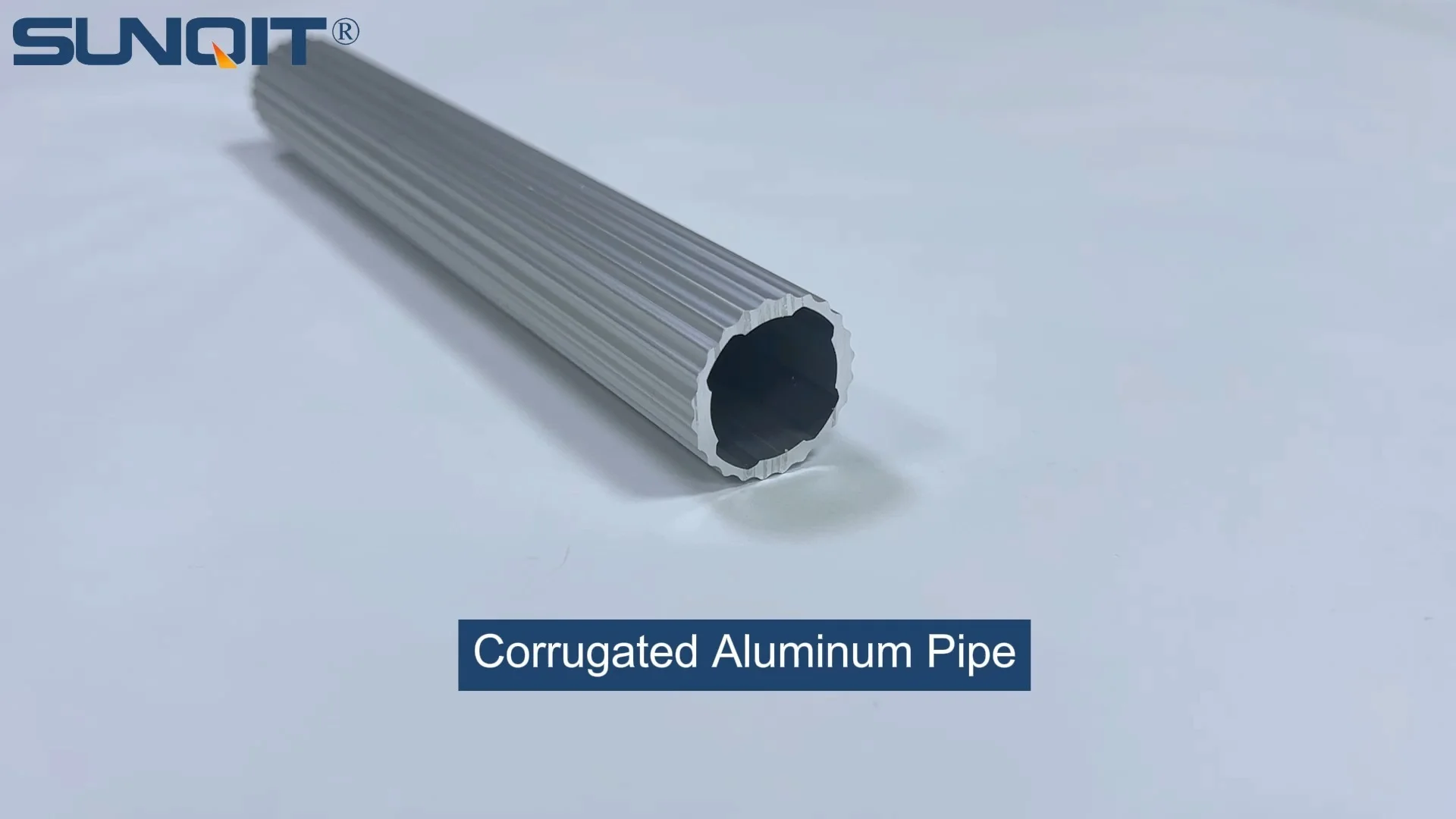
Corrugated Aluminum Pipe
Product Description The slot side is 10mm which can work with a T sliding block for connection accessories Quick Detail Product name Corrugated Aluminum pipe model GLT28-T-3010A Material Science 6005-T6 thickness 1.7mm surface treatment anodic oxidat
In the world of manufacturing and industrial setups, the ability to adapt quickly isn't just a luxury—it's a necessity. Whether you're scaling production, reconfiguring a workspace, or optimizing a workflow, rigid systems can feel like anchors holding you back. That's where lean manufacturing principles step in, emphasizing flexibility, efficiency, and waste reduction. At the heart of many lean systems lie unassuming yet powerful components: corrugated aluminum pipes and inner rotating joints. These two work in tandem to create structures that bend (literally and figuratively) to your needs, from assembly lines to workbenches. Let's unpack how they form seamless connections that keep modern facilities running smoothly.
The Backbone of Flexibility: Corrugated Aluminum Pipe
Before we get to the joints that bring it all together, let's start with the foundation: the corrugated aluminum pipe itself. You might be familiar with traditional steel pipes or even plastic-coated options, but aluminum lean pipe—especially the corrugated variety—changes the game. What makes it so special? Let's break it down.
What Sets Corrugated Aluminum Apart?
First, the material: aluminum. It's no secret aluminum is lightweight, but when you pair that with a corrugated design—those ridged, wave-like patterns along the pipe's surface—you get a component that's both strong and surprisingly flexible. Think of it like a metal spring: it can absorb minor impacts without bending permanently, making it ideal for high-traffic areas where bumps and knocks are inevitable. Unlike steel, it won't rust, which is a huge plus in environments with moisture or chemicals. And let's not forget sustainability: aluminum is 100% recyclable, aligning with the eco-friendly goals many modern businesses prioritize.
But the corrugation isn't just for show. Those ridges add surface area, which does two key things: improves grip when connecting to joints (no slipping or wobbly connections) and enhances structural integrity. A smooth pipe might feel sturdy, but corrugation distributes weight more evenly, so you can load up shelves or workbenches without worrying about sagging over time. It's the difference between a flat ruler and a corrugated cardboard box—both are thin, but one can hold far more weight.
Sizing and Compatibility
Corrugated aluminum pipes come in various diameters, but the most common you'll encounter is the basic aluminum tube, typically ranging from 20mm to 40mm. This versatility means they can handle everything from lightweight tasks (like supporting a small tool rack) to heavier loads (such as a conveyor system moving parts across a factory floor). And because they're standardized, they play well with a wide range of aluminum pipe accessories—joints, brackets, clamps—so you're never locked into a single brand or system.
The Unsung Hero: Internal Rotatary Aluminum Joints
Now, what good is a flexible pipe if you can't connect it to other components? That's where internal rotatary aluminum joints enter the picture. These small but mighty connectors are the reason you can twist, turn, and reposition your aluminum structures with minimal hassle. Let's demystify them.
Design That Moves With You
An internal rotatary aluminum joint is exactly what it sounds like: a joint that sits partially inside the pipe and allows for rotation. Unlike fixed joints, which lock pipes into a rigid angle, these joints let you pivot sections of your structure—think of a workbench shelf that can tilt for better access, or a conveyor arm that swivels to feed parts to different stations. The magic is in the internal mechanism: a grooved or threaded design that grips the corrugated pipe tightly while still allowing smooth rotation along a central axis.
Ever tried adjusting a fixed steel joint? You'll likely need a wrench, maybe even a hammer, and there's always the risk of stripping threads or bending the pipe. With internal rotatary joints, it's a different experience. Most feature a simple lever or setscrew: loosen it, rotate the pipe to your desired angle, then tighten. No special tools, no wrestling with stuck components. It's like adjusting the angle of a office chair—intuitive and quick.
Types and When to Use Them
Not all internal rotatary joints are created equal. Depending on your project, you might need different rotation ranges or load capacities. Here's a quick breakdown of common types:
| Joint Type | Rotation Range | Max Load Capacity | Best For |
|---|---|---|---|
| 180° Internal Rotation | 0°–180° (full flip) | Up to 50kg per joint | Workbench shelves, adjustable tool holders |
| 90° Fixed-Rotary Hybrid | 0°–90° (locked at 45° increments) | Up to 80kg per joint | Material racks, conveyor corners |
| 360° Continuous Rotation | Unlimited (360° spin) | Up to 30kg per joint | Lightweight hanging racks, mobile trolleys |
For example, if you're building a material rack B (the 3-row, 3-floor design you might see in warehouses), the 90° hybrid joint is perfect. It lets you set each shelf at a fixed angle for stability but still allows quick adjustments if you need to rearrange for taller items. On the other hand, a workbench with a tilting top would thrive with a 180° internal rotation joint—flip the surface flat for assembly, tilt it upward to save space when not in use.

Bringing It All Together: Seamless Connection Step-by-Step
Okay, so we've covered the "what"—now let's get to the "how." How do you actually connect a corrugated aluminum pipe to an internal rotatary joint without gaps, wobbles, or frustration? It's easier than you might think, but there are a few pro tips to ensure a rock-solid connection.
Tools You'll Need (Spoiler: Not Many)
Forget about welding torches or power drills. The beauty of aluminum lean pipe systems is their simplicity. Here's your toolkit: a hex key (Allen wrench)—most joints use a standard size, like 5mm or 6mm—a clean cloth, and maybe a rubber mallet (for gentle tapping if the pipe is tight). That's it. No special training required, which is why even small teams can reconfigure setups without calling in maintenance.
Step 1: Prep the Pipe and Joint
First things first: clean both the pipe and the joint. Dust, grease, or debris can get trapped between the corrugation and the joint's inner grip, leading to a loose connection over time. Wipe the end of the pipe with a dry cloth, and check the joint's interior for any dirt. If there's stubborn grime, a quick wipe with a damp cloth (followed by drying) works too. Aluminum doesn't rust, but moisture trapped inside the joint can still cause issues with the setscrew, so make sure everything is dry before moving on.
Step 2: insert the Pipe into the Joint
Now, take the corrugated aluminum pipe and slide it into the internal rotatary joint. Most joints have a marked "stop" point—don't force it past that, as it can damage the internal mechanism. You should feel a slight resistance as the pipe's corrugations catch on the joint's inner teeth (those small, raised ridges designed to grip the pipe). If it's too loose, double-check that you're using the right pipe diameter—joints are sized to fit specific pipe widths, so a 28mm joint won't work with a 30mm pipe.
Step 3: Tighten the Joint (But Don't Overdo It)
Grab your hex key and locate the setscrew on the joint—it's usually on the side or top, labeled with a small "T" or "Lock" icon. Turn it clockwise to tighten, but here's the key: stop when you feel resistance. Overtightening is the biggest mistake people make. The corrugated pipe's ridges are designed to hold when the screw is snug, not when it's cranked down with all your might. Overdoing it can strip the screw threads or even dent the pipe, weakening the connection. A good rule of thumb: tighten until the pipe doesn't spin when you wiggle it, then give it a quarter-turn more. That's enough.
Step 4: Test the Rotation
Before calling it done, test the joint's movement. Loosen the setscrew slightly (a half-turn counterclockwise), then rotate the pipe to the angle you need. Does it move smoothly? Are there any sticking points? If it's stiff, check if the pipe is inserted too far—sometimes the end can catch on the joint's internal components. Adjust, retighten, and test again. Once it rotates freely and stays put when locked, you're good to go.
Beyond the Basics: Aluminum Pipe Accessories That Elevate Your Setup
A pipe and joint alone can only do so much. To truly maximize your system's potential, you'll want to pair them with the right aluminum pipe accessories. These small components turn basic frames into functional workhorses. Let's highlight a few must-haves.
End Caps and Protectors
Ever scraped your hand on a sharp pipe end? Not fun. Plastic pipe end caps slide over the open end of your corrugated aluminum pipe, smoothing out rough edges and preventing snags on clothing or equipment. They also keep dust and debris from getting inside the pipe, which can gunk up joints later. Pro tip: opt for color-coded caps (yellow, grey, black) to organize pipes by function—red for "hot" zones, blue for "cold," etc. It's a simple hack that makes reconfiguring faster.
Brackets and Clamps
Need to attach a shelf to your pipe frame? Or mount a tool holder? Aluminum pipe clamps and brackets are your best friends. These come in all shapes: L-brackets for right angles, parallel clamps for securing two pipes side by side, even adjustable clamps that can grip pipes of different diameters. Most use the same hex key as your joints, so you won't need extra tools. For example, a saddle pipe clamp wraps around two perpendicular pipes, locking them in place—perfect for building a sturdy workbench frame.
Casters for Mobility
Want your setup to move? Add casters. But not just any casters—look for ones designed for aluminum lean pipe systems. They'll have mounting plates that attach directly to your joints or pipes, and many come with brakes to lock the wheels in place when you need stability. A basic hand trolley, like Trolley A or B, relies on these casters to glide smoothly across factory floors, making material transport a breeze. Pro tip: go for swivel casters with locking brakes—they offer the most maneuverability.
Guide Rails and Roller Tracks
If you're building a conveyor system or flow rack, you'll need something to guide materials along: enter roller tracks and guide rails. Plastic roller track guide rails, available in yellow or grey, snap onto aluminum profiles (like aluminum guide rail A or B) and let parts slide smoothly from one station to the next. Pair them with swivel roller balls (1 inch or 0.5 inch) for even more flexibility—these small, rotating balls let materials move in any direction, perfect for assembly workbenches where parts need to be accessed from multiple angles.
Real-World Applications: From Workbenches to Conveyors
Okay, so we've covered the "why" and "how"—but what does this look like in action? Let's walk through a few common setups where corrugated aluminum pipes and internal rotatary joints shine.
Workbench E: The Adjustable Assembly Station
Take Workbench E, a single-deck design without casters—a staple in electronics and small-part assembly. With a frame built from corrugated aluminum pipe and internal rotatary joints at the corners, this workbench isn't just a flat surface. Need to raise the height for a taller worker? Loosen the joints, adjust the legs, retighten. Want to add a side shelf for tools? Attach a short pipe segment with a 90° joint, slide on a shelf bracket, and you're done. Even the deck itself can tilt, thanks to 180° internal rotation joints along the back edge—great for reducing neck strain when working on detailed tasks.
Material Rack B: Organized Storage That Grows With You
Material Rack B is another classic: 3 rows, 3 floors, designed to hold bins, boxes, or even heavy parts. Traditional wooden or steel racks are fixed—if you get a taller box, you either cram it in or buy a new rack. Not with aluminum lean pipe. The vertical supports use internal rotatary joints, so you can adjust shelf heights in minutes. Need to add a fourth floor? Simply insert new pipes and joints into the existing frame. And because the corrugated pipes are lightweight, you can even move the entire rack (with casters, of course) if your layout changes. It's storage that adapts, not just sits there.
Conveyor Systems: Smooth Material Flow
Conveyors are the lifelines of many factories, moving parts from station to station. But rigid conveyors can't handle curves or elevation changes easily. Enter aluminum roller tracks paired with corrugated pipe frames. The tracks themselves use plastic roller track guide rails (yellow for visibility, grey for low-key setups), while the frame relies on internal rotatary joints to create gentle bends or slopes. Need to redirect the conveyor around a new machine? Loosen the joints, adjust the angle, and reattach the tracks. No cutting, no welding—just quick, painless reconfiguration.
Choosing the Right Supplier: Why Quality Matters
Before we wrap up, a quick note on sourcing: not all corrugated aluminum pipes and joints are created equal. To ensure your system is durable, safe, and truly seamless, you'll want to work with a reputable aluminum lean pipe supplier. Look for suppliers who offer:
- Consistent Quality: Pipes should have uniform corrugation (no uneven ridges that could weaken the structure) and joints should be made from high-grade aluminum (avoid cheap alloys that bend or strip easily).
- Wide Compatibility: Their accessories—brackets, clamps, end caps—should work with standard pipe sizes, so you're not locked into proprietary parts.
- Technical Support: A good supplier won't just sell you parts—they'll help you design your setup, answer questions about load capacities, and troubleshoot if something isn't working.
Remember, a system is only as strong as its weakest link. A cheap joint might save you a few dollars upfront, but it'll cost you in downtime when it fails mid-shift. Invest in quality, and your setup will pay dividends in flexibility and longevity.
Final Thoughts: Flexibility That Drives Efficiency
At the end of the day, corrugated aluminum pipes and internal rotatary joints are more than just parts—they're tools for problem-solving. They turn rigid, one-size-fits-all setups into adaptable systems that grow with your business. Whether you're building a simple workbench or a complex conveyor line, the ability to adjust, reconfigure, and repurpose your equipment without hassle is invaluable. It reduces waste (no more buying new frames every time your needs change), saves time (reconfigurations in minutes, not days), and keeps your team focused on what matters: getting the job done.
So the next time you walk into a factory, warehouse, or workshop, take a closer look at the structures around you. Chances are, you'll spot corrugated aluminum pipes and internal rotatary joints hard at work—quietly, reliably, making flexibility look easy. And who knows? Maybe it's time to bring that same flexibility to your own space.