- Company Articles
- Products and Technology
- Product knowledge
- Corrugated Aluminum Pipe and Lean Management Accessories: Perfect Combinations

Corrugated Aluminum Pipe and Lean Management Accessories: Perfect Combinations
Related Product
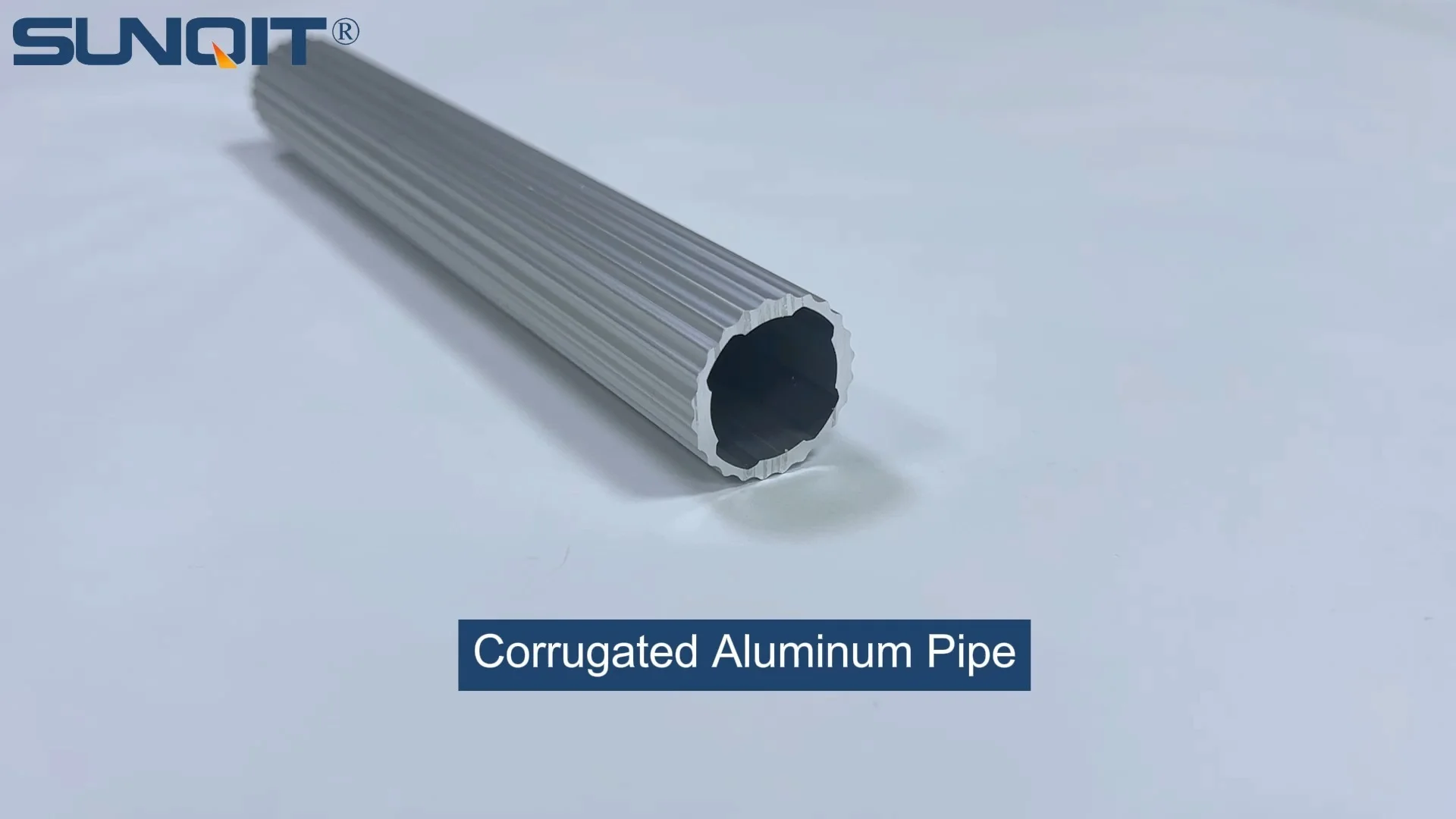
Corrugated Aluminum Pipe
Product Description The slot side is 10mm which can work with a T sliding block for connection accessories Quick Detail Product name Corrugated Aluminum pipe model GLT28-T-3010A Material Science 6005-T6 thickness 1.7mm surface treatment anodic oxidat
Walk into any modern manufacturing facility, warehouse, or assembly plant, and you'll notice a quiet revolution happening on the shop floor. It's not just about high-tech machinery or fancy software—though those help. It's about the bones of the operation: the structures, tools, and systems that keep work flowing, waste in check, and teams productive. This is where lean management comes to life, and at the heart of it all? Often, an unsung hero: corrugated aluminum pipe. Paired with the right lean management accessories, it's not just a material choice—it's a game-changer for businesses serious about efficiency.
Lean management isn't a buzzword; it's a philosophy rooted in eliminating waste, streamlining processes, and empowering teams to do more with less. But here's the thing: you can't build a lean system on clunky, rigid, or one-size-fits-all tools. That's where corrugated aluminum pipe and accessories like aluminum profile , roller track , and caster wheel step in. Together, they form a flexible, durable, and adaptable foundation that turns lean goals into daily reality. Let's dive into why this combination works, how it transforms workspaces, and why it might just be the missing piece in your lean journey.
What Makes Corrugated Aluminum Pipe Special?
First, let's get to know corrugated aluminum pipe. At first glance, it might look like just another metal tube, but its design tells a different story. The corrugated (or ridged) surface isn't there for show—it's engineered for strength. Those ridges distribute weight evenly, making the pipe surprisingly sturdy despite aluminum's lightweight nature. Think of it as nature's own reinforcement: like how a cardboard box with ridges holds more weight than a flat sheet. This means you get the best of both worlds: a material that's easy to handle (no back-breaking lifting) and tough enough to withstand the daily grind of a busy shop floor.
Aluminum itself is a star here, too. Unlike steel, it resists rust and corrosion, which is a big win in environments where spills, moisture, or chemicals are common—think food processing, electronics manufacturing, or even outdoor warehouses. It's also non-magnetic and non-sparking, adding safety bonuses in sensitive settings. And let's not forget flexibility: corrugated aluminum pipe is easy to cut, drill, and shape on-site, so you're not stuck with pre-made, one-use structures. Need to adjust a workbench height? Shorten a roller track? No problem. A few simple tools and you're good to go.
But what really sets it apart is how it plays well with others. Corrugated aluminum pipe isn't a solo act; it's designed to connect seamlessly with a range of lean management accessories. From joints that snap into place without welding to brackets that secure roller tracks, it's the ultimate team player—making it the backbone of modular, adaptable workspaces.
Lean Management Accessories: The Glue That Holds It All Together
If corrugated aluminum pipe is the backbone, lean management accessories are the muscles, joints, and nerves that make the system move. These aren't just "parts"—they're purpose-built tools that turn raw materials into functional, lean-friendly structures. Let's break down a few key players:
Aluminum Profile: Think of aluminum profile as the "building blocks" of lean setups. These extruded aluminum bars come with T-slots (longitudinal grooves) that let you attach accessories—like shelves, lights, or tool holders—without drilling holes. They're lightweight but rigid, making them perfect for framing workbenches, racks, or partitions. When paired with corrugated aluminum pipe, they add stability to structures while keeping the overall weight low.
Roller Track: Ever watched a production line where materials glide effortlessly from one station to the next? That's roller track in action. These tracks, often made of plastic or metal rollers, turn static shelves into dynamic material flow systems. They reduce the need for manual lifting (hello, less waste and fewer injuries) and keep work moving at a steady pace—exactly what lean aims for.
Caster Wheel: Mobility is key in lean environments. Caster wheels turn fixed structures into movable ones: workbenches that roll to the assembly line, trolleys that deliver parts right where they're needed, or racks that shift to make space for new projects. Look for swivel casters with brakes for flexibility and safety—they lock in place when you need stability, then roll when you need to reconfigure.
These accessories (and others like joints, clamps, and end caps) aren't just add-ons. They're designed to work together, creating systems that adapt as your needs change. Need to scale up production? Add more roller track. Shift to a new product line? Reconfigure the aluminum profile frame. It's lean thinking in physical form: no waste, no excess, just exactly what you need, when you need it.

Perfect Pairings: How Corrugated Aluminum Pipe and Accessories Work in Harmony
Now, let's see this combination in action. It's one thing to talk about parts, but it's another to walk through real-world setups where corrugated aluminum pipe and accessories turn chaos into order. Here are three scenarios where this pairing shines:
1. The Adaptable Workbench
A workbench is the heart of any assembly or packaging station. But traditional workbenches are often fixed: too tall, too short, or with shelves in all the wrong places. Enter corrugated aluminum pipe and aluminum profile. Imagine building a workbench frame with corrugated pipe for the legs (lightweight, so it's easy to move if needed) and aluminum profile for the tabletop frame. The T-slots in the profile let you attach a plywood or metal top, and you can add accessories like tool hooks, cup holders, or even a small shelf for parts—all without drilling. Need to lower the height for a new operator? Swap out the pipe legs for shorter ones. Add a caster wheel to one end for easy repositioning? Just bolt them on. This isn't just a workbench—it's a workspace that grows with your team.
2. The Smooth-Flowing Roller Track System
Material flow is the lifeblood of lean manufacturing. When parts get stuck waiting to be moved, that's waste—and waste eats into profits. Corrugated aluminum pipe and roller track solve this by creating gravity-fed or powered conveyor systems that keep materials moving. For example, a warehouse might use corrugated pipe to build a frame for a 3-row, 3-floor material rack (sound familiar?). Then, attach roller track to the shelves using brackets that slide into the pipe's ridges. Suddenly, boxes of parts glide from the top shelf to the picking station below, no heavy lifting required. Or in a production line, a roller track built with corrugated pipe legs can carry assemblies from one station to the next, ensuring each worker has what they need, exactly when they need it. It's like adding a "fast lane" for materials—no more bottlenecks, no more delays.
3. The Mobile Material Trolley
In lean terms, "transportation waste" is a big no-no—that's when materials are moved more than necessary. Mobile trolleys cut this waste by bringing parts directly to the point of use. Building one with corrugated aluminum pipe is a breeze: use the pipe for the frame (light enough for one person to push), add aluminum profile shelves to hold bins, and mount caster wheels (with brakes!) for easy movement. The result? A trolley that's tough enough to carry heavy parts but nimble enough to navigate tight aisles. And when your needs change? Disassemble it, reconfigure the pipe and profile, and you've got a new trolley for a different task. No need to buy a whole new unit—just repurpose what you already have. That's lean thinking at its finest.
The Benefits: Why This Combination Wins for Lean Teams
So, what makes corrugated aluminum pipe and lean accessories more than just a "nice-to-have"? Let's break down the benefits that matter most to teams striving for lean excellence:
- Less Waste, More Flow: By making material movement easier (roller track) and workspaces adaptable (aluminum profile), this combination cuts down on wasted time, effort, and space. No more searching for tools or moving materials by hand—everything has a place, and it moves when needed.
- Durability That Lasts: Aluminum's resistance to corrosion and the pipe's reinforced design mean these structures stand up to daily use. Unlike flimsy plastic or rust-prone steel, they won't need constant replacement—saving money in the long run.
- Quick Setup, No Expertise Needed: Welding? Heavy machinery? Not required. Most accessories snap, bolt, or clamp into place, so your team can build or reconfigure structures in hours, not days. This agility lets you respond fast to production changes.
- Safety First: Lightweight materials reduce injury risk during setup or reconfiguration. Non-slip caster wheels and stable aluminum profile frames keep structures from tipping. And in cleanrooms or food environments, corrosion resistance means fewer contaminants—keeping products and people safe.
- Cost-Effective in the Long Run: Sure, aluminum might cost a bit more upfront than cheap steel or plastic. But when you factor in reusability (reconfigure instead of replace), low maintenance (no painting or rust removal), and fewer injuries, it pays for itself quickly.
Comparing Traditional vs. Corrugated Aluminum Pipe Systems
Still on the fence? Let's put this combination head-to-head with traditional steel pipe systems—the old standby in many facilities. The difference might surprise you:
| Feature | Traditional Steel Pipe | Corrugated Aluminum Pipe + Lean Accessories |
|---|---|---|
| Weight | Heavy—requires multiple people to move or assemble. | Lightweight—one person can carry or reconfigure parts. |
| Setup Time | Slow—often requires welding or specialized tools. | Fast—accessories snap or bolt on; no welding needed. |
| Durability | Prone to rust and corrosion; needs regular painting. | Corrosion-resistant; no painting or maintenance required. |
| Adaptability | Rigid—once built, hard to modify without cutting/welding. | Flexible—easily reconfigured with new accessories or pipe lengths. |
| Safety | Heavy lifting increases injury risk; sharp edges from welding. | Lightweight reduces strain; smooth edges and non-slip components. |
| Long-Term Cost | High—replacement costs, maintenance, and downtime add up. | Low—reusable, low maintenance, and minimal downtime. |
Real-World Impact: How One Factory Transformed Its Floor
Let's bring this to life with a quick story. A mid-sized electronics manufacturer was struggling with lean goals. Their assembly line was full of fixed steel workbenches—too tall for some workers, too short for others. Materials sat on static shelves, so operators wasted 20 minutes per shift walking to grab parts. And when production shifted to a new product, reconfiguring the line took days, costing them valuable time.
They switched to corrugated aluminum pipe and lean accessories. Here's what happened:
- Workbenches were rebuilt with adjustable aluminum profile legs, so each operator could set their ideal height. Productivity ticked up by 15% as workers reported less fatigue.
- Roller tracks were added between stations, so parts glided to operators instead of being carried. Material handling time dropped by 30%.
- Mobile trolleys (built with corrugated pipe and caster wheels) delivered parts directly to the line, cutting "walking waste" by 40 minutes per shift.
- When a new product line launched, the team reconfigured the entire setup in 8 hours—down from 3 days with steel. They met their launch deadline with room to spare.
This isn't an isolated case. From small workshops to global manufacturers, corrugated aluminum pipe and lean accessories are turning frustrated teams into efficient ones—proving that the right tools don't just support lean management; they make it possible.
Wrapping Up: It's About More Than Pipes—It's About People
At the end of the day, lean management is about people. It's about giving teams the tools they need to work smarter, not harder. Corrugated aluminum pipe and lean accessories do exactly that: they remove barriers (heavy lifting, clunky setups, wasted time) and put control back in the hands of the people on the floor. When a worker can adjust their workbench in 10 minutes instead of waiting for maintenance, when materials flow smoothly instead of getting stuck, when the team can adapt to changes without stress— that's when lean stops being a poster on the wall and becomes a daily reality.
So, if you're ready to move beyond rigid, wasteful systems and build something that grows with your team, consider corrugated aluminum pipe and lean accessories. It's not just a purchase—it's an investment in your people, your processes, and the lean future you're working toward. After all, the best lean systems aren't built on steel and stubbornness—they're built on flexibility, adaptability, and the quiet power of tools that just work .